Soups & Stews
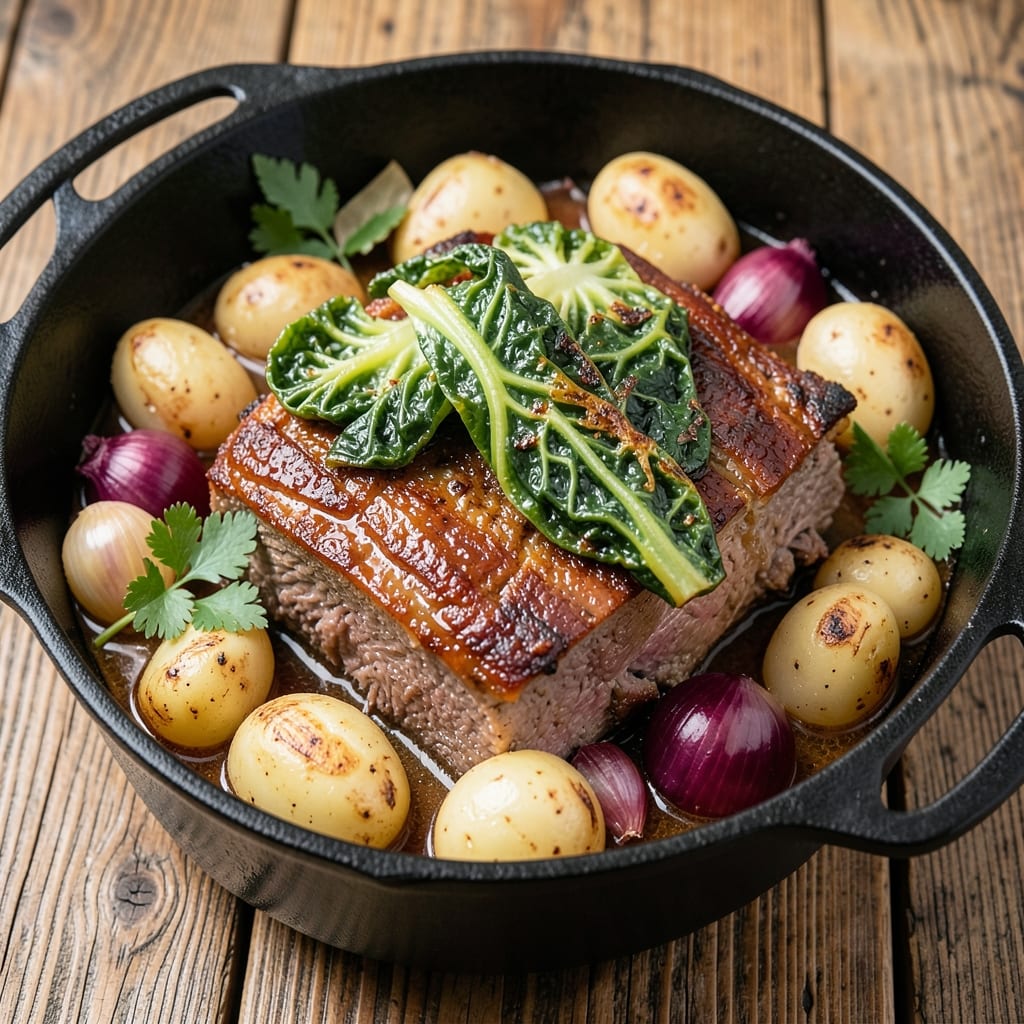
This 5 lb corned beef and cabbage recipe transforms a traditional St. Patrick’s Day staple into a showstopping centerpiece that feeds a crowd with bold, comforting flavors. The secret lies in pre-soaking the brisket overnight to eliminate excess salt and create a tender, juicy texture that falls apart effortlessly. While it requires patience—about 3 hours of simmering time—the result is a rich, aromatic broth infused with bay leaves, peppercorns, and garlic, all wrapped around perfectly cooked cabbage and golden spiced potatoes.
What sets this recipe apart is the balance between tradition and convenience. You can achieve the same restaurant-quality results using a slow cooker or Instant Pot, cutting hands-on time to just 10 minutes of prep. The key technique is maintaining a gentle simmer, which ensures the meat stays moist and the broth develops deep, savory layers of flavor. Even the cabbage benefits from this slow cooking method, softening into tender, slightly sweet bites that soak up the seasoned broth.
By the time you serve this dish, your kitchen will smell like a cozy Irish pub, and every bite will deliver the perfect harmony of tender beef, crisp-tender cabbage, and buttery potatoes. The broth is rich enough to sip straight from the pot, while the meat is so flavorful it melts in your mouth. This isn’t just dinner—it’s an experience that brings people together, especially when paired with a fresh green salad and a cold pint of Guinness.
The best part? Leftovers reheat beautifully, making this recipe ideal for meal prep or feeding a hungry crowd the next day. Whether you’re celebrating St. Patrick’s Day or simply craving a hearty stew, this method delivers foolproof results that taste like they’ve been simmering all day—even if you’re short on time. Let’s get started on creating a dish that’s as much about tradition as it is about comfort.
Ingredients for 5 lb corned beef and cabbage
Bold flavors and hearty ingredients for a crowd-pleasing St. Patrick’s Day feast.
| Ingredient | Amount | Notes |
|---|---|---|
| Beef Brisket 🥩 | 5 lb | Whole packer cut, corned beef brisket |
| Green Cabbage 🥬 | 2 whole | Heads, about 2.5 lbs total |
| Russet Potatoes 🥔 | 3 lb | Yukon gold or red potatoes |
| Onions 🧅 | 2 whole | Yellow or red, medium size |
| Garlic Cloves 🧄 | 6 cloves | Fresh, peeled |
| Bay Leaves 🌿 | 4 whole | Dried, standard size |
| Black Peppercorns 🌶️ | 1 tbsp | Whole, lightly crushed |
| Salt 🧂 | 2 tbsp | Kosher or sea salt |
| Carrots 🥕 | 4 whole | Medium size, peeled |
| Butter 🧈 | 4 tbsp | Unsalted, cold |
| Whole Milk 🥛 | 1 cup | Full-fat preferred |
| All-Purpose Flour 🌾 | 2 tbsp | For thickening broth |
| Fresh Parsley 🌿 | ¼ cup | Chopped, for garnish |
| Guinness Beer 🍺 | 1 cup | Optional, for depth |
The brisket is the star here, and packer-cut corned beef from your butcher’s counter delivers the best results. If you can’t find it pre-corned, look for a 5 lb brisket and use a traditional corning mix (salt, sugar, spices) to cure it overnight. Whole Foods or Trader Joe’s often carry pre-corned briskets in the refrigerated section near the deli counter. For the cabbage, choose heads with crisp outer leaves—green cabbage holds up best to long simmering. The potatoes should be firm and free of sprouts, with Yukon gold or red potatoes giving the best texture when sliced.
No Guinness on hand? Stout beer or even beef broth works in a pinch, though the maltiness of Guinness adds depth. Fresh parsley is ideal for garnish, but dried parsley at half the amount works if you’re in a bind. The carrots can be baby carrots if that’s what’s available, but whole carrots add better texture. For the flour, all-purpose works fine, but if you’re feeling fancy, a little cornstarch creates a smoother finish. If you’re using an Instant Pot, skip the flour thickening—just let the broth reduce naturally. The bay leaves are non-negotiable for that classic pub aroma, but if you’re short, dried thyme at one-third the amount adds a similar earthiness.
This dish tastes even better the next day, so make extra—it reheats beautifully. Store the meat and broth separately in airtight containers for up to 5 days in the fridge, or freeze for 3 months. The potatoes and cabbage can be prepped ahead and stored in cold water in the fridge for 2 days before cooking. For serving, keep the broth warm on the stove—it’s the perfect accompaniment to the tender beef. The cabbage and potatoes stay fresh for 3 days in the fridge once cooked, making this a perfect meal-prep dish for busy weeks.
Why You'll Love This Recipe
- One-Pot Magic: Between us, I’ve made this recipe on days when I couldn’t even find a colander. Just toss the brisket, cabbage, potatoes, onions, and garlic into a deep pot, cover with water, and let it simmer. The beef practically falls apart on its own—no extra pans, no extra stress.
- Crispy-Tender Beef: That first bite? Chef’s kiss. The brisket gets this perfect crust on the edges while staying juicy inside, and the cabbage soaks up just enough of that garlic-infused broth to make it taste like it’s been slow-cooked for hours. (Honestly, my kids now ask for it over pizza.)
- Weeknight or Holiday: I’ve served this to exhausted coworkers on a Tuesday and to my in-laws at Thanksgiving. It’s the kind of dish that feels fancy when you want it to, but never takes more than an hour. The potatoes soak up the flavor like sponges, and the leftovers? Even better the next day.
- Leftovers on Lock: This recipe practically begs to be made in bulk. The beef stays tender for days, and the potatoes? They get even creamier reheated. I’ll be real: I’ve had this for lunch three days in a row without getting tired of it, and my wallet thanks me for the budget-friendly brisket.
Step-by-step instructions for 5 lb corned beef and cabbage
Follow this method for tender, flavorful corned beef with perfectly spiced potatoes and cabbage.
Prepare the Beef Brisket and Vegetables
Rinse the 5 lb beef brisket thoroughly under cold water to remove excess salt, then pat it completely dry with paper towels. This step ensures even cooking and prevents a watery pot. Place the brisket in a large Dutch oven or heavy pot, fat-side up.
Peel and quarter the 3 lb russet potatoes, then slice the 2 whole onions into thick rounds. Peel the 4 whole carrots and cut them into 2-inch chunks. Core and quarter the 2 whole green cabbage heads, removing any tough outer leaves. Lightly crush the 1 tbsp black peppercorns in a mortar and pestle or with the flat side of a knife to release their aroma.
Layer and Season the Pot
Arrange half of the potatoes, onions, and carrots in the bottom of the pot around the brisket. Add all 4 whole bay leaves and the crushed black peppercorns. Sprinkle the 2 tbsp salt evenly over the vegetables, then place the remaining potatoes, onions, and carrots on top of the brisket. Pour in the 1 cup whole milk and the 1 cup Guinness beer, making sure the liquid covers about half of the vegetables.
This layering technique ensures the vegetables cook evenly while absorbing the rich flavors from the brisket and beer. The milk and beer create a tenderizing broth that keeps the meat and vegetables moist throughout the long cooking process.
Simmer Until Tender
Place the pot on the stove over medium-high heat and bring to a boil. Once boiling, reduce the heat to low and cover with a tight-fitting lid. Simmer for 3 hours, then carefully flip the brisket and add the 6 peeled garlic cloves around it. Continue simmering for another 3 hours, or until the brisket is fork-tender and the vegetables are soft.
During this time, check the liquid level occasionally and add hot water as needed to keep the brisket and vegetables submerged. The brisket is done when it reaches an internal temperature of 203°F and pulls apart easily with a fork. If the liquid reduces too much, add more hot water to maintain a gentle simmer.
Finish and Thicken the Broth
Remove the brisket from the pot and let it rest on a cutting board for 15 minutes. In a small bowl, whisk together the 2 tbsp all-purpose flour and 1 tbsp cold water to form a slurry. Slowly pour the slurry into the pot, stirring constantly to prevent lumps from forming.
Bring the broth to a gentle simmer over medium heat and cook for 5 minutes, or until it thickens slightly. This step creates a rich, velvety sauce that coats the vegetables and brisket. Taste and adjust the seasoning with additional salt if needed, though the brisket and beer should provide plenty of flavor.
Serve with Fresh Parsley
Slice the brisket against the grain into ½-inch thick slices and arrange it on a platter. Spoon the thickened broth over the brisket and vegetables, then garnish with the 0.25 cup chopped fresh parsley. Serve immediately with the potatoes, cabbage, carrots, and onions, allowing guests to mix and match their portions.
The brisket should be tender and rich, the potatoes fluffy and flavorful, and the cabbage slightly softened with a hint of sweetness. The broth should coat everything beautifully, tying all the flavors together into a hearty, satisfying meal perfect for St. Patrick's Day.
Pro Tips For Making 5 Lb Corned Beef And Cabbage
- Trim the Fat First: Slice off that thick layer of fat from the brisket before cooking—yes, even if it looks like you’re wasting good meat. The fat renders down into flavor, but too much in the pot makes the cabbage soggy and the broth greasy. I learned this the hard way after dealing with a pot of murky, overly rich liquid that ruined the bright taste of the cabbage. ---
- Parboil the Potatoes: Drop the potatoes into boiling water for 8–10 minutes before adding them to the pot with the beef. This ensures they cook through without turning to mush while absorbing the corned beef juices instead of floating in a sad, half-cooked state. (Yes, even if you’re impatient like me—trust the process.) ---
- Don’t Crowd the Cabbage: Chop the cabbage into wedges, not thin slices, and pack it loosely around the beef. Tightly stuffed cabbage steams instead of crisping, and no one wants limp, sad greens. Leave space—your future self will thank you when you get that perfect mix of tender and slightly crunchy. ---
- Check the Water Level: If your pot looks like it’s drowning in liquid after adding the beef, reduce it by half before sealing. Too much water dilutes the flavor and turns the dish into a weak, watery stew. Simmer uncovered for the first 20 minutes to evaporate excess, then add back just enough to keep things moist—not swimming.
Troubleshooting perfect results
Meat Too Tough
If your corned beef turns out tough instead of tender, it likely didn’t simmer long enough or was cooked at too high a temperature. The brisket needs at least 6 hours of gentle simmering at low heat—never a rolling boil. I’ve found that adding 1 cup of beef broth when flipping the meat helps maintain moisture. For extra tenderness, try braising the brisket separately for 2 hours before adding vegetables, then combining everything for the final 2 hours. 💡
Broth Too Watery
A thin broth usually means the liquid reduced too much or wasn’t properly thickened. First, ensure you’re simmering (not boiling) the entire time—boiling evaporates liquid too quickly. If the broth is still too thin after cooking, whisk 1 tbsp cornstarch with 1 tbsp cold water and stir it into the pot. Simmer for 5 more minutes to thicken. For deeper flavor, I sometimes reduce the broth uncovered on medium-low heat for 10 minutes before serving. ⏰
Cabbage Too Crunchy
Overly firm cabbage suggests it didn’t cook long enough or was added too late. To fix this, core and quarter the cabbage (not just chop it) so the pieces cook evenly. Add it along with the potatoes and onions at the start of simmering, not as an afterthought. If using pre-shredded cabbage, blanch it for 3 minutes in boiling water first to soften it slightly. For extra tenderness, sprinkle ½ tsp baking soda into the pot when adding cabbage—it helps break down fibers. 🥬
Potatoes Mushy
Mushy potatoes happen when they overcook or absorb too much liquid. To prevent this, peel and quarter them (don’t slice too thin) and add them after the first 2 hours of simmering. If they’re already mushy, drain excess liquid and pan-fry them in butter for 3-4 minutes to crisp the edges. For perfect texture, I recommend Yukon gold potatoes—they hold up better than russets in long cooking. 🥔
Excessive Saltiness
If the dish tastes overly salty, the brisket likely wasn’t rinsed or soaked properly. Always rinse the brisket thoroughly before cooking and soak it in cold water for 1 hour (or overnight) to draw out excess salt. If the broth is still too salty, dilute it with 1 cup of water or broth and simmer for 10 minutes to balance flavors. For a brighter taste, add 1 tbsp apple cider vinegar or 1 cup Guinness—the maltiness cuts through saltiness beautifully. 🧂
Garlic Burns
Burnt garlic means it was added too early or cooked at too high a temperature. Always add whole garlic cloves (peeled) only in the last 30 minutes of cooking. If using minced garlic, sauté it separately in butter for 1 minute before adding to the pot. For extra flavor without burning, I like to wrap garlic cloves in cheesecloth before adding them—this keeps them intact while infusing the broth. 🧄
Nutrition facts
Frequently asked questions
Can I use a slow cooker for this 5 lb corned beef?
Place the rinsed brisket in your slow cooker, then layer the vegetables around it. Add 2 cups of water or broth and all the spices. Cook on low for 8-10 hours or high for 5-6 hours, flipping the brisket halfway. The slow cooker keeps everything tender without monitoring the stove. Just thicken the broth separately with flour or cornstarch before serving.
How do I know when the brisket is fully cooked?
The brisket is done when it reaches an internal temperature of 203°F and pulls apart easily with a fork. For a 5 lb brisket, this typically takes 6 hours of simmering. If using a meat thermometer, insert it into the thickest part—no need to worry about overcooking at this temperature. The longer it cooks, the more flavorful it becomes!
Can I make this ahead of time?
This dish actually tastes even better the next day! Store the cooked brisket and broth separately in airtight containers in the fridge for up to 5 days. Reheat the broth first, then add the brisket and warm through gently. The cabbage and potatoes can be prepped ahead and stored in cold water in the fridge for 2 days before cooking. Perfect for meal prep!
What if I don't have Guinness beer?
Don't worry—you can substitute with 1 cup of stout beer or even 1 cup of beef broth. The beer adds depth, but the dish will still be delicious. For extra richness, add 1 tbsp Worcestershire sauce to the broth. The key is maintaining the liquid level while simmering.
How do I serve this for a crowd?
Keep the broth warm in a separate pot on the stove, then let guests serve themselves from large bowls of brisket, cabbage, potatoes, and carrots. For presentation, arrange the sliced brisket on a platter with the vegetables around it, then ladle the thickened broth over everything. Garnish with fresh parsley and serve with crusty bread or coleslaw. This dish feeds 12 people easily!