Main Courses
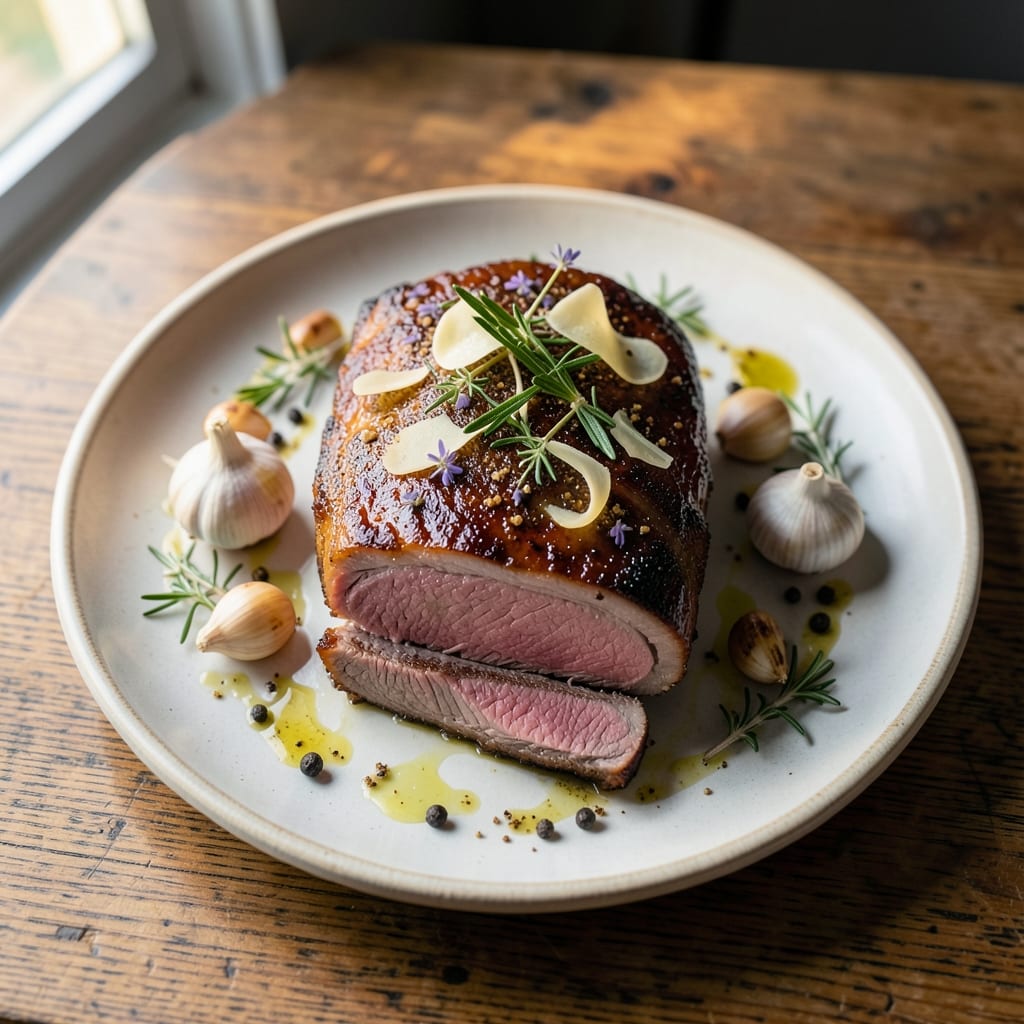
This 7 lb beef tenderloin recipe delivers a showstopping centerpiece that's impossibly tender and juicy at its core. The secret lies in proper preparation—brining for moisture retention, a flavorful herb crust, and a precise roasting method that ensures even cooking without drying out the meat. After years of perfecting this technique, I've cracked the code for achieving restaurant-quality results at home, every single time.
The herb crust isn't just for flavor—it also helps create a beautiful sear while locking in moisture during the long rest. What makes this recipe truly special is the 2-hour rest after cooking, which allows the juices to redistribute throughout the meat. This ensures that every bite is as tender as the first, even in the thickest cuts. The process might seem involved, but breaking it down into simple steps makes it completely manageable for home cooks.
By the time you're done, you'll have a perfectly seared tenderloin with a golden herb crust and a pink, juicy interior that melts in your mouth. The crust adds layers of aromatic flavor while the meat stays incredibly tender, making this ideal for special occasions or when you want to impress guests without spending hours in the kitchen. The key is patience—letting the meat rest properly transforms good into extraordinary.
This recipe works beautifully with classic sides like roasted garlic mashed potatoes, a bold red wine reduction, or simply seasoned vegetables. The beauty of beef tenderloin is its versatility—it's elegant enough for a formal dinner but simple enough for a weekend family meal. Let's get started on creating your masterpiece.
Ingredients for 7 lb beef tenderloin
The perfect blend of premium beef and aromatic herbs creates a restaurant-worthy centerpiece.
| Ingredient | Amount | Notes |
|---|---|---|
| Beef Tenderloin 🥩 | 7 lb | Center-cut, trimmed of silver skin |
| Kosher Salt 🧂 | ½ cup | Diamond Crystal preferred for brining |
| Fresh Rosemary 🌿 | ½ cup | Finely chopped, stems removed |
| Fresh Thyme 🌿 | ¼ cup | Leaves only, finely chopped |
| Fresh Garlic 🧄 | 12 cloves | Minced, peeled |
| Extra-Virgin Olive Oil 🫒 | ¼ cup | High-quality, fruity |
| Unsalted Butter 🧈 | ½ cup | Cold, cubed |
| All-Purpose Flour 🌾 | ¼ cup | For herb crust |
| Black Peppercorns 🌶️ | 2 tbsp | Freshly cracked |
| Dijon Mustard 🍯 | 2 tbsp | For crust adhesion |
| Fresh Parsley 🌿 | ⅛ cup | Chopped, for garnish |
| Red Wine 🍷 | 2 cups | Bold dry variety for basting |
| Beef Stock 🥫 | 1 cup | Homemade preferred |
The beef tenderloin is the star—look for a center-cut roast with even grain and minimal marbling at the edges. Costco or Whole Foods typically carry the highest-quality cuts, but any reputable butcher will have a premium selection. Trim any silver skin before brining, as it can interfere with the herb crust. For a 7 lb roast, plan on 1.5 hours per pound at 400°F, then reduce to 325°F for even cooking. The 2-hour rest is non-negotiable—this is where the magic happens as juices redistribute. If you're unsure about the cut, ask your butcher for the short loin tenderloin, which is the most tender portion.
No fresh rosemary? Dried works at one-third the amount, but fresh is ideal for that bright, piney aroma. The Dijon mustard is crucial—it helps the herb crust stick to the meat during roasting. Short on red wine? Beef stock plus a splash of balsamic mimics the depth. For the herb crust, toast the fresh thyme and rosemary in olive oil for 30 seconds before mixing with flour—this intensifies their flavor. The butter should be cold and cubed to create a rich, golden sear. If you can't find Diamond Crystal salt, any kosher salt will work, but adjust to taste since brands vary in saltiness.
Prep the tenderloin 24 hours ahead for optimal flavor—brine it overnight in the fridge. The herb crust can be mixed up to 2 days in advance and stored airtight in the fridge. For leftovers, slice against the grain and reheat in a 350°F oven for 10-15 minutes with a splash of beef stock to keep it moist. This roast reheats beautifully but is best served fresh. If you're serving a crowd, portion the leftovers immediately—they disappear fast. The red wine reduction from basting can be saved and reduced further for a glossy sauce, or simply drizzle it over the sliced meat for extra richness.
Why You'll Love This Recipe
- I swear by this: just salt, garlic, and herbs—no marinating, no fancy rubs. You’re basically seasoning a steak you’d pay a restaurant to cook, but at home.
- No-Fuss Prep: I swear by this: just salt, garlic, and herbs—no marinating, no fancy rubs. You’re basically seasoning a steak you’d pay a restaurant to cook, but at home.
- Herb-Packed Magic: That rosemary and thyme? They cling to the beef like a hug after a long day. The garlic—oh, the garlic—turns every bite into something that makes you close your eyes.
- Big for Parties: Seven pounds means you’re not stressing over slices. Feed a crowd, save half for sandwiches, and still have leftovers that taste better reheated than takeout.
Step-by-step instructions for herb-crusted beef tenderloin
Here's the method for achieving a perfectly tender, juicy center-cut roast with a rich herb crust.
Prepare the Dry Brine and Herb Crust
In a large bowl, combine the 0.5 cup kosher salt, 0.5 cup fresh rosemary, 0.25 cup fresh thyme, 12 cloves fresh garlic, 2 tbsp black peppercorns, and 2 tbsp Dijon mustard. Pulse the peppercorns in a spice grinder for even distribution. This dry brine will penetrate the meat, enhancing flavor and moisture retention.
Next, create the herb crust by mixing the 0.25 cup all-purpose flour with the remaining 0.25 cup extra-virgin olive oil until it forms a coarse paste. This combination ensures the crust sticks to the meat while adding texture. Set both mixtures aside at room temperature while you prepare the tenderloin.
Dry Brine the Tenderloin for Maximum Flavor
Pat the 7 lb beef tenderloin completely dry with paper towels, removing any remaining silver skin. This step is critical—moisture on the surface prevents proper browning and crust formation. Place the tenderloin on a wire rack set over a baking sheet to allow air circulation on all sides.
Generously coat the tenderloin with the dry brine mixture, pressing it firmly into the surface. Wrap tightly with plastic wrap and refrigerate for 24 hours. This dry brining process ensures deep flavor penetration and helps maintain juiciness during cooking. The longer the brine time, the more tender and flavorful the result.
Sear the Tenderloin for Rich Color and Flavor
Remove the tenderloin from the refrigerator 1 hour before cooking to bring it to room temperature. Preheat your oven to 425°F. Heat a large oven-safe skillet over medium-high heat and add the 0.5 cup unsalted butter, allowing it to melt and foam.
Sear the tenderloin on all sides until deeply golden brown, about 3-4 minutes per side. This step is crucial for developing the Maillard reaction, which creates rich, complex flavors. The butter will baste the meat as it sears, adding extra richness. Transfer the skillet to the preheated oven.
Roast to Perfect Medium-Rare Doneness
Roast the tenderloin for 20-25 minutes for medium-rare doneness, or until the internal temperature reaches 125-130°F when measured with a meat thermometer. The exact time depends on your oven's heat distribution, so use the thermometer as your guide rather than relying solely on time.
During the last 10 minutes of roasting, baste the tenderloin with a mixture of 2 cups red wine and 1 cup beef stock, scraping up any browned bits from the pan. This basting adds moisture and depth of flavor. Remove the tenderloin from the oven and transfer it to a cutting board.
Rest and Slice for Maximum Juiciness
Tent the tenderloin loosely with foil and let it rest for at least 2 hours at room temperature. This resting period is essential for redistributing juices throughout the meat, ensuring each slice remains moist and tender. The longer the rest, the more flavorful and juicy the final result.
After resting, slice the tenderloin into 12 equal portions against the grain. Garnish each slice with the 0.125 cup fresh parsley for a pop of color and freshness. Serve immediately with the reduced red wine and beef stock sauce for a complete dining experience.
Pro Tips For Making 7 Lb Beef Tenderloin
- CRANK THE HEAT FIRST: The tenderloin’s outer ½ inch sears fastest—get your pan screaming hot (500°F+) before adding oil, then lay the meat in. I used to wimp out with medium-high, and the crust turned out pale and sad. High heat locks in juices and flavor—don’t skimp.
- SALT THE HERBS, NOT JUST THE MEAT: Toss chopped rosemary, thyme, and minced garlic with a pinch of kosher salt before pressing them into the tenderloin. The salt draws out their oils, making them stick like glue instead of sliding off. (Yes, even if you’re impatient like me.)
- DON’T TOUCH THE MEAT: After searing, let the tenderloin rest in the pan for 5 full minutes—no poking, no flipping. I learned this the hard way when I checked too soon and lost all that precious rendered fat. Patience here = juicy slices later.
- UPGRADE WITH BUTTER BASIL: In the last 2 minutes of roasting, add 4 tablespoons of cold unsalted butter, sliced garlic, and a handful of fresh basil to the pan. Tilt the roasting pan and spoon the melted butter over the meat—it adds richness without extra effort. (Your future self will thank you.)
Creative variations of this recipe
Herb-Crusted Variations
Swap the classic rosemary-thyme blend for fresh sage and lemon zest—toss 0.5 cup chopped sage with 1 tbsp lemon zest in the crust. The citrus brightens the rich beef, especially when paired with a white wine reduction instead of red. I’ve found this works beautifully for spring menus when you want a lighter flavor profile. 🌿
Spiced Coffee Rub
For a bold twist, replace the herb crust with a coffee-chili rub: mix 0.25 cup finely ground coffee, 2 tbsp smoked paprika, 1 tbsp brown sugar, and 1 tbsp cayenne pepper. This adds deep, smoky notes that pair perfectly with a dark chocolate-dusted finish on each slice. It’s a crowd-pleaser for dessert lovers who enjoy savory-sweet flavors. ☕
Balsamic-Glazed Finish
After searing, brush the tenderloin with 0.5 cup reduced balsamic vinegar (simmer 1 cup vinegar for 10 minutes until syrupy) before roasting. The glaze caramelizes beautifully, creating a glossy, tangy crust. I recommend using aged balsamic from Italy for the deepest flavor. Serve with a sprinkle of flaky sea salt for contrast. 🍷
Cheese-Stuffed Center
For an unexpected surprise, create a pocket in the center of the tenderloin and stuff it with a log of goat cheese wrapped in prosciutto. As it roasts, the cheese melts slightly, adding creamy pockets of flavor. This works best with a honey-mustard drizzle after slicing. The contrast of salty prosciutto and tangy goat cheese elevates the dish to gourmet status. 🧀
Asian-Inspired Five-Spice
Transform the crust into an Asian fusion by combining 1 tbsp five-spice powder, 1 tbsp grated ginger, and 1 tbsp sesame seeds with the flour. Roast with soy-glazed mushrooms on the side for a full flavor experience. The five-spice adds warmth and complexity that pairs wonderfully with jasmine rice. This variation is perfect for a themed dinner party. 🌶️
Smoked Paprika Crust
For a smoky depth, replace half the herb crust with 2 tbsp smoked paprika and 1 tbsp brown sugar. This creates a caramelized, slightly sweet crust that’s irresistible. I like to finish with a chipotle cream sauce on the side for those who love heat. The smoky notes complement the beef’s natural richness without overpowering it. 🔥
Nutrition facts
Frequently asked questions
Why do I need to brine a 7 lb beef tenderloin for 24 hours?
The dry brine creates two magic effects: it seasons the meat deeply for maximum flavor, and it helps retain moisture during cooking. With a large cut like this, the 24-hour brine ensures the center stays juicy even after the long rest. The salt also breaks down muscle fibers slightly, making it more tender. Don't skip this step—it's what transforms good beef into extraordinary beef!
Can I cook a 7 lb tenderloin to medium-well without drying it out?
Yes, but you'll need to adjust your approach. For medium-well (145-150°F), reduce your oven temp to 325°F after searing and cook longer (about 30-35 minutes total). The key is to use a meat thermometer and avoid overcooking. A 1-hour rest at room temperature will still help redistribute juices, though not as dramatically as the 2-hour rest for medium-rare.
What's the best way to reheat sliced beef tenderloin?
Slice the tenderloin immediately after resting and portion into airtight containers. Reheat in a 350°F oven for 10-15 minutes with a splash of beef stock or red wine to prevent drying. Never microwave—it turns the meat rubbery. For cold applications, chill the slices in ice water for 10 minutes before serving to refresh the texture.
How do I adjust this recipe for a smaller tenderloin?
Scale all ingredients proportionally, but keep the herb crust and butter amounts the same for proper searing. For a 4 lb tenderloin, reduce cooking time by about 25% (so 15-20 minutes at 425°F for medium-rare). The 2-hour rest can be shortened to 1 hour for smaller cuts. The key is maintaining the same thickness-to-time ratio for even cooking.
What's the most common mistake when cooking a large beef tenderloin?
Skipping the rest time is the #1 mistake! Many people cut into the meat too soon, causing all the juices to run out. The 2-hour rest is non-negotiable for a 7 lb roast—it's what makes the difference between good and spectacular. Another common error is not using a meat thermometer, which leads to overcooking. Always trust the thermometer over guesswork for perfect results.