
Main Courses
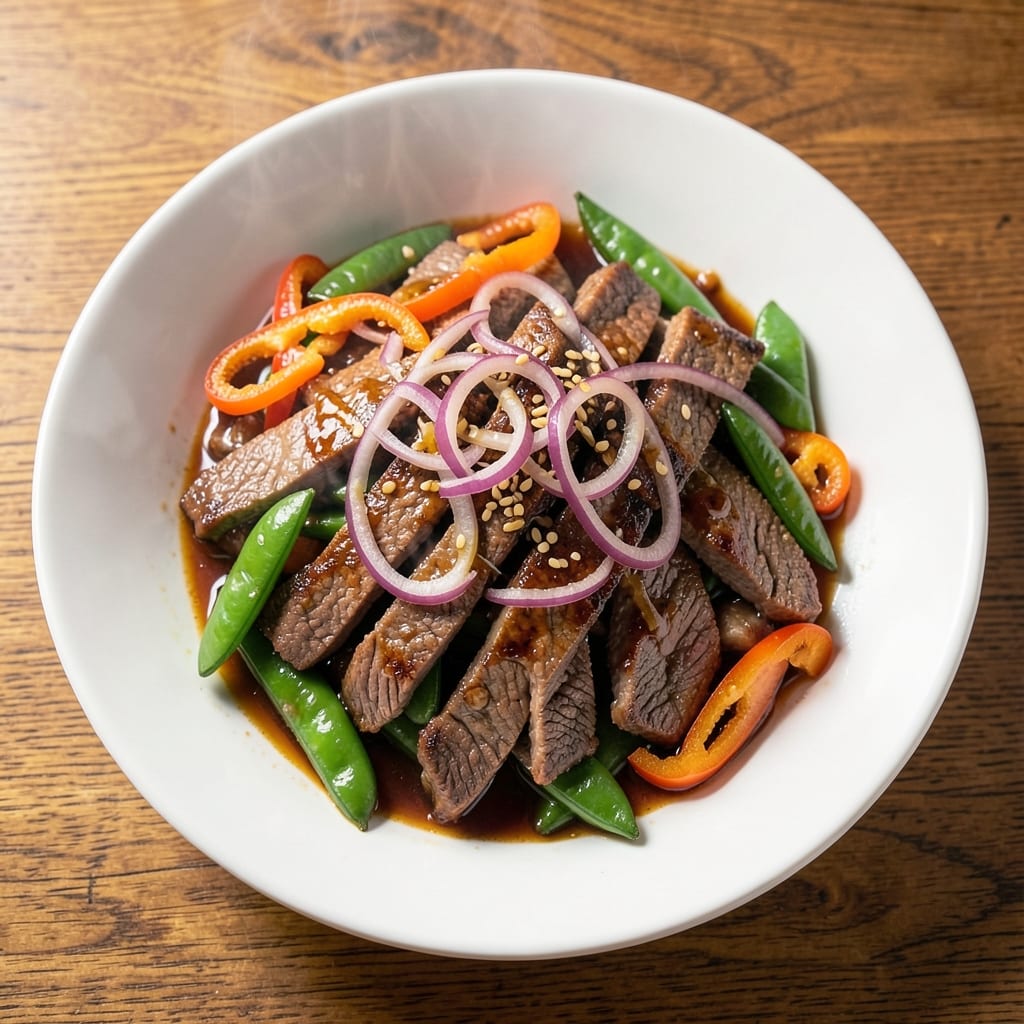
This American beef stir fry recipe delivers restaurant-quality wok-seared beef with crisp-tender vegetables in just 20 minutes. The secret lies in a quick umami-packed marinade that tenderizes the beef while building deep flavor, then a high-heat stir-fry that creates that coveted caramelized crust. I developed this recipe after years of testing different marinades and cooking techniques to achieve the perfect balance of tenderness and texture.
The foundation starts with thinly sliced beef that cooks quickly over high heat, preventing toughness while developing a flavorful crust. We use a simple yet powerful marinade of soy sauce, brown sugar, garlic, and ginger that infuses the beef with layers of savory and sweet notes. The vegetables—bell peppers, snap peas, and carrots—are stir-fried just until crisp-tender, preserving their vibrant colors and satisfying crunch.
What sets this recipe apart is the technique: cooking the beef in batches to maintain high heat, then combining everything in the wok for a final burst of smoky aroma. The result is perfectly seared beef with tender centers, bright vegetables that pop with every bite, and a sauce that's rich yet balanced. This is the kind of weeknight dinner that feels like a special occasion without the fuss.
Serve over steamed jasmine rice to soak up every last bit of the flavorful sauce, or pair with egg noodles for a heartier meal. The recipe scales easily for larger gatherings, and leftovers reheat beautifully. Let's get cooking!
Ingredients for american beef stir fry
Restaurant-quality beef stir fry starts with these 14 ingredients—simple yet powerful for umami-packed flavor.
| Ingredient | Amount | Notes |
|---|---|---|
| Flank Steak 🥩 | 1 ¼ lb | Thinly sliced against grain |
| Low-Sodium Soy Sauce 🥄 | ½ cup | For umami depth |
| Brown Sugar 🍯 | ¼ cup | Packed, light variety |
| Garlic Cloves 🧄 | 6 cloves | Minced for marinade |
| Fresh Ginger 🌿 | 2 tbsp | Grated, peeled |
| Sesame Oil 🫒 | 1 tbsp | Toasted for aroma |
| Red Bell Peppers 🌶️ | 1 whole | Thinly sliced |
| Snap Peas 🌱 | 1 cup | Fresh or frozen |
| Carrots 🥕 | 1 ½ cups | Julienned, medium |
| Green Onions 🧅 | ¼ cup | Sliced, white/light green |
| Vegetable Oil 🫒 | 2 tbsp | High smoke point |
| Cornstarch 🌾 | 1 tbsp | For thickening sauce |
| Diamond Crystal Kosher Salt 🧂 | ½ tsp | For seasoning |
| Black Pepper 🌶️ | ¼ tsp | Freshly cracked |
The flank steak is non-negotiable here—it's lean but tender when sliced thinly against the grain. Look for USDA Choice or Select at your local butcher shop, where they can cut it precisely for you. If you're buying pre-sliced from the grocery store, Costco or Whole Foods have excellent quality. For the soy sauce, Kikkoman or La Choy are reliable, but low-sodium is key to avoid overpowering the dish. The brown sugar should be light and packed—dark varieties can add unwanted bitterness. Fresh ginger and garlic make all the difference; Trader Joe's sells pre-grated ginger in jars, which saves time without sacrificing flavor.
No flank steak? Sirloin or ribeye work in a pinch, but slice them even thinner. Running short on snap peas? Green beans or broccoli florets hold up well to stir-frying. For the sauce, if you can't find low-sodium soy sauce, reduce regular soy sauce by half and add a splash of water. The cornstarch is essential for thickening—Bob's Red Mill is my go-to brand. Swapping sesame oil? Avocado oil at half the amount gives a neutral base. And if your carrots are large, julienne them yourself for even cooking; pre-shredded gets mushy.
Prep the marinade first—it needs at least 30 minutes to work its magic. Store it in an airtight container in the fridge for up to 2 days. The sliced vegetables can be prepped ahead and kept in the fridge for 1 day, but add the green onions fresh at the end. Leftovers reheat beautifully—just add a splash of water or soy sauce to prevent drying. This recipe scales perfectly for 6-8 servings; simply double the marinade and vegetables while keeping the beef proportionate. For a smoky twist, add 1/2 tsp smoked paprika to the marinade.
Why You'll Love This Recipe
- Here’s what sold me: that perfect push-pull of flavors. The brown sugar cuts through the umami of the soy sauce while the fresh ginger adds a bright, zesty kick—like a hug for your taste buds. And the garlic? Oh, it’s there, but it’s not overpowering. It’s the kind of dish where every bite feels intentional, not like you’re guessing at the seasoning.
- One-Pan Magic: I swear by this recipe for nights when I’d rather not scrub a million dishes. Sear the flank steak, toss in the stir-fry veggies (or whatever’s in your crisper), and let the soy-browned-sugar glaze do its thing—all in one pan. The garlic and ginger caramelize right into the meat, so you’re left with a sticky, savory mess that’s actually worth the cleanup.
- Sweet-Savory Balance: Here’s what sold me: that perfect push-pull of flavors. The brown sugar cuts through the umami of the soy sauce while the fresh ginger adds a bright, zesty kick—like a hug for your taste buds. And the garlic? Oh, it’s there, but it’s not overpowering. It’s the kind of dish where every bite feels intentional, not like you’re guessing at the seasoning.
- Lunchbox Hero: Between us, this is my go-to for meal prep. Slice the cooled steak thin, pack it with rice and steamed veggies, and you’ve got a lunch that’ll make your coworkers jealous. Honestly, I make a double batch on Sundays because it’s that reliable—no sad, soggy leftovers here. The flavors only get better the next day, if you can believe it.
Step-by-step instructions for wok-seared beef stir fry
This method delivers restaurant-quality texture and flavor in record time—no shortcuts, just precision.
Marinate the Flank Steak
Slice the 1.25 lb flank steak thinly against the grain for maximum tenderness. Place it in a bowl and combine with 0.5 cup low-sodium soy sauce, 0.25 cup packed brown sugar, 6 minced garlic cloves, 2 tbsp grated fresh ginger, and 0.5 tsp Diamond Crystal kosher salt. Mix gently to coat evenly, then let it marinate for at least 20 minutes—this ensures deep flavor penetration and prevents tough texture.
I like to press the marinade into the meat with my fingers, especially around the edges where it tends to dry out. Cover and refrigerate while you prep the vegetables. The longer it marinates (up to 2 hours), the more tender and flavorful the beef becomes.
Prep and Blanch the Vegetables
Slice the 1 whole red bell pepper into thin strips and julienne the 1.5 cups carrots into even matchsticks. Trim the ends from the 1 cup snap peas (if using frozen, no need to thaw). Bring a separate pot of water to a boil and blanch the vegetables for 1 minute—this softens them slightly while preserving their vibrant color and crunch. Immediately drain and plunge into ice water to stop cooking, then drain again.
This blanching step is crucial—it prevents the vegetables from turning mushy during the stir-fry. Keep them in a colander over the sink until ready to use. The 0.25 cup green onions should be sliced into 1-inch pieces and set aside for garnish.
Sear the Beef to Perfection
Heat 2 tablespoons vegetable oil in a wok or large skillet over high heat until shimmering. Remove the beef from the marinade (reserve the marinade) and pat it dry with paper towels—this ensures maximum searing. Work in batches if needed to avoid crowding the pan.
Cook the beef for 1-2 minutes per side until it develops a deep caramelized crust and reaches medium-rare (about 130°F internal temperature). Remove and set aside on a plate. The beef should be slightly charred around the edges but still juicy in the center—this is your target texture.
Build the Stir-Fry Sauce
Return the wok to high heat and add 1 tablespoon sesame oil. Pour in the reserved beef marinade and scrape up any browned bits from the bottom of the pan. Let it simmer for 2-3 minutes until it reduces by half and thickens slightly. In a small bowl, whisk together 1 tablespoon cornstarch with 2 tablespoons water to create a slurry.
Slowly pour the slurry into the wok while stirring constantly. The sauce should thicken immediately into a glossy, velvety consistency. If it's too thick, add 1-2 tablespoons hot water to reach your desired coating texture. This step transforms the marinade into a silky sauce that clings perfectly to the beef and vegetables.
Combine and Finish
Add the blanched vegetables to the wok and toss everything together for 2-3 minutes until the vegetables are heated through and the sauce coats them evenly. Return the beef to the pan and stir-fry for another 1 minute to reheat and blend the flavors. The dish should be vibrant, with bright vegetables and caramelized beef.
Taste and adjust seasoning with additional low-sodium soy sauce or black pepper if needed. Garnish with the sliced green onions and serve immediately over steamed rice or noodles. The contrast of hot wok-seared beef with cool rice creates the perfect balance of textures and temperatures.
Pro Tips For Making American Beef Stir Fry
- Slice Steak Against the Grain: Flank steak’s tough fibers run diagonally—cutting against them (at a 45-degree angle) shortens them, making each bite tender. Use a sharp knife and don’t rush; I learned this the hard way when my first batch felt like chewing shoe leather.
- Marinate Steak for 20 Minutes: Skip the overnight soak—this isn’t tough beef. Toss flank steak with soy sauce, brown sugar, minced garlic, and ginger for just 20 minutes before cooking. The sugar caramelizes faster, and the meat stays juicy instead of drying out.
- Don’t Overcrowd the Pan: I used to dump everything in at once, and the stir-fry turned into a sad, steamed mess. Cook the steak in a single layer first, then push it aside and add veggies (if using) so they get crisp edges without steaming.
- Deglaze with Soy-Ginger Mixture: After searing the steak, don’t just add water—pour in the leftover marinade (soy, brown sugar, garlic, ginger) and scrape up those browned bits. That’s where the flavor lives, and it cuts the work in half by doubling as both sauce and deglazer.
Flavor customization for this recipe
Spice Level Control
Adjust the heat to your preference by adding 1-2 teaspoons of chili flakes or ½ teaspoon of gochujang to the marinade. For a smoky kick, swap ½ teaspoon smoked paprika for the regular paprika. I love adding ½ teaspoon of sriracha to the sauce at the end for a subtle tangy heat that brightens the whole dish. 🌶️
Sweet and Tangy Twist
Boost the sweetness with 1 tablespoon of honey or 1 teaspoon of hoisin sauce in the marinade for a caramelized depth. For tanginess, add 1 teaspoon of rice vinegar or ½ teaspoon of lime zest to the sauce. I often finish with a squeeze of fresh lime juice before serving—it cuts through the richness beautifully.
Herb Infusions
Swap the green onions for cilantro or basil in the garnish for a fresh, bright finish. Add 1 tablespoon of chopped cilantro or 1 teaspoon of dried thyme to the marinade for an earthy aroma. For a Mediterranean twist, toss in 1 teaspoon of dried oregano and ½ teaspoon of red pepper flakes when building the sauce.
Umami Boosters
Enhance the savory depth with 1 tablespoon of fish sauce or ½ teaspoon of MSG in the marinade. For a richer sauce, stir in 1 tablespoon of oyster sauce or ½ teaspoon of miso paste when thickening. I also love adding 1 teaspoon of grated onion to the marinade to build even more complexity.
Texture Variations
Add crunch with ½ cup of toasted cashews or peanuts at the end, or swap the snap peas for water chestnuts for a firmer bite. For extra tenderness, toss in ½ cup of baby corn or mushrooms with the vegetables. I sometimes add ¼ cup of bean sprouts for a light, fresh contrast to the rich beef.
Regional Flavors
For a Tex-Mex vibe, add ½ teaspoon of cumin and ½ teaspoon of coriander to the marinade, then top with crumbled cotija cheese. A Cajun twist? Mix ½ teaspoon of cayenne and ½ teaspoon of thyme into the sauce, then garnish with pickled jalapeños. For a Korean-inspired version, swap the soy sauce for gochujang and add 1 teaspoon of sesame seeds to the garnish.
Nutrition facts
Frequently asked questions
Can I use a different cut of beef for this stir fry?
Yes! While flank steak is ideal, sirloin or ribeye work well too. Just slice them thinner than usual (about ⅛-inch thick) and marinate for at least 30 minutes to prevent toughness. Avoid tougher cuts like chuck—they won't tenderize properly in the short cooking time.
Why do the vegetables need to be blanched?
Blanching softens the vegetables slightly so they cook evenly without turning mushy during the stir-fry. The 1-minute boil followed by ice water shock preserves their color and crunch. Skip this step only if using very fresh, tender veggies like zucchini or green beans, but they'll cook faster and may overcook.
What's the best way to reheat leftovers?
Reheat gently in a skillet over medium heat with 1 tablespoon of water or soy sauce to prevent drying. Avoid microwaving—it makes the beef rubbery. For extra flavor, add a splash of sesame oil when reheating. Leftovers keep well for 3-4 days in the fridge.
Can I make this gluten-free?
Replace the soy sauce with tamari or coconut aminos (use the same amount). Check your cornstarch is certified gluten-free too. The marinade and sauce will still develop rich umami flavors without gluten. Just taste and adjust seasoning—some gluten-free substitutes are saltier.
How do I know when the beef is cooked to perfection?
Use a meat thermometer for accuracy—130°F for medium-rare (ideal for stir-fry). The edges should be caramelized while the center remains slightly pink and juicy. For thicker slices, aim for 135°F to ensure safety. Never overcook—beef continues cooking after removing from heat!