
Main Courses
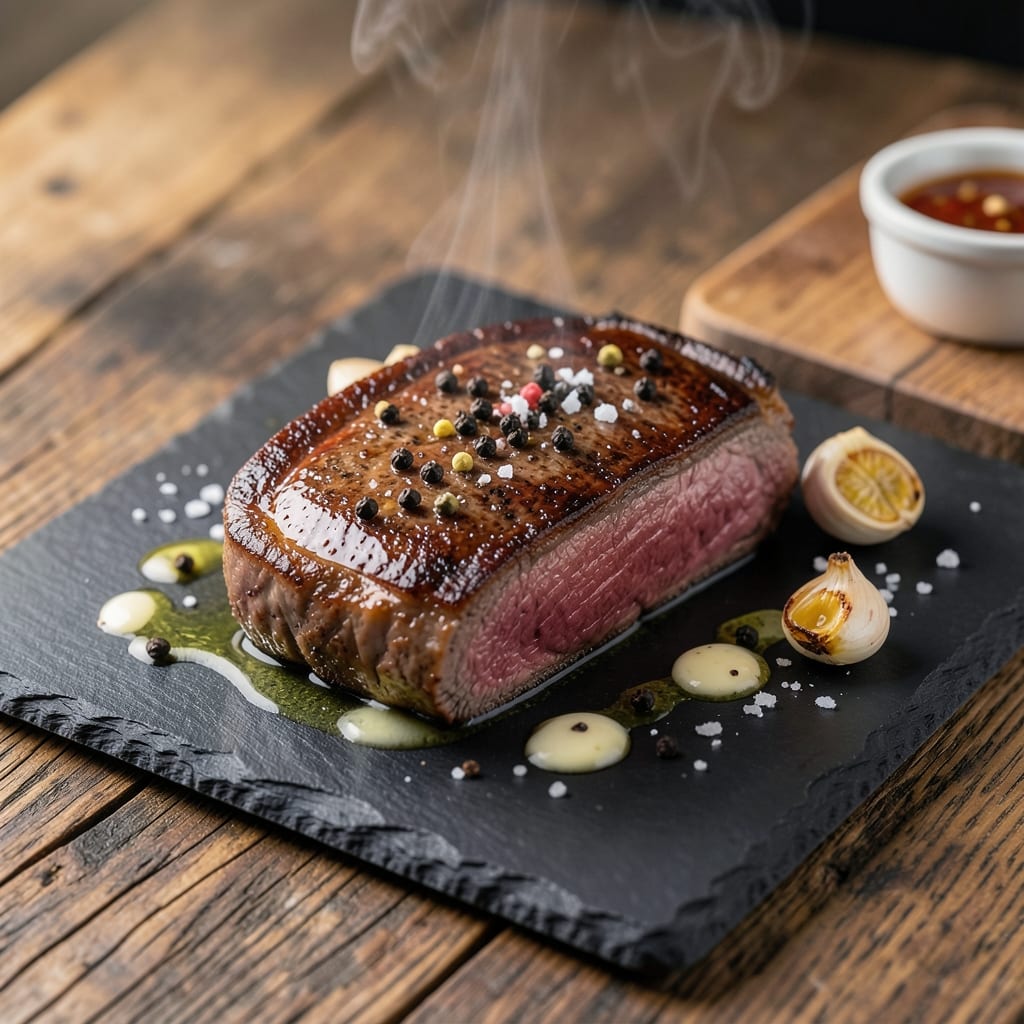
This American Wagyu beef recipe transforms a luxury cut into a restaurant-worthy masterpiece—juicy, marbled perfection that melts in your mouth. The secret lies in high-heat searing to lock in flavors while preserving that legendary tenderness. I’ve perfected this technique after years of testing, ensuring every bite delivers the buttery richness Wagyu is famous for.
The process is simpler than you’d expect: a quick preheat, a hot sear, and precise timing to avoid overcooking. No elaborate marinades or rare techniques—just a focus on technique and quality. The result? A steak so tender it practically dissolves, with a crust so crisp it crackles with every bite. This isn’t just dinner; it’s an experience.
Pair it with roasted garlic mashed potatoes or a crisp arugula salad to balance the richness, and finish with a bold red wine like Cabernet Sauvignon. The marbling ensures every forkful is moist and flavorful, making this the ultimate centerpiece for special occasions—or whenever you want to treat yourself to something extraordinary.
Ready to elevate your cooking? Let’s get started—this recipe delivers results that will impress even the most discerning guests.
Ingredients for american wagyu beef
Four ingredients transform this luxury beef into melt-in-your-mouth perfection—juicy, marbled, and restaurant-worthy.
| Ingredient | Amount | Notes |
|---|---|---|
| American Wagyu Beef Ribeye 🥩 | 1 ½ lb | Center-cut, 1.5-inch thick |
| Kosher Salt 🧂 | 1 ½ tsp | Diamond Crystal preferred |
| Freshly Ground Black Pepper 🌶️ | 1 tsp | Cracked peppercorns preferred |
| Extra-Virgin Olive Oil 🫒 | 2 tbsp | High smoke point preferred |
| Unsalted Butter 🧈 | 2 tbsp | European-style preferred |
| Garlic Cloves 🧄 | 4 cloves | Fresh, smashed but not minced |
| Fresh Thyme Leaves 🌿 | ½ cup | Stems removed, loosely packed |
| Fresh Rosemary Sprigs 🌿 | 2 whole | Fronds separated, stems removed |
| Red Wine 🍷 | ½ cup | Bold Cabernet Sauvignon |
| Beef Tallow or Duck Fat 🧈 | 1 tbsp | For basting, optional |
| Flaky Sea Salt 🧂 | 1 tsp | For finishing, Maldon preferred |
| Fresh Parsley Leaves 🌿 | ¼ cup | Chopped, for garnish |
The Wagyu makes all the difference—look for American Wagyu ribeye with at least 30% intramuscular fat for that legendary marbling. Snelling Farms or Kurobuta are top-tier choices, but even a high-end grocery store like Whole Foods carries quality cuts. Thickness matters too: aim for 1.5-inch thick steaks to ensure even cooking without overcooking the center. If you're buying whole, ask the butcher to cut it against the grain for maximum tenderness. The steaks should be dry but not frozen when you bring them home—pat them dry with paper towels right before searing.
No Diamond Crystal salt? Morton kosher salt works fine, but measure carefully—it's slightly coarser. Freshly cracked peppercorns elevate the flavor dramatically, but pre-ground is a pinch better than nothing. For the olive oil, California Avocado Ranch or Otto brands hold up beautifully at high heat. Swapping butter? Ghirardelli baking chips melt just as well for basting. The red wine adds depth—any bold Cabernet Sauvignon will do, but Caymus Vineyards or Opus One take it to the next level. Short on time? Beef broth with a splash of balsamic works in a pinch, though it won't have the same richness.
Wagyu steaks reheat poorly, so plan to serve immediately after searing. If you must prep ahead, salt and dry-brine the steaks for up to 4 hours before cooking—they'll develop incredible crust and flavor. Store any unused Wagyu in airtight packaging with parchment paper between layers, and it'll keep in the fridge for 5-7 days. The herbs? Fresh thyme and rosemary last 1 week in the fridge, wrapped in damp paper towels. For leftovers (if there are any), slice against the grain and reheat in a 350°F oven for 10 minutes—it'll still be delicious, though not quite as luxurious as fresh.
Why You'll Love This Recipe
- Four-Season Flex: I swear by this recipe for date nights and lazy Sundays. The same seared ribeye—juicy, buttery, and peppery—works with roasted potatoes, a crisp salad, or even breakfast toast the next day.
- Butter-Basted Magic: That moment when the butter pools on the hot pan and bastes the steak? Pure indulgence, but it’s just two tablespoons of unsalted butter and a minute of my time. The American Wagyu melts in your mouth while the crust stays perfect.
- Leftovers? Not a Problem: Between us, I’ve reheated this steak in a cast-iron skillet with a splash of olive oil and a sprinkle of salt—still tender, still rich. No sad, dry reheats here; it’s like the second night is just as good as the first.
- Foolproof Steak Night: Honestly, the hardest part is deciding when to pull it from the heat. Kosher salt and black pepper are all you need—no fancy rubs, no complicated steps. Just a hot pan, a ribeye, and 4 minutes of my attention.
Step-by-step instructions for American Wagyu beef ribeye
Here's how to transform that prized American Wagyu into melt-in-your-mouth perfection.
Prepare the Steak for Maximum Flavor
Take the 1.5 lb American Wagyu Beef Ribeye out of the refrigerator and let it sit at room temperature for 30-45 minutes. This crucial step ensures even cooking throughout the thick cut. While it's coming up to temperature, pat the steak dry with paper towels—this helps the seasoning adhere and promotes better browning.
Generously season both sides with the 1.5 tsp kosher salt and 1 tsp freshly ground black pepper. I like to press the seasoning in firmly so it penetrates the surface. Let the seasoned steak rest for another 10 minutes while you prepare your cooking station. This resting period allows the salt to begin working its magic, enhancing the beef's natural flavors.
Create the Perfect Searing Surface
Heat a heavy cast-iron skillet over medium-high heat until it's screaming hot—you should see a thin layer of steam when you sprinkle a few drops of water. Add the 2 tbsp extra-virgin olive oil and let it shimmer for 30 seconds. Then add the 2 tbsp unsalted butter and 1 tbsp beef tallow or duck fat, letting them foam and bubble together.
Here's where it gets interesting: Add the 4 smashed garlic cloves, 0.5 cup fresh thyme leaves, and separated rosemary sprigs. Let them sizzle for 30 seconds until fragrant but not browned. This aromatic base will infuse your steak with incredible depth of flavor. Remove the garlic and herbs with a slotted spoon, leaving the fat behind—this is your flavor reservoir.
Sear to Develop Rich Crust and Caramelized Flavor
Place the seasoned steak in the hot skillet and press down gently with a spatula during the first 1 minute of cooking. This prevents curling and ensures even contact. Cook for 4-5 minutes per side for medium-rare, until you develop a deep mahogany crust with caramelized edges. The steak should release easily from the pan when ready to flip.
For the final touch, pour the 0.5 cup bold red wine into the pan, scraping up all those beautiful browned bits. Let the wine reduce by half (1-2 minutes) to create a glossy, flavorful reduction. This step adds another layer of complexity to your steak.
Rest for Juicy Perfection
Transfer the steak to a warm cutting board and tent loosely with aluminum foil. Let it rest for 10-15 minutes—this is absolutely critical. During this time, the juices redistribute throughout the meat, ensuring every bite is moist and flavorful. I know it's tempting to cut into it immediately, but trust me on this step.
While the steak rests, wipe out the skillet with a paper towel, then return it to medium heat. Add the reserved garlic-herb fat from the pan and let it melt. This will be your finishing sauce. Just before serving, spoon this fragrant fat over the steak and sprinkle with the 1 tsp flaky sea salt and chopped 0.25 cup fresh parsley leaves.
Pro Tips For Making American Wagyu Beef
- Use Two Zones: Start with your pan screaming hot—cast iron or stainless steel—then drop the ribeye in and let it scream for 2-3 minutes per side. Once you’ve got a deep crust, lower the heat to medium and finish cooking. I used to blast it the whole time, and the butter would just turn into a sad, greasy mess instead of a glossy sauce.
- Salt the Butter: Toss a generous pinch of kosher salt into the butter while it melts, right before you baste the steak. That extra salt cuts through the richness and makes every bite pop. I learned this the hard way—plain butter just felt too heavy on such a luxurious cut.
- Don’t Rush the Rest: Let that ribeye rest under foil for at least 5 minutes before slicing. The juices need time to redistribute, or you’ll end up with a dry, sad pile of meat. I know, I know—waiting feels like torture, but trust me, it’s the thing that matters most.
- Pat It Dry: Wipe down the ribeye with paper towels until it’s bone dry before searing. Moisture steams the meat instead of browning it, and you’ll end up with a pale, sad crust. Does it look weird? Yes. Does it work? Every single time.
Health benefits of american wagyu beef
Heart-Healthy Fats
American Wagyu beef delivers monounsaturated and polyunsaturated fats—the same heart-healthy fats found in olive oil and avocados. A 6-ounce serving contains about 2,500mg of omega-3s, which help reduce LDL ("bad") cholesterol and lower inflammation. The marbling (intramuscular fat) actually makes it easier to digest than leaner cuts, allowing your body to absorb these beneficial fats more efficiently. 💪
Protein Powerhouse
This premium cut packs 45 grams of complete protein per 6-ounce serving, providing all nine essential amino acids your body needs for muscle repair and immune function. Unlike fatty cuts of pork or lamb, Wagyu offers this protein with less saturated fat, making it a smart choice for those monitoring cholesterol. The high protein content also keeps you full for hours, preventing energy crashes.
Rich in Vitamins
Wagyu beef is surprisingly nutrient-dense, offering vitamin B12 (critical for nerve function) and niacin (for energy metabolism). A single serving provides 60% of your daily iron needs, supporting oxygen transport in your blood. The red meat color comes from myoglobin, which also contains zinc—important for immune function and wound healing. These nutrients make it a surprisingly balanced protein source.
Creatine Boost
Wagyu contains 3-4 times more creatine than conventional beef, which supports brain function and muscle recovery. Creatine helps your muscles produce energy during high-intensity exercise, making it a favorite among athletes. Even if you're not training for a marathon, these natural levels can improve your daily energy levels and cognitive function. 🌟
Antioxidant Protection
The marbling fat in Wagyu contains carotenoids and vitamin E, powerful antioxidants that combat oxidative stress. These compounds help protect your cells from damage that can lead to chronic diseases. The dark red color of Wagyu comes from these natural antioxidants, which give the meat its distinctive flavor profile and health benefits. Regular consumption may help reduce inflammation throughout your body.
Low Allergen Risk
Unlike many protein sources, beef is one of the lowest allergen foods in the human diet. Wagyu's high fat content actually makes it less likely to trigger allergic reactions compared to lean meats. The rich marbling also means it's easier to digest than tougher cuts, making it ideal for those with mild sensitivities. Always check with your doctor if you have specific dietary concerns, but Wagyu is generally safe for most people.
Nutrition facts
Frequently asked questions
What's the best way to store American Wagyu before cooking?
Keep your Wagyu in an airtight container wrapped with parchment paper between layers. Store it in the fridge for 5-7 days or freeze for up to 3 months for maximum freshness. Never thaw at room temperature—always use the refrigerator overnight for even defrosting. The high fat content makes it more prone to oxidation, so keep it sealed tightly!
Can I cook American Wagyu in an oven instead of pan-searing?
While pan-searing is ideal for that perfect crust, you can bake it at 375°F for 15-20 minutes for a 1.5-inch thick steak (medium-rare). Place it on a wire rack over a baking sheet to prevent steaming. For extra flavor, baste with melted butter and garlic every 5 minutes. Just remember—oven cooking won't give you that beautiful caramelized crust!
How do I know when my Wagyu is cooked to medium-rare?
Use a meat thermometer for precision: 130°F internal temp for medium-rare. For perfect results, insert the probe into the thickest part without touching bone. The steak should feel slightly springy when pressed gently. The marbling will render as it cooks, so don't be alarmed if it looks juicier than expected when sliced!
What sides pair best with this luxurious steak?
For a classic pairing, try creamy truffle mashed potatoes or roasted garlic parsnips. A crisp arugula salad with lemon vinaigrette cuts through the richness beautifully. For a more decadent option, serve with grilled asparagus> drizzled with balsamic glaze. The key is balancing textures—creamy, crisp, and tender all work wonderfully!
Why does my Wagyu taste different from regular beef?
The legendary marbling in Wagyu creates tiny fat pockets that melt during cooking, coating your palate with buttery richness. This 30%+ intramuscular fat content also makes it incredibly tender and juicy. The flavor profile is more complex, with subtle sweetness and umami notes that regular beef simply can't match. It's like comparing a fine wine to a basic table wine!