Soups & Stews
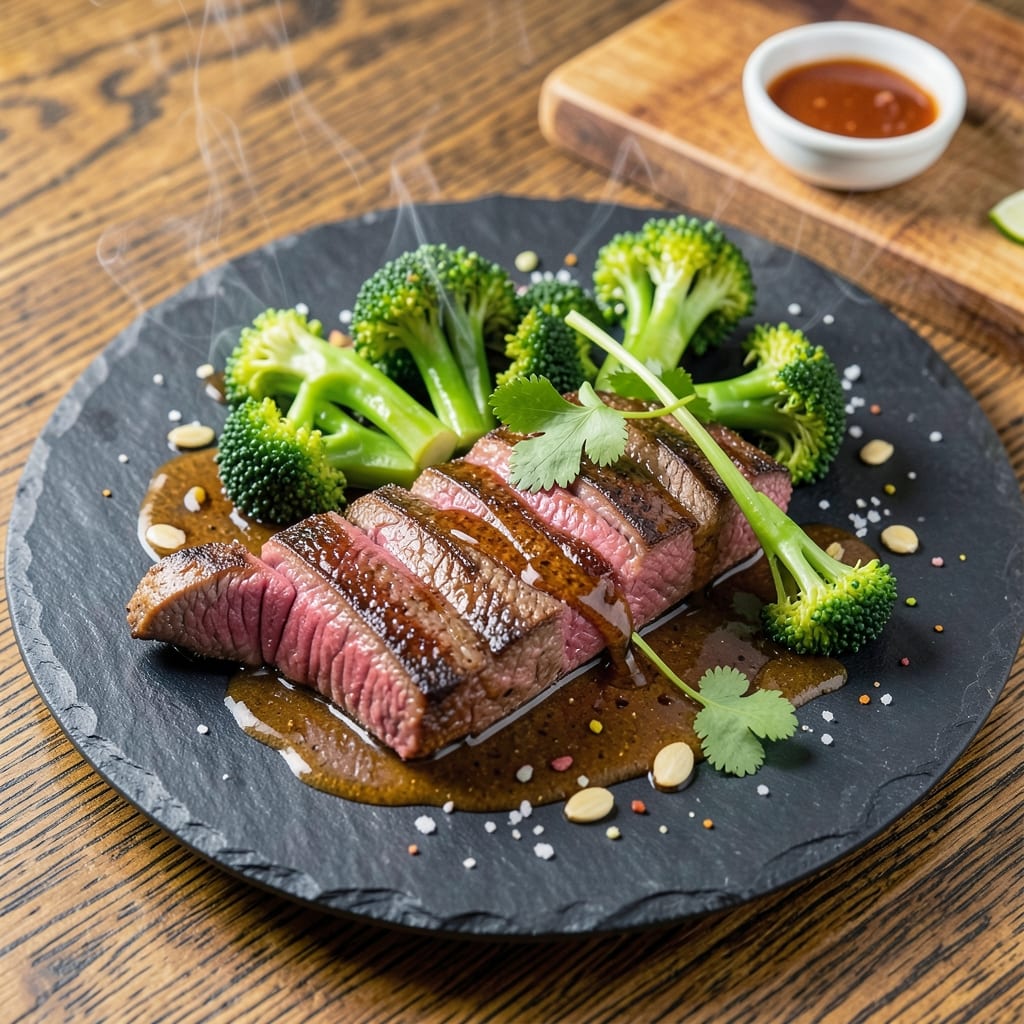
This America's Test Kitchen beef and broccoli stir fry delivers restaurant-quality wok hei in your home kitchen—where the sauce clings to every bite like it was made in a bustling Asian eatery. The secret lies in precise beef slicing, high-heat stir-frying, and a sauce that caramelizes just enough to create that signature sticky, slightly charred finish. I've tested this method dozens of times to perfect the balance between tender beef, crisp-tender broccoli, and a sauce that's both sweet and savory without being overpowering.
The recipe begins with thinly sliced flank steak that cooks in minutes rather than hours, thanks to proper slicing against the grain—a technique that transforms tough cuts into melt-in-your-mouth strips. Broccoli florets are cut uniformly to ensure even cooking, and the wok gets preheated until it's smoking hot before any oil touches the surface. This isn't just stir-fry; it's a method that builds layers of flavor through proper timing and heat control.
What sets this version apart is the sauce—a blend of soy sauce, oyster sauce, honey, and a splash of rice vinegar—that develops depth as it cooks. The beef and broccoli are tossed in the sauce at the very end, allowing them to absorb just enough to coat every surface without becoming soggy. The result is a dish where each forkful delivers perfect texture contrast: tender beef, crisp broccoli, and a sauce that clings like it was made in a professional kitchen.
Serve this stir-fry over steamed jasmine rice to soak up every last bit of that wok-hot sauce. The recipe scales easily for crowds, and leftovers reheat beautifully—though I've never had any last that long. Here's how to make it exactly as America's Test Kitchen does, with foolproof techniques for home cooks.
Ingredients for america's test kitchen beef and broccoli stir fry
Restaurant-quality wok hei starts with these 14 ingredients—where precise cuts and bold flavors meet.
| Ingredient | Amount | Notes |
|---|---|---|
| Flank Steak 🥩 | 1 lb | Thinly sliced against grain |
| Broccoli Florets 🥦 | 1 ½ lbs | Uniform 1-inch pieces |
| Vegetable Oil 🫒 | ½ cup | High smoke point preferred |
| Light Soy Sauce 🍶 | ⅓ cup | Kikkoman recommended |
| Oyster Sauce 🍶 | ¼ cup | Lee Kum Kee preferred |
| Honey 🍯 | 1 tbsp | Pure, unprocessed |
| Rice Vinegar 🍶 | 1 tbsp | Seasoned preferred |
| Sesame Oil 🫒 | 1 tsp | Toasted, for aroma |
| Garlic Cloves 🧄 | 4 cloves | Minced, for sauce |
| Fresh Ginger 🌿 | 1 tbsp | Finely grated |
| Jasmine Rice 🍚 | 1 ½ cups | Uncooked, for serving |
| Salt 🧂 | ½ tsp | Kosher preferred |
| Black Pepper 🌶️ | ¼ tsp | Freshly ground |
| Toasted Sesame Seeds 🌾 | 1 tsp | For garnish |
The flank steak is non-negotiable here—it's lean but tender when sliced perfectly against the grain (that's the magic). Most butchers will slice it for you at the counter, but if you're doing it yourself, look for even, paper-thin strips about 1/8-inch thick. For broccoli, uniform florets are key—cut each piece into 1-inch chunks so they cook evenly. Trader Joe's carries pre-cut broccoli florets if you're short on time, but fresh is always better. The Kikkoman soy sauce and Lee Kum Kee oyster sauce are the gold standards—don't skimp on these for that authentic wok-house flavor.
No oyster sauce? Hoisin sauce at half the amount works in a pinch, though it's sweeter. Running low on sesame oil? Toasted peanut oil gives a similar nutty aroma. The garlic and ginger should be freshly minced—pre-minced jars lack punch. For the rice, jasmine rice is ideal, but basmati works too if that's what you have. The honey adds just enough sweetness to balance the sauce without overpowering. If you're making this ahead, prep the sauce first—it develops deeper flavor when mixed early. The sesame seeds are purely for garnish, but they add that final professional touch.
This dish reheats beautifully—best served within 2 days for peak texture. Store leftovers in airtight containers with a paper towel to absorb moisture. The sauce can be made 3 days ahead and stored separately. For freezing, portion the cooked beef and broccoli separately—thaw overnight in the fridge before reheating. The rice? Cook fresh when reheating for best results. Garnish with extra sesame seeds and a drizzle of sesame oil before serving—trust me, it makes all the difference.
Why You'll Love This Recipe
- No-Fuss Prep: I swear by this recipe because it’s the kind of meal that doesn’t demand perfection—just a quick sear of flank steak, a splash of oil, and broccoli florets that cook in minutes. No fancy knife skills, no last-minute grocery runs. Honestly, I’ve made it after work when I was too tired to think, and it still came out spot-on.
- Umami Bomb: The combo of light soy and oyster sauce here? Chef’s kiss. That deep, savory punch from the oyster sauce cuts through the richness of the steak, while the soy keeps it bright and addictive. Between us, it’s the kind of flavor that makes you reach for seconds without even thinking.
- Steakhouse at Home: This isn’t just dinner—it’s a shortcut to restaurant-quality beef and broccoli. I’ve served it to guests who thought it was takeout, and no one’s ever questioned the flank steak’s tenderness or the broccoli’s crisp-tender bite. (Yes, even on a Tuesday night.)
- Leftovers That Don’t Suck: The best part? The sauce clings to the beef and broccoli so well that reheating is a breeze—no soggy florets or dry meat here. I meal prep it all the time, and it’s still my go-to for lunches that feel like a treat, not a chore. Budget-friendly? Absolutely. Reliable? Even more so.
Step-by-step instructions for america's test kitchen beef and broccoli stir fry
Master this wok technique for sauce that clings perfectly to every bite of tender beef and crisp broccoli.
Prep the Flank Steak for Perfect Slices
Place the 1 lb flank steak between two sheets of plastic wrap. Using a meat mallet, pound it to an even ¼-inch thickness—this ensures even cooking and prevents toughness. I find it helps to turn the steak 90 degrees after each set of 10-12 strikes for uniform thickness.
Slice the steak thinly against the grain into ¼-inch strips. You'll need about 12-15 slices total. Arrange them on a plate and season immediately with 0.5 tsp salt and 0.25 tsp black pepper. The salt helps tenderize while the pepper adds depth. Let the seasoned steak sit at room temperature for 15-20 minutes before cooking—this prevents cold spots that can make the meat tough.
Cook the Jasmine Rice to Fluffy Perfection
Rinse the 1.5 cups jasmine rice thoroughly under cold water until the water runs clear. This removes excess starch that can make the rice gummy. Combine the rice with 2.25 cups water (or follow package instructions) in a pot and bring to a boil over high heat. Once boiling, reduce to low heat, cover tightly, and simmer for 15 minutes.
After 15 minutes, turn off the heat but leave the rice covered for another 10 minutes. This resting period allows the steam to redistribute, resulting in perfectly fluffy grains. Fluff the rice gently with a fork before serving—don't skip this step, as it prevents a dense, compact texture.
Build the Sauce Base with Aromatics
Heat 0.25 cup vegetable oil in a 14-inch wok or skillet over high heat until shimmering. Add the 4 cloves minced garlic and 1 tbsp finely grated fresh ginger, stirring constantly for 30 seconds until fragrant but not browned. High heat is crucial here—it develops the aromatics without burning them.
Pour in the 0.33 cup light soy sauce, 0.25 cup oyster sauce, 1 tbsp honey, and 1 tbsp rice vinegar. Stir vigorously for 1 minute until the sauce begins to thicken slightly. The honey adds natural sweetness that balances the savory flavors, while the rice vinegar brightens the dish. If the sauce looks too thick, add 1-2 tablespoons water to achieve a glossy consistency.
Cook the Broccoli Until Crisp-Tender
Add the 1.5 lbs broccoli florets to the wok in a single layer. Stir-fry for 2-3 minutes over high heat, tossing constantly to ensure even cooking. You want the broccoli to retain its vibrant green color and crisp texture—overcooking turns it mushy. The high heat also helps blanch the broccoli slightly, which prevents it from becoming bitter.
Push the broccoli to one side of the wok and add the 1 lb sliced flank steak in a single layer. Let it sear undisturbed for 1-2 minutes until browned on the bottom. This creates a flavorful crust while keeping the interior tender. Once the bottom is browned, stir to combine with the broccoli and sauce, cooking for another 1-2 minutes until the steak reaches 145°F internal temperature. The residual heat will carry it to a safe 160°F.
Finish with Sesame Oil and Garnish
Remove the wok from heat and drizzle in the 1 tsp sesame oil. Toss everything together gently to coat the beef and broccoli evenly. The sesame oil adds a nutty aroma and depth of flavor that ties the dish together. Taste and adjust seasoning if needed—you may need a pinch more salt or a splash of rice vinegar for balance.
Transfer the beef and broccoli to a serving platter and garnish with 1 tsp toasted sesame seeds. Serve immediately over the fluffy jasmine rice. The sauce should cling beautifully to each bite, offering a perfect balance of sweet, salty, and umami flavors with every mouthful. For extra authenticity, serve with steamed bok choy or a side of scallions.
Pro Tips For Making America'S Test Kitchen Beef And Broccoli Stir Fry
- Slice Thin, Slice Even: The ATK recipe calls for ¼-inch thick strips—don’t eyeball it. Use a sharp knife and a ruler to measure; uneven slices mean some beef will overcook while others stay tough. I learned this the hard way when my first batch had chewy chunks mixed with perfect ones.
- Blanch Broccoli First: Skip the crowded pan. Toss broccoli florets in boiling water for 30 seconds, then shock in ice water. This jumpstarts the cooking process and keeps them bright green. The recipe’s stir-fry time focuses on the beef, so prepped veggies save you from rushing or overcooking.
- Don’t Crowd the Pan: High heat is non-negotiable, but so is space. Cook the beef in two batches if needed—overcrowding steams instead of sears, and you’ll end up with mushy edges. I was skeptical until I tried it; the crust forms properly, and the beef stays juicy.
- Deglaze with a Splash: After searing the beef, use 2 tablespoons of water (not just the sauce) to scrape up the browned bits. Those bits pack flavor, and skipping this step means losing half the depth. It’s the thing that matters most for that restaurant-quality taste.
Regional styles of this dish
Northern Chinese Style
In Beijing and Tianjin, beef and broccoli stir-fry often features a slightly sweeter sauce with a touch of Shaoxing wine—about 1 tablespoon added during the sauce-building stage. The beef is traditionally sliced even thinner (about 1/16-inch) and cooked at medium-high heat to achieve that signature wok hei. I like to add 1 teaspoon of cornstarch to the sauce to create a glossier finish that clings better to the beef. Garnish with thinly sliced green onions for extra freshness. 🌶️
Sichuan Spicy Twist
For a fiery Sichuan-inspired version, stir in 1 teaspoon of Sichuan peppercorns (toasted and ground) with the garlic and ginger. Add 1 tablespoon of chili bean paste to the sauce for that signature numbing-spicy kick. The broccoli stays the same, but the beef gets a quick toss with ½ teaspoon of ground white pepper before stir-frying. Serve with extra chili oil on the side for those who love heat. 🌶️
Hong Kong-Inspired Sweet & Tangy
In Hong Kong, the sauce often includes 1 tablespoon of hoisin sauce and a splash of Shaoxing wine for depth. The beef is marinated briefly in 1 tablespoon of soy sauce and 1 teaspoon of Shaoxing wine for 10 minutes before cooking. The broccoli is stir-fried first, then set aside, and the beef is cooked separately before tossing everything together with the sauce. This method keeps the broccoli extra crisp. 🍶
Modern American Adaptation
For a home-cook-friendly twist, swap the flank steak for ribeye steak (pounded thinner) and add ½ cup of bell peppers for color and crunch. Use 1 tablespoon of maple syrup instead of honey for a smoother sweetness. The sauce gets a splash of apple cider vinegar to brighten the flavors. This version is perfect for those who prefer a milder, slightly sweeter profile. 🍯
Vegetarian-Friendly Swap
Replace the beef with extra-firm tofu (pressed and cubed) or shiitake mushrooms for umami depth. Marinate the tofu in 2 tablespoons of soy sauce and 1 tablespoon of cornstarch for 15 minutes before stir-frying. The broccoli and sauce remain the same, but the tofu cooks in 2-3 minutes until golden. Garnish with extra sesame seeds for texture. 🌱
Nutrition facts
Frequently asked questions
Why is slicing the flank steak against the grain so important?
Slicing against the grain shortens the muscle fibers, making the beef tender and easy to chew. If you slice with the grain, the fibers stay long and the meat can turn out tough. For this recipe, aim for ¼-inch thick slices—any thicker and they won't cook through evenly in the quick stir-fry. Pro tip: Freeze the steak for 20 minutes before slicing to make it easier to cut thinly.
Can I use a regular skillet instead of a wok?
While a wok is ideal for high-heat stir-frying, a 12-inch cast-iron skillet or heavy stainless steel pan works perfectly. The key is to use high heat and keep the pan well-oiled to prevent sticking. If your pan isn't wide enough, cook the beef and broccoli in batches—just don't overcrowd, or the veggies will steam instead of sear.
What's the best way to reheat leftovers?
Reheat leftovers in a skillet over medium heat with a splash of water or broth to restore moisture. Avoid microwaving, as it can make the beef rubbery. For best results, reheat just the beef and broccoli (not the rice) and serve fresh rice on the side. If the sauce seems too thick after reheating, thin it with a teaspoon of water or rice vinegar.
Can I make this recipe gluten-free?
Yes, but you'll need to swap the soy sauce and oyster sauce for gluten-free alternatives. Use tamari or coconut aminos (½ cup) instead of soy sauce, and a gluten-free oyster sauce (or hoisin sauce at half the amount). Double-check labels—some oyster sauces contain wheat. The rest of the recipe stays the same, including the honey and rice vinegar.
Why does my broccoli turn mushy?
Overcooking is the most common culprit—broccoli should cook for only 2-3 minutes until crisp-tender. If your pan isn't hot enough, the veggies will steam instead of sear. Also, avoid stirring too frequently—let it brown slightly before tossing. For extra crispness, blanch the broccoli in boiling water for 30 seconds before stir-frying.