
Main Courses
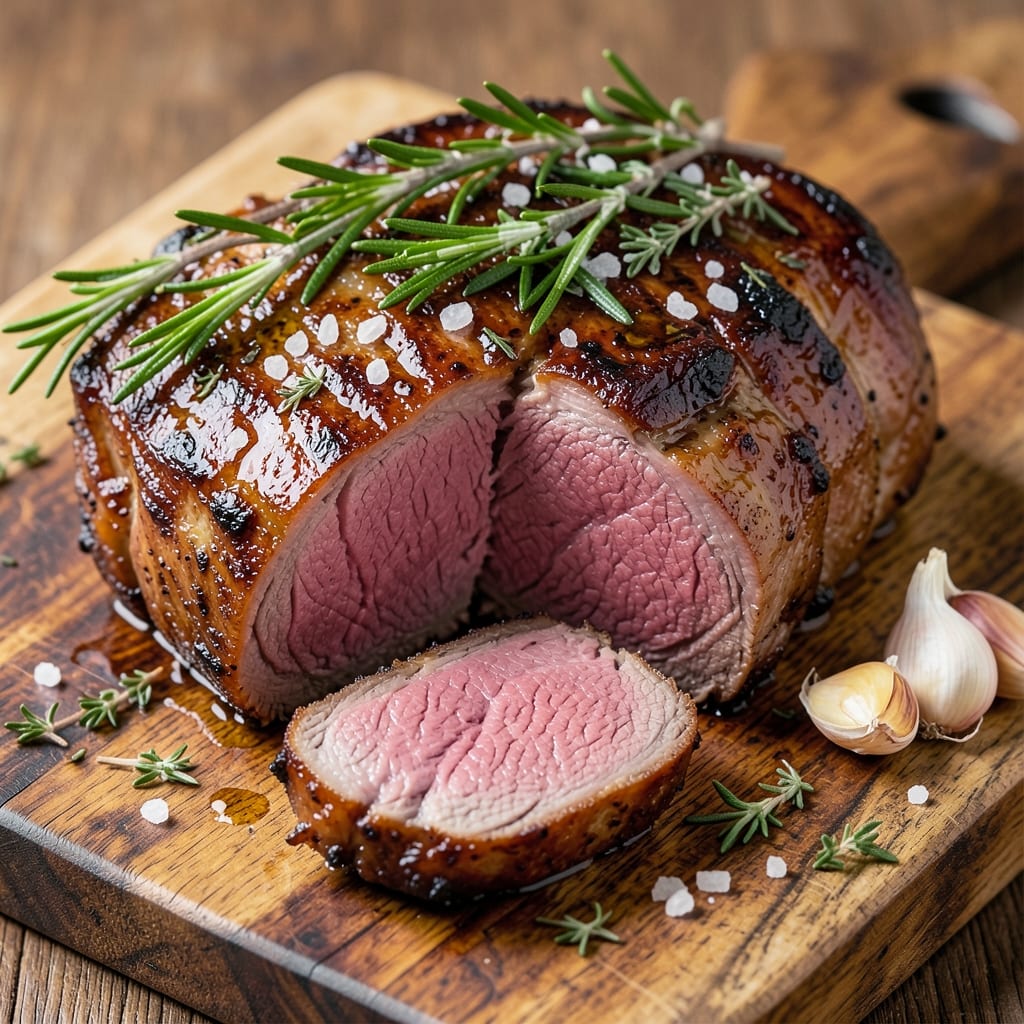
Angus beef sirloin tip roast delivers melt-in-your-mouth tenderness with a crisp, herb-infused crust—exactly what elevates a weeknight dinner to restaurant-quality. The secret lies in slow-roasting to 125°F internal temp before finishing with a sear, ensuring juicy perfection every time. This technique transforms tougher cuts into a showstopping centerpiece that pairs beautifully with bold sides like garlic mashed potatoes or roasted root vegetables.
What sets this recipe apart is the balance of precision and simplicity: a 375°F oven for even cooking, a 30-minute rest to redistribute juices, and a final sear in a screaming-hot pan. The herb crust—rosemary, thyme, and garlic—adds aromatic depth without overpowering the beef's natural richness. For maximum flavor, I recommend using a 2- to 3-pound roast, which cooks in about 30 minutes per pound, giving you predictable results without guesswork.
The moment you slice into that golden crust to reveal pink, tender meat is pure satisfaction. This roast holds its shape beautifully when sliced, making it ideal for serving family-style or plating with confidence. The crust stays crisp while the interior remains juicy and tender, proving that even weeknight dinners can feel like a special occasion.
Pair with a bold red wine reduction or chimichurri for extra flair, and don’t forget to let the roast rest—this step is non-negotiable for retaining moisture. Here’s how to achieve that perfect balance of crust and core every time.
Ingredients for angus beef sirloin tip roast
The perfect balance of premium beef and aromatic herbs for a restaurant-worthy roast.
| Ingredient | Amount | Notes |
|---|---|---|
| Angus Beef Sirloin Tip Roast 🥩 | 2 ½ lb | Center-cut, 2-3 inches thick |
| Fresh Rosemary 🌿 | ¼ cup | Finely chopped, stems removed |
| Fresh Thyme 🌿 | ¼ cup | Leaves only, stems discarded |
| Garlic Cloves 🧄 | 6 cloves | Peeled, smashed lightly |
| Extra-Virgin Olive Oil 🫒 | ¼ cup | High-quality, fruity |
| Diamond Crystal Kosher Salt 🧂 | 1 ½ tbsp | Coarse grain preferred |
| Freshly Ground Black Pepper 🌶️ | 1 tbsp | Freshly cracked |
| Unsalted Butter 🧈 | 2 tbsp | Cold, cubed |
| Red Wine 🍷 | ½ cup | Bold, dry variety |
| Beef Bone Broth 💧 | ½ cup | Low-sodium preferred |
| Fresh Parsley 🌿 | ⅛ cup | Chopped, for garnish |
The Angus beef sirloin tip roast is where this dish shines—look for center-cut pieces with good marbling at Whole Foods or your butcher. A 2.5-pound roast serves four generously, but adjust up or down based on appetite. The herbs? Fresh is non-negotiable—dried won't give that same aromatic punch. I always grab rosemary and thyme from the farmers market when in season, but the grocery store's fresh section works too. The garlic should smell pungent, not stale, and the olive oil should be extra-virgin—none of that cheap stuff that tastes like soap.
No fresh rosemary? Dried at one-third the amount works, but it won’t be as vibrant. Short on thyme? Oregano or marjoram can step in, though the flavor will shift slightly. The red wine can be swapped for beef broth with a splash of balsamic, but you’ll lose some depth. For the butter, European-style unsalted melts better than American butter—Plugrá is my go-to. If you’re prepping ahead, the roast can sit in the fridge for up to 2 days before cooking, but let it come to room temp for even cooking.
This roast is best served immediately after resting, but leftovers reheat beautifully—gentle oven at 300°F for 10 minutes, covered, is ideal. The herb crust stays crisp for about 2 hours at room temperature, so serve family-style if you’re feeding a crowd. Store any leftovers in an airtight container for up to 4 days in the fridge, or freeze for 3 months—wrap tightly in foil first to prevent freezer burn. The crust freezes well too, so make extra if you’re craving it later.
Why You'll Love This Recipe
- No-Fuss Roast: I swear by this recipe because it’s basically set-it-and-forget-it. Sear the roast in olive oil, toss in whole garlic cloves and sprigs of rosemary and thyme, then let the oven do the work—no basting, no stress.
- Herb-Crusted Magic: The combination of rosemary, thyme, and garlic cloves clings to the beef like a flavor hug. That crispy, golden crust? It’s the kind of thing that makes people ask, “What’s in this?”—and I get to say, “Just love.”
- Weeknight to Dinner Party: Honestly, this roast works for both. A single pan, minimal ingredients, and it’s ready when you are—whether it’s a lazy Sunday or you’re hosting unexpected guests. (Yes, even on a Tuesday night.)
- Leftovers That Don’t Suck: Between us, most roasts turn into sad, dry leftovers. Not this one. The sirloin tip stays juicy, and I’ve repurposed slices into tacos, sandwiches, and even a quick stir-fry—no one complains.
Step-by-step instructions for herb-infused sirloin tip roast
Here's how to transform a simple roast into a showstopping centerpiece with crispy herb crust and melt-in-your-mouth tenderness.
Prep and Season the Roast for Maximum Flavor
Take the 2.5 lb Angus Beef Sirloin Tip Roast out of the refrigerator and let it sit at room temperature for 30 minutes. This ensures even cooking throughout. Pat it completely dry with paper towels—moisture is the enemy of that perfect crust we're after.
In a small bowl, combine the 0.25 cup fresh rosemary, 0.25 cup fresh thyme, 6 cloves garlic cloves (lightly smashed), 1.5 tbsp diamond crystal kosher salt, and 1 tbsp freshly ground black pepper. Rub this mixture all over the roast, pressing firmly so the herbs adhere. Let it sit uncovered on a wire rack for 1 hour in the refrigerator. This resting period allows the seasoning to penetrate and the roast to develop that irresistible crust.
Sear the Roast for Deep Flavor and Crispy Crust
Preheat your oven to 425°F. Heat a large oven-safe skillet over medium-high heat and add the 0.25 cup extra-virgin olive oil. Once the oil shimmers, carefully place the seasoned roast in the skillet. Sear for 4-5 minutes per side until it develops a deep golden-brown crust. This step locks in juices and creates the foundation for our herb-infused crust.
Here's the thing—don't move the roast around during searing. Let it develop that beautiful crust undisturbed. You'll know it's ready when it releases easily from the pan with a gentle nudge. Transfer the skillet to the preheated oven and roast for 10 minutes to start building that crust.
Build the Herb Butter Crust and Deglaze
Remove the roast from the oven and reduce heat to 350°F. In a small bowl, combine the 2 tbsp unsalted butter with the remaining 0.125 cup fresh parsley. Spread this butter mixture evenly over the roast, pressing it into the crust. This creates our signature herb-infused crust that will melt into the meat as it cooks.
Return the roast to the oven and roast for another 15 minutes. Then, carefully remove the roast and pour the 0.5 cup red wine into the skillet, scraping up all the browned bits from the bottom. This deglazing captures all that concentrated flavor. Add the 0.5 cup beef bone broth and bring to a simmer, reducing by half to create a rich pan sauce.
Finish with Low and Slow Cooking
Return the roast to the oven and cook for 1 hour to 1 hour 15 minutes at 350°F, or until the internal temperature reaches 135°F for medium-rare (use a meat thermometer for accuracy). The roast should be fork-tender with a beautiful pink center. Here's where patience pays off—low and slow cooking ensures that juicy core we're all after.
Once the roast reaches the desired temperature, transfer it to a cutting board and tent loosely with foil. Let it rest for 15 minutes before slicing. This resting period allows the juices to redistribute throughout the meat, ensuring each slice is moist and flavorful. Pour the reduced pan sauce over the sliced roast and garnish with additional chopped parsley for a pop of color.
Pro Tips For Making Angus Beef Sirloin Tip Roast
- Sear First, Then Roast: Hit that sirloin tip with a screaming-hot cast-iron or heavy skillet for 3-4 minutes per side before transferring to the oven. I used to skip this, thinking the oven would handle everything—wrong. That initial crust locks in juices and makes all the difference when you slice it later. ---
- Smash Those Garlic Cloves: Don’t just mince the garlic—flatten each clove with the side of your knife first. It releases more flavor and blends into the crust better. I learned this the hard way after peeling perfect little cloves that just sat there like decor. ---
- Skip the Crowding: If you’re roasting multiple pieces, resist the urge to stack them. Give each roast at least an inch of space so heat circulates evenly. I once crammed two roasts in there, and one came out dry while the other was perfect—don’t be that person. ---
- Rest Under Foil: After pulling it from the oven, tent loosely with foil and let it rest 10-15 minutes. Yes, it’ll look weird, but slicing too soon turns that tender roast into a pile of sad, stringy beef. Your future self will thank you.
Wine and beer pairings for angus beef sirloin tip roast
Bold Red Wine Pairings
For this rich, herb-infused roast, I always reach for a Cabernet Sauvignon from Napa Valley—its bold tannins and dark fruit notes stand up to the beef's intensity while complementing the rosemary and thyme. A Malbec from Argentina offers similar depth with softer tannins, making it perfect if you prefer smoother sips. Both wines share the same 14% alcohol content, which helps cut through the fat beautifully. 🍷
If you're serving with a red wine reduction (like the one in the pan sauce), opt for a Syrah from the Rhône Valley. Its peppery, smoky profile mirrors the crust's herbal notes while adding complexity. I keep a bottle of Guigal Côtes du Rhône on hand specifically for beef dishes—it's become my go-to for special occasions.
Crisp White Wine Alternatives
Surprised? Hear me out—Chardonnay from Burgundy, particularly an unoaked version, actually works beautifully with this roast. The bright acidity cuts through the richness while the citrus notes enhance the herb crust. Look for a Meursault or Pommard with 13-14% alcohol—just enough body to stand up to the beef. 🥂
For something lighter, try a Viognier from Condrieu. Its floral aromas and stone fruit flavors provide an unexpected but delightful contrast to the savory beef. The 13.5% alcohol content keeps it refreshing while still complementing the dish's depth.
Malty Beer Pairings
A Belgian Dubbel like Westmalle's Dubbel brings malty sweetness and spicy notes that balance the beef's richness. The 6.5% ABV ensures it won't overpower the dish while adding a caramel depth that pairs perfectly with the herb crust. I've found this pairing works especially well when serving with caramelized onions as a side. 🍺
For something darker, try a German Dunkelweizen. The clove and banana notes in the beer complement the rosemary and thyme beautifully, while the 5.5% ABV keeps it light enough to enjoy with the meal. This is my go-to when I want to keep things traditional but still add a beer pairing element.
Craft Beer Experiments
If you're feeling adventurous, try a Barleywine with 12% ABV—its intense malt flavors can stand up to the beef's richness. I've had great success with The Bruery's Peanut Brittle Barleywine, where the peanut notes complement the roast's savory profile. Serve this with a side of roasted Brussels sprouts for a complete flavor experience. ⚡
For something lighter, a Belgian Witbier like Hoegaarden adds citrusy brightness that cleanses the palate between bites. The 5% ABV makes it easy-drinking, while the coriander notes enhance the herb crust. This is my secret weapon for keeping the meal feeling fresh and balanced.
Nutrition facts
Frequently asked questions
What's the best way to trim fat from an angus beef sirloin tip roast?
Use a sharp knife to carefully trim along the natural grain of the fat cap, leaving about ¼-inch for flavor. For best results, chill the roast for 30 minutes before trimming—it firms up and makes the process cleaner. Never cut through the meat itself, as this can expose lean areas to drying out during cooking.
Can I cook this roast without a meat thermometer?
You can estimate, but a thermometer is ideal for precision. For medium-rare, aim for 130-135°F internal temp. Test doneness by inserting a knife—juices should run slightly pink, not red. Remember: the roast will rise 5°F after removing from heat, so pull it out when it hits 125°F for medium-rare.
How do I prevent the herb crust from falling off?
Press the herb butter mixture firmly into the crust during the final 15-minute roast, and avoid moving the meat during searing. The key is patience—don't rush the low-and-slow finish. For extra adhesion, lightly brush the roast with olive oil before adding the herb butter layer.
What's the best way to slice this roast for maximum presentation?
Slice against the grain at a ¼-inch thickness for tender bites. Use a sharp knife and cut through the crust at a slight angle for visual appeal. For family-style serving, slice into ½-inch thick medallions to showcase the herb crust while keeping portions manageable.
Can I make this roast ahead of time?
Yes! Cook the roast completely, let it cool, then refrigerate in an airtight container for up to 3 days. Reheat in a 300°F oven for 15 minutes with a splash of beef broth to restore moisture. The crust may soften slightly, but the beef will still be delicious.