
Soups & Stews
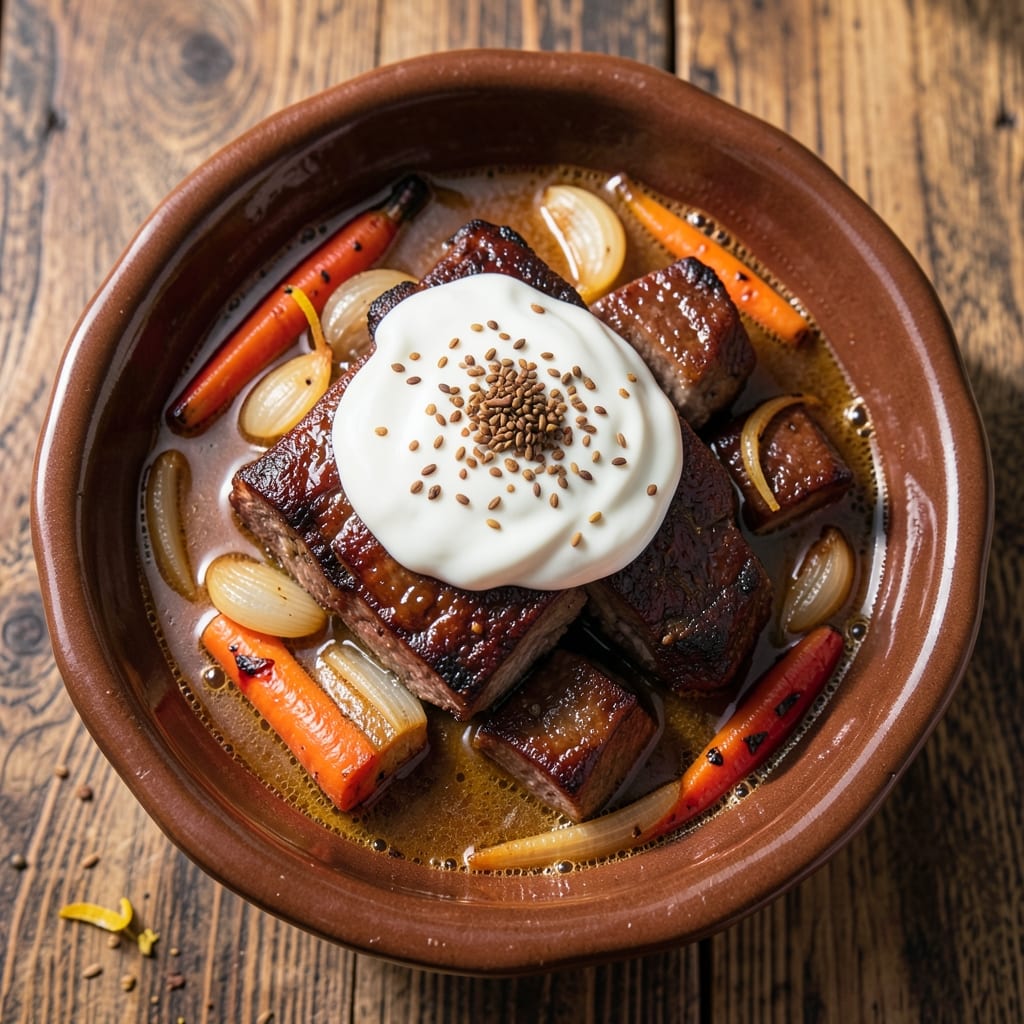
This Arabic beef stew recipe delivers melt-in-your-mouth tenderness with a fragrant blend of spices and tangy yogurt—perfect for cozy weeknight dinners or special gatherings. The secret lies in slow-braising beef with aromatic spices and yogurt, transforming tough cuts into tender perfection while keeping flavors rich and balanced. I’ve adapted traditional techniques to work in home kitchens, ensuring authenticity without complexity. What sets this stew apart is the yogurt marinade, which tenderizes the meat while adding a subtle tang that cuts through the richness of the spices. As it simmers, the flavors meld into a deeply aromatic broth, where carrots soften, onions caramelize, and spices like cumin and cinnamon infuse every bite. The result is a hearty, comforting dish that feels both rustic and refined. By the time you’re done, you’ll have a pot of tender beef swimming in a velvety, spiced sauce—ideal for serving with fluffy basmati rice or warm flatbread. The slow-cooking process ensures maximum flavor extraction, turning simple ingredients into something extraordinary. This is the kind of stew that tastes even better the next day, making it perfect for meal prep. Whether you’re cooking for family or impressing guests, this recipe delivers restaurant-quality results with minimal effort. Let’s get started—your kitchen will smell like a Middle Eastern home the moment you begin.
Ingredients for arabic beef stew
The tenderizing yogurt marinade and aromatic spices transform tough beef into melt-in-your-mouth perfection.
| Ingredient | Amount | Notes |
|---|---|---|
| Beef Chuck Roast 🥩 | 2 ½ lb | Tough cut for maximum tenderness |
| Plain Whole-Milk Yogurt 🥛 | 1 cup | Greek or regular, unsweetened |
| Yellow Onion 🧅 | 1 whole | Medium size, sliced into half-moons |
| Carrots 🥕 | 4 medium | Whole, peeled and cut into chunks |
| Garlic Cloves 🧄 | 6 cloves | Freshly minced for maximum aroma |
| Ground Cumin 🌿 | 1 ½ tbsp | Toasted for deeper flavor profile |
| Ground Coriander 🌿 | 1 ½ tbsp | Freshly ground preferred |
| Sweet Paprika 🌶️ | 1 tbsp | Smoked variety adds depth |
| Ground Cinnamon 🌿 | ½ tsp | Warmth without overpowering |
| Turmeric Powder 🌶️ | ½ tsp | For vibrant color and earthiness |
| Salt 🧂 | 1 ½ tsp | Diamond Crystal preferred |
| Black Pepper 🌶️ | ½ tsp | Freshly cracked for best flavor |
| Tomato Paste 🍅 | 2 tbsp | High-quality, no sugar added |
| Beef Broth 💧 | 2 cups | Homemade or quality low-sodium |
| Olive Oil 🫒 | 2 tbsp | Extra-virgin for richness |
The beef cut is everything here—chuck roast delivers that signature fall-apart texture. Costco or Whole Foods usually carry it pre-cut, but if you're buying a whole roast, look for good marbling and ask the butcher to cube it. The yogurt should be plain and full-fat (the good stuff, not the non-fat kind)—it's doing double duty as both tenderizer and flavor carrier. For the spices, Penzeys or the bulk bins at Trader Joe's are my go-tos, but the regular grocery store spice aisle works fine if you check the dates. Freshly ground spices make a noticeable difference, so if you've had your cumin for more than six months, it's time to refresh.
No Greek yogurt? Regular yogurt works just as well—just stir it a bit longer to dissolve the spices. Short on cumin? Swap in half the amount of coriander, but you'll lose some of that deep earthiness. The tomato paste can be a pain to measure—those little Trader Joe's squeeze tubes are a lifesaver. No beef broth? Vegetable broth with a splash of soy sauce gets you close. The carrots can be baby carrots if that's what's in the fridge, but whole carrots stay more intact during cooking. And if you're feeling fancy, add a pinch of cardamom—it's a classic in Middle Eastern cooking but optional here.
This stew tastes even better the next day, so make extra. It keeps for 5-6 days in the fridge, and freezes beautifully for up to 3 months. I like to portion it into containers with a scoop of rice—just reheat with a splash of water or broth. The yogurt marinade can be prepped a day ahead, too, so you're basically doing half the work in advance. Store it in an airtight container in the fridge, and the flavors will deepen overnight. Leftovers reheat perfectly—just cover the pot and simmer on low until everything is hot through.
Why You'll Love This Recipe
- One-Pot Magic: I swear by this recipe when I’m too tired to wash pots. Toss everything—beef, onions, carrots, garlic—into one deep pot, add the yogurt, and walk away. The slow simmer does all the work while you’re scrolling or watching TV.
- Tangy & Rich: That whole-milk yogurt isn’t just for creaminess—it’s the secret. It cuts through the beef’s richness, leaving you with layers of flavor: caramelized onions, sweet carrots, and a hint of garlic warmth that sticks to your ribs. Honestly, the first bite makes me close my eyes.
- Leftovers That Win: This stew only gets better the next day. I make a double batch on Sundays because reheating it turns the beef fall-apart tender—perfect for lunches or freezing. My kids actually ask for it, and that’s saying something.
- Budget Beef Boost: A beef chuck roast is my go-to for stretching meals without breaking the bank. The yogurt and veggies bulk it up, so you’re feeding a crowd for the price of one fancy dinner. Plus, the carrots and onions last forever in the fridge.
Step-by-step instructions for spiced yogurt-braised beef stew
Here's how to transform tough beef into melt-in-your-mouth tenderness using yogurt's magic.
Sear the Beef Chuck Roast for Deep Flavor
Pat the 2.5 lb beef chuck roast dry with paper towels—this ensures a proper sear. Heat the 2 tbsp olive oil in a heavy Dutch oven over medium-high heat until shimmering. Place the beef in the pot and sear on all sides for 5-6 minutes total, turning occasionally, until it develops a deep golden-brown crust. This step creates the Maillard reaction that builds flavor foundation.
Here's the thing—don't rush this. You want that crust to form before you start braising. If you see the oil smoking excessively, reduce heat slightly. Remove the beef and set it aside on a plate. You'll notice the pot now has beautiful browned bits at the bottom—those are flavor gold that we'll dissolve in the next step.
Build the Spice Base and Deglaze
In the same Dutch oven, add the sliced 1 whole yellow onion and chopped 4 medium carrots. Cook for 5 minutes until they begin to soften. Add the 6 cloves minced garlic cloves and cook for another 30 seconds until fragrant—this prevents the garlic from burning and releases its full aroma.
Now it's time to work with the spices. Add the 1.5 tbsp ground cumin, 1.5 tbsp ground coriander, 1 tbsp sweet paprika, 0.5 tsp ground cinnamon, 0.5 tsp turmeric powder, 1.5 tsp salt, and 0.5 tsp black pepper. Stir vigorously for 30 seconds to toast the spices slightly—this deepens their flavor. Pour in the 2 tbsp tomato paste and stir to coat everything evenly, scraping up those browned bits from the bottom.
Create the Yogurt Braising Sauce
Pour in the 1 cup plain whole-milk yogurt and stir gently to combine. Here's where it gets interesting—the yogurt will thicken slightly and create a velvety base. Add the 2 cups beef broth and stir again. The mixture should look like a thick, spiced stew base with visible yogurt swirls.
Return the seared beef chuck roast to the pot, turning it to coat in the sauce. Bring everything to a gentle simmer over medium heat. This is crucial: you want bubbles forming at the edges but not a rolling boil. The yogurt needs to cook gently to prevent curdling. Once simmering, reduce heat to low and cover with a lid.
Braise Until Fork-Tender
Let the stew braise uncovered for 2 hours. Here's what's happening: the yogurt's acidity tenderizes the tough beef while the spices infuse the meat. After 2 hours, check for doneness by inserting a fork into the thickest part of the beef. It should slide in easily with minimal resistance—this is your signal that the beef is fork-tender.
If the stew has reduced too much and looks thick, add ½ cup water or broth. The sauce should coat the back of a spoon but still be saucy enough to spoon over the beef. Real talk: your kitchen will smell incredible at this point—like warm spices and slow-cooked comfort. The carrots should be tender but still hold their shape, and the onions should be completely softened.
Finish and Serve with Perfect Texture
Remove the beef from the pot and let it rest for 10 minutes on a cutting board. This resting period is essential—it allows the juices to redistribute throughout the meat. While it rests, skim any excess fat from the surface of the stew (about 1 tablespoon should remain for flavor). Taste and adjust seasoning if needed—you might want to add a pinch more salt or a crack of black pepper.
Slice the beef against the grain into ½-inch thick pieces. Return the sliced beef to the pot and stir gently to combine. Serve immediately with the aromatic stew sauce spooned over the top. The result should be tender beef that nearly falls apart with each bite, coated in a creamy, spiced yogurt sauce. This is the magic of slow-cooked Arabic beef stew—simple ingredients transformed into something extraordinary.
Pro Tips For Making Arabic Beef Stew
- Sear the Chuck Hard: I learned this the hard way—skipping the deep sear means flavor gets lost in the yogurt. Get your pan smoking hot with 2 tablespoons of oil, then walk away for 3 minutes while the meat develops that crust. Yes, it’ll look charred, but that’s how it builds depth.
- Strain That Yogurt: Thick, unstrained yogurt turns your stew into a soup. Drain it in a cheesecloth for 30 minutes before adding—this cuts the liquid without losing tang. (I know, it’s annoying, but your stew won’t be gluey afterward.)
- Don’t Rush the Carrots: Tossing them in raw with the meat means they’ll turn to mush. Sauté them until tender-crisp (about 8 minutes) first—just until they yield slightly when pierced. This keeps them holding shape through the long simmer.
- Balance the Heat: Arabic stews need warmth, not spice overload. If your yogurt tastes too sharp, mix in 1 tablespoon of honey or a pinch of sugar while cooking. It mellows the acidity without killing the flavor—trust me, your taste buds will notice.
Pro cooking tips for arabic beef stew
Searing Secrets
Never skip the sear—this is where the Maillard reaction happens, creating deep, complex flavors. Use a heavy Dutch oven like Le Creuset or All-Clad to ensure even heat distribution. Pat the beef completely dry with paper towels before searing—moisture steams instead of browning. I like to sear in batches if needed, but 2.5 lbs should fit comfortably in one pot. 🔥
Spice Toasting
Toast your spices for 30 seconds over medium heat before adding liquids—this releases their essential oils and deepens their flavor. Use a whisk or wooden spoon to stir constantly and prevent burning. The cumin and coriander should smell warm and earthy, while the cinnamon adds a subtle sweetness. If your spices smell flat, they're past their prime—replace them! 🌿
Yogurt Magic
The yogurt is your secret weapon—it tenderizes the beef while adding creaminess. Use full-fat plain yogurt (Greek or regular) for the best texture. Stir it gently when adding to the pot to avoid curdling. If the mixture looks too thick after adding broth, add 1-2 tbsp water to loosen it. The sauce should coat the back of a spoon but remain saucy. 🥛
Low and Slow
Resist the urge to rush! Braise at a gentle simmer (small bubbles at edges) for 2 hours—this is non-negotiable for tender beef. Cover the pot to trap steam, but uncover for the last 30 minutes to let excess moisture evaporate. Check the beef's doneness by inserting a fork—it should slide in easily. If not, add ½ cup water and cook another 30 minutes. ⏰
Resting Matters
Let the beef rest for 10 minutes after cooking—this allows juices to redistribute, preventing dry slices. While resting, skim excess fat from the sauce (leave 1 tbsp for flavor). Taste and adjust seasoning—often, stews need a pinch more salt after resting. Slice against the grain for maximum tenderness. 💡
Equipment Upgrades
Invest in a meat thermometer (I use ThermoWorks Smoke) to monitor internal temp—beef should reach 195-203°F for fork-tender results. A slotted spoon helps remove beef without breaking up the sauce. For serving, use individual bowls with a scoop of rice—this keeps the stew sauce intact. Store leftovers in airtight containers for up to 5 days. ✨
Nutrition facts
Frequently asked questions
Can I substitute lamb or chicken for the beef?
While beef is traditional, you can absolutely use lamb (like shoulder cuts) or chicken thighs for this recipe! For lamb, increase cooking time by 30 minutes to 2.5 hours since it's denser. Chicken thighs cook faster (1.5 hours) but may dry out if overcooked—watch closely. Adjust spices to 1 tsp less salt if using chicken, as thighs can be salty.
How do I prevent the yogurt from curdling?
Curdling happens when yogurt heats too quickly. The key is gentle heat: simmer on low-medium until small bubbles form at the edges, never a full boil. Add broth gradually while stirring constantly. If it starts to separate, whisk in 1 tbsp cold water or broth to restore creaminess. Using full-fat yogurt also helps stabilize the texture.
What's the best way to reheat leftovers?
Reheat gently on the stovetop over low heat with 2 tbsp water or broth to prevent drying. Cover and simmer for 10-15 minutes until hot through. Microwave reheating works too (2-3 minutes on medium), but add a splash of broth first to maintain sauce consistency. Leftovers taste even better the next day!
Can I make this in a slow cooker?
Yes! Brown the beef and spices in a skillet first, then transfer everything to a 6-quart slow cooker. Cook on low for 7-8 hours or high for 4-5 hours. The yogurt will still tenderize the meat, but the texture may be slightly thicker. Add ¼ cup water if needed before serving. The slow cooker method is perfect for hands-off cooking!
What if I don't have cumin or coriander?
No problem! For cumin, use ½ tsp each of allspice and black pepper for warmth. For coriander, substitute with ½ tsp fennel seeds (toasted) or extra cinnamon. The dish will still be flavorful, though the exact balance changes. If missing both, increase paprika to 1.5 tbsp for depth. Always taste as you go and adjust other spices accordingly.