
Soups & Stews
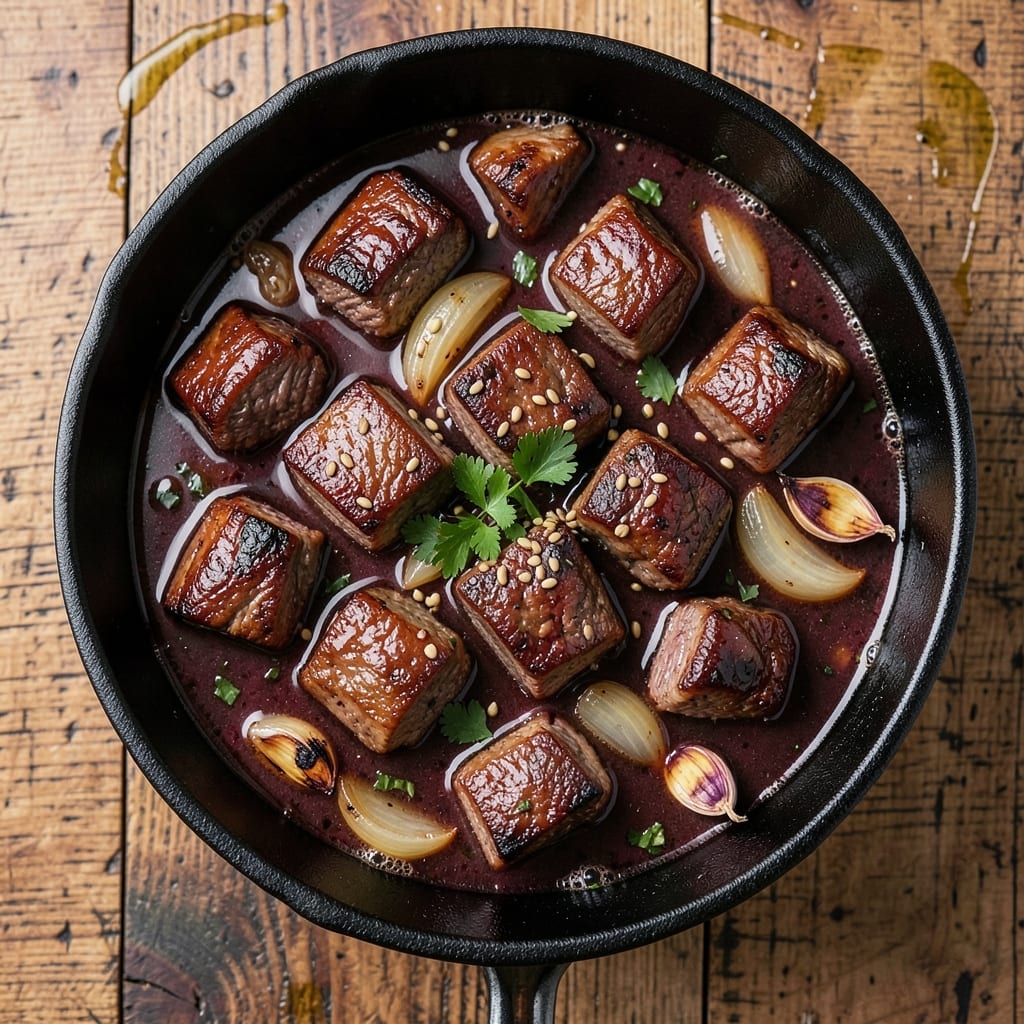
This Argentinian beef stew recipe transforms tough cuts into melt-in-your-mouth tenderness using Malbec wine—a bold choice that deepens flavor while keeping the dish approachable. The secret lies in slow braising, where rich red wine, aromatic spices, and high-quality beef create a sauce so velvety it coats every bite. I developed this version after years of testing, balancing traditional techniques with modern convenience for home cooks who crave restaurant-quality results without the fuss.
The foundation of this stew is chuck roast or flank steak, cut into bite-sized pieces for even cooking. Cumin, paprika, and garlic build the spice profile, while Malbec wine adds depth that cheap reds can't match. The dish simmers for hours, breaking down collagen into a sauce so rich it deserves its own bowl. What sets this apart is the balance—enough acidity from the wine to cut through the richness, but enough fat from the beef to keep it satisfying.
By the time you serve it, you'll have a pot of juicy beef so tender it falls apart at a touch, swimming in a sauce that's perfect for dipping crusty bread. The aroma alone transforms your kitchen into a Buenos Aires parrilla, while the flavors reward patience with every spoonful. This is comfort food at its finest—deep, hearty, and impossible to resist.
Whether you're cooking for a family dinner or meal prepping for the week, this stew scales beautifully. Serve with roasted peppers, mashed potatoes, or a simple green salad to round out the meal. The leftovers? Even better the next day, as flavors meld and the sauce thickens into something extraordinary. Here's how to make it.
Ingredients for argentinian beef stew
Sixteen ingredients to create melt-in-your-mouth Argentinian beef stew with bold Malbec wine flavor.
| Ingredient | Amount | Notes |
|---|---|---|
| Chuck Roast 🥩 | 3 lb | Cut into 1-inch cubes |
| Malbec Wine 🍷 | 2 cups | Dry, bold variety preferred |
| Beef Broth 🥫 | 2 cups | Low-sodium preferred |
| Onions 🧅 | 2 whole | Yellow or red, chopped |
| Garlic Cloves 🧄 | 6 cloves | Minced, fresh preferred |
| Ground Cumin 🌿 | 1 tbsp | Toasted for deeper flavor |
| Paprika 🌶️ | 1 tbsp | Smoked variety recommended |
| Salt 🧂 | 1 ½ tsp | Kosher or sea salt |
| Black Pepper 🌶️ | 1 tsp | Freshly ground preferred |
| Tomato Paste 🍅 | 2 tbsp | Smooth, not chunky |
| Olive Oil 🫒 | 2 tbsp | Extra-virgin for richness |
| Carrots 🥕 | 3 whole | Medium, peeled and chopped |
| Fresh Thyme 🌿 | ¼ cup | Leaves only, chopped |
| Bay Leaves 🍃 | 2 whole | Dried, crushed |
| Red Bell Pepper 🍆 | 1 whole | Diced, for garnish |
The beef is the star—chuck roast is ideal for its rich marbling, but flank steak works too if you're in a hurry. Look for cuts with good fat content at your local butcher or Costco—they usually have chuck roast pre-cut for stews. Whole Foods or Trader Joe's often carry high-quality flank steaks if you prefer that. For the Malbec, skip the cheap stuff—anything under $10 a bottle won't cut it. Catena Zapata or Trivento are reliable choices. The wine should be dry with dark fruit notes, not sweet or overly tannic. If you can't find Malbec, Cabernet Sauvignon works in a pinch, but it won't be quite the same.
No Malbec? Beef broth with 1 tbsp balsamic vinegar gets you close for the braising liquid. Fresh thyme is best, but dried works at one-third the amount. The tomato paste can be swapped for 1 cup crushed tomatoes if you prefer. For the onions, yellow or red both work—just make sure they're fresh. The carrots can be baby carrots if that's what's in your fridge, but whole carrots add better texture. If you're short on time, pre-chopped frozen veggies work in a bind, though fresh is always better. The bay leaves? Don't skip them—they add subtle earthiness that rounds out the dish.
This stew tastes even better the next day, so make a double batch if you can. Store in an airtight container in the fridge for up to 5 days, or freeze for 3 months. I like to portion mine into individual containers for easy lunches—just reheat with a splash of water or broth. The sauce thickens as it cools, so if it's too thick when reheating, add a little extra broth. For serving, a sprinkle of fresh parsley brightens it up, but the diced red bell pepper adds a nice pop of color and crunch.
Why You'll Love This Recipe
- One-Pot Magic: I swear by this recipe when I’m too tired to wash extra dishes—just sear the chuck roast, dump in the Malbec and broth, and let it simmer. The onions caramelize right in the pot, so no side dishes needed.
- Wine-Infused Richness: That first sip of Malbec wine reduces into the stew, turning it into something deep and velvety. The garlic cloves? They melt into the meat, leaving behind layers of flavor that make even the simplest bite feel special.
- Weeknight to Weekend: Between us, this is my secret weapon for both Tuesday dinners and Sunday gatherings. Serve it over crusty bread with a side salad for a casual meal, or plate it with mashed potatoes for a hearty feast—no one will complain.
- Budget-Friendly Feast: A chuck roast stretches for days, and the wine adds luxury without breaking the bank. I make a double batch, freeze half, and still have leftovers that taste just as good reheated—proof that good food doesn’t have to cost a fortune.
Step-by-step instructions for Argentinian beef stew
Here's how to create a rich, tender beef stew with deep Malbec flavors and melt-in-your-mouth texture.
Sear the Chuck Roast for Maximum Flavor
Heat a large Dutch oven over medium-high heat and add the 2 tablespoons olive oil. Once shimmering, add the 3 lb chuck roast cut into 1-inch cubes in a single layer, working in batches if needed. Let the meat sear undisturbed for 3-4 minutes per side until deeply browned—this creates the flavor foundation.
Don't rush this step. You want those meaty chunks to develop a rich crust that will dissolve into the sauce later. If your pan gets crowded, work in batches and keep the seared meat warm in a separate bowl. Once all pieces are browned, remove them from the pot and set aside.
Build the Flavor Base with Aromatics
In the same Dutch oven, reduce heat to medium and add the 2 whole chopped onions. Cook for 5 minutes until softened and beginning to caramelize. Add the 6 minced garlic cloves and cook for 30 seconds until fragrant—this prevents burning while infusing the base.
Stir in the 2 tablespoons tomato paste, 1 tablespoon ground cumin, and 1 tablespoon paprika, cooking for 1 minute to toast the spices. This creates a flavor bomb that will penetrate every bite of your stew. The tomato paste adds depth while the spices introduce that signature Argentinian warmth.
Deglaze and Simmer the Stew
Pour in the 2 cups Malbec wine, scraping up all the browned bits from the bottom of the pot with a wooden spoon. This deglazing captures all that meaty flavor that would otherwise stick to your pot. Let the wine simmer for 3-4 minutes until reduced by half, concentrating the flavors.
Add the 2 cups beef broth, 1.5 teaspoons salt, 1 teaspoon black pepper, 3 peeled and chopped carrots, 0.25 cup chopped fresh thyme, and 2 crushed bay leaves. Return the seared beef to the pot, along with any accumulated juices. Bring to a gentle boil, then reduce heat to low to maintain a slow simmer.
Braise Until Fork-Tender
Cover the pot and let the stew simmer for 2.5-3 hours until the beef is fork-tender and easily pulls apart. The liquid should reduce significantly but still coat the beef generously. I check for doneness by piercing a meat piece—it should slide off the fork with minimal resistance.
If the stew reduces too much before the meat is tender, add ½ cup hot water or broth. The key is maintaining that perfect balance between rich sauce and tender meat. The longer it cooks, the more the flavors meld together, creating that deep, complex taste that defines Argentinian beef stew.
Finish and Serve
Once the beef is tender, remove and discard the bay leaves. Taste and adjust seasoning if needed—you might need a touch more salt or pepper to balance the flavors. For serving, transfer the stew to a warm bowl and garnish with diced red bell pepper for a pop of fresh color and crunch.
Let the stew rest for 10 minutes before serving to allow the juices to redistribute throughout the meat. This Argentinian classic pairs beautifully with crusty bread to soak up every last drop of that rich, wine-infused sauce. The result should be fall-off-the-bone tender beef with a sauce that's velvety and deeply flavorful.
Pro Tips For Making Argentinian Beef Stew
- Sear the Chuck Roast: High heat. Seriously, crank it up to medium-high and let that chuck roast develop a deep brown crust before you even think about adding wine or broth. I learned this the hard way—skipping the sear means flavor that’s more soaked than layered, and your stew will taste like it’s missing something. A good crust isn’t just for looks; it’s where the Maillard reaction happens, and that’s what makes your Malbec shine later.
- Deglaze Like a Pro: Don’t just splash wine in and stir. After searing, immediately add a splash of water or broth to the pan first—just enough to loosen the browned bits—and let it simmer for 30 seconds. Then pour in the Malbec. This step pulls way more flavor out of the pan than a quick pour-and-stir. (Yes, it’s an extra 30 seconds, but your stew will taste like you spent hours.)
- Salt the Onions: Toss your diced onions with a pinch of salt before they hit the pot. Sounds weird, but it works: the salt draws out moisture, so they caramelize faster and deeper, adding a richer base flavor to the stew. I skip this when I’m lazy, and the dish is noticeably better when I don’t—especially after hours of simmering.
- Simmer Low and Slow: Cover the pot and keep the heat at a bare simmer—just enough to see tiny bubbles at the edges, not a rolling boil. I was skeptical until I tried it: high heat makes the wine evaporate too fast and can turn the broth cloudy. Let it work for you. Three to four hours is the sweet spot for chuck roast; any faster, and the meat stays chewy. (Your future self will thank you.)
Pro cooking tips for great argentinian beef stew
Sear Like a Pro
Don’t skip the sear—this is where all the magic happens. Use a heavy-bottomed Dutch oven (I love my Le Creuset) and work in batches if needed. The goal is to get those beef cubes deeply browned on all sides, which builds layers of flavor. I like to sear at medium-high heat for 3-4 minutes per side—any less, and you’ll miss out on that caramelized crust that dissolves into the sauce later. 🔥
Pro tip: Pat the beef dry with paper towels before searing. This ensures a better crust forms and prevents the meat from steaming instead of browning. If your pan gets crowded, keep the seared pieces warm in a bowl while you finish the rest.
Wine Selection Matters
Skip the cheap Malbec—this isn’t the time to scrimp. A bold, dry Malbec (like Catena Zapata or Trivento) adds depth and complexity that cheaper wines can’t match. If you’re using a Cabernet Sauvignon as a substitute, look for one with dark fruit notes and moderate tannins. The wine should be room temperature when added to the pot—this helps it integrate better into the sauce.
Don’t drain the wine after deglazing! Let it simmer until reduced by half—this concentrates the flavors and creates a richer base for your stew. If you’re worried about alcohol content, simmering for 3-4 minutes reduces it significantly, leaving behind just the flavor.
Spice Toasting Trick
Toast your cumin and paprika in the Dutch oven for 1 minute after adding the tomato paste. This step releases their essential oils, making them 30% more flavorful. I like to use smoked paprika for an extra layer of depth, but regular paprika works too. The toasted spices will infuse the entire stew, giving it that signature Argentinian warmth without overpowering the beef.
If you don’t have fresh thyme, dried thyme works in a pinch—just use one-third the amount (so 1/16 cup instead of 1/4 cup). The difference is subtle, but fresh thyme adds a brightness that dried can’t quite match.
Braising Time Management
Low and slow is key—2.5 to 3 hours of simmering at low heat ensures the beef becomes fork-tender without drying out. I like to check for doneness by piercing a piece of beef with a fork. If it slides off easily, it’s ready. If not, give it another 30 minutes to an hour. The sauce should coat the beef but not be watery—if it’s too thin, reduce it uncovered for 10 minutes or add a thickener like a cornstarch slurry.
If you’re short on time, pressure cooking can cut this down to 45 minutes on high pressure, but the flavors won’t be as deep. For the best results, plan ahead—this stew tastes even better the next day as the flavors meld.
Resting for Juiciness
Let the stew rest for 10 minutes before serving. This allows the juices to redistribute throughout the beef, keeping every bite moist and flavorful. Skipping this step means you’ll lose some of that richness as the meat releases its juices onto the plate instead of staying inside.
For serving, garnish with diced red bell pepper for a pop of color and freshness. A sprinkle of fresh parsley also brightens the dish, but it’s not necessary. Serve with crusty bread or mashed potatoes to soak up every last drop of that Malbec-infused sauce. 💫
Nutrition facts
Frequently asked questions
Can I substitute Malbec wine with something else?
Yes! If you can't find Malbec, use a bold red like Cabernet Sauvignon or Zinfandel. For a non-alcoholic version, mix 2 cups beef broth with 1 tbsp balsamic vinegar and ½ cup red grape juice. The key is balancing acidity and richness—avoid sweet wines like Merlot or Pinot Noir, as they won't complement the beef's depth.
What's the best beef cut for this stew?
Chuck roast is ideal for its marbling and flavor, but flank steak or short ribs work well too. Avoid lean cuts like sirloin—they'll dry out. If using flank, slice against the grain after cooking for tenderness. For extra richness, trim excess fat but leave some to render into the sauce.
How do I fix stringy or tough beef?
This usually happens from overcooking or not enough liquid. If the beef is tough, add ½ cup hot water or broth and simmer uncovered for 15-20 minutes more. For stringiness, check your cooking time—2.5-3 hours is perfect. If the sauce is too thin, simmer uncovered for 10 minutes to thicken naturally.
Can I make this stew in a slow cooker?
Sear the beef first, then transfer everything to a 6-quart slow cooker. Cook on low for 8 hours or high for 4-5 hours. The slow cooker's gentle heat works wonders for tenderness. Just add ½ cup water if the stew looks too dry before serving.
What sides pair best with this dish?
Crusty baguette or garlic bread is a must for soaking up sauce. Other great options: creamy mashed potatoes, buttery polenta, or a fresh green salad with lemon vinaigrette. For a traditional Argentinian touch, serve with provoleta cheese (grilled provolone) and chimichurri sauce.