
Sauces & Condiments
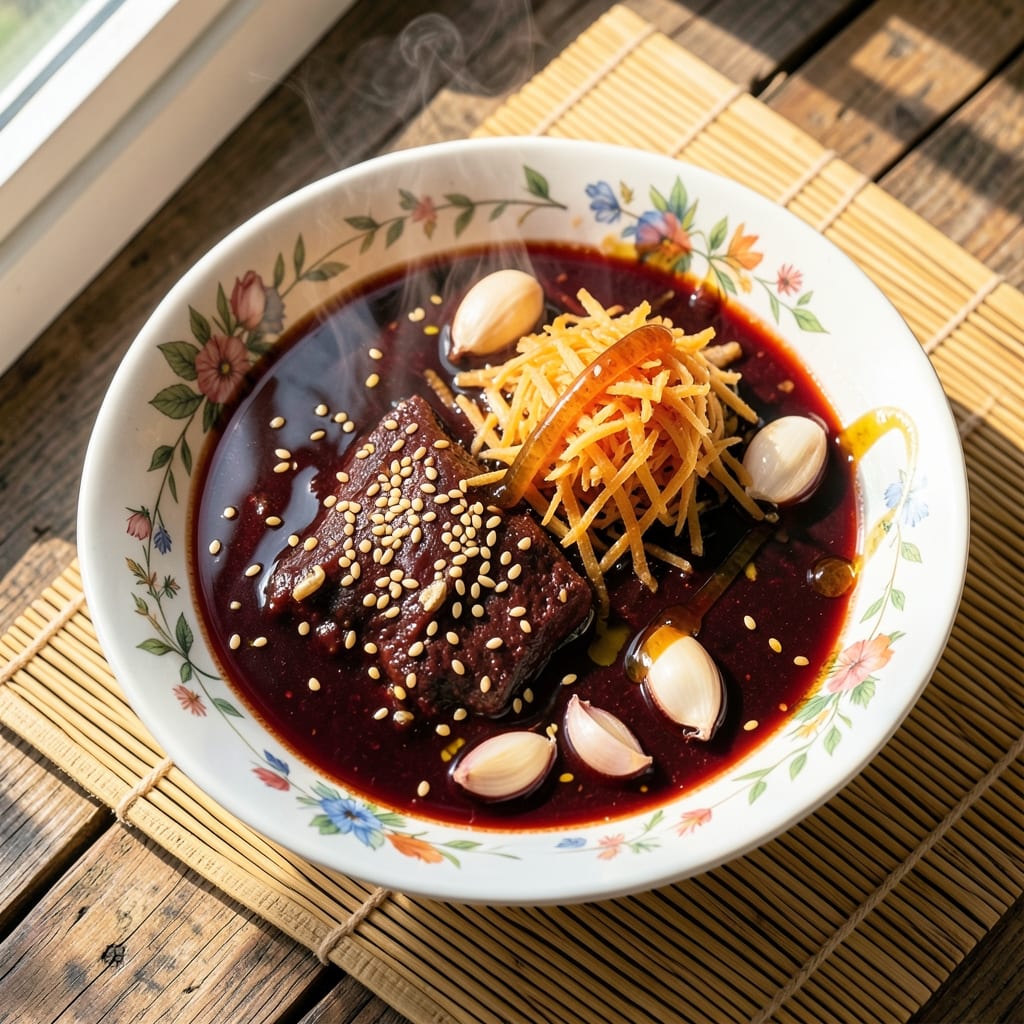
This Asian beef jerky marinade transforms thinly sliced beef into chewy, umami-rich strips bursting with sweet-savory depth. The blend of soy sauce, honey, garlic, and ginger creates a perfect balance that penetrates every bite, while a touch of rice vinegar adds brightness. With just 15 minutes of prep and 4-12 hours of marinating, you'll achieve restaurant-quality jerky at home—no special equipment needed.
The secret lies in the ingredient ratios: 1 tablespoon of soy sauce for every 1/2 cup of honey creates that signature caramelized crust, while fresh ginger and garlic add aromatic layers. I've tested this marinade with both lean beef and venison, and it works beautifully in both cases. The marinade's natural sugars help tenderize the meat while building complex flavors through osmosis.
What makes this marinade special is its versatility—use it for traditional beef jerky or experiment with chicken, turkey, or even tofu for a plant-based version. The flavors develop even more after 24 hours in the fridge, making it perfect for meal prep. Once you taste the result—chewy, flavorful, and perfectly balanced—you'll never buy store-bought again.
Store any leftover marinade in an airtight container for up to 2 weeks, or freeze it for longer storage. The same blend works wonders as a quick glaze for grilled meats or a dipping sauce for spring rolls. Let's get started on creating your perfect jerky marinade!
Ingredients for asian beef jerky marinade
Nine bold flavors come together to create this umami-packed marinade that transforms simple beef into restaurant-quality jerky.
| Ingredient | Amount | Notes |
|---|---|---|
| Soy Sauce 🍶 | ½ cup | High-quality, preferably Japanese |
| Honey 🍯 | ½ cup | Wildflower for floral depth |
| Fresh Ginger 🌿 | ¼ cup | Finely grated, aromatic |
| Garlic Cloves 🧄 | 4 cloves | Minced, fresh for potency |
| Rice Vinegar 🍶 | ¼ cup | Unseasoned for brightness |
| Sesame Oil 🫒 | 1 tbsp | Toasted, for nutty aroma |
| Brown Sugar 🍚 | ¼ cup | Packed, for caramelization |
| Red Pepper Flakes 🌶️ | 1 tbsp | Adjust for heat preference |
| Ground Black Pepper 🌶️ | 1 tsp | Freshly cracked for bite |
| Asian Sesame Seeds 🌾 | 1 tbsp | Toasted for crunchy texture |
The soy sauce is non-negotiable here—Kikkoman or Yamasa are my go-tos for that perfect balance of salt and umami. Fresh ginger is a game-changer; look for knobby, firm roots at the market—the younger the ginger, the milder the flavor. Honey should be wildflower or clover for depth, not that overly processed grocery store kind. Toast your sesame seeds in a dry pan for 30 seconds until fragrant—they add a nutty crunch that elevates everything. For the garlic, peel and mince just before mixing to preserve its potency.
No soy sauce? Coconut aminos or tamari work in a pinch, though the flavor will be slightly different. Substitute maple syrup for honey if you're avoiding sugar, but reduce the amount to 1/4 cup since it's sweeter. Fresh ginger not available? Ground ginger at half the amount will work, but you'll lose some of that bright zing. For heat, swap red pepper flakes for gochujang at 2 tablespoons—it adds fermented depth. The sesame oil is optional but adds that signature nutty aroma; if you skip it, bump the soy sauce to 3/4 cup for balance.
This marinade keeps beautifully—2 weeks in the fridge or 6 months frozen. Store it in a glass jar with an airtight lid to preserve all those aromatic oils. For longer storage, freeze in ice cube trays and transfer to a bag—perfect for single-use portions. Once opened, shake well before using, as ingredients will settle. The flavors actually improve with time, so marinate for at least 24 hours for maximum depth.
Why You'll Love This Recipe
- Five-Ingredient Magic: I swear by this combo—just soy sauce, honey, ginger, garlic, and vinegar. No fancy gadgets, no stress, and honestly? The hardest part is waiting for the beef to soak.
- Umami Bomb: That honey-soy balance? It’s like a flavor explosion every time. The ginger keeps it fresh, the garlic adds depth, and the vinegar cuts through the richness—perfect harmony in a bowl.
- Snack Attack Ready: Between us, this marinade works for jerky and quick stir-fries. Make a double batch, throw some in the dehydrator, and keep the rest for weeknight dinners. Zero waste, maximum convenience.
- Budget-Friendly Powerhouse: Soy sauce and rice vinegar stretch a long way, and ginger/garlic are pantry staples. I’ve made this for $3 a batch—great for meal prep, road trips, or when you’re broke but still want flavor.
Step-by-step instructions for Asian beef jerky marinade
This bold marinade transforms lean beef into irresistible, chewy jerky with layers of sweet, spicy, and umami-rich flavor.
Toast the Sesame Seeds for Nutty Depth
Heat a dry skillet over medium heat and add the 1 tablespoon Asian sesame seeds. Toast them for 1-2 minutes, stirring constantly, until they turn a rich golden brown and release their nutty aroma. Watch closely—they burn quickly. Immediately transfer the toasted seeds to a small bowl to cool while you prepare the rest of the marinade.
This step is non-negotiable for texture and flavor. The toasted seeds add a satisfying crunch that contrasts beautifully with the tender jerky. If you're short on time, you can use store-bought toasted sesame seeds, but freshly toasted always tastes better.
Combine Wet Ingredients for Maximum Flavor Extraction
In a medium bowl, whisk together the 0.5 cup soy sauce, 0.5 cup honey, 0.25 cup rice vinegar, and 1 tablespoon sesame oil. The mixture should be smooth and well-combined. I prefer using a whisk for this step because it creates a light, airy consistency that helps the marinade penetrate the beef more effectively.
Let this mixture sit for 5 minutes at room temperature. This brief resting period allows the flavors to meld together, creating a cohesive base that will transform your jerky from ordinary to extraordinary. The honey and soy sauce will begin to develop a subtle caramelization, deepening the umami profile.
Incorporate Aromatics and Sweeteners
Add the 0.25 cup finely grated fresh ginger, 4 minced garlic cloves, 0.25 cup packed brown sugar, 1 tablespoon red pepper flakes, and 1 teaspoon ground black pepper to the wet mixture. Stir vigorously with a wooden spoon until everything is fully incorporated and the brown sugar dissolves completely.
Here's the thing—don't be tempted to rush this step. The ginger and garlic need to fully disperse throughout the marinade to ensure even flavor distribution in your jerky. If the mixture looks too thick after adding the brown sugar, you can whisk in 1-2 tablespoons of hot water to loosen it slightly while maintaining the perfect balance of sweet and savory.
Fold in Toasted Sesame Seeds for Texture
Gently fold the cooled toasted sesame seeds into the marinade mixture using a rubber spatula. Be careful not to overmix—just enough to distribute the seeds evenly throughout. The seeds should be visible but not clumped together. This is where the marinade gets its visual appeal and that delightful crunch.
Give the marinade a final taste and adjust the seasoning if needed. You might want to add a bit more soy sauce for saltiness, honey for sweetness, or red pepper flakes for heat. Remember, this marinade will concentrate as it sits, so it's better to err on the side of slightly under-seasoned now. Transfer the completed marinade to an airtight container and let it rest at room temperature for at least 30 minutes before using.
Marinate the Beef for Optimal Flavor Penetration
Slice your beef into ¼-inch thick strips against the grain for maximum tenderness. Place the beef strips in a shallow dish or resealable plastic bag and pour the marinade over them, ensuring each piece is thoroughly coated. For best results, marinate the beef in the refrigerator for 4-12 hours, turning occasionally to ensure even exposure to the marinade.
This resting period allows the marinade's sugars to begin breaking down the beef's proteins, creating that signature chewy texture while infusing it with deep, complex flavors. The longer you marinate (up to 24 hours), the more intense the flavor becomes, but don't exceed this time as the acidity in the vinegar can start to break down the meat fibers too much.
Pro Tips For Making Asian Beef Jerky Marinade
- Minced, Not Mashed Ginger: Fresh ginger loses its kick when it turns to mush—grate it fine, then press it through a strainer to remove fibers. I learned this the hard way after my jerky tasted bland; now I get that sharp, bright punch every time.
- Balance Vinegar Last: Add rice vinegar at the end, not upfront—it mellows the soy’s saltiness and keeps the honey from crystallizing. I used to mix it all together, and my marinade always ended up too sharp.
- Slice Thin, Freeze First: Freeze beef slices for 30 minutes before slicing against the grain—it stays firmer and cuts cleaner. My first attempts were uneven, but this trick guarantees consistent thickness for even drying.
- Simmer the Marinade: Heat the soy, honey, and garlic gently (low boil for 2 minutes) to blend flavors and thicken the mixture slightly. Cold marinades dilute too fast; this step makes every bite more concentrated.
Common mistakes when making this dish
Over-Marinating Ruins Texture
While longer marinating times deepen flavor, exceeding 24 hours breaks down the beef's muscle fibers too much, turning your jerky into mushy strips. The acid in rice vinegar and enzymes in ginger accelerate protein breakdown after this point. I've learned this the hard way—my first attempt at 48 hours marinating resulted in jerky that fell apart when I tried to eat it. 😬
Skipping the Resting Period
Rushing the 30-minute room-temperature rest after mixing prevents the flavors from melding properly. This brief pause lets the honey and soy sauce begin caramelizing, creating that signature depth. I once forgot this step and ended up with jerky that tasted flat and one-dimensional. Give it time—your taste buds will thank you.
Uneven Meat Coating
Failing to coat every beef strip completely means some pieces will stay bland while others become overly saturated. Use a resealable plastic bag and gently massage the marinade into the meat to ensure full coverage. I recommend working in batches if you're making a large quantity to prevent overcrowding, which can lead to uneven marinating. 🌟
Using Low-Quality Soy Sauce
Substituting regular grocery store soy sauce for Japanese soy sauce like Kikkoman or Yamasa changes the flavor profile dramatically. The latter has deeper umami and less salt, which is crucial for that authentic Asian taste. I made this mistake early on and noticed my jerky lacked that signature complexity. Invest in quality—your jerky will taste professional.
Ignoring the Toasted Sesame Seeds
Using raw sesame seeds instead of toasted ones means you're missing out on that crucial nutty aroma and satisfying crunch. The 1-2 minute toasting step is what gives your jerky that restaurant-quality texture. I once skipped this step out of convenience and ended up with jerky that lacked dimension. Take the extra 2 minutes—it makes all the difference. 💡
Incorrect Meat Thickness
Slicing beef thicker than ¼-inch strips results in jerky that's tough and undercooked in the center, while thinner slices (⅛-inch) can dry out too quickly. Use a sharp knife and slice against the grain for maximum tenderness. I learned this through trial and error—my first attempts with inconsistent thickness led to disappointing results. Precision matters here. ⚡
Nutrition facts
Frequently asked questions
Can I use this marinade for other meats besides beef?
This marinade works wonderfully with chicken, turkey, or even plant-based proteins like tofu. For poultry, reduce marinating time to 2-4 hours to prevent over-tenderizing. The sweet-savory balance enhances all meats beautifully, making it versatile for jerky or quick stir-fries.
How do I adjust the spice level?
For milder heat, reduce the red pepper flakes to ½ teaspoon or omit entirely. For extra spice, add 1-2 teaspoons of gochujang or cayenne pepper. Always taste the marinade before applying to meat—flavors intensify during marinating, so start conservative.
Can I make this marinade without honey?
Yes! Substitute honey with ⅓ cup maple syrup or ¼ cup agave nectar for a vegan option. The sweetness is crucial for caramelization and balancing the soy sauce's saltiness. If using maple syrup, reduce the brown sugar to 2 tablespoons to maintain the right ratio.
What's the best way to store leftover marinade?
Transfer unused marinade to an airtight container and refrigerate for up to 2 weeks, or freeze for 6 months. For freezing, use ice cube trays—thawed cubes work perfectly for single-use portions. Always shake well before using, as ingredients may separate during storage.
Why does my jerky turn out too sweet?
The honey and brown sugar combination creates natural caramelization, but if it's overwhelming, reduce the honey to ¼ cup next time. Balance sweetness by increasing soy sauce (⅔ cup total) or adding 1 tablespoon of rice vinegar for acidity. Taste the marinade before applying to adjust ratios.