
Sauces & Condiments
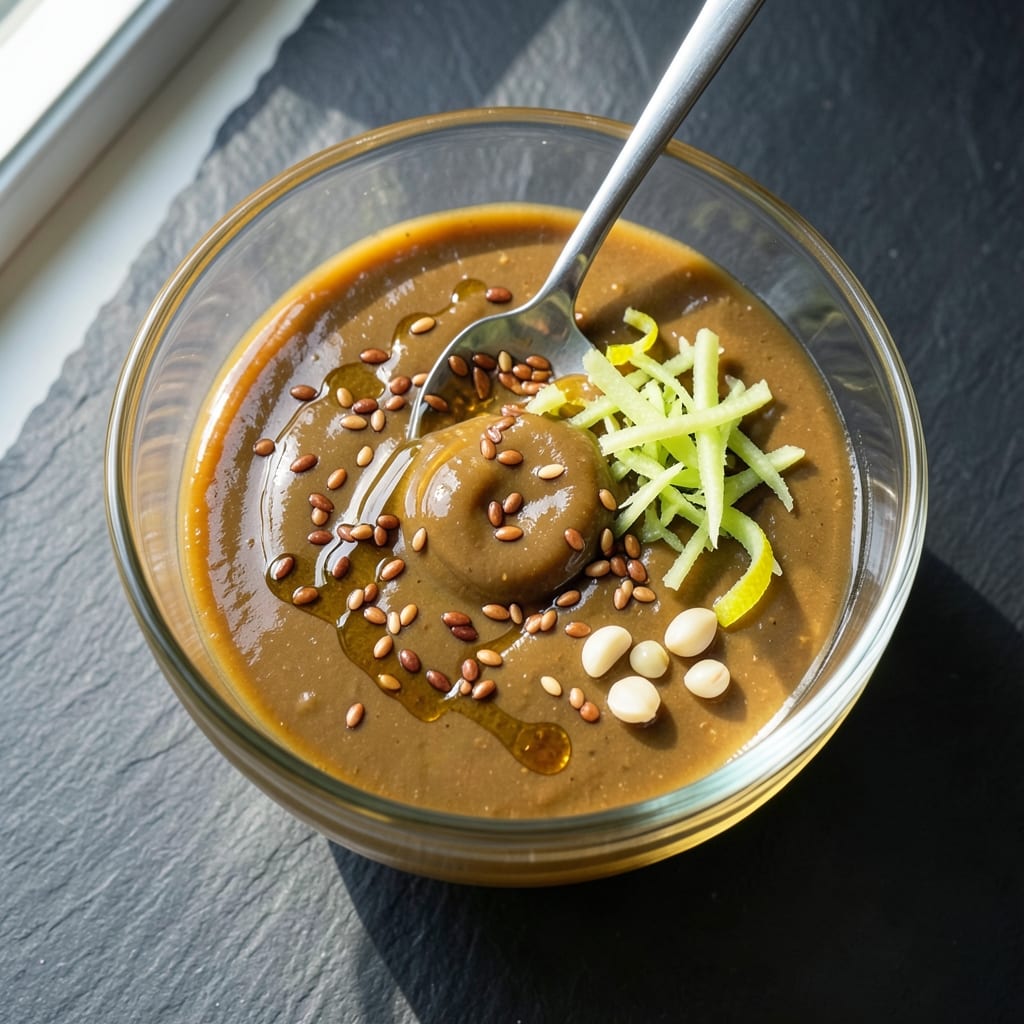
This Asian beef salad dressing transforms any wok bowl into a restaurant-worthy meal with just five ingredients and 10 minutes of prep. The secret lies in balancing sesame oil's nutty depth with ginger's bright zing and soy sauce's umami punch—creating a dressing that clings perfectly to beef strips while enhancing every bite of crisp vegetables and rice. What makes this recipe stand out is its dual-purpose magic: use it as a vibrant topping for your salad or as a quick marinade to tenderize and flavor beef before cooking. The dressing's smooth yet slightly textured consistency comes from whisking ingredients together until emulsified, ensuring no separation even after chilling. It's the kind of sauce that elevates simple ingredients into something extraordinary. The result is a glossy, aromatic dressing with layers of flavor—savory from the soy, spicy from the ginger, and rich from the toasted sesame oil. It pairs beautifully with thinly sliced beef, shredded cabbage, carrots, and cucumbers, while also complementing noodles or rice dishes. The best part? It keeps well in the fridge for up to a week, making it perfect for meal prep. Whether you're dressing a fresh salad or adding depth to your stir-fry, this versatile sauce delivers professional-quality flavor with minimal effort. Let's create it together—your taste buds will thank you.
Ingredients for asian beef salad dressing
Five ingredients plus a few pantry staples—this dressing delivers restaurant-level flavor in minutes.
| Ingredient | Amount | Notes |
|---|---|---|
| Toasted Sesame Oil 🫒 | ¼ cup | High-quality, nutty aroma |
| Fresh Ginger 🌿 | 2 tbsp | Finely grated, vibrant color |
| Low-Sodium Soy Sauce 🥢 | ½ cup | Kikkoman or San-J preferred |
| Rice Vinegar 🍶 | ¼ cup | Seasoned variety for depth |
| Honey 🍯 | 2 tbsp | Wildflower preferred |
| Garlic Cloves 🧄 | 2 cloves | Minced, fresh preferred |
| Sesame Seeds 🌰 | 1 tbsp | Toasted for crunch |
| Red Pepper Flakes 🌶️ | ½ tsp | Adjust for heat preference |
| Water 💧 | ¼ cup | Room temperature |
The sesame oil is non-negotiable here—Kadoya or La Tourangelle are my go-tos, but any high-quality toasted sesame oil works. Look for bottles labeled '100% pure' to avoid the cheap, flavorless stuff. Fresh ginger matters too; organic ginger root from the produce section (not the jarred kind) gives the most vibrant flavor. If you're using a microplane, it'll take about 30 seconds to grate those 2 tablespoons. For the soy sauce, low-sodium versions let you control the saltiness better—just taste as you go. The honey should be wildflower if you can find it; it adds subtle floral notes that regular honey misses.
No sesame oil? Toasted peanut oil at half the amount works in a pinch, though it won't have that signature nutty depth. Jarred ginger? Double the amount and add a pinch of salt to mimic freshness. Short on rice vinegar? Apple cider vinegar is a solid swap, but you'll need to add an extra 1/2 teaspoon of honey to balance the tartness. The garlic can be pre-minced from a jar (the good stuff, not the ones with additives), but fresh is always better. For heat, gochujang at 1/2 teaspoon gives a completely different but delicious umami kick. And if you're making this ahead, whisk in the water last—it helps emulsify everything beautifully.
This dressing keeps like a dream—1 week in the fridge sealed in a jar. The flavors actually deepen over time, so it's perfect for meal prep. If you're using it as a marinade, use within 3 days for maximum tenderness. For extra crunch, toast the sesame seeds in a dry pan for 2 minutes before adding them to the dressing. Store any leftovers in the fridge, and give it a good shake before using—it'll separate slightly, but whisk it back together and it's good as new.
Why You'll Love This Recipe
- Five-Ingredient Magic: I swear by this—just whisk together toasted sesame oil, grated ginger, soy sauce, rice vinegar, and honey. No blender, no straining, no mess. Honestly, I keep a jar of this in the fridge because it’s that simple.
- Umami Bomb: That first drop of toasted sesame oil? Chef’s kiss. The ginger adds a bright kick, the soy sauce brings deep savory notes, and the honey rounds it out—sweet but never cloying. It’s the kind of dressing that makes you take an extra bite just to taste it again.
- Salad Game-Changer: Drizzle it over greens, toss it with cold noodles, or even use it as a marinade for grilled chicken. I’ve even poured it over steamed veggies when I’m lazy. Between us, it’s my go-to for anything that needs a quick, flavorful upgrade.
- Budget-Friendly Staple: A little goes a long way, and these ingredients won’t break the bank. I make a big batch on Sundays—it lasts me all week, and I never regret it. Plus, using low-sodium soy sauce means I can control the salt, which is a win for my heart (and my wallet).
Step-by-step instructions for sesame-ginger dressing
This vibrant dressing comes together in minutes with bold Asian flavors that'll elevate any wok bowl.
Toast Sesame Seeds and Infuse the Oil
Heat a small dry skillet over medium heat and add the 1 tablespoon sesame seeds. Toast them for 1-2 minutes until they turn a rich golden brown and release their nutty aroma. Watch closely—they burn quickly. Immediately transfer the toasted seeds to a small plate and set aside.
In the same skillet, pour in the 0.25 cup toasted sesame oil and warm it for 30 seconds until just shimmering. Remove from heat and let it cool slightly—this infuses the oil with subtle toasted notes that'll deepen your dressing's complexity. Pour the infused oil into a small bowl and set aside for now.
Create the Flavor Base
In a medium mixing bowl, combine the 0.5 cup low-sodium soy sauce and 0.25 cup rice vinegar. Add the 2 tablespoons honey and whisk vigorously until fully dissolved. The mixture should be smooth with no visible honey granules. This balance of salty, tangy, and sweet creates the foundation for your dressing's depth of flavor.
Next, add the 2 tablespoons finely grated fresh ginger and 2 minced garlic cloves to the bowl. Stir well to incorporate completely. The ginger should dissolve slightly, adding its signature zing while the garlic will infuse subtle aromatic notes. Let this mixture sit for 5 minutes while you prepare the remaining ingredients—this allows the flavors to begin melding together.
Build the Dressing Texture
Return to your bowl and add the 0.5 teaspoon red pepper flakes and the 0.25 cup room temperature water. Whisk until the red pepper flakes are evenly dispersed—this adds subtle heat and helps balance the richness of the other ingredients. The water helps create the perfect consistency for drizzling.
Now pour in the warm sesame oil you prepared earlier. Whisk continuously for 30 seconds until the dressing becomes emulsified and glossy. You're looking for a smooth, silky texture that'll coat your salad ingredients beautifully. If it separates slightly, simply whisk more vigorously for another 10 seconds—this dressing should hold together well.
Finish and Adjust
Sprinkle the toasted sesame seeds over the dressing and give it one final stir. The seeds add beautiful texture contrast and their toasted aroma completes the flavor profile. Taste and adjust the balance—need more sweetness? Add another ½ teaspoon honey. Too tangy? A splash of water can help mellow it out.
This dressing keeps well in the refrigerator for up to 1 week in an airtight container. Before using, give it a good stir and adjust seasoning if needed. The flavors actually improve as they sit, developing more complexity over time. Use it to dress your wok bowls, noodle dishes, or even as a marinade for grilled proteins.
Pro Tips For Making Asian Beef Salad Dressing
- Grate Ginger Fine: Use a microplane or the smallest holes on a box grater—no chunks, no pulp. I learned this the hard way when my dressing had weird texture spots from uneven ginger. A teaspoon of finely grated ginger packs way more punch than a tablespoon of chopped. ---
- Warm the Honey: Drizzle honey into warm soy sauce first, then stir until fully dissolved. Cold honey clumps like glue in dressings, and you’ll end up with sticky lumps instead of smooth silkiness. Take 10 seconds—your dressing will thank you. ---
- Taste Before Vinegar: Mix everything except the rice vinegar first, then add it last. Vinegar’s sharpness can throw off your balance, and you’ll either overcorrect or regret it. Build the flavor base first—trust your palate. ---
- Toast Oil Last: Add toasted sesame oil after everything else cools slightly. If you dump it in hot, the aroma burns off instantly. Let the dressing sit for 2 minutes, then swirl it in—now you’ll smell that nutty depth, not just oil.
Storing and reheating your leftovers
Fridge Storage Tips
Store your sesame-ginger dressing in an airtight glass jar with a tight-fitting lid—I prefer Le Parfait 8-ounce jars for their seal. Keep it refrigerated at 40°F or below for up to 1 week. The dressing may separate slightly after chilling, but simply whisk vigorously for 10-15 seconds before using to restore its silky texture. 💧
Freezing for Later
While this dressing isn't ideal for long-term freezing (texture can break down), you can freeze it for up to 1 month in silicone molds or ice cube trays. Portion into 1-tablespoon servings for easy use later. Thaw in the fridge overnight and whisk before using to re-emulsify. For best results, freeze only the sauce without seeds—they lose their crunch when thawed.
Reviving Separated Dressing
If your dressing separates in the fridge, don't toss it! Whisk in 1 teaspoon of warm water per 2 tablespoons of dressing to help re-emulsify. For stubborn separation, add ½ teaspoon of honey to help bind the ingredients back together. This trick works like magic—I've revived dressing that looked completely broken just by giving it a good whisk and a tiny bit of extra water.
Marinade Conversion
Use this dressing as a quick beef marinade by adding 1 tablespoon of cornstarch to thicken it slightly. Marinate beef strips for 15-30 minutes before cooking—this adds incredible flavor and helps tenderize. For extra tenderness, add 1 tablespoon of sake to the marinade. Always use within 3 days when used as a marinade for food safety.
Reheating for Drizzling
If you've stored your dressing in the fridge and want to use it warm, gently heat it in a small saucepan over low heat for 1-2 minutes until just warm (don't boil!). For a quick microwave option, heat for 20 seconds on 50% power, then whisk immediately. The warmth enhances the aromatic notes of ginger and garlic, making it perfect for warm noodle dishes or freshly cooked proteins.
Nutrition facts
Frequently asked questions
Can I make this dressing without sesame oil?
Yes! For a similar nutty depth, use ½ cup toasted peanut oil instead, but reduce the water to ¼ cup to maintain balance. The flavor will be slightly different but still delicious. If you're avoiding all oils, try 1 tablespoon tahini mixed with ¼ cup water for a creamy alternative.
How spicy should the dressing be?
The ½ teaspoon red pepper flakes provide a mild kick. For milder heat, reduce to ¼ teaspoon, or omit completely. Want more spice? Add ½ teaspoon gochujang or ¼ teaspoon sriracha—both add depth and heat. Adjust to your preference!
Can I use this dressing on other proteins besides beef?
This dressing works beautifully on chicken, shrimp, or tofu. For shrimp, reduce marinating time to 10 minutes to avoid overcooking. It’s also fantastic as a drizzle for cold noodle salads or grilled vegetables. The ginger and garlic flavors complement almost any protein!
Why did my dressing separate?
Separation happens when oil and water-based ingredients aren’t fully emulsified. Whisk in 1 teaspoon warm water per 2 tablespoons of dressing to fix it. For stubborn separation, add ½ teaspoon honey or whisk vigorously for 30 seconds. Stirring while adding the sesame oil helps prevent this next time!
What’s the best way to store leftovers?
Store in an airtight glass jar in the fridge for up to 1 week. The flavors deepen over time! If freezing, portion into 1-tablespoon servings in silicone molds (without seeds) for up to 1 month