
Sauces & Condiments
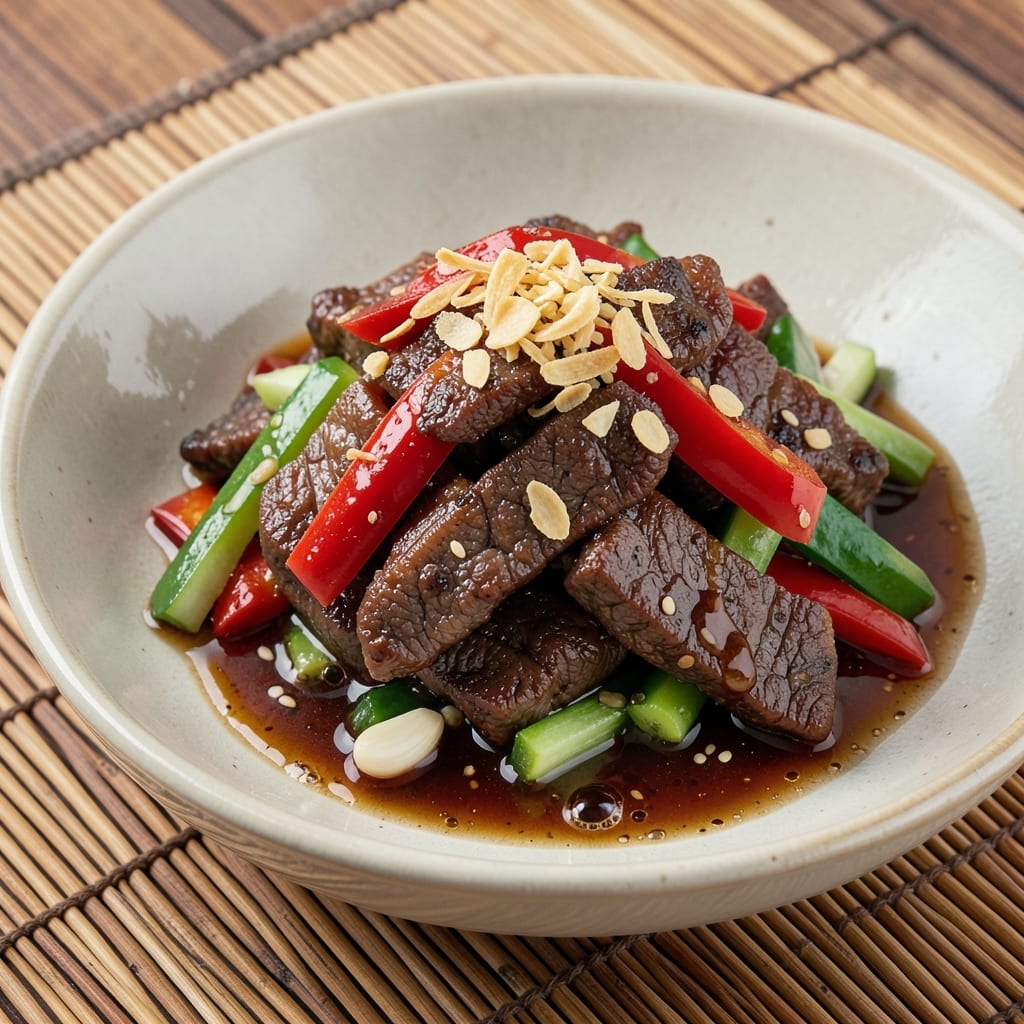
This Asian beef stir-fry sauce transforms simple stir-fries into restaurant-quality meals with its fermented soy-ginger base and layers of umami depth. 🌟 The secret lies in balancing salty soy, aromatic ginger, and a touch of sweetness—creating a sauce that clings perfectly to beef while enhancing its natural richness. Unlike store-bought versions, this homemade recipe delivers vibrant flavors and customizable heat levels.
What sets this sauce apart is its fermented soy foundation, which develops complex, savory notes over time. Garlic and ginger provide the aromatic backbone, while oyster sauce adds a briny, velvety richness that elevates beef to new heights. The sauce thickens slightly as it cooks, ensuring it coats every bite without overwhelming the dish.
Perfect for quick weeknight meals or meal prep, this sauce keeps well in the fridge for up to 2 weeks or freezes for 3 months. Use it on beef, chicken, or even tofu—its versatility makes it a pantry staple. The recipe requires just 10 minutes of active prep, with most of the flavor development happening during cooking.
Once you taste the difference, store-bought sauces won’t compare. The sauce’s balanced sweet-savory-spicy profile makes it ideal for takeout-style stir-fries, marinades, or even drizzling over rice bowls. Let’s make it—your taste buds will thank you.
Ingredients for asian beef stir fry sauce
Nine ingredients blend into a sauce that’ll make your stir-fry taste like takeout—no shortcuts needed.
| Ingredient | Amount | Notes |
|---|---|---|
| Fermented Soy Sauce 🍶 | ½ cup | Light or dark soy preferred |
| Fresh Ginger Root 🌿 | 2 tbsp | Finely grated, aromatic |
| Garlic Cloves 🧄 | 4 cloves | Minced for aromatic punch |
| Oyster Sauce 🦪 | ¼ cup | High-quality, briny depth |
| Sesame Oil 🌰 | 1 tbsp | Toasted for nutty aroma |
| Rice Vinegar 🍶 | 2 tbsp | Mild acidity, balanced |
| Honey 🍯 | 1 tbsp | For subtle sweetness |
| Sriracha Sauce 🌶️ | 1 tbsp | Adjust for heat preference |
| Cornstarch 🌾 | 1 tsp | For thickening consistency |
| Water 💧 | ¼ cup | For thinning if needed |
Fermented soy sauce is the heart of this recipe. Kikkoman or Lee Kum Kee are solid choices, but Japanese light soy (like Kikkoman) gives a cleaner base than dark. Fresh ginger is non-negotiable—dried loses its zing. For the garlic, roast it first (400°F for 10 minutes) to mellow its sharpness, then mince. Oyster sauce? Lee Kum Kee is the gold standard—look for it in the Asian aisle or online. If you can't find it, vegetable stock + a pinch of sugar is a decent stand-in, though it won’t have that briny depth.
No sesame oil? Toasted peanut oil works in a pinch, but the nutty aroma is key. Sriracha too spicy? Swap for gochujang (Korean chili paste) at half the amount—it’s sweeter and deeper. The honey can be maple syrup or agave if you’re avoiding it. Cornstarch is the secret to that perfect silky texture—don’t skip it. For a quicker version, arrowroot powder works too, but it thickens faster. Need to adjust consistency? Thin with water first, then thicken again if needed—this sauce is forgiving.
This sauce keeps like a dream. Store it in a glass jar in the fridge for up to 2 weeks—the flavors actually deepen over time. Freeze for 3 months in ice cube trays for single-use portions (just thaw and stir). Double the batch—it disappears fast. Use it on beef, chicken, tofu, or even drizzle over noodles. Pro tip: Let it sit for 10 minutes after making—the flavors meld even more. Trust me, your stir-fries will never taste the same again.
Why You'll Love This Recipe
- Pantry Magic: I swear by this sauce because it’s all ingredients I already have. No last-minute grocery runs—just fermented soy, oyster sauce, and a quick knife swipe of ginger and garlic. Honestly? I’ve made it three times this month, and the fridge never emptied.
- Umami Bomb: That combo of fermented soy and oyster sauce? It’s a flavor explosion—salty, deep, and just a little funky in the best way. The sesame oil ties it all together with a nutty finish that makes every bite feel like a hug from my favorite takeout spot.
- Weeknight Superhero: Slap this sauce on beef, chicken, or even tofu, and dinner’s saved. I toss it with pre-cut stir-fry veggies for my kids’ lunches or drizzle it over rice bowls when I’m too tired to cook. (Yes, even on a Tuesday night.)
- Leftovers That Don’t Suck: This sauce keeps for weeks in the fridge, and it only gets better as the flavors meld. I freeze extra in ice cube trays, then toss them into quick meals—no waste, no stress. My wallet thanks me too; oyster sauce and soy go a long way.
Step-by-step instructions for fermented soy-ginger stir fry sauce
Here's how to build a sauce that packs umami punch and balances five flavors in minutes.
🍳 Step 1: Bloom the Aromatics in Sesame Oil
Heat a small saucepan over medium-low heat and add the 1 tablespoon sesame oil. Let it warm for 30 seconds until shimmering but not smoking—you want that nutty aroma to wake up without burning. Add the 2 tablespoons finely grated fresh ginger root and 4 minced garlic cloves, stirring constantly for 1 minute until fragrant.
Here's the thing—ginger burns faster than you think. Watch closely until you smell that zesty, citrusy aroma. If it starts to darken, reduce heat immediately. These aromatics form the flavor foundation, so don't rush this step. The ginger should look slightly softened but still vibrant, not browned.
🥘 Step 2: Combine Wet Ingredients for Flavor Fusion
Pour in the 0.5 cup fermented soy sauce, 0.25 cup oyster sauce, 2 tablespoons rice vinegar, 1 tablespoon honey, and 1 tablespoon sriracha sauce. Stir vigorously with a wooden spoon for 2 minutes over medium heat until the mixture reaches 160°F—just below a simmer. You'll see the sauce start to thicken slightly as the cornstarch begins to activate.
This is where the magic happens. The acidity from the rice vinegar brightens the soy's depth, while the honey and sriracha create that perfect sweet-spicy balance. Taste as you go—I like to adjust the sriracha first if I want more heat, or add a pinch of sugar if the honey isn't cutting through enough. The sauce should coat the back of a spoon with a glossy sheen.
🔥 Step 3: Thicken to Perfect Stir-Fry Consistency
In a small bowl, whisk together the 1 teaspoon cornstarch with the 0.25 cup water until completely dissolved. Slowly pour this slurry into the simmering sauce while stirring continuously. Keep heat at medium-low and cook for 3-5 minutes until the sauce thickens to a light syrup consistency—it should coat the back of a spoon but still flow easily.
Real talk: If it thickens too fast, add another splash of water. If it's too thin after cooking, you can temper it by whisking in 1 teaspoon more cornstarch mixed with 1 tablespoon water. The perfect stir-fry sauce should cling to beef beautifully without being gluey. Test by dipping a clean spoon in—it should leave a clean line when lifted.
⏰ Step 4: Rest and Adjust for Maximum Flavor
Remove the sauce from heat and let it rest for 5-10 minutes. This resting period allows the flavors to meld completely and the sauce to reach its ideal consistency. Give it a final taste and adjust seasoning—maybe a dash more soy for saltiness, or a squeeze of lime if you want brightness. The sauce should have layers: salty, sweet, spicy, umami, and a touch of acidity.
For best results, use the sauce immediately over seared beef strips or quick-cooked vegetables. If storing, keep it refrigerated for up to 5 days in an airtight container. Reheat gently over low heat, adding a splash of water if it thickens too much. This sauce transforms simple stir-fries into restaurant-quality dishes—every time.
Pro Tips For Making Asian Beef Stir Fry Sauce
- MINCE GINGER FINELY: I used to just grate ginger and call it a day—until I realized those tiny chunks made the sauce taste like a background player. Use a sharp knife and chop it into a paste, then press it through a fine-mesh strainer. This gets you that smooth, bright ginger flavor without the texture fight. ---
- SWEAT GARLIC LOW: Garlic burns faster than you think, especially when you’re rushing. Cook it on medium-low heat until it’s just fragrant and golden—about 2 minutes—before adding anything else. Burnt garlic turns your sauce bitter, and nobody wants that. ---
- REDUCE SOY SAUCE FIRST: Dump the fermented soy sauce in first and let it simmer uncovered for 3-4 minutes. This cuts the saltiness and deepens the umami before you add the rest. Skipping this step means your sauce tastes flat and one-note. ---
- TOSS SESAME OIL LAST: Add sesame oil right at the end, off the heat. If you mix it in too early, it’ll cook off and lose that nutty aroma that makes the sauce sing. A few drops at the finish—just enough to coat—is all you need.
Troubleshooting perfect results
Sauce Too Thin?
If your sauce ends up watery after cooking, don’t panic—this happens when cornstarch doesn’t activate properly. First, whisk 1 teaspoon more cornstarch with 1 tablespoon cold water in a small bowl. Slowly stir this into the simmering sauce while heating on medium-low for 1-2 minutes. Stir constantly to prevent lumps. For a quicker fix, reduce the sauce by simmering uncovered for 3-5 minutes—this evaporates excess liquid while concentrating flavors. 🔥
Sauce Too Thick?
Over-thickened sauce can turn gluey or clump. Add 1 tablespoon warm water at a time, stirring gently until you reach a light syrup consistency—it should coat the back of a spoon but still flow. For stubborn clumps, strain the sauce through a fine-mesh sieve before using. If you’re short on time, a splash of rice vinegar or beef broth can thin it without altering flavor. Always taste as you go!
Ginger Burns Too Fast
Fresh ginger burns faster than garlic, so keep heat at medium-low and stir constantly. If it starts to darken, immediately reduce heat to low and add 1 teaspoon water to cool it down. For extra insurance, grate the ginger just before cooking—pre-grated ginger loses moisture and burns more easily. Pro tip: Use young ginger (smooth, pale skin) for milder flavor and slower burning. 🌿
Lacking Umami Depth?
If your sauce tastes flat, boost umami with 1 teaspoon fish sauce or 1 tablespoon mushroom powder. For a vegetarian option, add 1 tablespoon soy sauce + ½ teaspoon MSG (if you have it). A pinch of white pepper also enhances depth without adding heat. Let the sauce sit for 10 minutes after making—flavors meld more during this time. Trust me, your stir-fry will thank you!
Sauce Separates When Stored
Sauce separation happens when oils (like sesame) rise to the top. Before using, whisk vigorously to recombine. To prevent this, store the sauce in a glass jar and let it cool completely before refrigerating. If it separates again, reheat gently on low heat while stirring until smooth. For extra insurance, add ½ teaspoon xanthan gum when making the sauce—it stabilizes emulsions beautifully. ❄️
Nutrition facts
Frequently asked questions
Can I make this sauce without oyster sauce?
Yes! For a vegetarian version, replace the oyster sauce with 1 tablespoon soy sauce + 1 teaspoon mushroom powder or 2 tablespoons coconut aminos. For a non-vegetarian alternative, use 1 teaspoon fish sauce instead—it adds umami depth without the seafood flavor. The sauce will still taste rich and balanced!
How long does this sauce keep, and can I freeze it?
Store the sauce in an airtight glass jar in the fridge for up to 2 weeks—flavors actually improve over time! For freezing, portion into ice cube trays and freeze for 3 months. Thaw overnight in the fridge, then stir well before using. The texture may thicken slightly after freezing, so thin with 1 teaspoon water if needed.
What’s the best way to use leftover sauce?
This versatile sauce works on more than just beef! Use it to marinate chicken or tofu for 30 minutes before cooking, drizzle over steamed rice or noodles, or mix into soup broths for instant umami. It even elevates grilled shrimp or pork. Just reheat gently on low heat, stirring occasionally.
Why does my sauce taste too salty?
If the sauce tastes overly salty, balance it with 1 teaspoon honey or maple syrup to mellow the saltiness, or add 1 tablespoon rice vinegar or lime juice for brightness. For a quicker fix, thin the sauce with 1 tablespoon water—this dilutes the salt while keeping the flavor intact. Taste as you go to avoid overcorrecting!
Can I adjust the heat level?
For milder heat, reduce the sriracha to ½ tablespoon and add ½ teaspoon honey to balance. For extra spice, increase sriracha to 2 tablespoons or add ½ teaspoon chili flakes. For a smoky kick, swap sriracha for 1 tablespoon gochujang. Adjust to your preference—this sauce is customizable!