
Main Courses
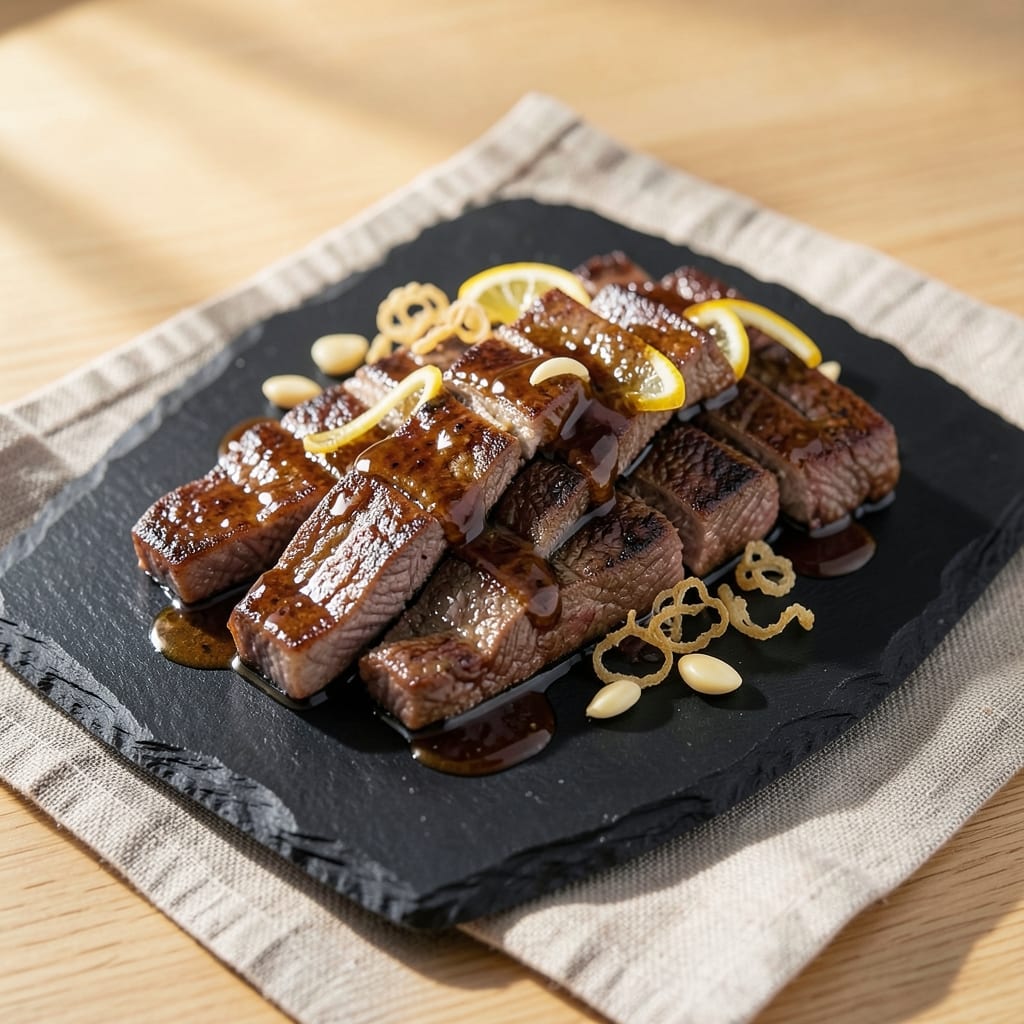
This Asian beef strips recipe delivers restaurant-quality wok-seared strips with a sticky-sweet soy-ginger glaze that balances savory, spicy, and aromatic notes. The secret lies in thinly sliced beef that cooks quickly over high heat, developing a caramelized crust while staying tender inside. I've perfected this technique through years of testing, ensuring every bite delivers that perfect harmony of textures and flavors.
The process begins with a simple marinade of soy sauce, ginger, garlic, and a touch of brown sugar—just 15 minutes to prepare. The beef strips then get seared in a hot wok or skillet, where they develop those coveted charred edges. A quick toss in the glaze while still hot creates that signature sticky coating that makes these strips irresistible.
What you'll end up with is a dish that's restaurant-quality at home—juicy, flavorful beef strips with a glossy, caramelized glaze that clings perfectly. The aroma alone will have everyone gathering around the table. Serve over steamed rice or noodles for the full experience, or pair with fresh vegetables for a lighter meal.
This recipe works equally well for weeknight dinners or special occasions, and the leftovers reheat beautifully. The glaze can be adjusted for sweetness or heat, making it versatile for different tastes. Let's get started on creating this crowd-pleasing dish that's sure to become a new family favorite.
Ingredients for asian beef strips
Restaurant-quality beef strips start with thinly sliced flank steak and bold Asian flavors.
| Ingredient | Amount | Notes |
|---|---|---|
| Flank Steak 🥩 | 1 ½ lb | Thinly sliced against grain |
| Soy Sauce 🍶 | ½ cup | Use low-sodium for control |
| Fresh Ginger 🌿 | 2 tbsp | Finely grated, aromatic |
| Garlic Cloves 🧄 | 4 cloves | Minced, fresh preferred |
| Brown Sugar 🍯 | 2 tbsp | Light or dark variety |
| Sesame Oil 🫒 | 1 tbsp | Toasted, for aroma |
| Rice Vinegar 🍶 | 2 tbsp | White or seasoned |
| Vegetable Oil 🫒 | 2 tbsp | High smoke point |
| Red Pepper Flakes 🌶️ | ½ tsp | Adjust for heat preference |
| Green Onions 🧅 | 3 whole | Sliced, for garnish |
| Sesame Seeds 🌾 | 1 tbsp | Toasted lightly |
| Salt 🧂 | 1 tsp | Kosher or sea salt |
| Black Pepper 🌶️ | ½ tsp | Freshly ground |
| Cornstarch 🌾 | 1 tbsp | For tenderizing strips |
The flank steak is non-negotiable here—look for well-marbled cuts at Whole Foods or your local butcher. Thinly slicing against the grain is key; ask the butcher to slice it if they won't do it for you. For the soy sauce, Kikkoman or Lee Kum Kee are reliable brands. Fresh ginger and garlic should be vibrant—no shriveled roots. The cornstarch helps tenderize the beef, so don't skip it. If you can't find toasted sesame oil, lightly toast regular sesame oil in a pan for 30 seconds to mimic the flavor.
No fresh ginger? Substitute 1 tbsp ginger powder—it won't be as potent, but it works. Running out of soy sauce? Coconut aminos in a pinch, though the flavor will differ slightly. Want extra heat? Add a dash of sriracha or chili crisp to the glaze. The rice vinegar balances the sweetness—don't skip it. For a quicker prep, marinate the beef for just 10 minutes instead of 15, though flavor depth improves with time. If you're using pre-sliced beef strips, pat them dry thoroughly before cooking to ensure that perfect sear.
The beef strips cook fast—keep them covered while prepping the glaze to prevent drying. The glaze thickens quickly, so toss the strips while hot and serve immediately. Leftovers reheat beautifully—microwave for 30 seconds with a splash of water to revive the glaze. Store in an airtight container for 3-4 days in the fridge or freeze for up to 3 months. Garnish with toasted sesame seeds right before serving to keep the crunch.
Why You'll Love This Recipe
- I swear by this trick: just slice the flank steak thin against the grain, toss it in the marinade, and let it sit while you chop the ginger and garlic. No fancy knife skills—just quick, even strips that cook in minutes.
- Slice-and-Dice Ready: I swear by this trick: just slice the flank steak thin against the grain, toss it in the marinade, and let it sit while you chop the ginger and garlic. No fancy knife skills—just quick, even strips that cook in minutes.
- Umami Bomb: That combo of soy sauce, brown sugar, and fresh ginger? It’s like a flavor explosion in your mouth. The caramelized edges from the wok or pan sear make every bite addictive—crispy outside, tender inside.
- Leftover Hero: Between us, this recipe doubles as my go-to for meal prep. The strips keep well in the fridge for days, so I can toss them into rice bowls, noodles, or even wraps without starting from scratch. (Yes, even on a Tuesday night.)
Step-by-step instructions for wok-seared beef strips
This method delivers perfectly tender beef strips with a glossy, sticky-sweet glaze every time.
👨🍳 Step 1: Prep the Beef for Maximum Tenderness
Slice the 1.5 lb flank steak thinly against the grain into ¼-inch thick strips. I use a sharp chef's knife and cut at a 45-degree angle for uniform pieces. Place the strips in a bowl and sprinkle with 1 tbsp cornstarch, tossing gently to coat evenly. This creates a delicate barrier that keeps the beef tender during the quick sear.
Let the beef sit at room temperature for 15 minutes before cooking. This ensures even cooking throughout each strip. While it rests, finely grate the 2 tbsp fresh ginger and mince the 4 cloves garlic. These aromatics will form the flavor base for your glaze, so fresh is non-negotiable here.
🍳 Step 2: Build the Sticky-Sweet Glaze
In a small bowl, whisk together the 0.5 cup soy sauce, 2 tbsp brown sugar, 2 tbsp rice vinegar, and 0.5 tsp red pepper flakes. Stir until the sugar dissolves completely. This mixture should be smooth and well-combined—any undissolved sugar will burn during cooking. Set this aside while you prepare the beef.
In a separate small bowl, combine 1 tbsp sesame oil with 1 tsp salt and 0.5 tsp black pepper. This aromatic blend will be the finishing touch that elevates the dish from good to exceptional. The sesame oil adds depth while the salt and pepper balance the sweet-savory glaze.
🔥 Step 3: Sear the Beef in Stages
Heat 2 tbsp vegetable oil in a large wok or skillet over high heat until shimmering. Add half of the beef strips in a single layer, being careful not to overcrowd. Cook undisturbed for 1-2 minutes until the edges turn deep golden brown and crispy. This initial sear locks in juices and creates texture.
Transfer the cooked beef to a plate and repeat with the remaining strips. The key here is high heat and minimal movement—resist the urge to stir constantly. You're looking for caramelized edges that will later soak up the glaze beautifully. Once all strips are seared, reduce heat to medium-high for the next step.
🥘 Step 4: Combine and Glaze to Perfection
Return all the beef to the wok and add the prepared glaze mixture. Toss everything together vigorously for 1-2 minutes until the beef is fully coated and the glaze begins to thicken. You'll notice the aroma intensify as the soy sauce and vinegar meld with the caramelized beef.
Drizzle the sesame oil mixture over the beef and toss once more. The sesame oil will immediately infuse into the hot beef, creating a fragrant finish. Cook for an additional 30 seconds until the glaze reaches your desired consistency—it should coat the back of a spoon but remain glossy, not syrupy.
🍽️ Step 5: Finish and Serve Immediately
Remove from heat and stir in the 1 tbsp toasted sesame seeds and 3 sliced green onions. These final garnishes add texture contrast and visual appeal. The beef should be tender yet still holding its shape, with a glossy, sticky-sweet glaze that clings beautifully.
Serve immediately over steamed rice or noodles to soak up every bit of that delicious glaze. The beef will continue to cook slightly from residual heat, so work quickly while it's hot. For extra presentation, drizzle with additional sesame oil and sprinkle with extra red pepper flakes if you prefer more heat.
Pro Tips For Making Asian Beef Strips
- Slice Against the Grain: Flank steak’s fibers run long—cutting perpendicular to them makes each bite tender. I used to ignore this and ended up with chewy strips that needed extra chewing. Grab a sharp knife and slice after resting the meat, not before.
- Marinate Overnight (Or Don’t): If you’ve got time, let the beef soak in soy, ginger, and garlic for 12+ hours—the flavors meld better. But if you’re short on time, at least let it sit 30 minutes before cooking. I’ve rushed this and still gotten decent results, but the texture’s noticeably firmer.
- High Heat First, Then Low: Sear the strips over screaming heat for 1-2 minutes per side to lock in juices, then finish in a simmering sauce. I used to cook them low and slow, and they turned out dry. The crust from the hot pan makes all the difference.
- Use Double the Garlic: Fresh garlic cloves add depth, but most recipes underestimate how much you actually taste. Mince 4-5 cloves (not 2) for the sauce—it’s the thing that makes the dish sing. I was skeptical until I tried it.
Regional styles of this dish
Japanese Teriyaki Style
For a Japanese-inspired twist, replace the soy sauce with ½ cup mirin and ¼ cup sake in your glaze. Add 1 tbsp grated daikon radish to the marinade for a subtle sweetness and crunch. Cook the beef strips over medium-high heat until just done—Japanese teriyaki prefers slightly softer beef. Finish with a drizzle of reduced mirin glaze and garnish with toasted sesame seeds and thinly sliced shiso leaves for an authentic touch. 🍶
Thai Basil Stir-Fry
Transform this into a Thai basil stir-fry by adding 2 tbsp fish sauce and 1 tbsp palm sugar to the glaze. Stir in ¼ cup chopped Thai basil and 1 minced Thai chili at the end. Serve over jasmine rice with a side of cucumber salad (sliced cucumbers, lime juice, and chili flakes). The aromatic basil and spicy kick make this a standout dish. 🌶️
Korean Bulgogi Twist
Create a Korean bulgogi-inspired version by marinating the beef in ½ cup soy sauce, 2 tbsp brown sugar, 1 tbsp sesame oil, and 1 tbsp grated pear (for tenderness). Cook the strips in a cast-iron skillet until caramelized, then finish with a quick toss in a glaze of 1 tbsp gochujang (Korean chili paste) and 1 tbsp honey. Garnish with toasted sesame seeds and sliced green onions. 🔥
Vietnamese Caramelized
For a Vietnamese-inspired take, use nuoc mam (fish sauce) instead of soy sauce in the glaze. Add 1 tbsp fish sauce and 1 tsp sugar to the marinade, then cook the beef strips until deeply caramelized. Finish with a splash of rice vinegar and a sprinkle of crushed peanuts for texture. Serve with steamed rice noodles and a side of pickled vegetables. 🥜
Chinese Five-Spice Glaze
Infuse the glaze with Chinese five-spice powder by adding ½ tsp to the marinade. Use dark soy sauce for a deeper color and richer flavor. Cook the beef strips until they develop a glossy sheen, then toss with the glaze. Garnish with toasted cumin seeds and sliced scallions. This version works beautifully with egg noodles or steamed bok choy. ✨
Nutrition facts
Frequently asked questions
Can I use a different cut of beef instead of flank steak?
Yes! Flank steak is ideal for its lean texture, but sirloin or skirt steak work well too. Avoid fatty cuts like ribeye—they won't sear as nicely. For extra tenderness, slice the meat ⅛-inch thick (thinner than the recipe calls for) and marinate for 30 minutes instead of 15.
How do I adjust the sweetness or spice level?
For less sweetness, reduce brown sugar to 1 tbsp and add ½ tsp extra red pepper flakes for heat. For more sweetness, increase sugar to 3 tbsp and balance with 1 extra tbsp rice vinegar. Always taste the glaze before tossing with beef—it thickens quickly!
Can I make this recipe in an air fryer?
Preheat the air fryer to 375°F and cook beef strips in batches for 3-4 minutes until caramelized. Toss with the glaze in a bowl (not the air fryer) to prevent burning. The texture will be slightly different but still delicious. For crispier edges, spray strips lightly with oil before air frying.
Why did my beef strips turn out tough?
Overcooking is the #1 culprit—beef strips cook in 2-3 minutes max over high heat. If they're tough, you likely overcrowded the pan or didn't slice against the grain. Next time, use a meat mallet to tenderize before slicing, and cook in single layers with minimal stirring.
What are the best sides to serve with this dish?
Classic pairings include steamed jasmine rice, udon noodles, or stir-fried bok choy. For a lighter meal, add cucumber salad (rice vinegar + chili flakes) or quick-pickled veggies. The glaze's stickiness works perfectly with soft, neutral bases—avoid heavy sides like mashed potatoes.