
Main Courses
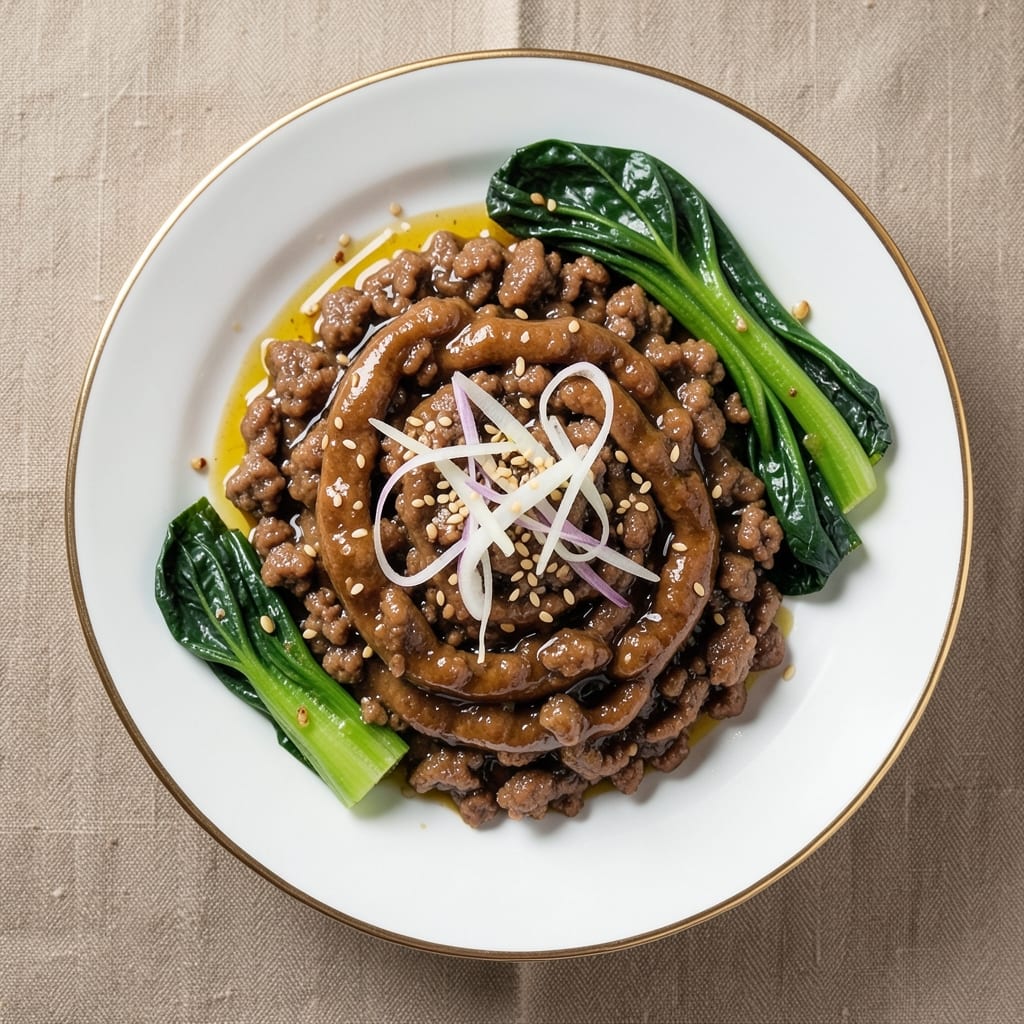
This Asian-style ground beef recipe transforms simple ingredients into wok-sizzled garlic-ginger bites that pack bold, aromatic flavors. The secret lies in high-heat searing and a balanced marinade of soy sauce, ginger, and garlic—creating tender, caramelized beef with a perfect chew. I developed this version after years of testing stir-fry techniques, and it consistently delivers restaurant-quality results at home.
The beauty of this dish is its versatility—it works as a quick weeknight meal or an impressive dinner party starter. The beef cooks in just 10 minutes thanks to the wok method, while the sauce infuses deep umami and aromatic notes. Unlike traditional recipes that rely on long marinating, this version lets you achieve incredible flavor with a 15-minute prep and minimal hands-on time.
What makes this recipe stand out is the texture: each bite offers a satisfying contrast between tender beef and slightly crisp edges from the wok. The garlic-ginger marinade creates layers of flavor that linger, while a touch of sesame oil adds nutty depth. Serve it over steamed rice, noodles, or as a filling for lettuce wraps for a complete meal.
This dish also adapts beautifully—swap in mushrooms or bell peppers for extra texture, or add a splash of rice vinegar for brightness. The technique is simple enough for beginners but impressive enough to elevate any meal. Let's get cooking!
Ingredients for asian style ground beef
Transform ordinary ground beef into aromatic, restaurant-quality garlic-ginger bites with these carefully balanced ingredients.
| Ingredient | Amount | Notes |
|---|---|---|
| Ground Beef (80/20) 🥩 | 1 ½ lb | Finely ground for even cooking |
| Low-Sodium Soy Sauce 🍶 | ½ cup | Kikkoman preferred for balance |
| Fresh Ginger 🌿 | 2 tbsp | Finely grated, aromatic quality |
| Garlic Cloves 🧄 | 6 cloves | Minced, fresh preferred |
| Sesame Oil 🫒 | 1 tbsp | Toasted, for nutty depth |
| Neutral Oil (Avocado or Vegetable) 🫒 | 2 tbsp | High smoke point essential |
| Brown Sugar 🍚 | 1 tbsp | Lightly packed, balances flavors |
| Rice Vinegar 🍶 | 1 tbsp | For brightness, optional |
| Cornstarch 🌾 | 1 tbsp | For tenderizing beef |
| Green Onions 🧅 | 3 whole | Sliced, for garnish |
| Sesame Seeds 🌾 | 1 tbsp | Toasted, for texture |
| Diamond Crystal Kosher Salt 🧂 | ½ tsp | Adjusts seasoning |
| Freshly Ground Black Pepper 🌶️ | ¼ tsp | Enhances depth |
| Steamed Jasmine Rice 🍚 | 2 cups | For serving, cooked |
The ground beef quality is non-negotiable here—80/20 fat ratio ensures juicy, flavorful bites. Costco or local butchers often carry finely ground beef perfect for stir-fries, but if you must use pre-packaged, shake the bag vigorously to distribute fat evenly. Fresh ginger and garlic are essential; organic produce from the grocery store's fresh section delivers the most aromatic punch. For soy sauce, Kikkoman strikes the ideal balance between saltiness and umami, though any low-sodium brand works. The sesame oil should be toasted—La Choy is a reliable budget option, while Kadoya offers premium quality. Store fresh ginger in the freezer to preserve its potency for up to 3 months.
No sesame oil? Toasted peanut oil provides a similar nutty depth, though the flavor profile shifts slightly. Substituting regular soy sauce? Reduce the amount by half and add an extra 0.5 tbsp of brown sugar to compensate for the higher sodium. The cornstarch is crucial—it tenderizes the beef during the marinade, preventing toughness. If you're short on time, 1 tbsp of all-purpose flour works in a pinch, though texture may differ slightly. For the rice vinegar, Mushroom or apple cider vinegar can substitute, but the flavor will be less refined. The brown sugar can be swapped for coconut sugar or white sugar, though the caramelization will vary.
Prep the beef and marinade ingredients first—they'll sit for 15 minutes while you heat your wok or skillet. The cooked beef keeps well in an airtight container for 3-4 days in the fridge, though flavor peaks within the first day. For longer storage, freeze portions in single-serving containers for up to 3 months. Reheat gently in a skillet over medium heat, adding a splash of water to restore moisture. The rice can be pre-cooked and stored in the fridge for 4 days or frozen for 6 months. Garnishes like green onions and sesame seeds should be added fresh after reheating to preserve their vibrant colors and textures.
Why You'll Love This Recipe
- No-Chop Needed: I swear by this trick—just grate the ginger and mince the garlic right in the pan. No knife skills required, and the aroma hits your kitchen like a warm hug the second it hits the heat.
- Umami Bomb: That 80/20 beef? Rich and juicy. Toss in low-sodium soy sauce and sesame oil, and suddenly you’ve got a deep, savory punch that’ll make you forget takeout exists. Honestly, the first bite is always the best.
- Leftover Legend: This dish tastes even better the next day—better yet, it freezes like a dream. Throw it in bowls for quick lunches or stuff it into wraps when you’re too tired to cook.
- Budget Powerhouse: Ground beef is cheap, and these ingredients? They stretch for days. Feed the whole family for under $15, and still have leftovers for snacks. My wallet thanks me every time.
Step-by-step instructions for Asian-style ground beef
Master this wok technique for perfectly tender, aromatic beef bites every time.
Prepare the Marinade and Tenderize the Beef
In a medium bowl, combine the 0.5 cup low-sodium soy sauce, 1 tablespoon brown sugar, 1 tablespoon rice vinegar, 1 tablespoon cornstarch, 0.5 teaspoon kosher salt, and 0.25 teaspoon black pepper. Mix until the cornstarch dissolves completely—this creates a velvety coating that tenderizes the beef while adding depth of flavor. The marinade should be smooth and slightly syrupy.
Transfer the 1.5 lb ground beef (80/20) to a separate bowl. Add the prepared marinade and mix gently with your hands until the beef is evenly coated. Let it sit at room temperature for 15-20 minutes while you prep the aromatics. This resting period allows the cornstarch to begin breaking down the meat fibers, ensuring a fork-tender texture when cooked. Don't skip this step—it's what transforms tough ground beef into melt-in-your-mouth bites.
Cook the Aromatics and Build the Base
Heat a large wok or skillet over high heat until it's smoking hot. Add the 2 tablespoons neutral oil and swirl to coat the bottom evenly. Once the oil shimmers, add the 2 tablespoons finely grated fresh ginger and 6 cloves minced garlic. Cook for 30-45 seconds until the ginger becomes fragrant and the garlic turns golden—this releases their full aromatic potential without burning.
Immediately add the marinated beef in an even layer. Cook undisturbed for 2-3 minutes until the beef begins to brown and pull away from the pan. Here's where the magic happens: the high heat sears the exterior while the cornstarch mixture creates a protective barrier that locks in juices. Use a wooden spoon to break the beef into 1-inch chunks, then stir-fry for another 2-3 minutes until the pieces are no longer pink in the center. The beef should be cooked through but still retain its shape—overcooking will make it rubbery.
Finish with Sesame Oil and Garnish
Reduce the heat to medium-high and pour in the 1 tablespoon toasted sesame oil. Toss the beef vigorously for 30 seconds until the oil is evenly distributed and the beef glistens. The sesame oil adds a nutty depth and helps emulsify the sauce, creating that signature wok-hei (breath of the wok) flavor. Taste and adjust seasoning if needed—you might want to add a splash more soy sauce or a pinch of sugar to balance the flavors.
Remove from heat and stir in the 3 whole green onions, sliced into ½-inch pieces, and 1 tablespoon toasted sesame seeds. The green onions add a fresh contrast to the rich beef, while the sesame seeds provide texture. Serve immediately over 2 cups steamed jasmine rice while still sizzling hot. The rice will soak up the flavorful juices, creating a complete dish that's ready in under 30 minutes. Each bite should deliver a perfect balance of savory, sweet, umami, and a hint of acidity from the rice vinegar.
Pro Tips For Making Asian Style Ground Beef
- CRANK THE HEAT FIRST: Start your ground beef in a dry, screaming-hot pan—no oil yet. The moment you add the beef, it should sizzle violently and pull away from the pan in seconds. I learned this the hard way after making mushy beef twice; high heat sears the outside fast, locking in juices while the fat renders cleanly. Once the beef browns (about 3-4 minutes), then add the oil to finish cooking.
- GRATE THAT GINGER: Skip the mincer—grate fresh ginger with a microplane or the fine holes of a box grater. You’ll get way more surface area for flavor, and it blends into the beef without chunks. I used to chop it, and it’d sit there like little chewy surprises. Grated ginger dissolves smoothly, making every bite taste like it’s been simmered for hours.
- DON’T DROWN THE BEEF: After searing, push the beef to one side and add garlic and ginger to the pan—let them sizzle for 10 seconds before stirring. Then add just enough soy sauce to deglaze (about 1/4 cup for 1 lb beef). Too much liquid steams the beef instead of caramelizing it. I once drowned a batch in 1/2 cup, and it turned out soggy. Less sauce = deeper flavor.
- FINISH WITH SESAME OIL LAST: Stir in the sesame oil in the final 30 seconds of cooking—it burns off at high heat, leaving only its nutty aroma. I was skeptical until I tried it: adding it earlier just made the pan smoke and taste bitter. A quick splash at the end coats everything evenly, giving that authentic Asian restaurant finish without overpowering. (Yes, even if you’re impatient like me.)
Dietary considerations for these flavors
Gluten-Free Adaptations
This recipe is naturally gluten-free if you use certified gluten-free soy sauce like Kikkoman Gluten-Free Tamari. Regular soy sauce contains wheat, so always check labels. For extra safety, I recommend San-J Tamari—it's my go-to for gluten-free stir-fries because it delivers that same deep umami without compromising flavor. 🌱
Watch for hidden gluten in other ingredients too. Some brands of brown sugar or cornstarch may contain anti-caking agents with wheat derivatives. I use Wholesome! Sweetened Brown Sugar and Bob's Red Mill Gluten-Free Cornstarch to stay safe. The rest of the ingredients in this recipe are inherently gluten-free, so with these swaps, you get all the wok-hei flavor without worry.
Low-Carb Options
Skip the rice entirely and serve the beef over cauliflower rice or a bed of shredded cabbage for a low-carb version. I like Trader Joe's Frozen Cauliflower Rice because it cooks in just 3 minutes and absorbs the beef's flavors beautifully. For extra crunch, add 1 cup sliced mushrooms or shredded Brussels sprouts to the wok during the final 2 minutes of cooking.
Need more protein? Top with 2 fried eggs or a dollop of sugar-free coconut aminos for extra umami. The beef marinade already contains cornstarch for tenderness, so no additional thickeners are needed—just cook the beef as directed and serve over your low-carb base. This keeps the dish under 5g net carbs per serving while maintaining all the rich flavors.
Dairy-Free Considerations
This recipe is already dairy-free, but if you're adding sides, be mindful of sauces or garnishes. Some sesame seed brands are processed in dairy facilities, so I recommend Kadoya Toasted Sesame Seeds—they're certified dairy-free. For extra richness, drizzle with chili crisp (like Lao Gan Ma) instead of heavy cream-based sauces.
When serving, pair with dairy-free spring rolls or a cucumber salad made with rice vinegar and sesame oil (no yogurt or cream cheese). The beef's natural umami shines when balanced with fresh, bright flavors—no dairy needed. Even the steamed jasmine rice in the original recipe is dairy-free, so this dish adapts perfectly to lactose-intolerant diets.
Allergen-Friendly Swaps
For nut allergies, avoid sesame oil and replace it with avocado oil or toasted coconut oil (if coconut allergies aren't a concern). I've found Annie's Organic Coconut Oil works well—it adds a subtle sweetness that complements the beef. For egg allergies, skip the fried egg topping and garnish with extra green onions or thinly sliced jalapeños for heat.
Soy allergies are trickier since soy sauce is the base. Opt for coconut aminos (like Annie Chun's)—they mimic soy sauce's saltiness without the allergens. Reduce the amount by 20% since coconut aminos are less concentrated. The beef will still develop that signature caramelized crust, just with a slightly different depth of flavor. Always test small batches first to adjust seasoning.
Nutrition facts
Frequently asked questions
Can I use lean ground beef (90/10) instead of 80/20?
The recipe specifically calls for 80/20 ground beef because the fat content creates incredible flavor and moisture when seared. Lean beef will dry out faster and lack that rich, caramelized crust. If you must use lean, add 1 extra tablespoon neutral oil to the pan and reduce cooking time by 1 minute to prevent toughness.
How do I adjust the spice level for sensitive palates?
This recipe is naturally mild, but if you want to reduce any potential heat, skip the rice vinegar (which adds subtle acidity) and use 1 teaspoon honey instead of brown sugar to balance flavors. For extra safety, add ½ teaspoon more brown sugar to counteract any residual spice from ingredients like garlic or ginger.
What's the best way to reheat leftovers?
Reheat in a clean skillet over medium heat with 1 teaspoon neutral oil> until warmed through (3-4 minutes). Avoid microwaving—it makes the beef rubbery. For extra flavor, add 1 teaspoon water or soy sauce to restore moisture. Leftovers keep for 3-4 days in an airtight container.
Can I make this recipe ahead of time?
Yes! Prepare the marinade and chop all aromatics the night before. Store the marinated beef in the fridge for up to 12 hours before cooking. For best texture, cook fresh, but you can also par-cook the beef (just until no longer pink) and finish cooking when ready to serve. The flavors actually improve overnight!
What vegetables pair well with this beef?
Add bell peppers, snap peas, or mushrooms> to the wok during the final 2 minutes> of cooking for extra texture. For a crunchier bite, serve with quick-pickled cucumbers> or a simple green onion salad>. The beef's savory-sweet profile works beautifully with fresh, bright vegetables that cut through the richness.