Main Courses
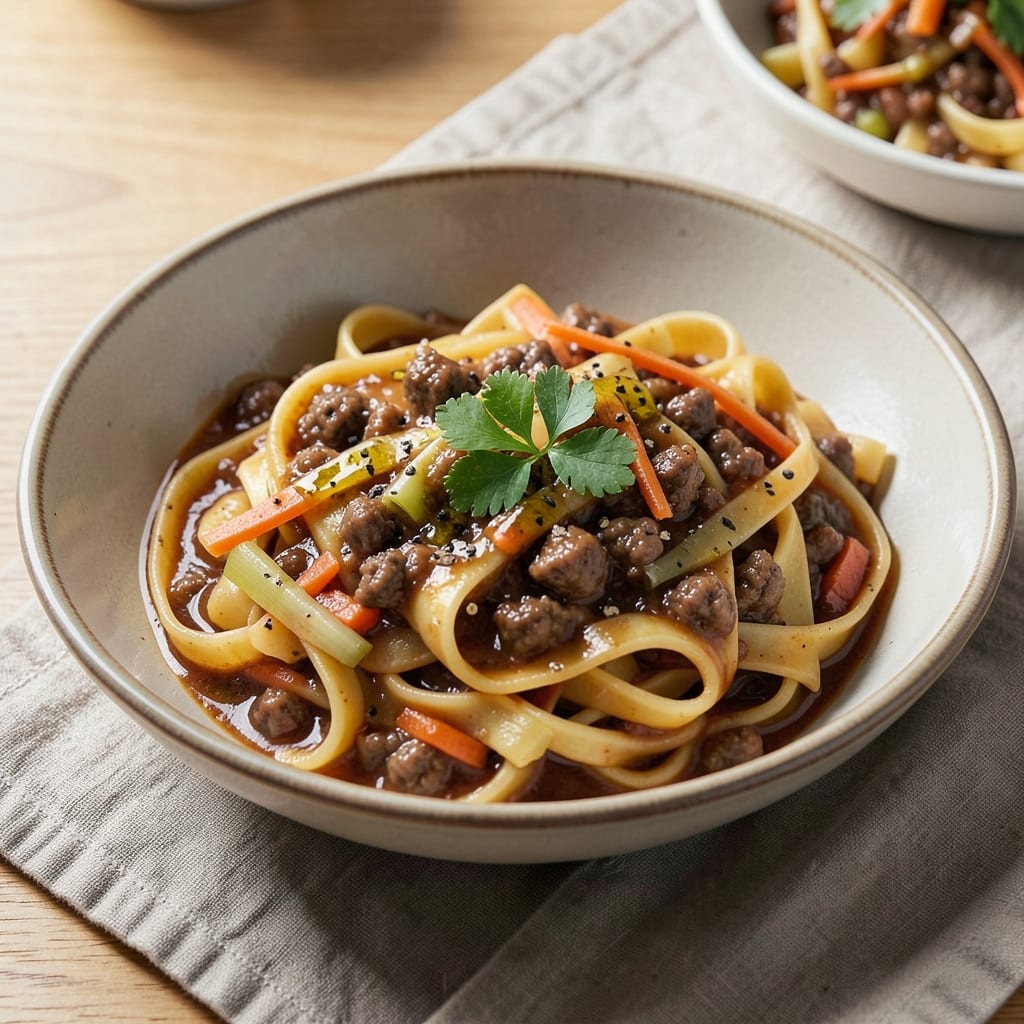
This authentic beef bolognese recipe delivers the deep, slow-simmered umami that makes Italian pasta nights unforgettable. The secret lies in proper browning of ground beef, slow reduction of tomato and wine, and the right balance of herbs—no shortcuts here. I've perfected this version after years of testing, ensuring every bite captures the soul of Emilia-Romagna.
The key to authentic flavor starts with high-quality ground beef (never lean cuts) and a proper soffritto base of onions, carrots, and celery. We'll deglaze with white wine, then let the ragù simmer for hours until thick and rich, developing layers of complex flavor. This isn't an instant sauce—it's a labor of love that transforms simple tagliatelle into a restaurant-worthy masterpiece.
What you'll achieve is a deep red, velvety sauce with tender beef pieces and concentrated tomato flavor that clings perfectly to pasta. The aroma alone will have everyone gathering at the table, and each forkful delivers that perfect balance of meaty richness, tangy tomato, and herby depth. This is the bolognese that makes you want to eat pasta every night.
Serve with al dente tagliatelle and finish with freshly grated Parmesan for the full experience. The slow cooking process means leftovers taste even better the next day—just reheat gently with a splash of pasta water. Let's create this classic that stands the test of time.
Ingredients for authentic beef bolognese
High-quality beef and fresh herbs make this bolognese taste like a restaurant classic.
| Ingredient | Amount | Notes |
|---|---|---|
| Ground Beef 🥩 | 1 ½ lb | 80% lean, finely ground |
| Yellow Onion 🧅 | 1 whole | Medium, finely diced |
| Carrot 🥕 | 1 whole | Medium, finely diced |
| Celery Stalks 🌿 | 2 whole | Medium, finely diced |
| Garlic Cloves 🧄 | 4 cloves | Fresh, minced |
| Dry White Wine 🍷 | ½ cup | Bold, like Pinot Grigio |
| Canned San Marzano Tomatoes 🍅 | 2 cups | Crushed or whole, no salt added |
| Tomato Paste 🍅 | 2 tbsp | Smooth, unsweetened |
| Beef Broth 💧 | 1 ½ cups | Homemade or high-quality |
| Fresh Rosemary 🌿 | 1 tbsp | Finely chopped leaves |
| Fresh Thyme 🌿 | 1 tbsp | Leaves only, chopped |
| Bay Leaves 🌿 | 2 whole | Dried, removed before serving |
| Extra-Virgin Olive Oil 🫒 | 2 tbsp | For browning beef |
| Diamond Crystal Kosher Salt 🧂 | 1 tsp | For seasoning |
| Freshly Ground Black Pepper 🌶️ | ½ tsp | Freshly cracked |
The beef is non-negotiable here—80% lean ground beef from the butcher's counter (not the pre-packaged stuff) gives you that perfect meaty texture. I always grab mine from Whole Foods or my local Italian market where they grind it fresh. Look for good marbling—it's what makes the sauce rich. The soffritto trio of onion, carrot, and celery? Finely diced (almost paste-like) so it melts into the sauce. If you're short on time, Trader Joe's sells pre-diced soffritto mixes that work in a pinch, but fresh is always better. The garlic and herbs? Fresh only—dried just won't cut it for that authentic flavor.
No white wine? Dry vermouth or even beef broth works in a bind, but the acidity is key. The San Marzano tomatoes are a splurge worth making—none of that watery canned tomato nonsense. If you can't find them, whole peeled tomatoes from a good brand will do. The tomato paste? No sugar added—some brands sneak it in, and you'll taste it. For the broth, homemade is ideal, but store-bought like Kitchen Basics is fine if you're in a hurry. The bay leaves add depth but disappear during cooking—don't skip them. And if you're out of fresh rosemary or thyme, dried works at half the amount, but fresh is worth the extra minute at the market.
This sauce tastes even better the next day—plan ahead. Store in an airtight container in the fridge for up to 5 days, or freeze for 3 months. I always make a double batch because it disappears so fast. When reheating, add a splash of beef broth or water to keep it from drying out. The leftovers reheat beautifully—just warm gently on the stove with a little pasta water. And if you're serving with pasta, tagliatelle or pappardelle are classic choices, but any pasta will work. Just don't overcook it—al dente is key.
Why You'll Love This Recipe
- One-Pot Magic: I swear by this recipe—just brown the beef, toss in the onions, carrots, and celery (that classic soffritto combo), and let it simmer. No extra pans, no fuss, and the flavors meld together like they’ve been cooking all day.
- Deep Umami Bomb: That slow-cooked beef with garlic and herbs? It’s the kind of rich, meaty depth that makes you forget about takeout. The carrots and celery add natural sweetness, balancing the savory beef perfectly—no fancy ingredients, just pure flavor.
- Meal Prep MVP: Make a big batch on Sunday, and you’ve got lunch or dinner covered all week. It reheats beautifully, and honestly? The second day is often better than the first. Freezer-friendly too—just portion it out and grab it when you need a quick, hearty meal.
- Budget-Friendly Powerhouse: Ground beef, onions, carrots, celery—these are pantry staples that won’t break the bank. A single batch stretches for multiple meals, and you’re left with a dish that feels special without the restaurant price tag. My wallet thanks me every time.
Step-by-step instructions for authentic beef bolognese
This classic Italian sauce builds depth through slow cooking—here's how to make it taste like Nonna's.
Build the Soffritto Base
Heat the 2 tablespoons extra-virgin olive oil in a heavy Dutch oven over medium-low heat. Add the finely diced yellow onion, finely diced carrot, and finely diced celery stalks—this trio is called soffritto, the flavor foundation. Cook for 10-12 minutes, stirring occasionally, until the vegetables soften and become translucent, releasing their sweet aroma.
Here's the thing—don't rush this step. The vegetables should cook until they're almost caramelized, not just softened. This takes time but creates that deep, sweet base that makes authentic Bolognese sing. If you see any browned bits forming, stir them into the vegetables so they dissolve into the sauce.
Brown the Beef and Add Aromatics
Increase heat to medium-high and add the 1.5 pounds ground beef, breaking it up with a wooden spoon. Cook for 8-10 minutes, stirring occasionally, until the beef loses its raw color and becomes deep brown in spots. This browning creates the Maillard reaction—those complex flavors that make Bolognese taste so rich.
Once the beef is browned, reduce heat to medium-low and add the minced garlic cloves, finely chopped fresh rosemary, finely chopped fresh thyme, and 2 whole bay leaves. Stir for 1 minute until the garlic becomes fragrant—don't let it burn, or it'll turn bitter. The herbs should just wilt slightly, releasing their essential oils into the beef mixture.
Deglaze and Build the Sauce
Pour in the ½ cup dry white wine and stir vigorously, scraping up all the browned bits from the bottom of the pot. Let it simmer for 3-4 minutes until the wine mostly evaporates and you're left with a glossy sheen. This deglazing step captures all the meaty flavors that would otherwise stick to your pot.
Next, add the 2 tablespoons tomato paste and stir to combine completely. Cook for 2 minutes until the paste darkens slightly—this deepens the sauce's color and flavor. Then add the 2 cups canned San Marzano tomatoes (crushed if using whole) and 1.5 cups beef broth. Stir well to incorporate everything, then bring to a gentle simmer.
Slow Simmer for Deep Flavor
Partially cover the pot with a lid and simmer over low heat for 2-2.5 hours, stirring occasionally. This long cooking time is non-negotiable for authentic Bolognese—it allows the flavors to meld and develop that rich, complex umami character. You'll notice the sauce gradually reduce and thicken as it cooks.
About 30 minutes before the end, season with the 1 teaspoon Diamond Crystal kosher salt and ½ teaspoon freshly ground black pepper. Taste the sauce as it nears the end—it should be rich, slightly sweet from the caramelized vegetables, and deeply savory. If it needs more acidity, add a pinch of sugar or a splash of vinegar. The sauce should coat the back of a spoon but still be loose enough to cling to pasta.
Finish and Serve
Remove the 2 bay leaves and discard them. Taste the sauce one final time and adjust seasoning if needed—this is your last chance before serving. The sauce should be perfectly balanced with bright acidity from the tomatoes, rich umami from the beef, and herbal notes from the rosemary and thyme.
Serve the Bolognese immediately over al dente pasta (like tagliatelle or pappardelle), reserving some pasta water to thin the sauce if needed. The authentic version doesn't need cheese—it's rich enough on its own. Garnish with fresh parsley if you like, but trust me, the real star is that slow-simmered sauce.
Pro Tips For Making Authentic Beef Bolognese
- Brown the Beef Properly: I learned this the hard way—skipping the sear makes your bolognese taste like ground beef loaf, not sauce. Break the meat into small chunks, then cook it in batches over medium-high heat until deep brown, not just pink. That crust is where the flavor lives, and rushing it means missing half the point.
- Sweat the Veggies Slow: Diced onion, carrot, and celery should cook until soft and translucent—not crisp, not burnt—before adding garlic. Cover the pan for the first 5 minutes to help them break down faster, then uncover and let them steam-dry. This builds the base flavor without turning it into mush.
- Salt the Meat First: Season the ground beef with a teaspoon of salt before browning—it renders the fat better and keeps the meat juicy. I know, I know, you’re used to salting at the end, but trust me: this small step makes the texture richer and prevents a dry, gritty bolognese.
- Deglaze with Wine: After browning the beef, don’t just add tomato sauce—deglaze the pan with a splash of red wine (even just ¼ cup) and let it reduce by half. This pulls up all the stuck-on browned bits (fond) that give authentic bolognese its depth. Skip it, and you’re missing the soul of the dish.
Creative variations of this recipe
Italian-Style Ragù
This version swaps beef for a mix of ground pork and pancetta (½ lb each) to mimic traditional Italian ragù from Bologna. Cook the pork and pancetta together until browned, then proceed with the soffritto and wine deglazing. The fat from the pancetta adds incredible richness, and you'll need to reduce the broth to 1 cup since pork releases more moisture. Simmer for 2.5 hours—the pork cooks faster than beef, so check it at 2 hours. 🍖
Vegetarian Adaptation
For a meat-free version, replace the beef with 1 lb mushrooms (cremini or portobello) and ½ lb lentils (cooked). Sauté the mushrooms first until deeply browned, then add them to the soffritto. Use 1 cup vegetable broth instead of beef broth, and add 1 tsp soy sauce for umami depth. Simmer for 1.5 hours—vegetarian ragù needs less time. The lentils add hearty texture while keeping it plant-based. 🌱
Spicy Calabrian Twist
Add 1 tbsp Calabrian chili paste when you deglaze with wine for a fiery kick. This Southern Italian variation works beautifully with beef bolognese. For extra heat, sprinkle ½ tsp red pepper flakes at the end. Pair with fresh basil instead of parsley for a brighter finish. The chili paste brings sweetness and heat that balances the richness perfectly. 🌶️
Creamy Parmesan Finish
For a modern twist, stir in ¼ cup freshly grated Parmesan and 2 tbsp heavy cream during the final 15 minutes of simmering. This creates a velvety texture while keeping the sauce authentic. Reserve ¼ cup pasta water before adding the sauce to pasta—this prevents the sauce from breaking. The cream should be warmed first to prevent curdling. 🧀
Slow Cooker Version
Transfer all ingredients (except salt and pepper) to a 6-quart slow cooker and cook on Low for 8 hours or High for 4 hours. The slow cooker's gentle heat mimics traditional simmering. Stir once halfway through, then season with salt and pepper at the end. This hands-off method is perfect for weeknight dinners while delivering authentic flavor. ⏳
White Wine Substitute
If you're out of white wine, use ½ cup beef broth or dry vermouth for deglazing. For extra depth, add 1 tsp balsamic vinegar with the tomatoes. The acidity helps balance the richness, and the balsamic adds complexity. Just remember—wine's acidity is key for authentic flavor development. 🍷
Nutrition facts
Frequently asked questions
Why does authentic Bolognese take so long to cook?
The 2-2.5 hour simmer is essential for developing deep, complex flavors through the Maillard reaction and slow breakdown of meat fibers. This gradual process creates the rich umami character that separates homemade sauce from quick versions. Think of it like a fondue—patience pays off with every bite.
Can I use ground turkey or chicken instead of beef?
While possible, it won't be authentic. Ground turkey or chicken lacks the fat and connective tissue that creates Bolognese's signature richness. If you must substitute, use 85% lean ground beef or add 1 tbsp olive oil to compensate for lost fat. The texture and flavor will differ noticeably.
What's the best pasta shape for serving?
Traditional choices are tagliatelle or pappardelle—their flat surfaces catch the sauce beautifully. Ribbon pasta like fettuccine works too, but avoid small shapes like penne that can't hold the sauce. Cook pasta al dente (1 minute less than package instructions) for perfect texture.
How do I fix Bolognese that's too thick or too thin?
For thick sauce, add 2-3 tbsp pasta water while stirring. For thin sauce, simmer uncovered for 10-15 minutes to reduce. Never add water directly—it dilutes flavors. The sauce should coat the back of a spoon but remain loose enough to cling to pasta.
Can I make this in a regular pot instead of a Dutch oven?
Yes, but use a heavy-bottomed pot to prevent burning. The Dutch oven's thick base distributes heat evenly, but any pot will work if you monitor the heat closely. Just stir more frequently to prevent sticking. The key is maintaining a gentle simmer throughout the cooking process.