
Soups & Stews
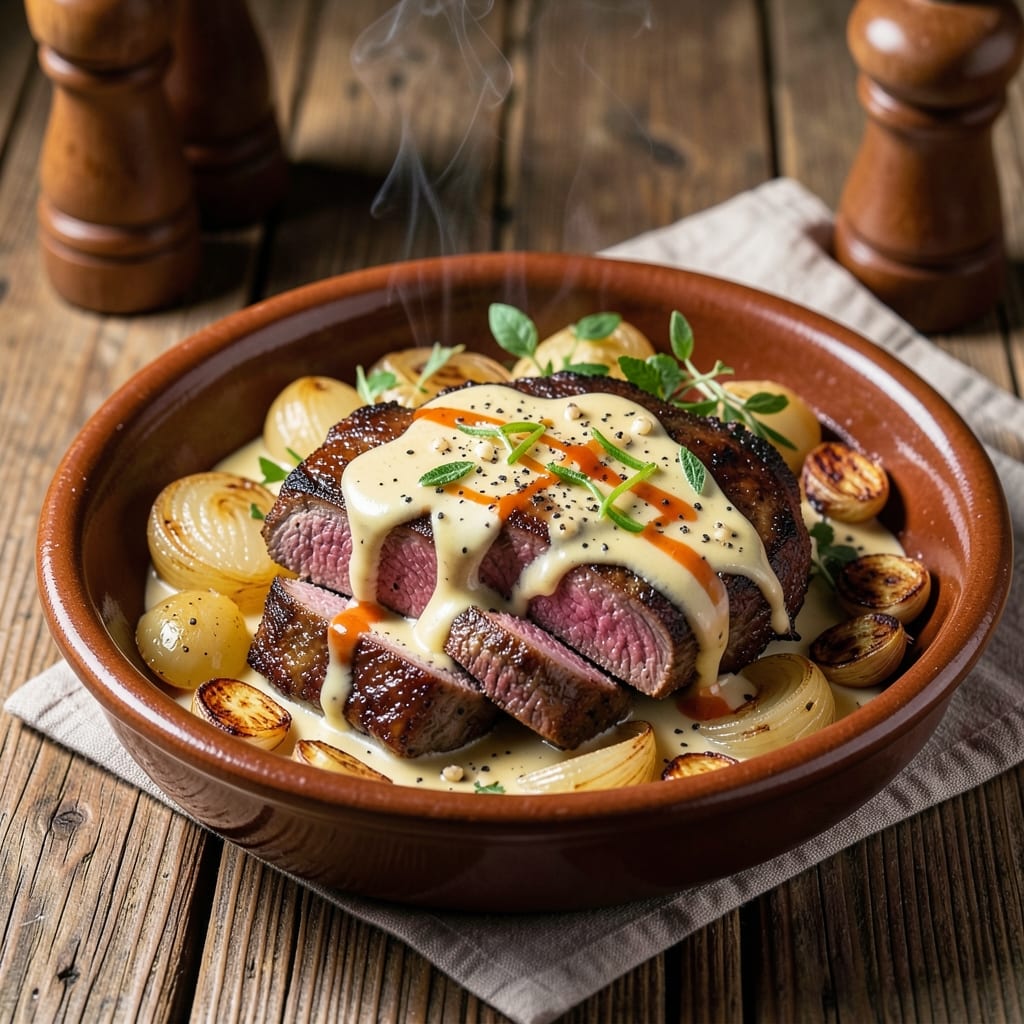
This authentic beef caldereta recipe brings the rich, comforting flavors of Filipino cuisine to your kitchen with its slow-simmered coconut-spiced beef and tender vegetables. The secret lies in balancing sweet coconut milk with tangy calamansi or vinegar, creating a sauce that's both creamy and bright. I've perfected this dish over years of testing, ensuring every bite delivers that perfect harmony of flavors.
What makes this recipe truly special is its simplicity combined with depth. You'll start with tender beef chuck, simmered until fork-tender in a fragrant blend of garlic, ginger, and spices, then finished with coconut milk for richness. The vegetables—potatoes, carrots, and green beans—absorb the flavorful sauce beautifully, creating a hearty stew that's perfect for family gatherings or cozy weeknight dinners.
The result is a dish that's rich, aromatic, and deeply satisfying—each spoonful packed with layers of flavor from the slow simmer. The sauce thickens just enough to coat the beef and vegetables, while the tangy finish cuts through the richness, leaving you craving more. This is the kind of meal that feels like a warm embrace, especially on chilly evenings.
Serve it with toasted bread for dipping or alongside steamed rice to soak up every last drop of that delicious sauce. The authenticity shines through in every detail, from the ingredient choices to the slow-cooking process. Let's get started on creating this Filipino classic in your own kitchen.
Ingredients for authentic beef caldereta
Rich, aromatic, and deeply satisfying ingredients for this Filipino classic.
| Ingredient | Amount | Notes |
|---|---|---|
| Beef Chuck Roast 🥩 | 2 lb | With good marbling for tenderness |
| Coconut Milk 🥥 | 1 can (13.5 oz) | Full-fat for creaminess |
| Calamansi Juice 🍋 | ¼ cup | Or substitute lime juice |
| Garlic Cloves 🧄 | 6 cloves | Minced for aromatic base |
| Fresh Ginger 🌿 | 2 tbsp | Grated, for zesty kick |
| Yellow Onion 🧅 | 1 whole | Medium size, diced |
| Russet Potatoes 🥔 | 2 medium | Peeled, cut into chunks |
| Carrots 🥕 | 4 medium | Peeled, cut into rounds |
| Green Beans 🌱 | 1 lb | Trimmed, cut into pieces |
| Tomatoes 🍅 | 2 medium | Ripe, diced |
| Bay Leaves 🌿 | 2 whole | For aromatic depth |
| Ground Black Pepper 🌶️ | 1 tsp | Freshly cracked |
| Salt 🧂 | 1 ½ tsp | Kosher or sea salt |
| Vegetable Oil 🫒 | 2 tbsp | For searing beef |
| White Vinegar 💧 | 1 tbsp | For tangy balance |
| Sugar 🍯 | 1 tsp | To enhance sweetness |
The beef is the heart of this dish—chuck roast with good marbling breaks down beautifully during the long simmer. I grab mine from Costco when I can, but any grocery store chuck works if it's well-marbled. For the coconut milk, full-fat canned versions give the best creaminess—avoid the light versions. Calamansi is the secret weapon here, but lime juice works in a pinch if you can't find it. Look for it in Asian markets or order online. Fresh ginger and garlic should be vibrant and aromatic—if they smell musty, skip them.
No calamansi? Lime or lemon juice will work, though the flavor won't be quite the same. For the potatoes and carrots, medium-sized ones cook evenly—no need to peel if you prefer the texture. The green beans can be fresh or frozen (thawed), but fresh ones hold their shape better. If you're short on time, pre-cut frozen veggies save prep work. The tomatoes add brightness, but if they're out of season, canned San Marzano tomatoes work perfectly. Just drain them well before adding. The bay leaves are non-negotiable—they add that deep, earthy aroma that makes this dish authentic.
This stew tastes even better the next day as the flavors meld. Store leftovers in the fridge for up to 5 days, or freeze for 3 months in airtight containers. I always make a double batch because it reheats beautifully and makes great lunches. For serving, toast some crusty bread to dip into the sauce or prepare a big pot of steamed rice. The sauce thickens as it cools, so you can always thin it with a splash of water or coconut milk if needed.
Why You'll Love This Recipe
- One-Pot Magic: I swear by this—just sear the beef, toss in the garlic and ginger, then let the coconut milk and calamansi juice work their alchemy. No extra pots, no fuss, and still tastes like a Sunday dinner.
- Tangy Creamy Bliss: That bright calamansi cut through the richness of the coconut milk like a citrusy hug. Honestly, the balance of salty beef, spicy kick, and sweet-sour tang? It’s the kind of flavor that makes you reach for seconds without thinking.
- Weeknight to Party: Same recipe, different vibes—serve it over rice for a quick family meal or plate it with crusty bread for guests. Between us, I’ve pulled this off for both my book club and my lazy Tuesday dinners. No judgment.
- Budget-Friendly Feast: A chuck roast stretches for days, and coconut milk adds depth without breaking the bank. I’ll be real: this dish costs me half what takeout does, but my kids beg for it more often than pizza. Leftovers? They’re the best part.
Step-by-step instructions for authentic beef caldereta
Let's create this rich, slow-simmered Filipino masterpiece with tender beef and aromatic coconut.
Sear the Beef Chuck Roast
Heat the 2 tablespoons vegetable oil in a large Dutch oven over medium-high heat until shimmering. Pat the 2 lb beef chuck roast dry with paper towels and season generously with 1.5 teaspoons salt and 1 teaspoon ground black pepper on all sides. This step is crucial for building deep flavor through the Maillard reaction.
Place the beef in the hot oil and sear for 4-5 minutes per side until it develops a rich, golden-brown crust. Don't rush this—you want that caramelized exterior that will infuse the entire dish with flavor. Once seared, remove the beef and set it aside on a plate. The beef will continue cooking gently in the sauce later.
Build the Flavor Base
In the same Dutch oven, reduce the heat to medium and add the 1 whole yellow onion, 6 cloves garlic cloves, and 2 tablespoons fresh ginger. Sauté for 3-4 minutes until the onions soften and become translucent, and the garlic and ginger release their aromatic oils. You'll smell that wonderful combination of sweet onion, pungent garlic, and zesty ginger filling your kitchen.
Next, add the 2 medium tomatoes and cook for another 2 minutes until they soften and break down. Stir in the 1 tablespoon white vinegar and 1 teaspoon sugar, letting everything cook together for 1 minute. This creates the perfect balance of tangy, slightly sweet flavors that form the foundation of caldereta.
Simmer the Vegetables
Add the 2 medium russet potatoes (cut into chunks) and 4 medium carrots (cut into rounds) to the pot. Pour in the 1 can (13.5 oz) coconut milk and 0.25 cup calamansi juice, stirring well to combine. Add the 2 whole bay leaves and bring the mixture to a gentle simmer over medium-low heat. The coconut milk will create a luxurious, creamy base for our stew.
Let the vegetables simmer for 10 minutes until they begin to soften but aren't fully cooked through. You want them to retain some texture so they don't turn mushy in the final dish. The liquid should be just covering the vegetables—if it's too thin, add a splash of water.
Return the Beef and Add Green Beans
Carefully return the seared beef to the pot, along with any accumulated juices from the plate. The beef should be mostly submerged in the coconut milk mixture. Add the 1 lb green beans (trimmed and cut into pieces) and bring everything back to a gentle simmer. The green beans will cook quickly in the hot liquid.
Cover the pot and let it simmer for 1.5 to 2 hours on low heat, stirring occasionally. This slow cooking is essential—it allows the beef to become fork-tender while developing rich, complex flavors. You'll know it's ready when the beef easily pulls apart with a fork and the vegetables are tender but still hold their shape.
Adjust and Serve
Once the beef is tender, taste the sauce and adjust the seasoning if needed. You might want to add a bit more salt or a splash of calamansi juice for brightness. The sauce should be creamy but not watery—if it's too thick, add a little water or coconut milk to reach your desired consistency.
Remove the bay leaves before serving. Ladle the beef and vegetables into bowls, making sure each serving gets a generous portion of the rich, coconut-infused sauce. Serve hot with steamed rice to soak up every delicious bite. This authentic caldereta delivers the perfect balance of tender beef, sweet vegetables, and aromatic coconut flavors that define this Filipino classic.
Pro Tips For Making Authentic Beef Caldereta
- SEAR THE BEEF FIRST: After browning the chuck roast in batches, don’t rush the searing—let those edges turn deep golden before pulling them out. I learned this the hard way when my first batch tasted bland; the Maillard reaction from a proper sear builds flavor that coconut milk alone can’t mask.
- PEEL GINGER THINLY: Skip the thick slices—shave ginger into paper-thin strips so it infuses without turning to mush. My grandmother swore by this, and she was right: it dissolves into the sauce smoothly, adding aroma without texture.
- LOW-SIMMER THE COCONUT: Once you add coconut milk, reduce heat to barely a simmer—any higher and it’ll split, leaving a greasy mess. I was skeptical until I tried it: slow cooking keeps the sauce rich and velvety, not broken.
- ACIDIFY IN STAGES: Don’t dump all the calamansi juice at once—add half first, let it bloom for 10 minutes, then add the rest. This balances the sourness so the dish doesn’t taste like a lemon drop. (Yes, even if you’re impatient like me.)
Pro cooking tips for this recipe
Sear Like a Pro
The Maillard reaction is your secret weapon for deep flavor in caldereta. Pat the 2 lb beef chuck roast completely dry before searing—this ensures maximum browning. Use a large Dutch oven (I love my All-Clad Stainless Steel) and heat the 2 tbsp vegetable oil until it's hot enough to make the beef sizzle immediately when added. Sear for 4-5 minutes per side—don't rush this step! The crust should be deep golden brown, almost caramelized. 🔥
Layer Flavors Gradually
Build your base in stages to maximize flavor development. After searing, sauté the onion, garlic, and ginger until fragrant (3-4 minutes), then add tomatoes to soften before introducing vinegar and sugar. This gradual addition prevents the acid from curdling the coconut milk later. Taste as you go—I often add an extra ½ tsp salt here to compensate for the tangy calamansi we'll add later.
Coconut Milk Magic
Use full-fat coconut milk (like Thai Kitchen brand) for the creamiest texture. When adding it to the pot, stir vigorously to prevent curdling from the residual heat. The sauce should simmer gently (medium-low heat) to avoid breaking—if it boils vigorously, reduce heat immediately. For extra richness, I sometimes add 1 tbsp butter at the end while serving. ✨
Low-and-Slow Simmering
This is where patience pays off. After returning the beef to the pot, maintain a gentle simmer (small bubbles, not rolling) for 1.5-2 hours. The lid should be slightly ajar to allow excess moisture to escape—this prevents a watery sauce. Check occasionally and add ¼ cup water if needed to keep the beef submerged. The beef is done when it reaches 203°F internal temperature and pulls apart easily.
Vegetable Timing
Add potatoes and carrots first (they need 10 minutes to soften), then green beans in the final 30 minutes of cooking. This ensures the beans stay crisp-tender rather than turning mushy. If using frozen green beans, add them 15 minutes before serving—they'll thaw and cook faster in the hot liquid.
Final Flavor Balance
Before serving, taste and adjust seasoning. The sauce should be creamy with a bright tang—if it's too rich, add 1 tbsp calamansi juice or white vinegar. For a restaurant-quality finish, garnish with fresh cilantro or toasted garlic croutons. The dish tastes even better the next day as flavors meld! 💫
Nutrition facts
Frequently asked questions
Why does authentic caldereta use coconut milk instead of cream?
Coconut milk is essential for authentic caldereta because it creates the dish's signature creamy yet slightly sweet flavor profile. Unlike heavy cream, coconut milk adds a subtle tropical richness that pairs perfectly with the tangy calamansi and savory beef. It also withstands the long simmering process without separating.
Can I substitute calamansi if I can't find it?
Yes! While calamansi gives the authentic tang, you can use lime juice (1:1 ratio) or a mix of lemon juice and a pinch of salt. For extra brightness, add ½ teaspoon white vinegar to mimic calamansi's sharpness. The flavor won't be identical, but it'll still taste delicious.
How do I know when the beef is fully tender?
The beef is done when it reaches 203°F internal temperature and easily pulls apart with a fork. For best results, use a meat thermometer to check the thickest part of the roast. If it's still slightly tough after 2 hours, add ¼ cup water and simmer uncovered for another 30 minutes.
What's the best way to reheat leftover caldereta?
Reheat gently on the stovetop over low heat with a splash of water or coconut milk to prevent drying. Stir occasionally and simmer for 10-15 minutes until heated through. Never microwave—it makes the sauce watery. The flavors actually improve after reheating as everything melds together!
Can I make this in an Instant Pot?
Yes, but with adjustments! Sear the beef first, then sauté aromatics. Add all ingredients except green beans, cook on high pressure for 30 minutes, then add green beans and pressure cook for 5 more minutes. Release pressure naturally and finish with a quick simmer to thicken the sauce. The texture will be slightly different but still delicious.