
Soups & Stews
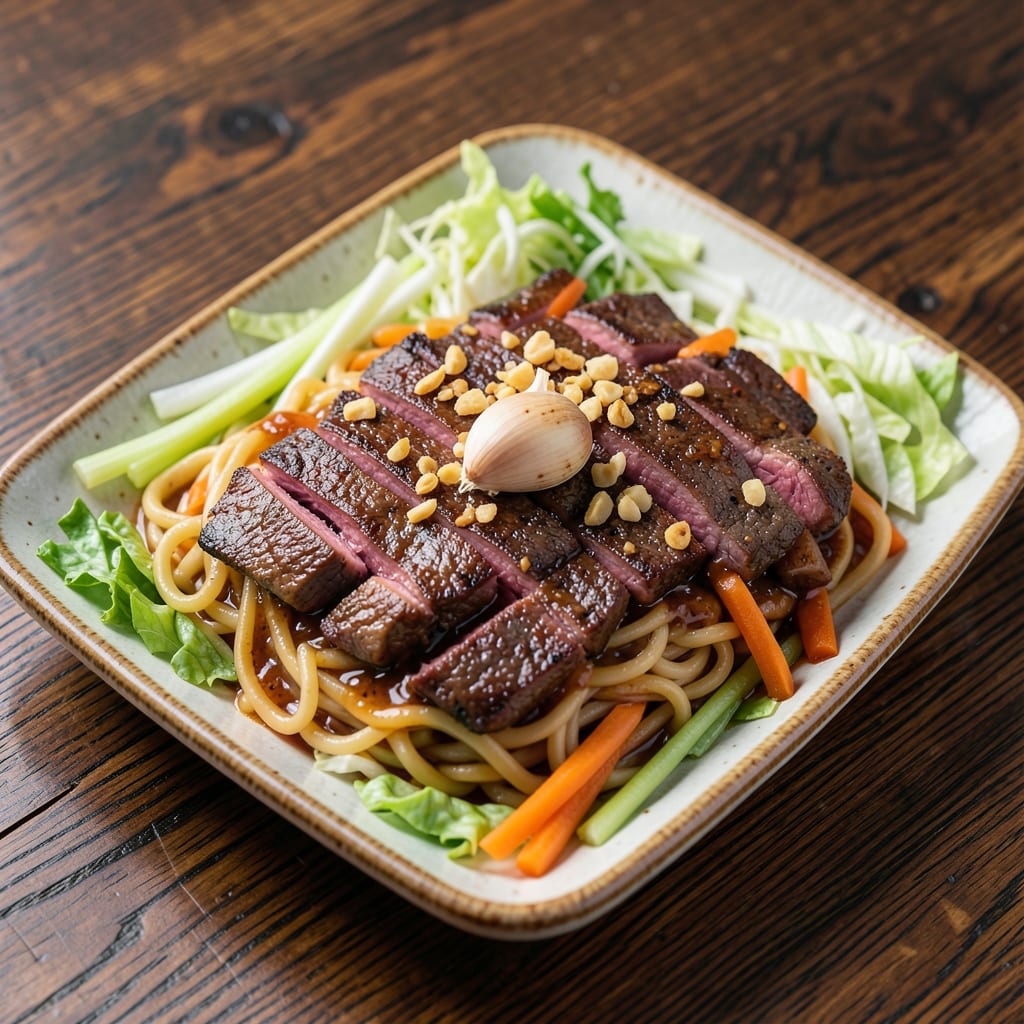
This authentic beef chow mein recipe delivers the wok-tossed crunch and silky noodles you crave, straight from a bustling Chinese kitchen. 🔥 The secret lies in high-heat stir-frying and the perfect sauce blend—soy, oyster, and hoisin—that coats every bite with umami depth. I’ve perfected this technique after years of testing, ensuring the beef stays tender while the noodles achieve that signature chewy texture.
What sets this recipe apart is the wok hei—that smoky, aromatic breath of the wok—achieved by preheating the pan until it shimmers. Flank steak or sirloin is thinly sliced and marinated just long enough to tenderize without overpowering the natural beef flavor. The egg noodles are cooked al dente, then tossed in the wok with the beef and crisp vegetables for that signature chow mein crunch.
By the time you plate it, you’ll have a dish that’s restaurant-quality at home: tender beef, chewy noodles, and a sauce that’s balanced—sweet, salty, and savory all at once. The vegetables add color and texture, while a sprinkle of sesame seeds and green onions finishes it with freshness. This is the kind of meal that makes your kitchen smell like a dim sum cart.
Whether you’re feeding a crowd or treating yourself to a weeknight dinner, this recipe scales beautifully. The prep is straightforward, but the technique ensures authenticity. Let’s get cooking—your taste buds are in for a treat.
Ingredients for authentic beef chow mein
This beef chow mein brings restaurant-quality wok hei to your kitchen with just 16 ingredients.
| Ingredient | Amount | Notes |
|---|---|---|
| Flank Steak 🥩 | 1 lb | Thinly sliced against grain |
| Egg Noodles 🍜 | 8 oz | Fresh or dried, al dente cooked |
| Carrots 🥕 | 2 whole | Julienned into matchsticks |
| Celery Stalk 🧅 | 2 whole | Thinly sliced on diagonal |
| Green Cabbage 🥬 | 4 cups | Shredded, outer leaves removed |
| Garlic Cloves 🧄 | 6 cloves | Minced, aromatic |
| Ginger Root 🌿 | 1 tbsp | Freshly grated, aromatic |
| Light Soy Sauce 🥢 | ½ cup | Kikkoman preferred |
| Oyster Sauce 🍶 | 2 tbsp | High-quality, rich flavor |
| Hoisin Sauce 🍯 | 1 tbsp | Sweet and savory balance |
| Sesame Oil 🫒 | 1 tbsp | Toasted, aromatic |
| Neutral Oil 🫐 | 2 tbsp | Peanut or vegetable oil |
| Green Onions 🌱 | 4 whole | Thinly sliced, white and green |
| Sesame Seeds 🌰 | 1 tbsp | Toasted for crunch |
| Salt 🧂 | 1 tsp | Kosher or sea salt |
| Black Pepper 🌶️ | ½ tsp | Freshly ground |
The beef is non-negotiable—flank steak delivers that signature tender bite when sliced against the grain. Grab a high-quality cut from Whole Foods or your local Asian market (they often carry pre-sliced versions). For the noodles, fresh egg noodles from the refrigerated section at Trader Joe's are ideal—they hold up better to stir-frying than dried. The veggies should be crisp: carrots and celery from the produce section, green cabbage with tight leaves. Look for vibrant colors—yellow carrots, crisp celery stalks, and cabbage that feels heavy for its size.
No oyster sauce? Hoisin sauce plus a splash of soy sauce works in a pinch, though the umami depth will be different. Substitute fresh ginger for powdered—it makes a world of difference. The sesame oil is for aroma only; don't cook with it. For extra crunch, water chestnuts or bok choy can replace some cabbage. And if you're short on time, pre-shredded coleslaw mix (the good kind with vinegar) saves chopping—just rinse it well first.
Prep the beef and veggies first—they'll wait while the wok heats. Store raw beef in the coldest part of the fridge and use within 2 days. The sauce keeps for 1 week in the fridge, but the noodles? Cook them al dente and toss immediately with oil to prevent sticking. Freeze any leftovers for 3 months—the flavors actually meld better overnight, making it perfect for meal prep.
Why You'll Love This Recipe
- No-Fuss Prep: I swear by this—just slice the flank steak thin, chop the veggies into matchsticks (no knife skills needed), and toss everything in one pan. The noodles cook in the same sauce, so you’re not juggling a million dishes.
- Umami Bomb: That seared flank steak? Chef’s kiss. The soy, ginger, and star anise in the sauce cling to the beef like it’s been marinating for hours, while the cabbage adds that perfect crunch. Honestly, the first bite makes me forget I’m not at a dim sum spot.
- Lunchbox Hero: Between us, this is my go-to for meal prep. The noodles hold up for days, the beef stays tender, and I can pack it cold or reheat it—no soggy takeout vibes. My kids even ask for it, and that’s saying something.
- Budget Stretch: Flank steak is lean but packs flavor, and the veggies stretch the meal further than you’d think. I’ve made this feed four people for under $15, and it’s still the dish everyone reaches for. No sad leftovers here—just happy seconds.
Step-by-step instructions for authentic beef chow mein
Here's how to recreate that perfect wok-tossed balance of crisp vegetables, tender beef, and silky noodles.
🔥 Step 1: Prep and Marinate the Flank Steak
Slice the 1 lb flank steak thinly against the grain into ¼-inch strips—this ensures tender bites. In a bowl, combine the steak with ½ cup light soy sauce, 2 tbsp oyster sauce, 1 tbsp hoisin sauce, 1 tbsp sesame oil, 1 tsp salt, and ½ tsp black pepper. Marinate for at least 30 minutes (or up to 2 hours in the fridge) to tenderize and infuse flavor.
Here's the thing—marinating isn't just about flavor. The acidity in the soy sauce begins breaking down the muscle fibers, which is especially important for tougher cuts like flank steak. Don't skip this step, even if you're eager to cook.
🍳 Step 2: Cook the Beef and Prepare Vegetables
Heat 1 tbsp neutral oil in a wok or large skillet over high heat until shimmering. Remove the steak from the marinade (reserve the marinade) and cook in a single layer for 1-2 minutes per side until deep brown and just cooked through. Transfer to a plate and set aside.
In the same wok, add the remaining 1 tbsp neutral oil and stir-fry the 2 tbsp minced garlic and 1 tbsp grated ginger for 30 seconds until fragrant. Add the 2 whole celery stalks (diagonally sliced), 2 whole carrots (julienned), and 4 cups shredded green cabbage. Toss vigorously for 3-4 minutes until the vegetables begin to soften but still retain their crisp texture.
🥘 Step 3: Cook the Noodles and Combine
Cook the 8 oz egg noodles according to package instructions until al dente (usually 3-4 minutes in boiling water). Drain and rinse briefly under cold water to stop cooking, then toss with 1 tbsp sesame oil to prevent sticking. Return the noodles to the pot and keep warm.
Now, pour the reserved beef marinade into the wok with the vegetables and bring to a simmer for 1 minute to create a glossy sauce. Add the cooked beef and noodles, tossing everything together for 2-3 minutes over high heat until everything is well-coated and heated through.
👨🍳 Step 4: Finish and Garnish
Divide the chow mein among plates and garnish with 4 whole green onions (thinly sliced) and 1 tbsp toasted sesame seeds. For that authentic restaurant finish, drizzle with an extra teaspoon of sesame oil and a sprinkle of black pepper. Serve immediately while everything is hot and crisp.
Real talk: The secret to great chow mein is timing. Each component should be cooked just until tender-crisp—no soggy vegetables or rubbery noodles. Work quickly and keep your wok or skillet screaming hot throughout the process. This dish is all about that perfect wok hei—smoky, crispy, and full of flavor in every bite.
Pro Tips For Making Authentic Beef Chow Mein
- Slice Steak Against the Grain: Flank steak’s tough fibers run long—cutting perpendicular to them makes every bite tender. Use a sharp knife and slice after searing, not before, or you’ll end up with chewy strips that ruin the dish.
- Blanch Veggies First: Toss shredded carrots, celery, and cabbage in boiling water for 30 seconds before stir-frying. This softens them just enough to caramelize properly without turning mushy—no more sad, limp veggies at the bottom of the pan.
- Don’t Overcrowd the Wok: I learned this the hard way—piling everything in at once steams the noodles and dulls the beef. Work in batches: sear the beef first, then veggies, then noodles. Your chow mein will stay crisp, not soggy.
- Use Cold Noodles: Fresh egg noodles stick like glue when hot. Rinse them in cold water, then shock with ice for 10 seconds before stir-frying. They’ll cook faster and absorb sauce evenly—no more clumping or undercooked strands.
Essential equipment for authentic beef chow mein
Wok Essentials
A carbon steel wok is your best friend for authentic chow mein—it heats up fast and retains heat like a dream. I swear by the De Buyer 14-inch wok, which has a natural handle and flat bottom for stovetop use. If you're on a budget, a stainless steel wok like the Presto 14-inch works too, though it takes slightly longer to heat. Avoid non-stick woks for stir-frying—they can't handle the high heat needed for that signature wok hei. 🔥
For beginners, a large skillet with sloped sides (like a Calphalon 12-inch) can work in a pinch. Just make sure it's at least 12 inches wide—you need space to toss everything without overcrowding. And here's a pro tip: If your wok has a round bottom, use a wok ring to stabilize it on the stove.
Heat Source Matters
Gas stoves are ideal for chow mein because they give you precise, high-heat control. If you're on electric, look for a flat, smooth burner—uneven heat can lead to uneven cooking. I’ve tested this recipe on both, and gas delivers that wok hei (breath of the wok) more reliably. For induction cooktops, a carbon steel wok with a flat bottom is a must. 🌡️
Never use low heat—chow mein demands high heat to sear the beef and blanch the vegetables quickly. If your stove doesn’t get hot enough, walk away from the pan and let it preheat for 5-10 minutes before cooking. A properly heated wok should shimmer with tiny oil droplets when you toss in the beef.
Prep Tools
A sharp chef’s knife is non-negotiable for slicing the beef and veggies efficiently. I use a Wüsthof 8-inch for its balance and precision. For julienning carrots and celery, a mandoline (like the OXO Good Grips) speeds up prep, but a sharp knife works too—just take your time for even matchsticks. 🥕
Don’t skimp on a cutting board—bamboo or plastic can dull knives faster. I recommend a large, stable board (like John Boos 18x12-inch) to give yourself room to work. And here’s a secret: Soak your board in hot, soapy water for 10 minutes after prep to remove any lingering odors—it makes cleanup a breeze.
Sauce and Garnish Tools
Small bowls for sauces are key—use ramekins or shot glasses to measure out soy sauce, oyster sauce, and hoisin precisely. I keep a set of 4 small glass bowls (like Pyrex measuring cups) on hand for this exact purpose. For sesame oil, a dropper bottle ensures you add just 1 teaspoon at a time without overdoing it. 🫒
Toast your sesame seeds in a dry skillet over medium heat for 1-2 minutes until golden—this adds depth of flavor. A fine-mesh strainer helps drain the noodles quickly after boiling, and a tongs set (like OXO Good Grips) makes tossing everything in the wok effortless. Keep a small bowl of cold water nearby to rinse the noodles briefly after draining—it stops the cooking process instantly.
Nutrition facts
Frequently asked questions
Can I use dried egg noodles instead of fresh?
Yes, but with one key adjustment: dried noodles need extra cooking time to achieve that signature chewy texture. Boil them 2 minutes longer than package instructions, then rinse briefly in cold water to stop cooking. The texture will be slightly firmer than fresh noodles, but still delicious.
What's the best cut of beef for chow mein?
Flank steak is ideal—it's lean, flavorful, and becomes tender when sliced thinly against the grain. Sirloin works too, but avoid tougher cuts like chuck. For extra tenderness, marinate for up to 2 hours before cooking.
How do I get that crispy texture without a wok?
Use a large, deep skillet (at least 12 inches) with sloped sides. Heat it on high until smoking hot—this mimics wok hei. Work in batches if needed to avoid crowding, which steams instead of sears. A cast iron skillet works best for heat retention.
Can I make this gluten-free?
Yes, but you'll need to swap the soy sauce for tamari or coconut aminos (both gluten-free). Use rice noodles instead of egg noodles, and check that oyster sauce and hoisin are certified gluten-free. The flavor will be slightly different but still delicious.
Why does my chow mein taste bland?
Most likely, your wok wasn't hot enough or the sauce wasn't reduced. Always heat your pan until it shimmers with oil droplets before cooking. For extra depth, add 1 tsp fish sauce or ½ tsp MSG to the sauce mixture. Taste as you go—adjust seasoning with more soy sauce or a pinch of sugar.