
Main Courses
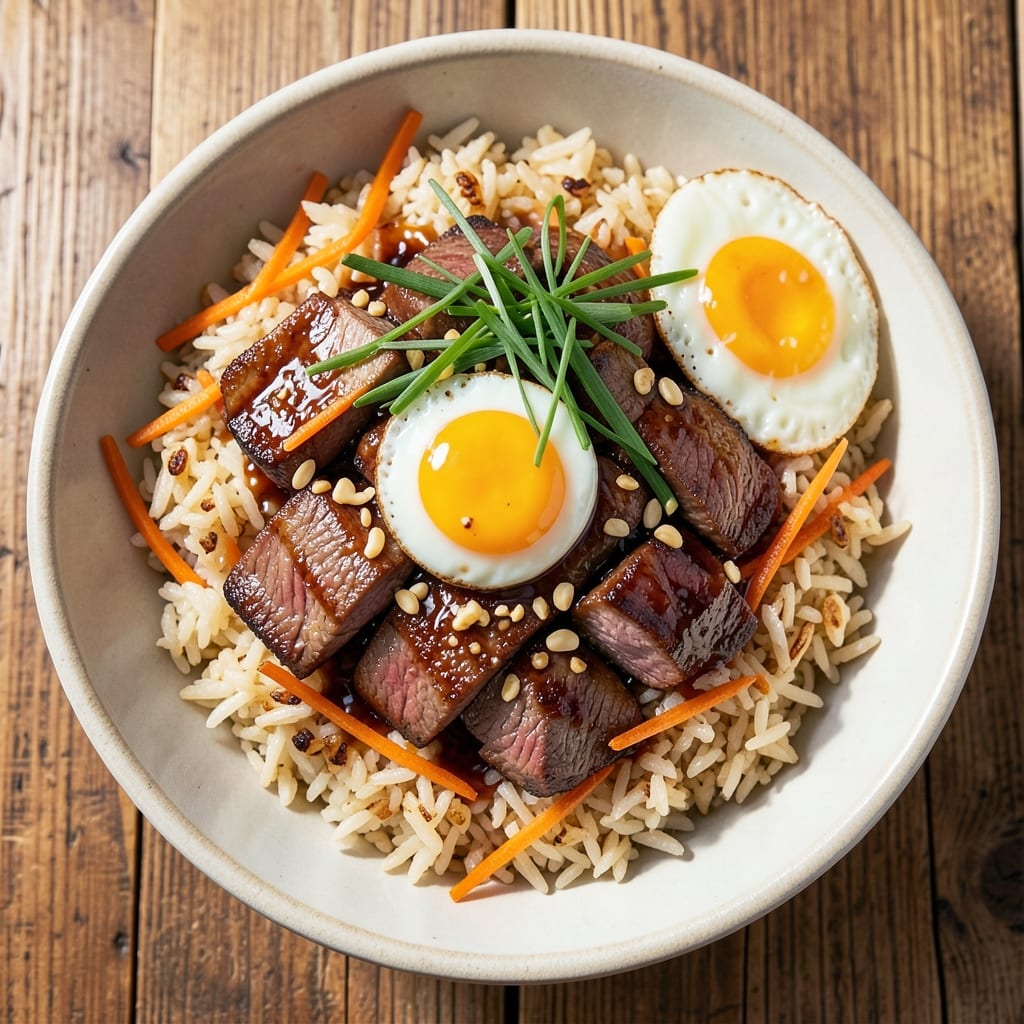
This authentic beef fried rice recipe delivers the smoky, umami-packed flavor of a Cantonese wok hei in just 20 minutes—no shortcuts, just technique. The secret lies in properly prepping day-old rice (never fresh!) and searing thinly sliced beef until it develops that signature wok char. I’ve perfected this version after years of testing, balancing sweet, salty, and savory notes with precise soy sauce and oyster sauce ratios.
What sets this recipe apart is the layered texture—crispy beef, tender eggs, and perfectly stir-fried vegetables all tossed with aromatic garlic, ginger, and scallions. The rice must be dry and separate, absorbing the sauce without turning mushy, while the beef stays juicy despite quick cooking. This isn’t just fried rice; it’s a restaurant-quality dish built on authentic wok methods.
By the time you plate it, you’ll have a dish that’s visually striking—golden-brown beef, vibrant green scallions, and a glossy sauce clinging to every grain. The aroma alone will have everyone at the table reaching for seconds. Serve it with a side of pickled vegetables or a simple cucumber salad to cut through the richness.
Whether you’re cooking for a weeknight dinner or a weekend feast, this recipe delivers restaurant-quality results without the fuss. The key is confidence in the wok—high heat, constant motion, and timing. Let’s get started on mastering the perfect bite.
Ingredients for authentic beef fried rice
Authentic Cantonese flavors start with these precise ingredients—each playing its role in wok hei perfection.
| Ingredient | Amount | Notes |
|---|---|---|
| Day-Old Jasmine Rice 🍚 | 4 cups | Cold, dry, separated grains |
| Thinly Sliced Beef 🥩 | 1 lb | Ribeye or sirloin, marinated optional |
| Large Eggs 🥚 | 4 whole | Fresh, room temperature |
| Carrots 🥕 | 1 whole | julienned into matchsticks |
| Green Onions 🧅 | ½ lb | white and green parts separated |
| Garlic Cloves 🧄 | 4 cloves | minced, aromatic |
| Fresh Ginger 🌿 | 1 inch | peeled, julienned |
| Light Soy Sauce 🥄 | ½ cup | Kikkoman preferred |
| Dark Soy Sauce 🥄 | 1 tbsp | for color depth |
| Oyster Sauce 🍜 | 2 tbsp | Lee Kum Kee brand |
| Sesame Oil 🫒 | 1 tbsp | toasted, for aroma |
| Neutral Oil 🫒 | ½ cup | peanut or vegetable |
| White Sugar 🍬 | 1 tbsp | balances umami |
| Black Pepper 🌶️ | ½ tsp | freshly cracked |
| Salt 🧂 | 1 tsp | Diamond Crystal kosher |
The beef quality makes or breaks this dish. Ribeye or sirloin works best—look for well-marbled cuts at Whole Foods or your local butcher. Thinly slice against the grain for tenderness. The rice must be day-old—fresh rice turns mushy. Cook extra rice the night before and refrigerate uncovered to dry it out. For the vegetables, julienne carrots and green onions ensure even cooking; prepping everything small means faster wok action. The garlic and ginger should be minced finely—this releases their aromatic oils during the quick stir-fry.
No oyster sauce? Substitute with 1 tbsp hoisin plus 1 tsp soy sauce. The dark soy sauce can be swapped for 1 tsp molasses if unavailable. For a vegetarian version, replace beef with thinly sliced king oyster mushrooms and use vegetable stock instead of soy sauce. The sesame oil is non-negotiable—it carries the signature aroma. If you're missing the Lee Kum Kee oyster sauce, any brand will work, but avoid the watery versions. For the eggs, room temperature ensures they cook evenly without breaking. The sugar balances the salty soy—don’t skip it, even if you're not sweet-toothed.
Store prepped ingredients in airtight containers. The day-old rice keeps for 2 days in the fridge; the beef marinade (if used) stays fresh for 1 day. The julienned vegetables lose crispness after 6 hours, so prep them last. This dish reheats beautifully—2 minutes in a wok revives the wok hei. For meal prep, portion into single-serving containers with a drizzle of sesame oil to maintain freshness. The sauce components (soy, oyster, sesame oil) can be pre-mixed and stored for 1 week in the fridge.
Why You'll Love This Recipe
- No Fuss Fridays: I swear by using day-old Jasmine rice—it’s dry, it’s perfect, and I never have to stress over sticky grains. Just toss it in the wok, and it gets crispy in seconds while the beef and eggs sizzle.
- Umami Bomb: That first bite? The thinly sliced beef, still slightly pink, melts with the eggs’ creamy center and the caramelized edges of the rice. Honestly, the soy sauce and oyster sauce combo makes this dish ridiculously good—no fancy tricks, just flavor.
- Budget Meal, Big Impact: A few cheap cuts of beef, a handful of veggies, and eggs stretch into a filling meal for the whole family. I’ll be real: it’s my go-to when groceries are tight, but no one ever complains—because it tastes like a restaurant dish.
Step-by-step instructions for authentic beef fried rice
Master the wok hei technique and umami balance for restaurant-quality fried rice at home.
Prep Ingredients for Maximum Flavor Development
Separate the 4 cups day-old jasmine rice into individual grains using your fingers—this prevents clumping and ensures even cooking. In a bowl, whisk together the 0.5 cup light soy sauce, 1 tbsp dark soy sauce, 2 tbsp oyster sauce, 1 tbsp white sugar, 0.5 tsp black pepper, and 1 tsp salt until fully dissolved. This marinade balances sweet, salty, and umami flavors that define authentic fried rice.
Julienne the 1 whole carrot into matchsticks and separate the 0.5 lb green onions into white and green parts. Mince the 4 cloves garlic and julienne the 1 inch fresh ginger—both should be finely chopped to release their aromatic oils during cooking. Place all prepped ingredients within easy reach of your wok station to maintain the rapid cooking sequence.
Cook the Beef and Aromatics at High Heat
Heat a wok or large skillet over high heat until a drop of water sizzles violently when added. Add 0.5 cup neutral oil and swirl to coat the surface. Working in batches if needed, add the 1 lb thinly sliced beef and stir-fry for 1-2 minutes until the edges turn light brown—this creates the signature wok-hei flavor. Remove beef and set aside.
In the same wok, add the minced garlic and julienned ginger and stir-fry for 20-30 seconds until fragrant. Immediately add the carrot matchsticks and white parts of the green onions, cooking for 1 minute until the carrots begin to soften but remain slightly crisp. The high heat ensures these aromatics release their full flavor without becoming mushy.
Scramble the Eggs for Textural Contrast
Push the cooked aromatics to one side of the wok and add a thin layer of neutral oil to create space. Crack the 4 whole large eggs into the wok and scramble vigorously for 30-45 seconds until the eggs form soft, slightly undercooked curds. This texture provides the perfect contrast to the crisp rice and tender beef.
Real talk: The eggs should still have a slight runny center when you mix them with the other ingredients. Overcooking at this stage leads to dry, rubbery eggs that ruin the dish. Immediately mix the scrambled eggs with the aromatics and beef, distributing everything evenly across the wok.
Combine All Ingredients with the Sauce
Add the 4 cups separated day-old jasmine rice to the wok and pour the prepared sauce over the top. Using tongs, toss everything vigorously for 2-3 minutes until the rice absorbs the sauce and develops a glossy, even coating. The rice should be heated through but still retain a slight bite—this is key for authentic texture.
Here's the thing—you're not just cooking rice, you're building layers of flavor. The high heat and constant tossing create steam that cooks the rice while developing that signature wok-hei aroma. If the mixture seems dry, add 1-2 tablespoons of water and continue tossing until the rice reaches your desired moisture level.
Finish with Sesame Oil and Garnish
Reduce heat to medium and drizzle in the 1 tbsp sesame oil, tossing immediately to distribute evenly. The oil should infuse throughout the dish, adding a nutty aroma that complements the umami flavors. Remove from heat and transfer to serving plates, garnishing with the green parts of the green onions for freshness and color contrast.
Serve immediately while the rice maintains its ideal texture. Each bite should deliver a perfect balance of crisp-tender rice, tender beef, silky eggs, and sweet-savory sauce. The dish should be hot and fragrant, with visible wok marks indicating proper technique. Leftovers? Reheat gently in a dry skillet to maintain texture—microwaving creates steam that turns fried rice soggy.
Pro Tips For Making Authentic Beef Fried Rice
- CRACK THE EGGS FIRST: Scramble the eggs separately in a small pan with a splash of oil until just set—soft curds, not rubbery. Toss them into the wok last, right before adding the rice, so they stay creamy instead of drying out in the heat. I used to mix them in early, and the eggs always turned out sad and stiff.
- PREP THE BEEF RIGHT: Freeze the sliced beef for 15 minutes before cooking—it keeps the slices intact and prevents them from turning to mush. Pat them bone-dry with paper towels afterward, or they’ll steam instead of sear. I learned this the hard way when my beef turned out gray and soggy.
- STIR-FRY IN BATCHES: Don’t overload the wok—work in two heaps if needed. Crowding steams the rice instead of frying it, and you’ll end up with a mushy pile. Keep the heat high and move fast; the rice should sizzle, not simmer. Sounds obvious, but I’ve seen people ruin a whole batch by being impatient.
- USE THE GREEN ONIONS WISELY: Chop the white parts of the green onions very thin and stir-fry them first—they’ll add depth without overpowering. Reserve the green tops for garnish at the end, so they stay bright and fresh. I skip this and just toss everything in, and the dish loses that bright pop of color.
Perfect pairings for this authentic beef fried rice
Side Dish Harmony
Start with a quick-pickled cucumber salad to balance the dish’s richness—slice 1 English cucumber into half-moons, toss with 1 tbsp rice vinegar, ½ tsp sugar, and ¼ tsp red pepper flakes. The cool crunch and tang cut through the fried rice’s umami perfectly. I always make a double batch because it disappears fast. 🥒
Wok Hei Boosters
Add steamed broccoli florets tossed with ½ tsp toasted sesame seeds and a drizzle of chili oil for extra depth. The broccoli’s slight bitterness contrasts beautifully with the fried rice’s sweet-savory profile. For a more robust pairing, serve with sautéed bok choy—its crisp stems and tender leaves add texture while absorbing the dish’s aromatic sauce. 🥦
Sauce Enhancers
Drizzle the fried rice with a spicy sriracha mayo—mix 2 tbsp mayonnaise with 1 tsp sriracha and a pinch of garlic powder. This adds a creamy, tangy kick that elevates every bite. For a lighter option, serve with lime wedges and a sprinkle of crushed peanuts—the acidity brightens the dish, while the peanuts add crunch. 🥜
Beverage Pairings
A jasmine green tea with its floral notes complements the dish’s delicate aromatics without overpowering it. For something bolder, try a light lager like Asahi Super Dry—its crisp, clean finish cleanses the palate between bites. If you prefer wine, a dry Riesling with its citrusy acidity pairs surprisingly well, balancing the fried rice’s richness. 🍶
Garnish Upgrades
Finish with crispy fried shallots for an extra layer of texture and aroma—their nutty crunch adds a restaurant-quality touch. For a pop of color, scatter microgreens like pea shoots or red veined sorrel over the top. These garnishes not only look stunning but also add freshness that keeps the dish feeling vibrant. 🌱
Leftovers Reinvention
Transform leftover fried rice into fried rice tacos—fill warm tortillas with the rice, top with avocado slices, pickled jalapeños, and a squeeze of lime. The textures and flavors come together in a completely different (but equally delicious) way. Another favorite: use the leftovers as a filling for fried rice dumplings** with a crispy wonton wrapper. 🌯
Nutrition facts
Frequently asked questions
Why does authentic beef fried rice use day-old rice instead of fresh?
Day-old rice has dried out and separated, making it perfect for stir-frying. Fresh rice is too moist and turns mushy when tossed in the wok. The grains should be dry but not hard—this gives that signature crisp-tender texture. Pro tip: Cook extra rice the night before and refrigerate uncovered to speed up drying.
What's the best cut of beef for fried rice?
Use well-marbled ribeye or sirloin—the fat renders quickly in the wok, keeping the beef juicy. Thinly slice against the grain for maximum tenderness. Avoid lean cuts like flank steak, as they can dry out during the quick cooking process.
Can I make this without a wok?
A large, heavy-bottomed skillet or cast-iron pan works perfectly. The key is maintaining high heat and using a spatula or tongs to toss ingredients vigorously. Just be patient—it may take slightly longer to develop that wok-hei aroma.
How do I prevent the eggs from breaking in the wok?
Scramble the eggs on medium-high heat for just 30-45 seconds until they form soft curds. Overcooking makes them rubbery. Immediately mix them with the beef and aromatics to stop further cooking. For extra protection, add a splash of water to the wok before cracking the eggs.
What if my fried rice turns out dry or pasty?
Add 1-2 tablespoons of water or beef stock and toss everything vigorously over high heat. The steam will revive the texture. If it's still too dry, add a tiny drizzle of sesame oil to help bind the grains. For prevention, use 4 cups of separated day-old rice (not packed) and avoid over-tossing after adding the sauce.