
Main Courses
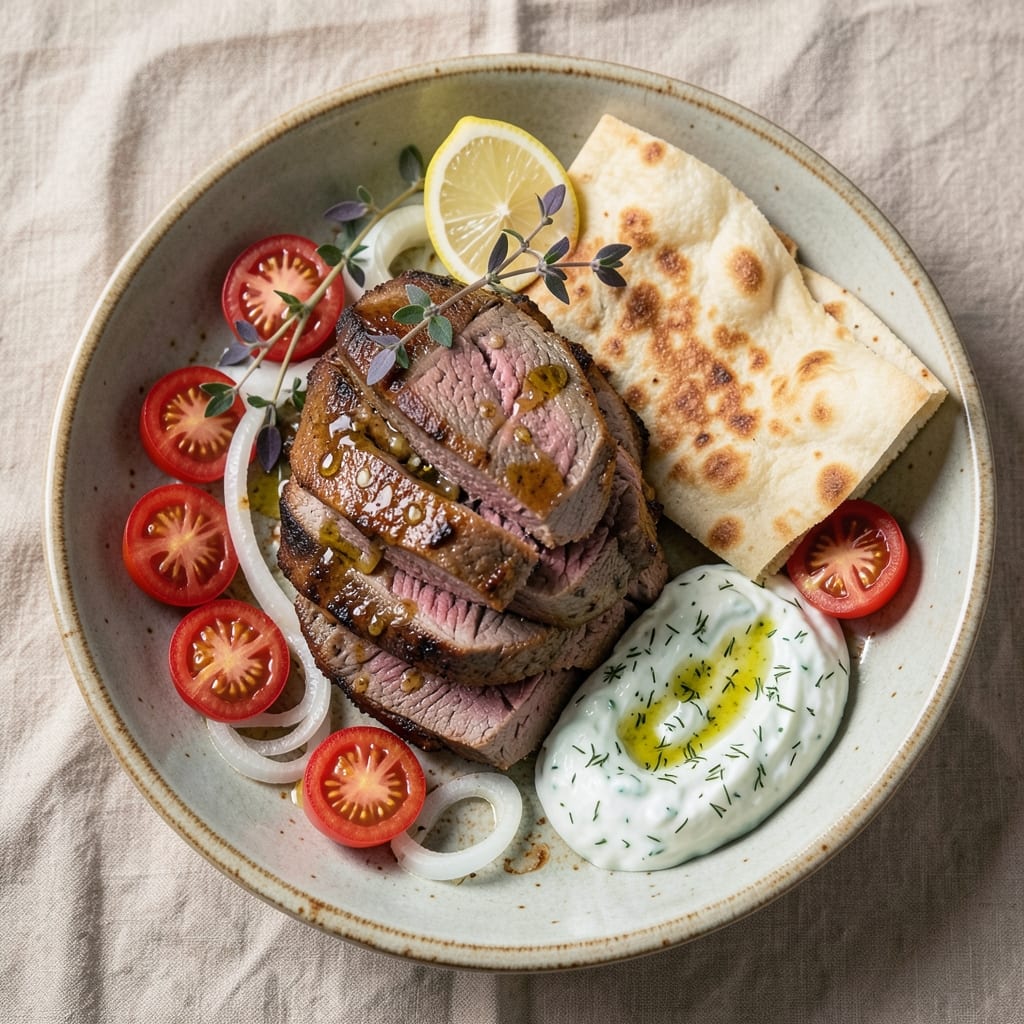
This authentic beef gyro recipe brings the flavors of a bustling Greek taverna straight to your kitchen, with tender marinated meat, warm pita, and a cooling tzatziki drizzle. The secret lies in slow-roasting the meat until it's melt-in-your-mouth tender, infused with garlic, oregano, and lemon—a technique that transforms tough cuts into restaurant-quality bites. I've perfected this over years of testing, ensuring every layer of flavor comes through in every juicy bite.
What sets this recipe apart is the marinade, a blend of olive oil, lemon juice, and fresh herbs that tenderizes the meat while building deep, aromatic layers. The meat is then slow-cooked to develop rich, caramelized edges without drying out, a critical step for authentic texture. Once assembled with warm pita, crisp lettuce, and fresh tomatoes, the dish becomes a symphony of textures and flavors that balance heat, freshness, and richness perfectly.
By the time you finish assembling your gyros, you'll have a dish that's restaurant-quality at home—crispy pita, tender beef, and a generous drizzle of homemade tzatziki that ties everything together. The combination of smoky meat, cool yogurt sauce, and fresh vegetables creates a meal that's as satisfying as it is delicious, perfect for a quick lunch or a casual dinner with friends.
This recipe serves four, making it ideal for sharing, and the leftovers keep well for up to two days, allowing you to enjoy the flavors of Greece without the hassle. Let's get started on creating your own taste of Greece.
Ingredients for authentic beef gyro
Pantry staples meet Mediterranean flavors for this restaurant-style beef gyro feast.
| Ingredient | Amount | Notes |
|---|---|---|
| Beef Chuck Roast 🥩 | 1 ½ lb | Tough cut for tender results |
| Extra-Virgin Olive Oil 🫒 | ½ cup | For marinade and cooking |
| Fresh Lemon Juice 🍋 | ¼ cup | Freshly squeezed preferred |
| Garlic Cloves 🧄 | 6 cloves | Minced for marinade |
| Dried Oregano 🌿 | 2 tbsp | Greek oregano preferred |
| Ground Cumin 🌿 | 1 tbsp | Toasted for depth |
| Salt 🧂 | 1 ½ tsp | Kosher or sea salt |
| Black Pepper 🌶️ | 1 tsp | Freshly ground preferred |
| Red Wine Vinegar 🍷 | 1 tbsp | For tangy balance |
| Fresh Pita Bread 🥖 | 4 whole | Store-bought or homemade |
| Lettuce Leaves 🥬 | 4 cups | Romaine or iceberg |
| Medium Tomatoes 🍅 | 2 whole | Sliced for freshness |
| Red Onion 🧅 | 1 whole | Thinly sliced for crunch |
| Plain Greek Yogurt 🥛 | 1 cup | Full-fat for creaminess |
| Fresh Dill 🌿 | ¼ cup | Chopped for tzatziki |
| Garlic Cloves 🧄 | 2 cloves | Minced for tzatziki |
| Lemon Juice 🍋 | 1 tbsp | For tzatziki |
The beef is everything here—chuck roast gives that melt-in-your-mouth texture when slow-cooked. Grab it from the butcher counter if you can (they'll cube it for you), or use pre-cubed from the meat section. Costco often has great deals on chuck roast in bulk. Look for good marbling—it's what makes the meat tender. If you're short on time, substitute sirloin tips, but chuck is traditional. The marinade needs at least 4 hours (overnight is best) to work its magic on tougher cuts.
No Greek oregano? Regular dried oregano works, but it's not the same. The cumin can be toasted in a dry pan for 30 seconds—game-changer for flavor. For the tzatziki, full-fat Greek yogurt is non-negotiable—it's what gives that creamy, cooling texture. Short on dill? Fresh parsley works in a pinch, though it's not traditional. The tomatoes and lettuce should be crisp—skip the wilted stuff. Pita bread can be warmed in a dry skillet for 30 seconds per side to get that authentic restaurant crunch.
Marinated meat keeps 3 days in the fridge, but it's best fresh. The tzatziki stays good for 2 days if you keep it covered. I always double the tzatziki recipe—it disappears first. For leftovers, store components separately: meat, veggies, and sauce. Reheat the meat gently in a skillet, and warm the pita in a toaster. The flavors actually improve the next day as everything melds together—trust me on this. Freeze extra meat portions for up to 3 months.
Why You'll Love This Recipe
- One-Pan Magic: I swear by this—just sear the chuck roast in olive oil, toss in minced garlic and oregano, then slow-cook until it’s tender. No chopping, no fuss, and that lemon juice at the end? It ties everything together like a pro.
- Garlic-Oregano Bomb: Between us, the combo of fresh garlic and dried oregano on that beef is ridiculously good. The chuck roast soaks up the flavors while it cooks, giving you that deep, savory taste without needing a dozen spices.
- Meal Prep Hero: This recipe makes enough for leftovers that taste just as good cold in wraps the next day. Honestly, I double the batch on Sundays—it’s my go-to for quick lunches or when friends drop by unannounced.
- Budget Stretch: A chuck roast is affordable, and this method lets it feed four for under $15. I’ll be real: my wallet thanks me every time, and the flavor makes it feel like a splurge without the price tag.
Step-by-step instructions for authentic beef gyro
Here's how to make restaurant-quality gyros with tender beef and fresh toppings.
Prepare the Beef Marinade and Cook
In a large bowl, combine the 0.5 cup extra-virgin olive oil, 0.25 cup fresh lemon juice, 6 cloves minced garlic cloves, 2 tbsp dried oregano, 1 tbsp ground cumin, 1.5 tsp salt, 1 tsp black pepper, and 1 tbsp red wine vinegar. Whisk until fully emulsified—this marinade should coat the back of a spoon. The acidity from the lemon juice and vinegar will tenderize the tough beef chuck roast while the spices infuse deep flavor.
Slice the 1.5 lb beef chuck roast thinly against the grain into strips about ¼-inch thick. Add the beef to the marinade and toss gently to coat evenly. Cover and refrigerate for at least 4 hours, preferably overnight. This long marinating time is key for authentic gyro tenderness. After marinating, transfer the beef to a skillet over medium-high heat and cook for 5-7 minutes, stirring occasionally, until it reaches an internal temperature of 160°F and is fully cooked through. The beef should be juicy and flavorful, not dry.
Assemble the Fresh Toppings
While the beef cooks, prepare the toppings. Thinly slice the 1 whole red onion into half-moons and separate the 4 cups lettuce leaves into individual leaves. Slice the 2 whole medium tomatoes into wedges. For the tzatziki, mix the 1 cup plain Greek yogurt, 0.25 cup chopped fresh dill, 2 cloves minced garlic cloves, 1 tbsp lemon juice, ½ tsp salt, and ¼ tsp black pepper in a bowl. Stir until smooth and refrigerate until ready to serve. The yogurt should be thick and creamy, with bright dill and garlic flavors.
Warm the 4 whole fresh pita breads in a dry skillet over medium heat for about 30 seconds per side until pliable. Keep them covered with a clean towel to prevent drying out. The pita should be soft enough to wrap easily but not so hot that it burns your hands.
Build the Gyros Like a Pro
To assemble each gyro, spread 1-2 tablespoons of the tzatziki evenly over half of a pita bread. Add a generous layer of the cooked beef, followed by the lettuce leaves, tomato wedges, and red onion slices. Fold the pita over the fillings, pressing gently to seal. For the best texture, wrap the gyro tightly so it holds together when you pick it up.
Serve immediately while everything is warm and fresh. The combination of tender, spiced beef, cool tzatziki, and crisp vegetables creates the perfect balance of flavors and textures. For an extra touch, drizzle a little more tzatziki on top before serving—this adds a refreshing contrast to the rich beef. Enjoy your homemade gyros with a side of Greek salad or extra lemon wedges for brightness.
Pro Tips For Making Authentic Beef Gyro
- Sear the Chuck First: High heat for 3-4 minutes on each side until deeply browned—this locks in flavor and prevents dryness later. I learned this the hard way after serving gyros that tasted like slow-cooked beef instead of restaurant-worthy slices.
- Slice Against the Grain: Cut the cooked chuck roast thinly, always at a 45-degree angle against the grain for tender bites. Skipping this step means you’ll be chewing like you’re eating shoelaces, and nobody wants that.
- Use Lemon Zest, Not Just Juice: Zest a whole lemon (about 1 teaspoon) into the marinade—it brightens the flavor without overpowering. I was skeptical until I tried it; now I can’t imagine gyros without that citrusy punch.
- Rest Before Slicing: Let the meat rest 10 minutes under foil after cooking—this keeps it juicy when you slice. I used to skip it, and the first few bites were always dry, no matter how much olive oil I added.
Regional styles of these flavors
Greek Taverna Style
In Athens, gyros are traditionally cooked on a vertical rotisserie over charcoal, allowing the meat to cook slowly and develop deep smoky flavors. The key is using chuck roast cut into thin strips and marinating it for at least 4 hours with lemon, garlic, and oregano. The meat is then stacked on skewers and rotated continuously over the fire until it reaches 165°F internal temperature. This method creates that signature crispy exterior while keeping the inside juicy. 🔥
Turkish Döner Difference
While Greek gyros focus on beef, Turkish döner often uses lamb or a beef-lamb blend for a richer, gamey flavor. The meat is typically slow-cooked in a vertical oven for hours, creating a melt-in-your-mouth texture. Turkish versions also include paprika and sumac in the marinade, giving it a distinct tangy kick. The pita is usually thinner and softer, often served with pickles and hot sauce instead of tzatziki. 🌶️
Lebanese Shawarma Twist
Lebanese shawarma takes gyros to the next level by using spiced ground beef or lamb mixed with pine nuts and cinnamon before being stacked on the rotisserie. The marinade often includes cardamom and allspice, adding warmth and complexity. Unlike Greek gyros, shawarma is typically served with garlic sauce instead of tzatziki, and the pita is often toasted to a crisp before assembling. The meat is also shaved thinly for easy wrapping. ✨
American Gyro Adaptations
In the U.S., gyros have evolved into hearty sandwiches with extra toppings like sauerkraut, pickles, and extra cheese. The meat is often pre-marinated and pre-cooked, making it easier for quick service. Many American versions use sirloin tips instead of chuck roast, which cooks faster but lacks the same tenderness. The pita is sometimes replaced with hoagie rolls or flatbread, and the sauce might include sweet and tangy options like BBQ or chipotle mayo. 💫
Cypriot Halloumi Gyro
Cyprus puts its own spin on gyros by adding grilled halloumi cheese to the mix. The meat is marinated similarly to Greek style but often includes fennel seeds and coriander for a unique aroma. The halloumi is sliced and grilled separately, then layered with the beef in the pita. This version is richer and more decadent, balancing the salty cheese with the cool tzatziki and fresh veggies. 🧀
Nutrition facts
Frequently asked questions
What's the best cut of beef for authentic gyros?
Use chuck roast for the most authentic texture—it's tough when raw but becomes incredibly tender when slow-cooked with the marinade. Thinly slice it against the grain to ¼-inch strips for maximum tenderness. If chuck isn't available, sirloin tips work as a quick substitute, though they won't be as juicy.
Can I make gyros ahead of time?
Marinate the beef for up to 3 days in the fridge, and the tzatziki keeps for 2 days. Cook the meat fresh before serving, then assemble with warm pita. The flavors actually improve the next day as everything melds together—just reheat the meat gently in a skillet.
How do I keep the pita from getting soggy?
Warm the pita in a dry skillet for 30 seconds per side until pliable, then keep it covered with a clean towel. Assemble the gyros just before serving, and press the fillings gently but firmly to seal. For extra crispiness, toast the pita again briefly after filling.
What if I don't have fresh dill for tzatziki?
Use fresh parsley as a substitute—it won't be traditional, but it'll still add freshness. For a closer match, try dried dill (reduce to 1 tbsp), though the texture won't be as bright. The key is balancing the yogurt's creaminess with something fresh and green.
Why does my gyro meat turn out dry?
Overcooking is the most common mistake—gyro beef should reach 160°F internal temperature but cook quickly over medium-high heat (just 5-7 minutes). Use the tougher chuck roast and marinate for at least 4 hours to ensure tenderness. Never skip the marinade's acidity (lemon/vinegar) which breaks down fibers.