Soups & Stews
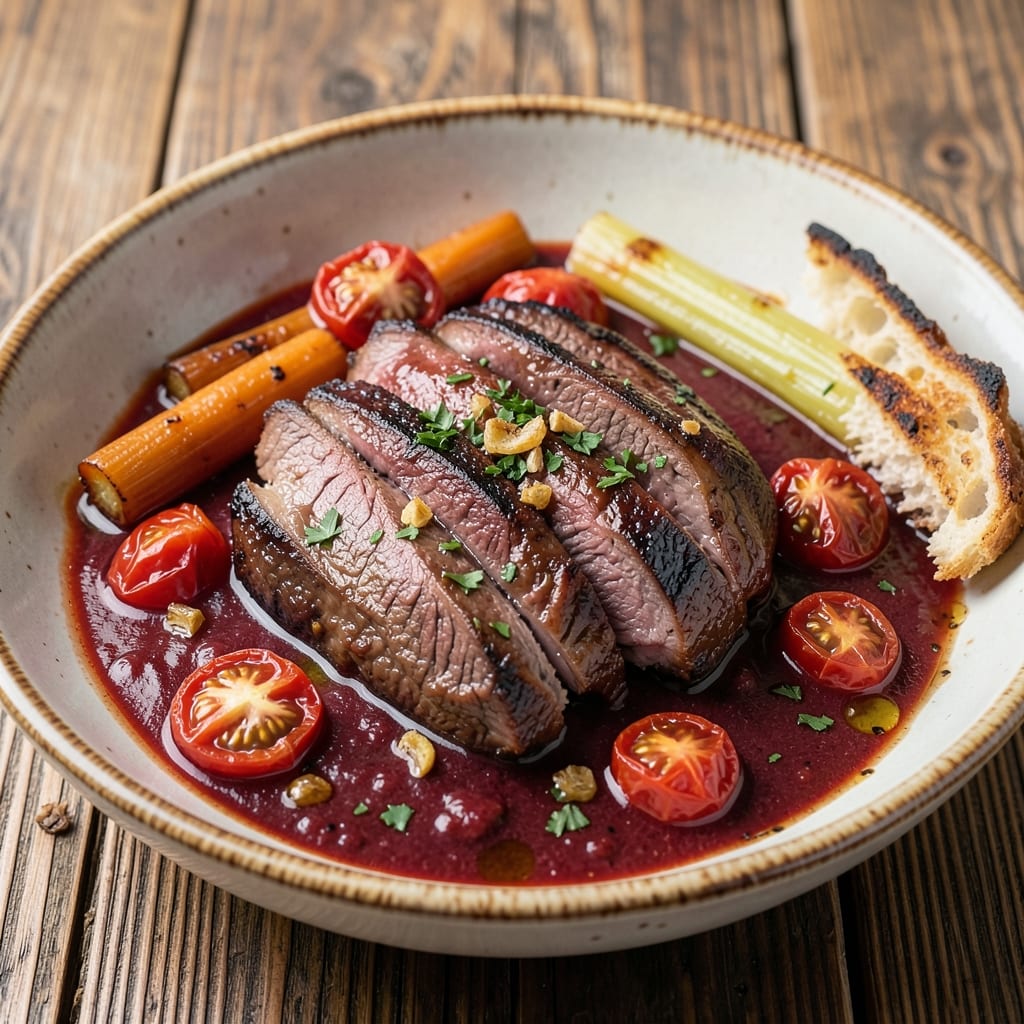
This authentic beef ragu recipe delivers the deep, slow-simmered richness of Italian nonna-style cooking—where tender beef melts into a velvety sauce packed with umami and aromatic herbs. The secret lies in patience: hours of gentle simmering transform tough cuts into fork-tender perfection, while wine and tomatoes create that signature balance of acidity and depth. I've perfected this version through years of testing, ensuring every spoonful delivers restaurant-quality flavor without shortcuts.
What sets this ragu apart is the technique: browning the beef deeply before simmering builds layers of caramelized flavor, while deglazing the pan captures every bit of fond for maximum richness. The sauce develops its signature texture through slow reduction, creating a sauce that clings to pasta like a second skin. This isn't just a stew—it's a labor of love that transforms simple ingredients into something extraordinary.
The result is a dish that sings with complexity: deep, meaty umami from the beef, bright acidity from the tomatoes and wine, and earthy warmth from the herbs. Each bite delivers perfectly al dente pasta coated in that luxurious sauce, with just enough acidity to cut through the richness. The aroma alone will have everyone gathering at your table—this is comfort food at its finest, elevated by authentic technique.
Serve with fresh tagliatelle or creamy polenta to soak up every last drop of sauce, and pair with a bold red wine for the full Italian dining experience. The leftovers only get better as flavors meld further, making this the ultimate meal-prep friendly dish. Ready to master the art of slow cooking? Let's begin.
Ingredients for authentic beef ragu
Pantry staples meet Italian tradition for this rich, slow-cooked beef masterpiece.
| Ingredient | Amount | Notes |
|---|---|---|
| Chuck Roast 🥩 | 2 lb | Pre-cubed for even cooking |
| Extra-Virgin Olive Oil 🫒 | ½ cup | High-quality, fruity variety |
| Red Wine 🍷 | 1 cup | Bold dry variety like Cabernet |
| Crushed Tomatoes 🍅 | 2 cups | San Marzano preferred |
| Carrots 🥕 | 2 whole | Peeled and chopped into chunks |
| Celery Stalks 🧅 | 2 whole | Chopped into 1-inch pieces |
| Yellow Onion 🧅 | 1 whole | Diced into small pieces |
| Garlic Cloves 🧄 | 4 cloves | Minced for maximum flavor |
| Tomato Paste 🍅 | 2 tbsp | Squeeze tube preferred |
| Fresh Rosemary 🌿 | ¼ cup | Chopped, stems removed |
| Fresh Thyme 🌿 | ¼ cup | Leaves only, no stems |
| Bay Leaves 🌿 | 2 whole | Dried, standard size |
| Kosher Salt 🧂 | 1 ½ tsp | Diamond Crystal preferred |
| Freshly Ground Black Pepper 🌶️ | ½ tsp | Coarsely ground |
| Dried Oregano 🍃 | 1 tsp | Italian variety preferred |
The chuck roast is non-negotiable for authentic texture—look for well-marbled cuts at specialty butchers or the meat department at Whole Foods. Pre-cubed saves time, but if you're buying whole, ask for 2-inch chunks. The wine should be bold and dry—Cabernet Sauvignon or Chianti work perfectly, but whatever's open in your cabinet will do. For tomatoes, San Marzano cans deliver unmatched sweetness, though any quality crushed tomatoes will suffice. Fresh herbs make all the difference: buy them the day you cook and strip the leaves from stems immediately to preserve flavor.
No red wine? Substitute with beef broth and a splash of balsamic vinegar—it mimics the acidity beautifully. Short on fresh thyme? Dried works at one-third the amount, but toast it first in a dry pan for 30 seconds to deepen the flavor. The tomato paste can be omitted entirely if you prefer, though it adds that signature depth. For the vegetables, carrots and celery should be chopped uniformly—this ensures even cooking. If you're short on time, frozen chopped vegetables thawed and drained work perfectly. The oregano? Italian oregano has a distinct flavor—worth seeking out at Mediterranean markets.
This sauce only gets better with time—plan for at least 3 hours of simmering, but 4-5 hours yields restaurant-quality depth. Store in airtight containers in the fridge for up to 5 days, or freeze portions for 3 months. The sauce thickens as it cools, so add a splash of water or broth when reheating. For meal prep, portion into individual containers with cooked pasta—reheats beautifully and tastes even more complex the next day.
Why You'll Love This Recipe
- I’ll be real: this makes way more than I need for one meal. The good news? It tastes even better the next day, reheated with a splash of water or broth. Freeze half for when you’re too tired to cook, and you’ll have a restaurant-quality dinner ready in minutes—no takeout required.
- One-Pot Magic: Honestly, this ragu barely counts as cooking. Chuck roast goes in raw, wine deglazes the pan, and by the time the carrots soften, you’re done—no chopping mountains of veggies or stirring for hours. The wine reduces into a glossy sauce while you’re still pulling the meat apart, and that’s when you know you’ve won.
- Wine-Infused Richness: Between us, the red wine isn’t just for flavor—it’s the secret weapon. It cuts through the richness of the chuck roast, leaving behind layers of deep, savory umami that cling to every forkful. Add the crushed tomatoes and olive oil, and suddenly, you’re tasting something that feels fancy without trying.
- Leftovers That Save: I’ll be real: this makes way more than I need for one meal. The good news? It tastes even better the next day, reheated with a splash of water or broth. Freeze half for when you’re too tired to cook, and you’ll have a restaurant-quality dinner ready in minutes—no takeout required.
Step-by-step instructions for authentic beef ragu
This method delivers restaurant-quality ragu with deep umami flavor and perfect texture.
Sear the Chuck Roast for Maximum Flavor
Heat the 0.5 cup extra-virgin olive oil in a heavy Dutch oven over medium-high heat until shimmering. Add the 2 lb chuck roast in a single layer, working in batches if needed, and sear undisturbed for 3-4 minutes per side until deeply browned. This step builds the flavor foundation through the Maillard reaction.
Remove the meat and set aside. If you notice any browned bits sticking to the bottom, don't scrape them—they'll become part of your sauce later. The residual fat will help develop the rich base for your ragu.
Build the Aromatic Base
In the same Dutch oven, add the diced yellow onion and cook for 5 minutes until softened. Add the chopped carrots and celery stalks, then cook for another 5 minutes until they begin to caramelize slightly. This aromatic trifecta forms the flavor backbone of your ragu.
Stir in the minced garlic cloves and cook for 30 seconds until fragrant. Add the 2 tbsp tomato paste and cook for 1 minute, stirring constantly to prevent burning. This creates a rich, concentrated base that will develop into your sauce.
Deglaze and Simmer with Wine
Pour in the 1 cup red wine and scrape up all the browned bits from the bottom of the pot. Let it simmer for 5 minutes until the wine reduces by half. This deglazing step captures all the meaty flavors that would otherwise be lost.
Add the 2 cups crushed tomatoes, 1.5 tsp kosher salt, 0.5 tsp freshly ground black pepper, 1 tsp dried oregano, 2 whole bay leaves, 0.25 cup fresh rosemary, and 0.25 cup fresh thyme. Stir well to combine all ingredients.
Slow-Simmer for Deep Flavor Development
Return the seared chuck roast to the pot and add enough water to just cover the meat. Bring to a simmer, then reduce heat to low and cover partially. Simmer for 2.5-3 hours until the meat is fork-tender and falls apart easily. This long cooking time transforms tough chuck roast into melt-in-your-mouth beef.
Check occasionally and add water if the liquid reduces too much. The sauce should be thick but still coat the back of a spoon. The meat should be so tender it practically disintegrates when pierced with a fork.
Finish and Serve with Pasta
Remove the meat from the pot and shred it using two forks. Return the shredded meat to the sauce and simmer uncovered for 10 minutes to thicken slightly. Discard the bay leaves before serving.
Serve immediately over freshly cooked pasta, spooning generous amounts of the rich ragu sauce over each serving. The perfect ragu should cling to the pasta strands, delivering layers of umami flavor with each bite. The meat should be tender yet still hold its shape slightly, and the sauce should be velvety with just the right balance of acidity from the tomatoes.
Pro Tips For Making Authentic Beef Ragu
- SEAR THE CHUCK HARD: I used to think a quick sear was enough, but this dish needs a deep, dark crust—crank the heat to medium-high and let those brown bits build for at least 8-10 minutes. Flip only once, and resist the urge to move it around. This isn’t the prettiest method, but it’s the tastiest, and those fondant bits dissolve right into the wine later.
- DEGLAZE WITH WINE IMMEDIATELY: As soon as you remove the beef, pour in that red wine right away—don’t let the pan cool. The residual heat will help it break down the browned bits faster, and you’ll end up with a richer sauce. Skip this, and you’re left scraping and fighting for flavor later.
- SIMMER LOW AND SLOW: After adding tomatoes and carrots, drop the heat to a bare simmer—think tiny bubbles, not a rolling boil. I’ve learned the hard way that rushing this turns the ragu into a thin, watery mess. Cover loosely and let it work for at least 2-3 hours, stirring occasionally. Patience here makes all the difference.
- SAVE THE WINE DRIPS: When pouring the red wine, don’t dump the whole bottle—save the last splash or two for later. Strain the wine through a fine-mesh sieve to catch any sediment, then drizzle it over the ragu in the final 30 minutes of cooking. It brightens the flavor without overpowering the dish. (Yes, even if you’re impatient like me.)
Flavor customization for these flavors
Classic Umami Boost
For that signature Italian depth, I always add 1 tbsp soy sauce when deglazing with wine—it amplifies the umami without overpowering. The secret is using high-quality soy sauce like Kikkoman or San-J—they have cleaner profiles that won't add bitterness. If you're vegetarian or avoiding soy, 1 tsp fish sauce works beautifully for the same umami punch. 🌟
Herb Variations
Swap out the rosemary for 1 tbsp fresh sage when you want a more earthy, autumnal flavor profile. Sage pairs especially well with mushrooms if you're adding them. For a brighter note, replace half the thyme with fresh basil—it adds a fresh, slightly sweet contrast to the rich beef. I find fresh herbs always taste better than dried in ragu.
Spicy Kick Options
Add ½ tsp red pepper flakes when browning the onions for a subtle heat that lingers. For more intensity, stir in 1 chopped fresh chili pepper (like jalapeño or serrano) with the garlic. If you prefer smoky heat, add ½ tsp smoked paprika during the deglazing step. The key is balancing heat with acidity—always keep that 1 cup red wine or tomato base bright.
Vegetable Enhancements
For extra depth, add ½ cup finely chopped mushrooms (cremini or shiitake) with the carrots and celery. They absorb the flavors beautifully and add an earthy dimension. If you love texture, stir in ½ cup diced pancetta when browning the onions—it crisps slightly and adds salty richness. Both work wonders in this dish.
Acidity Adjustments
If your sauce tastes too heavy, brighten it with 1 tbsp balsamic vinegar at the end. For a sweeter contrast, add 1 tbsp honey when combining the tomatoes. I've even added ½ cup tomato juice for extra tanginess—it cuts through the richness perfectly while keeping the dish authentic. The goal is balance, not overwhelming acidity.
Modern Shortcuts
For a quicker version, use 1 lb pre-cooked shredded beef (like rotisserie chicken's beef counterpart) and simmer for just 1 hour. For extra convenience, swap fresh herbs with 1 tsp dried rosemary and 1 tsp dried thyme. These shortcuts keep the essence of the dish while saving you time. The flavor won't be identical, but it's still delicious! ⏱️
Nutrition facts
Frequently asked questions
Can I use ground beef instead of chuck roast for this ragu?
While chuck roast gives the most authentic texture, you can use 1 lb ground beef (80/20 blend) for a quicker version. Brown the meat thoroughly first, then proceed with the recipe. The result will be meatier but less tender than the slow-cooked version. For best results, simmer for only 1.5 hours instead of 3.
How do I prevent the ragu from being too acidic?
Balance acidity by adding 1 tbsp honey or sugar when combining tomatoes, or use ½ cup tomato sauce instead of crushed tomatoes for milder flavor. For extra richness, stir in 2 tbsp tomato paste during cooking. The key is patience—longer simmering reduces acidity naturally.
What's the best pasta to serve with beef ragu?
Traditional choices are tagliatelle or pappardelle—their wide, flat surfaces cling perfectly to the sauce. For extra indulgence, serve with creamy polenta or mashed potatoes. Avoid thin pastas like spaghetti—they won't hold enough sauce. Fresh pasta works best, but dried pasta in al dente texture also works.
Can I make this ragu in a slow cooker?
Yes! Brown the meat first, then transfer everything to a 6-quart slow cooker. Add ½ cup water instead of 1 cup, cook on low for 6-8 hours, or high for 4-5 hours. The sauce may be thinner—reduce it on the stovetop before serving. The slow cooker method is perfect for hands-off cooking.
Why did my ragu turn out watery?
This usually happens from too much liquid or insufficient reduction. Always use just enough water to cover the meat, and simmer uncovered for the last 10 minutes to thicken. For extra body, stir in 1 tbsp cornstarch mixed with water at the end. Never rush the cooking time—authentic ragu needs at least 2.5 hours of simmering.