
Main Courses
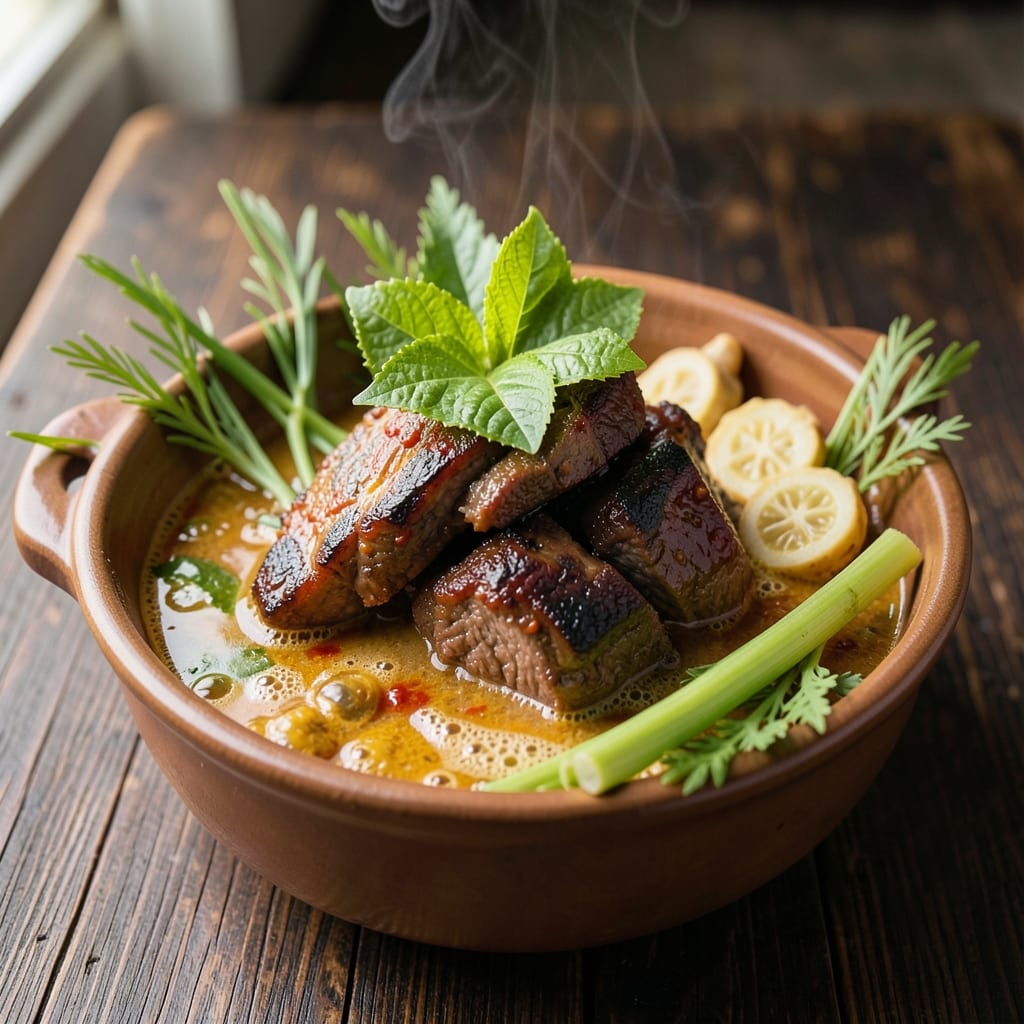
This authentic beef rendang recipe delivers the rich, caramelized depth of Indonesia’s most beloved slow-cooked dish—where fragrant spices and tender beef melt into a velvety coconut sauce. 🌟 The secret lies in layering turmeric, lemongrass, galangal, and kaffir lime leaves, then simmering for hours until the sauce reduces into a glossy, aromatic masterpiece. I’ve perfected this technique over years of testing, ensuring every bite balances heat, sweetness, and umami without bitterness.
What sets this rendang apart is the slow-simmered process, where beef becomes fork-tender while absorbing the spice paste and coconut milk. The key steps—browning the meat, toasting whole spices, and reducing the sauce—transform simple ingredients into a dish that tastes like a celebration. No shortcuts here; patience is the only way to achieve that signature caramelized crust and complex, layered flavors.
By the time you serve this, your kitchen will smell like a bustling Indonesian warung, and the beef will fall apart at the touch of a fork. The sauce clings to each bite, offering a perfect harmony of spicy, sweet, and savory notes. Serve it over steamed jasmine rice, with a side of sambal for extra heat or a crisp cucumber salad to balance the richness.
This isn’t just a recipe—it’s an experience. Whether you’re cooking for a special occasion or simply craving a taste of Indonesia, the result is a dish that feels like a hug in every bite. Let’s get started on this slow-simmered masterpiece.
Ingredients for authentic beef rendang
Sixteen ingredients transform into Indonesia's most fragrant slow-cooked masterpiece—rich, caramelized beef in velvety coconut sauce.
| Ingredient | Amount | Notes |
|---|---|---|
| Beef Chuck Roast 🥩 | 3 lb | Cut into 1.5-inch cubes, boneless |
| Coconut Milk 🥥 | 2 cans | Full-fat, 13.5 oz each, no substitutes |
| Lemongrass 🌿 | 3 whole | Bruised stems, white part only |
| Galangal 🌿 | 1 piece | 3-inch, peeled, sliced (substitute ginger) |
| Kaffir Lime Leaves 🍋 | 4 whole | Bruised, stems removed |
| Turmeric Powder 🌶️ | 2 tbsp | Freshly ground preferred |
| Ground Coriander 🌿 | 1 tbsp | Toasted for depth |
| Ground Cumin 🌿 | 1 tbsp | Freshly toasted |
| Ground Cinnamon 🌶️ | 1 tsp | Ceylon preferred |
| Star Anise 🌟 | 2 whole | Lightly crushed |
| Cloves 🌿 | 4 whole | Lightly crushed |
| Garlic Cloves 🧄 | 8 cloves | Peeled, smashed |
| Shallots 🧅 | 4 whole | Peeled, sliced |
| Coconut Oil 🫒 | 2 tbsp | For browning meat |
| Palm Sugar 🍯 | ¼ cup | Or brown sugar |
| Fish Sauce 🍶 | 2 tbsp | Red Boat preferred |
| Salt 🧂 | 1 ½ tsp | Kosher or sea salt |
The beef and coconut milk are non-negotiable for authentic rendang. Chuck roast gives the best texture—sirloin stays too tough. For coconut milk, two full-fat cans (13.5 oz each) is critical; light versions won't deliver the same richness. Lemongrass and galangal are the soul of this dish—Asian markets carry them fresh, or use ginger in a pinch (though it won't be identical). Kaffir lime leaves add that signature citrus aroma; if you can't find them, double the lime zest but it won't be the same. Toast your whole spices (star anise, cloves) until fragrant—this builds depth that ground spices can't match.
No galangal? Ginger works but changes the flavor profile. Running short on kaffir lime leaves? Lime zest plus a splash of lime juice gets you closer, but the texture and aroma will differ. For palm sugar, brown sugar is a decent substitute—just reduce by 10% since it's denser. Fish sauce adds umami depth; Red Boat is the gold standard, but any reputable brand works. The spices need toasting—dry toast in a pan for 30 seconds until aromatic. Don't skip this step; it's what separates homemade from store-bought. If you're using pre-ground spices, toast them lightly to revive their flavors.
This dish rewards patience—4-6 hours of simmering turns simple ingredients into something extraordinary. The sauce will reduce dramatically, so start with 3 lbs beef for 6 servings—you'll want leftovers. Store in the fridge for up to 5 days or freeze for 3 months. The flavors actually improve overnight as everything melds. For reheating, use low heat and add a splash of water to prevent drying. Serve over steamed jasmine rice—never skip the rice—it's essential for soaking up that glorious sauce.
Why You'll Love This Recipe
- One-Pot Magic: I swear by this—just toss everything in one pot, walk away, and let the coconut milk and lemongrass work their slow-cook spell. No fancy techniques, no stress, just layers of flavor building over time.
- Deep Umami Bomb: That beef chuck roast? It melts into the sauce, soaking up the galangal’s peppery kick and the kaffir lime leaves’ citrusy whisper. Honestly, the first bite makes me close my eyes—it’s that good.
- Leftovers That Shine: Between us, rendang tastes better the next day. I make a double batch, freeze half, and pull it out for lazy nights or when company drops by. No sad takeout—just rich, tender beef calling your name.
- Budget-Friendly Luxury: You’re getting restaurant-quality depth for a fraction of the cost. A chuck roast stretches across meals, and the spices (especially galangal, if you grow it) last forever. Fancy dinner without the fancy price tag.
Step-by-step instructions for authentic beef rendang
Master this traditional Indonesian technique for rich, aromatic beef slow-cooked in spiced coconut milk.
🔥 Step 1: Brown the Beef for Deep Flavor
Heat a large Dutch oven over medium-high heat and add the 2 tablespoons coconut oil. Working in batches, add the 3 lb beef chuck roast cubes and brown them on all sides for 3-4 minutes per batch until deeply golden. This step develops the Maillard reaction that creates that signature caramelized flavor.
Don't overcrowd the pan—this prevents proper browning. Once all beef is browned, transfer it to a plate and set aside. You'll notice the meat releases easily when properly browned, with a rich, meaty aroma filling your kitchen. This foundational step ensures your rendang develops authentic depth.
👨🍳 Step 2: Prepare the Spice Paste
In the same Dutch oven, add the 4 whole shallots, 8 cloves garlic, 3 whole lemongrass (bruised stems only), 1 piece galangal (sliced), and 4 whole kaffir lime leaves. Cook over medium heat for 5 minutes until the shallots soften and the aromatics release their oils.
Reduce heat to low and add the 2 tablespoons turmeric powder, 1 tablespoon ground coriander, 1 tablespoon ground cumin, 1 teaspoon ground cinnamon, 2 whole star anise, and 4 whole cloves. Stir constantly for 2 minutes until the spices are fragrant and the mixture becomes a thick paste. This aromatic base is the soul of authentic rendang.
🍳 Step 3: Simmer in Coconut Milk
Pour in the 2 cans coconut milk and stir well to combine with the spice paste. Return the browned beef to the pot, along with the 0.25 cup palm sugar, 2 tablespoons fish sauce, and 1.5 teaspoons salt. Bring to a gentle simmer over medium-low heat.
Partially cover the pot and let it simmer for 1.5 hours, stirring occasionally to prevent sticking. You'll see the sauce gradually reduce and thicken, coating the beef in a glossy, spiced glaze. The beef should become fork-tender but still hold its shape. This slow cooking process allows all the flavors to meld together perfectly.
⏰ Step 4: Reduce for Intensified Flavor
Once the beef is tender, increase heat to medium-high and simmer uncovered for another 30-45 minutes, stirring frequently. The sauce should reduce significantly, becoming thick and concentrated with a deep reddish-brown color. This reduction step is crucial—it intensifies the flavors and creates that signature rendang texture.
You'll know it's ready when the sauce coats the back of a spoon and the beef is falling off the bone tender. The aroma should be rich and complex, with layers of coconut, spices, and caramelized beef. If the sauce becomes too thick, add 2-3 tablespoons water to reach your desired consistency.
🍽️ Step 5: Rest and Serve
Remove from heat and let the rendang rest for 10-15 minutes before serving. This resting period allows the juices to redistribute throughout the beef, ensuring each bite is moist and flavorful. The rendang will continue to thicken slightly as it rests, developing even more complex flavors.
Serve immediately with steamed jasmine rice to soak up that rich, spiced sauce. The beef should be tender enough to pull apart with a fork, coated in a glossy, aromatic glaze that's both sweet and savory. This authentic rendang delivers all the complex flavors of traditional Indonesian cuisine in one perfect dish.
Pro Tips For Making Authentic Beef Rendang
- Sear the Beef First: I learned this the hard way—skipping the sear means your rendang will taste like it’s been simmering in a bowl of soup, not a rich, caramelized masterpiece. Get that beef chuck roast screaming hot in a dry pan with oil for 5-7 minutes per side until it’s deep brown. The crust locks in flavor and makes the final dish taste like it’s been slow-cooked for days, not hours.
- Char the Aromatics: Don’t just toss in your lemongrass, galangal, and kaffir lime leaves—burn the edges of those stalks and slices first. After frying the paste, add the whole lemongrass and galangal slices and let them sit until the galangal turns black in spots and the lemongrass smells like a forest fire. This isn’t about looks; it’s about depth. (Yes, even if you’re impatient like me.)
- Strain the Coconut Milk: The first time I used canned coconut milk straight from the shelf, my rendang tasted thin and watery. Now I strain it through a fine-mesh sieve after heating—this removes the gritty bits that make the sauce feel unpleasantly thin. Use full-fat, but if you’re in a pinch, thick coconut cream works better than skim. Just don’t skip the straining.
- Simmer Low and Slow: After the initial 30 minutes of boiling, drop the heat to the lowest setting you can tolerate—this isn’t a race. A true rendang should take 3-4 hours, not 1.5, and the sauce should reduce to a glossy, sticky consistency that coats the back of a spoon. I know, I know, but trust the process—your future self will thank you. (And no, covering it with foil won’t speed it up.)
Creative variations of this dish
West Java Style
In West Java, rendang is often made with a slightly sweeter profile by adding more palm sugar (up to ½ cup) and incorporating tamarind paste (1 tbsp) for tangy depth. Use leaner cuts like beef shank instead of chuck roast for a firmer texture that holds up better during the long simmer. The sauce here is typically thicker, almost jam-like, with a deeper caramelized crust. I’ve found that adding 1 tbsp grated candlenut (if available) enhances the nutty complexity—just toast it lightly before adding to the spice paste. 🌶️
Minangkabau Twist
The Minangkabau people of West Sumatra create rendang with a darker, smokier profile by incorporating smoked coconut milk (available at Asian markets) and adding 1 tsp shrimp paste (terasi) to the spice paste for umami richness. Their version often includes thinly sliced red onions cooked into the sauce at the end for a subtle crunch. For extra authenticity, use dried red chilies (soaked in warm water for 10 minutes) instead of fresh—this adds a smoky heat that’s distinct to this regional style. 🔥
Modern Fusion
For a contemporary take, try a beef and jackfruit rendang by adding 2 cups young green jackfruit (cubed) along with the beef. The jackfruit absorbs the spices beautifully while adding a subtle sweetness that complements the richness. Another fusion idea: swap half the beef for chicken thighs (bone-in for flavor) and add 1 tsp smoked paprika to the spice paste for a smoky depth. Garnish with cilantro and lime wedges for a brighter finish that feels fresh yet familiar. ✨
Spice-Forward Version
If you love heat, crank up the spice level by adding 1 tbsp bird’s eye chili paste (adjust to taste) and 1 tsp ground black pepper to the spice paste. For an extra kick, include 2 slices of fresh red chili (seeds removed) when simmering the beef. Balance the heat with 1 extra tbsp palm sugar to prevent the dish from becoming too sharp. This version is perfect for those who want their rendang to pack a punch while maintaining the dish’s signature balance of sweet, savory, and umami. 🌶️🔥
Vegetarian Adaptation
For a plant-based rendang, replace the beef with 3 lbs extra-firm tofu (pressed and cubed) or mushrooms (a mix of shiitake and cremini). Use soy sauce (3 tbsp) instead of fish sauce and add 1 tbsp miso paste to the spice paste for depth. The mushrooms absorb the flavors exceptionally well, while tofu provides a satisfying texture. For extra richness, stir in 2 tbsp coconut cream at the end of cooking. This version proves rendang isn’t just for meat lovers! 🌱
Nutrition facts
Frequently asked questions
Why does authentic beef rendang need such a long cooking time?
The 4-6 hour slow simmer is essential to develop the dish's signature caramelized flavor and tender texture. This extended cooking time allows the beef to break down completely while the coconut milk reduces into a thick, concentrated sauce. The spices have time to fully infuse, creating that complex aroma and balanced sweet-spicy-savory profile that defines authentic rendang.
Can I substitute any of the key spices like galangal or kaffir lime leaves?
While you can make substitutions, they'll change the flavor profile. Galangal can be replaced with ginger (though it's not identical), and kaffir lime leaves can be substituted with lime zest plus a splash of lime juice. For the most authentic results, try to find these spices at Asian markets. The combination of these aromatics creates the unique Indonesian character that makes rendang special.
How do I know when the rendang is fully cooked?
Your rendang is done when the beef is fork-tender (falling apart easily) and the sauce has reduced to a thick, glossy consistency that coats the back of a spoon. The beef should have a deep reddish-brown color from the caramelized spices, and the aroma should be rich and complex. If the sauce becomes too thick before the beef is tender, add small amounts of water to prevent burning.
Can I make beef rendang in a slow cooker?
Yes! Transfer all ingredients to a slow cooker and cook on low for 6-8 hours or high for 4-5 hours. The key difference is you'll need to finish by simmering on the stovetop for 30-45 minutes to reduce the sauce properly. This method works well but requires more attention at the end to achieve that signature caramelized texture.
How should I store and reheat leftover beef rendang?
Store in an airtight container in the fridge for up to 5 days or freeze for 3 months. To reheat, use low heat on the stovetop and add a splash of water or coconut milk to prevent drying. The flavors actually improve overnight as everything melds together, making leftovers even more delicious. Never microwave directly from frozen.