
Main Courses
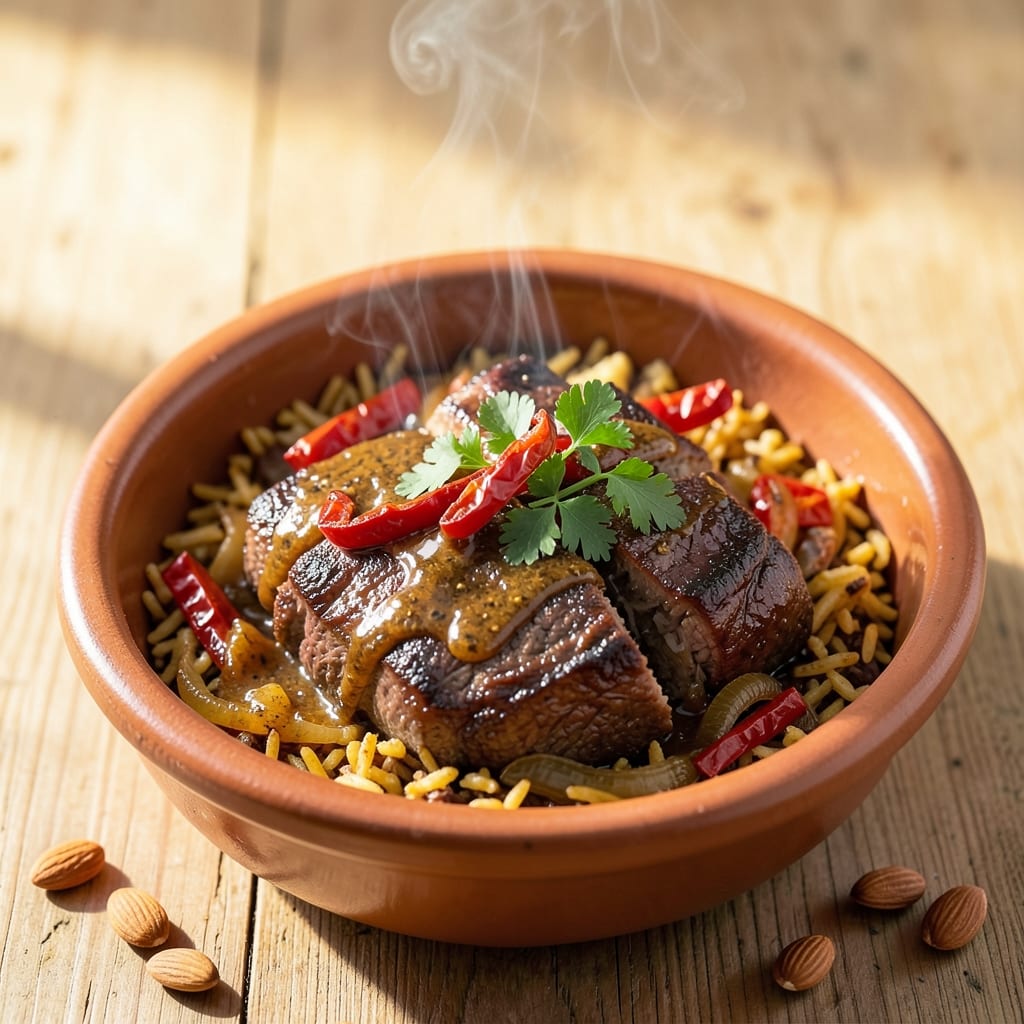
Moroccan cuisine delivers few dishes as aromatic and satisfying as an authentic beef tagine—where tender meat slow-cooks in a fragrant spice broth until it practically melts in your mouth. 🌟 The key lies in layering whole spices (cinnamon, cumin, coriander) and letting them bloom in olive oil before adding the meat, creating depth that no shortcut can replicate. This recipe stays true to tradition while adapting for modern kitchens, delivering restaurant-quality results in one pot.
The magic happens during the slow cooking process, where beef chuck transforms into fork-tender pieces infused with sweet-savory spices. Unlike many Western adaptations, this version uses preserved lemon for bright acidity and apricots for natural sweetness, balancing the rich meat and warm spices. The dish serves itself on a platter, with the juices and tender meat ready to be spooned over fluffy couscous or crusty bread.
What you'll achieve is a dish that transports you to a bustling Moroccan market—warm, aromatic, and deeply satisfying. The spices create a symphony of flavors that evolve as it cooks, while the tender beef absorbs the rich, complex broth. This isn't just dinner; it's an experience that transforms your kitchen into a Moroccan riad.
Perfect for special occasions or weekend meals, this tagine pairs beautifully with couscous, flatbread, or even as a filling for wraps. The leftovers reheat wonderfully, making it ideal for meal prep. Let's create this Moroccan masterpiece together.
Ingredients for authentic beef tagine
Here’s your Moroccan market in a pot—spices, tender beef, and sweet-savory balance all in one.
| Ingredient | Amount | Notes |
|---|---|---|
| Beef Chuck Roast 🥩 | 2 lb | Trimmed of excess fat, cut into 1.5-inch cubes |
| Extra-Virgin Olive Oil 🫒 | ½ cup | High-quality, fruity variety for blooming spices |
| Ground Cumin 🌿 | 2 tsp | Toasted for deeper aroma (optional but recommended) |
| Ground Coriander 🌶️ | 1 ½ tsp | Freshly ground preferred |
| Ground Cinnamon 🌿 | 1 tsp | Ceylon cinnamon for authentic flavor |
| Ground Ginger 🌿 | ½ tsp | Freshly grated preferred |
| Turmeric Powder 🌶️ | ½ tsp | For vibrant color and earthy depth |
| Preserved Lemon 🍋 | 1 whole | Skin and all, chopped (or substitute 2 tbsp lemon juice + zest) |
| Dried Apricots 🍑 | ½ cup | Chopped, pitted (unsulfured preferred) |
| Onion 🧅 | 1 whole | Yellow or red, thinly sliced (about 1.5 cups) |
| Garlic Cloves 🧄 | 4 cloves | Minced or finely chopped |
| Vegetable or Chicken Stock 💧 | 1 ½ cups | Homemade or high-quality store-bought |
| Tomato Paste 🍅 | 2 tbsp | High-quality, no salt added |
| Fresh Parsley 🌿 | ¼ cup | Chopped, for garnish (optional) |
| Sea Salt 🧂 | 1 ½ tsp | Diamond Crystal preferred, adjust to taste |
| Black Pepper 🌶️ | ½ tsp | Freshly cracked |
The beef is non-negotiable for authenticity—chuck roast delivers that signature fall-apart texture, while sirloin stays too tough. Look for well-marbled cuts at your butcher or the meat department. Whole Foods or Trader Joe's often carry pre-cubed chuck, saving you chopping time. For the spices, Penzeys Spices or bulk bins at Middle Eastern markets are your best bets—freshly ground cumin and coriander make all the difference. Preserved lemon? Skip the jarred stuff—find it at specialty stores or make your own by soaking lemons in saltwater for a week.
No preserved lemon? Substitute 2 tbsp lemon juice + zest—it won’t be identical, but it’ll add brightness. Swapping dried apricots? Dates or raisins work, though apricots’ natural sweetness balances the spices perfectly. For the stock, homemade is ideal, but even a good-quality low-sodium chicken stock keeps things authentic. The tomato paste can be skipped if you’re avoiding it, but it adds a rich umami depth—Rao’s or Muir Glen are reliable brands. Fresh parsley is optional but adds a pop of color; dried works in a pinch at half the amount.
This tagine tastes even better the next day as flavors meld—plan ahead! Store in an airtight container in the fridge for up to 5 days or freeze for 3 months. Reheat gently on low, adding a splash of water if it’s too thick. For meal prep, double the recipe—leftovers reheat beautifully over couscous or with crusty bread. The spices lose potency after opening, so store them in a cool, dark place and replace annually for peak flavor.
Why You'll Love This Recipe
- One-Pan Magic: I swear by this—just sear the beef, toss in the spices (cumin, coriander, cinnamon—that trio changes everything), and let it slow-cook. No chopping, no fuss, no extra pots. The chuck roast practically melts into tenderness while you’re watching TV.
- Spice Bomb Delight: Between us, the slow-braised beef with those warm spices? It’s the kind of flavor that lingers. The cinnamon adds this subtle depth, the cumin brings heat, and the olive oil keeps it all luscious. Honestly, it’s the kind of taste that makes you pause mid-bite.
- Weeknight Hero: This feeds a crowd but still feels special—perfect for date night, family dinners, or when your in-laws drop by unannounced. (Yes, even on a Tuesday night.) The leftovers? Even better the next day, so you’re basically winning twice.
- Budget-Friendly Feast: Chuck roast is affordable, and the spices stretch far. I’ve made this for six people for under $20—rich, satisfying, and no one’s left wanting. Plus, it’s the kind of dish that turns a simple meal into something memorable without breaking the bank.
Step-by-step instructions for authentic beef tagine
Here's how to build this Moroccan masterpiece—layering spices, slow-cooking, and balancing sweet-savory flavors just like in a North African home.
🔥 Step 1: Sear the Beef for Deep Flavor
Heat the 0.5 cup extra-virgin olive oil in a heavy Dutch oven over medium-high heat until shimmering. Pat the 2 lb beef chuck roast dry with paper towels and cut into 1.5-inch cubes. Working in batches, add the beef to the pot and sear for 3-4 minutes per side until deeply browned. This step develops the rich, caramelized crust that's essential for authentic tagine flavor.
As the beef browns, you'll smell the meat releasing its natural juices and developing that irresistible sear aroma. Don't crowd the pan—sear in batches if needed. Transfer the browned beef to a plate and set aside. Here's the thing—this initial searing creates the foundation for all that spice-infused goodness that'll develop later.
👨🍳 Step 2: Bloom the Spices in Olive Oil
Reduce heat to medium and add the 2 tsp ground cumin, 1.5 tsp ground coriander, 1 tsp ground cinnamon, 0.5 tsp ground ginger, and 0.5 tsp turmeric powder to the Dutch oven. Stir constantly for 1-2 minutes until the spices release their aromatic oils and fill your kitchen with that unmistakable Moroccan scent. This process, called blooming, awakens the spices' flavors.
You'll see the spices darken slightly and smell their distinct aromas—earthy cumin, citrusy coriander, warm cinnamon, and the subtle peppery note of turmeric. Don't let them burn; keep the heat at medium and stir vigilantly. This is where the magic begins—these spices will infuse the beef with their complex flavors during the long cook.
🍳 Step 3: Build the Tagine Base
Add the 1 whole onion (thinly sliced) and 4 cloves garlic cloves (minced) to the pot, stirring to coat in the spiced oil. Cook for 3-4 minutes until the onions soften and become translucent. Stir in the 2 tbsp tomato paste and cook for another 1 minute, allowing it to darken slightly and meld with the spices.
Now add the 1 whole preserved lemon (chopped skin and all) and the 0.5 cup dried apricots (chopped). Pour in the 1.5 cups vegetable or chicken stock and scrape up any browned bits from the bottom of the pot. These bits, called fond, are packed with flavor. Bring the mixture to a gentle simmer, then return the beef to the pot, spooning the spiced liquid over the top.
⏰ Step 4: Slow Cook Until Tender
Cover the Dutch oven and transfer to a preheated 325°F oven. Bake for 2.5-3 hours, turning the beef occasionally, until it's fork-tender and easily pulls apart. The sauce should reduce and thicken, coating the beef in a glossy, spice-infused glaze. This long, slow cook is crucial—it allows the beef to become melt-in-your-mouth tender while absorbing all those complex flavors.
About 30 minutes before the beef is done, sprinkle the 1.5 tsp sea salt and 0.5 tsp black pepper over the top. The salt will dissolve into the sauce, enhancing all the flavors. You'll know it's ready when the beef separates easily with a fork and the sauce has thickened to a rich, velvety consistency. This is where patience pays off—rushing will leave you with tough meat and weak sauce.
🥘 Step 5: Finish and Garnish
Remove the tagine from the oven and let it rest for 10 minutes before serving. This resting period allows the juices to redistribute throughout the beef, ensuring every bite is moist and flavorful. Stir in the 0.25 cup fresh parsley just before serving to brighten the dish with a fresh, herbal note that cuts through the richness.
Serve the tagine family-style in the Dutch oven, with the beef, tender onions, preserved lemon pieces, and apricots all mingled together. The sauce should be thick enough to coat a spoon but still flow gracefully. Each bite should deliver a perfect balance of tender beef, sweet apricots, tangy preserved lemon, and those warm, aromatic spices that define authentic Moroccan cuisine.
Pro Tips For Making Authentic Beef Tagine
- Sear the Chuck Hard: That beef chuck needs a deep, dark crust to hold up through hours of slow simmering. I used to rush this step, and the meat would turn out tender but bland—no one wants mushy beef. Hit the pan with high heat first, let it sit until you get a solid 3-4 minute sear on each side, even if it looks like you’re making charcoal. The smoke is normal, and it’s worth it.
- Toast the Spices Low: Skipping this step is how you end up with dust instead of flavor. Ground cumin and coriander lose their punch when they burn, so toast them in the olive oil over low heat for 30 seconds—just until you smell that warm, earthy aroma. Cinnamon’s delicate; add it last, or it’ll turn bitter. (Yes, even if you’re impatient like me.)
- Deglaze Aggressively: That browned crust on your chuck? It’s not just for show—it’s where the flavor lives. After searing, don’t just splash in water and stir. Scrape every last bit of caramelized goodness off the pan with a wooden spoon, then pour in the liquid. Let it bubble for a full minute before adding the spices. I learned this the hard way—my first tagine tasted like it was missing something, and it was the fond.
- Simmer Covered, Then Uncover: The first hour? Keep the lid on tight to steam the meat gently. After that, crack it open for the last 20-30 minutes—this lets the sauce reduce and thicken just enough to coat the beef properly. I used to leave it sealed the whole time, and the dish ended up watery. The contrast in textures—tender beef with a glossy, slightly concentrated sauce—is what makes it authentic.
Creative variations of authentic beef tagine
Moroccan Lamb Tagine
Swap beef for 2 lb bone-in lamb shoulder, cut into 1.5-inch cubes. Lamb's rich, gamey flavor pairs beautifully with the spices and cooks faster—reduce the oven time to 2-2.5 hours at 325°F. Use the same spice blend but add ½ tsp ground allspice for depth. The lamb will develop a tender, almost buttery texture that's simply irresistible. 🌟
Vegetarian Chickpea Tagine
For a plant-based version, replace beef with 2 cans (15 oz each) chickpeas, drained and rinsed. Sauté the chickpeas with the onions and spices for 5 minutes before adding stock. Reduce oven time to 1.5 hours and add 1 can (14 oz) diced tomatoes for acidity. Top with ¼ cup chopped almonds for crunch and serve with warm couscous. This version keeps all the aromatic complexity without meat.
Spicy Harissa Twist
Boost the heat by adding 1 tbsp harissa paste (like Bella brand) when blooming the spices. For extra depth, stir in 1 tsp smoked paprika with the harissa. This variation works especially well with beef but also elevates the lamb version. Garnish with chopped scallions and serve with crusty bread to soak up the fiery sauce. 🌶️
Sweet Potato Addition
Add 1 lb sweet potatoes, peeled and cut into 1-inch cubes, when building the tagine base. They'll absorb the spices beautifully while adding natural sweetness. Increase the stock to 2 cups to prevent drying. Sweet potatoes pair especially well with beef or lamb, creating a hearty, comforting dish that's perfect for cooler evenings. The texture contrast with the tender meat is pure magic.
Coconut Milk Creaminess
For a richer sauce, stir in ½ cup coconut milk during the final 30 minutes of cooking. This works wonderfully with both beef and lamb versions, creating a luxurious, almost curry-like depth. The coconut milk also helps balance the spices beautifully. Garnish with toasted coconut flakes for an extra tropical touch that surprises and delights. 🥥
Seasonal Fruit Variations
Swap apricots for peaches in summer or figs in fall—both add natural sweetness that complements the spices. For winter, try dried cranberries or dates for a deeper, more robust flavor. Preserved lemon remains essential for acidity, but the fruit variation lets you adapt the dish to what's freshest in your market. Each seasonal fruit brings its own unique character to the tagine's flavor profile.
Nutrition facts
Frequently asked questions
Can I use a slow cooker instead of the oven for this recipe?
Transfer the seared beef and spiced ingredients to a 6-quart slow cooker and cook on low for 7-8 hours or high for 4-5 hours. The texture will be slightly different (more saucy) but still delicious. Just add a splash of water or stock if it gets too thick during cooking. The slow cooker method is perfect for hands-off prep!
What's the secret to making the beef truly tender?
The key is low-and-slow cooking plus proper prep: Use chuck roast (never sirloin) and cut it into 1.5-inch cubes for even cooking. The 325°F oven and 2.5-3 hour cook time break down collagen for melt-in-your-mouth texture. Don't skip the resting time—10 minutes before serving lets juices redistribute. Patience is everything!
Can I make this recipe without preserved lemon?
Yes, but you'll lose some authentic tang. Substitute with 2 tbsp lemon juice + zest (from 1 fresh lemon) plus ½ tsp orange zest for brightness. For deeper flavor, add 1 tsp orange blossom water (found in Middle Eastern markets). The preserved lemon's skin adds unique texture—if you can find it, it's worth the effort!
How do I know when the beef is fully cooked?
The beef is done when it reaches 203°F internal temperature (use a meat thermometer) and easily pulls apart with a fork. The sauce should coat the back of a spoon but still be saucy. If it's still tough after 3 hours, cover and cook 30 more minutes. Overcooking can make it dry—better to err on the tender side!
What's the best way to reheat leftovers?
Gently reheat in a skillet over low heat with 1-2 tbsp water or stock to prevent drying. Or cover and warm in a 300°F oven for 20-30 minutes. Never microwave—it makes the sauce watery. Leftovers actually taste better the next day as flavors meld! Store in an airtight container for up to 5 days.