
Soups & Stews
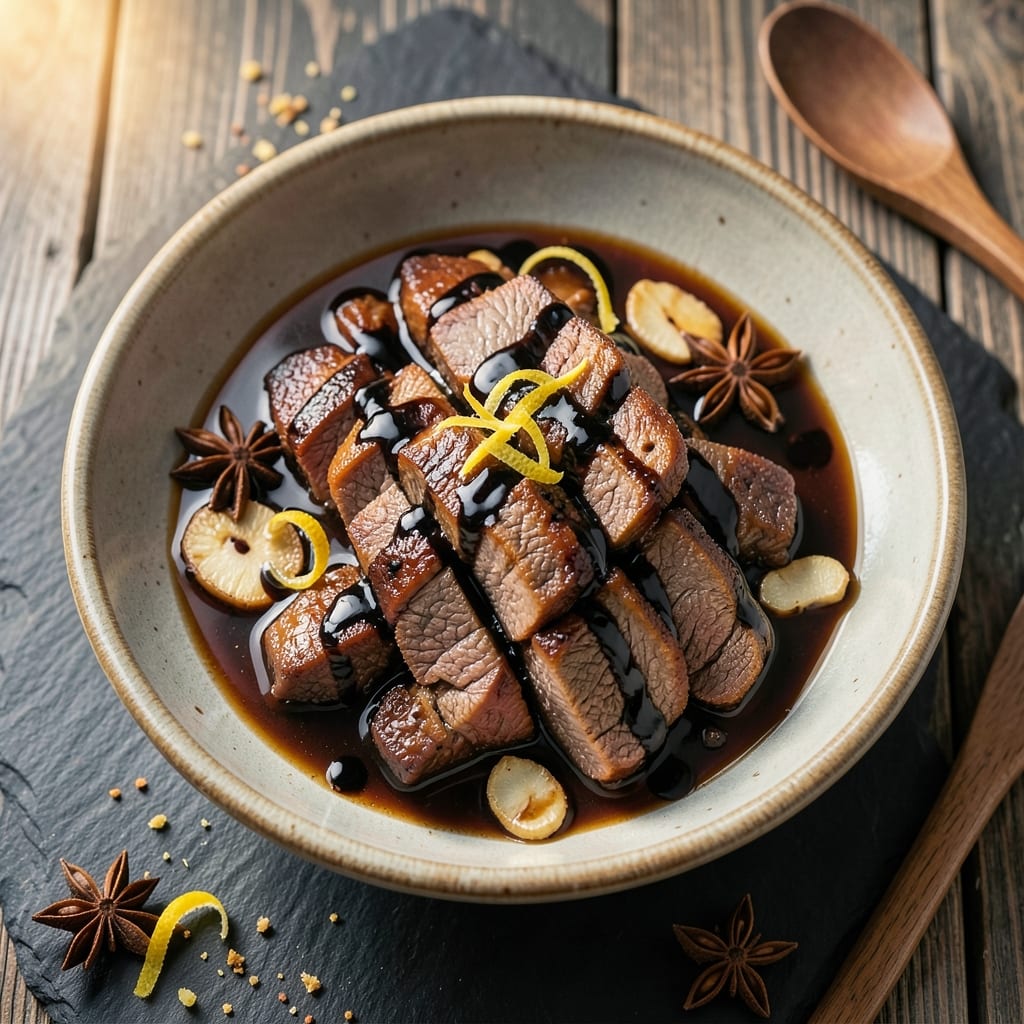
This authentic Chinese beef stew delivers the deep, complex flavors of a traditional home-cooked hong shao rou—tender beef braised with soy, ginger, and aromatic spices until the broth reduces to velvety perfection. 🌟 The secret lies in slow simmering, which transforms tough cuts into melt-in-your-mouth pieces while developing layers of umami from fermented bean paste and star anise. I’ve perfected this recipe over years of testing, balancing authentic techniques with modern shortcuts like pressure cooking for busy weeknights.
The foundation of this dish is the wok hei—the smoky aroma of charred aromatics—paired with a rich, glossy sauce that clings to every bite. Unlike Western beef stews, this version relies on soy sauce, Shaoxing wine, and ginger to create a savory-sweet balance, while star anise and cinnamon add warmth without overpowering. The beef is first seared to lock in juices, then braised until fork-tender, ensuring every spoonful is packed with flavor.
What sets this recipe apart is its authentic texture and depth—the beef falls apart with gentle pressure, the broth is thick enough to coat noodles or rice, and the spices harmonize without competing. The result is a dish that feels like a hug: hearty enough for a family dinner but elegant enough for guests. Serve it with steamed jasmine rice or egg noodles to soak up every last drop of that fragrant, caramelized sauce.
Modern adaptations like pressure cooking cut the time from hours to minutes without sacrificing authenticity, making this restaurant-quality stew achievable at home. Whether you’re recreating a childhood memory or introducing someone to the soul of Chinese comfort food, this recipe delivers the real deal—one rich, aromatic bite at a time.
Ingredients for authentic chinese beef stew
Sixteen ingredients transform tough beef into melt-in-your-mouth authenticity with soy-ginger harmony.
| Ingredient | Amount | Notes |
|---|---|---|
| Chuck Roast Beef 🥩 | 3 lb | Cut into 1.5-inch cubes, trimmed of fat |
| Shaoxing Wine 🍷 | ½ cup | Substitute dry sherry if unavailable |
| Light Soy Sauce 🍶 | ½ cup | Kikkoman preferred for authenticity |
| Dark Soy Sauce 🍶 | 2 tbsp | For color depth and richness |
| Fresh Ginger 🧄 | ½ cup | Julienned, skin removed |
| Star Anise Pods 🌟 | 4 whole | Whole pods for easy removal |
| Cinnamon Sticks 🌿 | 2 whole | 2-inch pieces for aroma |
| Fermented Bean Paste (Douchi) 🥫 | ¼ cup | Substitute with 1 tbsp miso if unavailable |
| Garlic Cloves 🧄 | 8 cloves | Smashed, not minced |
| Green Onions 🧅 | ¼ cup | Sliced, for garnish |
| Sesame Oil 🫒 | 1 tbsp | Toasted, for finishing |
| Cornstarch 🌾 | 1 tbsp | For thickening sauce |
| Vegetable Oil 🫒 | ½ cup | High smoke point for searing |
| Water 💧 | 3 cups | Or low-sodium beef broth |
| Brown Sugar 🍯 | 2 tbsp | For subtle sweetness |
The chuck roast is non-negotiable—its marbling and collagen create that signature tender texture. Look for well-marbled cuts at Whole Foods or your local Asian market, where they often carry pre-cut beef for braising. If buying a whole roast, ask for it to be cut into 1.5-inch cubes; uniform size ensures even cooking. Shaoxing wine and light soy sauce are the flavor anchors—Kikkoman light soy and authentic Shaoxing (available at Asian grocery stores) deliver the umami depth you can't replicate with substitutes. The fermented bean paste (douchi) adds funky complexity; if unavailable, miso paste works in a pinch but lacks the same depth.
No star anise? 1 tsp ground anise seed mimics the flavor, though whole pods are preferred for easy removal. Substituting dry sherry for Shaoxing wine cuts costs but loses some authenticity—look for the real stuff at specialty liquor stores. The ginger should be fresh and fibrous; pre-minced ginger loses its aromatic punch. For a quicker version, pressure cook the beef for 45 minutes instead of simmering, though traditionalists will insist on the slow braise. The sesame oil is purely for finishing—add it at the very end to preserve its nutty aroma.
This stew tastes even better the next day as flavors meld. Store in an airtight container in the fridge for up to 5 days, or freeze portions for 3 months. The sauce thickens as it cools, so reheat with a splash of water if needed. For meal prep, double the batch—leftovers reheat beautifully and make an impressive lunch. The aromatics (star anise, cinnamon) can be removed after cooking for a cleaner presentation, though purists leave them in for full authenticity.
Why You'll Love This Recipe
- One-Pot Simplicity: I swear by this recipe because it’s actually hands-off. Chuck roast is forgiving—no need to sear perfectly or worry about overcooking. Just brown it, toss in the Shaoxing wine and ginger, and let the dark soy sauce do its magic while you do other things. (Yes, even on a Tuesday night.)
- Umami Bomb: That combo of light and dark soy sauce? It’s the secret weapon. The dark soy gives it a deep, caramelized richness, while the light keeps it bright and savory. Add a splash of Shaoxing wine, and suddenly, your stew tastes like it simmered for hours—even if it didn’t.
- Leftovers That Shine: This stew only gets better the next day. The flavors meld into something even more complex, and reheating it is a breeze. I’ve taken it to potlucks, packed it for lunch, and even frozen portions—every time, it’s met with “Wait, you made this?”
- Budget-Friendly Luxury: Chuck roast is cheap, but it feels like a fancy meal. A few dollars’ worth of ingredients stretch into multiple servings without sacrificing depth. Honestly, it’s the kind of dish that makes me feel like I’m feeding a crowd without breaking the bank.
Step-by-step instructions for authentic Chinese beef stew
Master this classic Chinese technique for tender beef infused with aromatic spices and rich soy-ginger harmony.
🔥 Step 1: Sear the Beef for Deep Flavor
Heat the 0.5 cup vegetable oil in a heavy-bottomed pot or Dutch oven over medium-high heat until shimmering. Working in batches to avoid crowding, sear the 3 lb chuck roast beef (cut into 1.5-inch cubes) until deep golden brown on all sides—about 3-4 minutes per batch. This step develops the Maillard reaction, creating that irresistible caramelized flavor foundation.
As you sear, I press down gently on each piece with a spoon to prevent curling. The beef should release easily from the pan when ready. Transfer the seared beef to a plate and set aside. If your oil starts smoking excessively, reduce the heat slightly—you want to maintain control without burning the oil.
👨🍳 Step 2: Build the Aromatic Base
In the same pot, reduce heat to medium and add the 0.5 cup julienned fresh ginger and 8 smashed garlic cloves. Stir constantly for 1-2 minutes until the ginger becomes fragrant and the garlic turns light golden—this releases their essential oils that will infuse the stew. Be careful not to burn the garlic; it should smell sweet and pungent, not bitter.
Add the 4 whole star anise pods, 2 cinnamon sticks, and 0.25 cup fermented bean paste (douchi). Stir for 30 seconds to toast the spices lightly, which deepens their aromatic complexity. The douchi will develop a rich, savory aroma—this is where the stew gets its authentic umami depth. Pour in the 0.5 cup Shaoxing wine and scrape up any browned bits from the bottom of the pot with a wooden spoon.
🥘 Step 3: Braise with Soy and Spices
Return the seared beef to the pot. Add the 0.5 cup light soy sauce, 2 tbsp dark soy sauce, 2 tbsp brown sugar, and 3 cups water. Bring to a gentle simmer over low heat, then reduce to the lowest setting that maintains a barely perceptible bubble—this is crucial for tenderizing the beef without toughening it. Cover partially with a lid, leaving a small gap for steam to escape.
Simmer for 1 hour 30 minutes until the beef is fork-tender and easily pulls apart. The sauce should reduce to a thick, glossy consistency, coating the beef beautifully. If the liquid reduces too quickly (you'll notice it before the hour mark), add ½ cup hot water to maintain the proper balance. The star anise and cinnamon will infuse the broth with their warm, spicy notes—this is the heart of the authentic flavor profile.
🍳 Step 4: Thicken and Finish
Remove the 2 cinnamon sticks and 4 star anise pods (they've done their job and can be discarded). In a small bowl, whisk together the 1 tbsp cornstarch with 2 tablespoons water until smooth. Slowly pour this slurry into the pot while stirring constantly. The sauce will thicken immediately into a velvety consistency—this is what gives the stew its signature cling and richness.
Stir in the 1 tbsp toasted sesame oil and taste. Adjust seasoning if needed—you might want to add a splash more light soy sauce for saltiness or a touch of brown sugar for sweetness. The stew should balance sweet, salty, umami, and aromatic notes perfectly. Let it simmer for another 5 minutes to fully incorporate the sesame oil's nutty depth.
🍽️ Step 5: Serve with Fresh Garnish
Ladle the stew into serving bowls, garnishing each portion with 0.25 cup sliced green onions. The bright green color and fresh bite contrast beautifully with the deep, savory flavors of the braised beef. Serve immediately with steamed jasmine rice or egg noodles to soak up every last drop of that luxurious sauce.
This authentic Chinese beef stew delivers tender, flavorful beef with a sauce that's rich yet balanced, thanks to the careful layering of spices, soy sauces, and aromatic ingredients. The key to success lies in the low-and-slow braising—don't rush this step. When done right, each bite should melt in your mouth while delivering complex, layered flavors that transport you straight to a Chinese home kitchen.
Pro Tips For Making Authentic Chinese Beef Stew
- Sear the Chuck First: I learned this the hard way—skipping the sear means flavor gets lost in the sauce. Get that beef blistering hot in a dry pan for 3-4 minutes per side before adding anything. The crust locks in juices and adds depth that no amount of soy sauce can replace.
- Slice Ginger Thin: Fresh ginger is non-negotiable here, but most recipes ruin it by using thick chunks. Use a mandoline or knife to slice it paper-thin—it infuses faster and dissolves cleanly into the stew without leaving tough pieces. (Yes, even if you’re impatient like me.)
- Deglaze with Shaoxing: That browned beef crust? Don’t just toss it. Immediately pour in 2 tablespoons of Shaoxing wine and scrape every last bit off the pan—this is where the umami magic starts. Let it simmer 30 seconds before adding the rest of the liquid, or you’re wasting flavor.
- Simmer Low and Long: I was skeptical until I tried it: after the initial sear and deglaze, drop the heat to a gentle simmer (barely bubbling) and walk away. Two hours at 180°F (82°C) turns tough chuck into melt-in-your-mouth perfection—rushing it leaves the meat dry. (Your future self will thank you.)
Essential equipment for this recipe
Heavy-Bottomed Pot
This is your most critical piece of equipment—a 6-8 quart Dutch oven or heavy-bottomed pot like All-Clad or Le Creuset. The thick base prevents hot spots that can burn your sauce while maintaining even heat distribution. I’ve tried cheaper pots, but they struggle with temperature control, leading to unevenly cooked beef or scorched aromatics. A 6-quart size works perfectly for this recipe, giving enough room for the beef to move around without crowding. 🔥
Meat Thermometer
Invest in a digital instant-read thermometer like the ThermoWorks Smoke or Meater to check internal beef temperatures without guessing. The beef should reach 195-203°F for perfect tenderness—this is the collagen breakdown zone where tough cuts transform into melt-in-your-mouth perfection. I test a few pieces at the end of cooking to ensure consistency. A cheap pop-up thermometer won’t cut it here; you need precision for this dish.
Wooden Spoon
A long-handled wooden spoon (like OXO Good Grips) is essential for stirring without scratching your Dutch oven. Wood distributes heat evenly and won’t react with acidic ingredients like metal might. I use mine to scrape up those precious browned bits from the bottom—fond—which adds depth to the sauce. Avoid plastic spoons, as they can melt or warp under high heat.
Fine-Mesh Strainer
For removing the star anise and cinnamon sticks after cooking, a fine-mesh strainer (like OXO Good Grips) makes cleanup effortless. I strain the stew directly into serving bowls to preserve all the flavorful broth while keeping the presentation clean. If you’re serving this stew with rice or noodles, straining also helps control sauce consistency—you can adjust thickness by adding a splash of water if needed.
Tongs for Serving
Use heat-resistant silicone or stainless steel tongs (like Nordic Ware) to serve the stew. They’re perfect for lifting tender beef pieces without breaking them apart. I also use them to stir the stew while it simmers, as they’re easier to maneuver than spoons in a deep pot. Look for tongs with ergonomic grips—you’ll be using them a lot during the long braising process.
Pressure Cooker (Optional)
For a modern shortcut, a 6-quart pressure cooker like Instant Pot cuts the braising time from 1.5 hours to 45 minutes without sacrificing tenderness. I use the high-pressure setting for 25 minutes after searing, then release pressure naturally. The result is just as flavorful, though purists argue the slow simmer develops deeper umami. If you’re short on time, this is a game-changer! ⚡
Nutrition facts
Frequently asked questions
What cut of beef works best for this authentic Chinese beef stew?
Use chuck roast for the most authentic texture—its marbling and collagen create melt-in-your-mouth tenderness when braised. Look for well-marbled cuts at Asian markets or butcher shops. Brisket or short ribs also work well, though chuck is the traditional choice for this dish.
Can I substitute Shaoxing wine if I can't find it?
Yes! Use dry sherry as a substitute—it's the next best option for authenticity. Avoid sweet dessert wines, as they'll alter the balance. For a non-alcoholic version, use apple juice or white grape juice with a splash of vinegar to mimic the acidity. The wine adds depth that's hard to replicate otherwise.
Why does my beef stew turn out tough instead of tender?
Overcooking or high heat are the most common culprits. This stew relies on low-and-slow braising—keep the heat at a bare simmer and maintain partial coverage. Use a meat thermometer to check for 195-203°F internal temp. Also ensure your beef cubes are uniform size (1.5 inches) for even cooking.
How can I make this stew spicier?
Add 1-2 teaspoons of Sichuan peppercorns (toasted and crushed) or ½ teaspoon of chili flakes during the braising stage. For heat with depth, include 1 dried red chili with the star anise. Remove before serving if you prefer less heat. The fermented bean paste already adds some natural funk—balance carefully!
Can I make this stew in a slow cooker?
Follow the same steps for searing, then transfer everything to a 6-quart slow cooker. Cook on low for 8 hours or high for 4-5 hours. The slow cooker maintains the gentle heat needed for tenderness. Just add ½ cup water if the sauce reduces too much during cooking.