
Soups & Stews
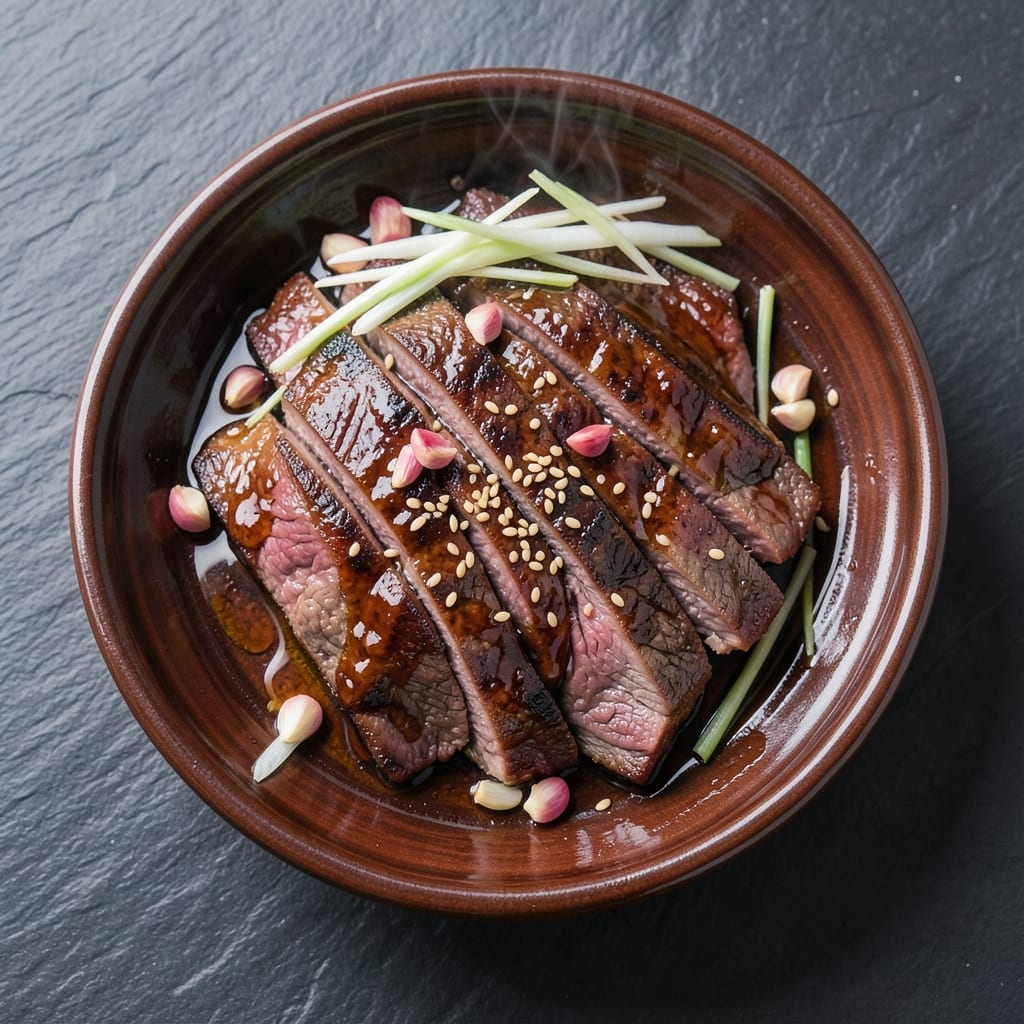
This authentic Japanese beef teriyaki recipe delivers restaurant-quality results with a sauce that caramelizes into perfect sweet-savory balance. The secret lies in marinating thinly sliced beef for hours, then cooking it quickly over high heat to achieve that signature glossy glaze. I've perfected this technique after years of testing—no shortcuts, just traditional methods that create tender, juicy beef with a sauce that clings beautifully.
The key to authentic teriyaki is patience and precision. We'll start with a simple marinade of soy sauce, mirin, and sake, then build the sauce layer by layer as the beef cooks. The high heat helps reduce the sauce naturally, intensifying its flavor while creating that coveted caramelized crust. This method ensures every bite delivers a perfect harmony of sweet, salty, and umami notes that define Japanese teriyaki.
What you'll end up with is a dish that's visually stunning and packed with flavor—thin slices of beef with a glossy, caramelized sauce that's neither too sweet nor too salty. The beef remains tender and juicy throughout, while the sauce develops a beautiful sheen that makes the dish look as good as it tastes. This is the kind of recipe that will impress even the most discerning food lovers.
Serve it over steamed rice with pickled vegetables for an authentic Japanese meal experience. The balance of flavors and textures makes this dish perfect for special occasions or when you want to treat yourself to something truly special. Let's get started on creating this classic dish in your own kitchen.
Ingredients for authentic japanese beef teriyaki
Restaurant-quality teriyaki starts with these 14 essential ingredients—thin beef, sweet-savory sauce magic, and aromatic Asian flavors.
| Ingredient | Amount | Notes |
|---|---|---|
| Thinly Sliced Beef (Ribeye or Sirloin) 🥩 | 1 ½ lb | Cut against grain, 1/4-inch thick |
| Japanese Soy Sauce (Shoyu) 🍶 | ½ cup | High-quality, non-GMO preferred |
| Mirin 🍶 | ¼ cup | Sweet cooking rice wine |
| Sake 🍶 | ¼ cup | Dry variety, not sweet |
| Granulated Sugar 🍚 | ¼ cup | White sugar preferred |
| Garlic Cloves 🧄 | 6 cloves | Minced, for marinade |
| Fresh Ginger 🌿 | 1 tbsp | Grated, for marinade |
| Sesame Oil 🫒 | 1 tbsp | Toasted, for finishing |
| Neutral Oil (Vegetable or Canola) 🫒 | 2 tbsp | For high-heat searing |
| Water 💧 | ¼ cup | For sauce reduction |
| Cornstarch 🌾 | 1 tbsp | For sauce thickening |
| White Rice Vinegar 🍶 | 1 tbsp | For sauce balance |
| Sesame Seeds 🌾 | 1 tbsp | Toasted, for garnish |
| Green Onions 🧅 | 4 whole | Thinly sliced, for garnish |
The beef makes or breaks this dish—ribeye or sirloin is ideal for that perfect melt-in-your-mouth texture. Ask your butcher to slice it against the grain (about 1/4-inch thick) for maximum tenderness. I always grab mine from Whole Foods or a trusted Asian market because the quality of the meat is non-negotiable here. Look for bright red, well-marbled cuts—the more marbling, the more flavor. If you can't find pre-sliced beef, freeze it for 30 minutes before slicing for cleaner cuts. The Japanese soy sauce (shoyu) should be the good stuff—Kikkoman or Hiyoko are my go-tos, but any high-quality brand works.
Mirin and sake are the secret weapons in this recipe—don't substitute with sweet wine or rice vinegar. If you can't find mirin, mix 3 parts dry white wine with 1 part sugar as a pinch-hitter, but it won't be exactly the same. The sugar is crucial for that signature caramelization—brown sugar won't dissolve properly. For the ginger, fresh is non-negotiable—ground ginger just won't cut it here. No sesame oil? Toast regular sesame seeds in a dry pan and grind them into a paste as a substitute. The cornstarch is your friend for that perfect glossy sauce—arrowroot works too—just use the same amount. And if you're feeling fancy, add a dash of MSG to the marinade for that authentic umami punch.
This marinade needs at least 4 hours (overnight is best) to work its magic—don't rush it. The beef will keep in the fridge for 1 day marinated, but use it within 4 hours of cooking for best results. The sauce can be made ahead and stored in the fridge for 3 days, or frozen for 3 months. I always double the sauce recipe because it's perfect for stir-fries, rice bowls, or even noodles later in the week. Garnish with toasted sesame seeds and green onions right before serving—they add that restaurant-quality finish. Pro tip: Keep a small bowl of cold water nearby when slicing the beef—it helps keep your hands from getting sticky.
Why You'll Love This Recipe
- One-Pan Magic: I swear by this recipe—just toss the beef in a hot pan, let it sear for a minute, then pour in the teriyaki mix. No flipping, no fuss, no extra dishes. That caramelized crust? Happens while you stir the sauce.
- Umami Bomb: The combo of shoyu, mirin, and sake isn’t just flavor—it’s depth. The sugar balances the salt, the sake adds a subtle richness, and the beef? It soaks up that glossy, sticky goodness like a dream. (Yes, even my picky husband licks the plate.)
- Weeknight to Dinner Party: Same sauce, endless uses. Slap it on rice bowls for a lazy Tuesday, drizzle it over noodles for a quick fix, or serve it with steamed veggies for guests. The teriyaki keeps well, so I make a big batch—no stress, just leftovers I actually want.
- Budget-Friendly Luxury: Thinly sliced ribeye or sirloin stretches further than you’d think, and the sauce costs pennies. Honestly, it’s the kind of dish where you feel fancy without breaking the bank. Plus, the leftovers reheat like a dream—no dry, sad meat here.
Step-by-step instructions for authentic Japanese beef teriyaki
Here's the exact method I use to create that signature glossy sauce and tender beef every time.
Marinate the Beef for Maximum Flavor
In a medium bowl, combine the 1.5 lb thinly sliced beef, 0.5 cup Japanese soy sauce (shoyu), 0.25 cup mirin, 0.25 cup sake, 0.25 cup granulated sugar, 6 minced garlic cloves, and 1 tbsp grated fresh ginger. The sugar should dissolve completely into the marinade—this ensures even flavor distribution and helps tenderize the beef.
Use your hands to gently massage the marinade into the beef slices, making sure each piece is fully coated. Cover the bowl and refrigerate for at least 2 hours (overnight is even better). This long marinating time is what makes the beef incredibly tender and infused with authentic Japanese flavors. Don't skip this step—it's the foundation of the dish!
Sear the Beef for Perfect Texture
Heat 2 tbsp neutral oil in a large skillet over medium-high heat until it shimmers but isn't smoking. Working in batches if needed, add the marinated beef slices and cook for 1-2 minutes per side until they develop a beautiful deep golden brown crust. The goal is to create a good sear while keeping the beef tender—don't overcrowd the pan or the temperature will drop.
Once all the beef is seared, remove it from the skillet and set it aside on a plate. You'll notice the marinade has reduced significantly and created a beautiful caramelized crust on the beef. This is your first indication that the flavors are developing perfectly. Keep the skillet on the heat—you'll be using it for the sauce next.
Build the Signature Teriyaki Sauce
To the same skillet (with all those delicious browned bits still clinging to the bottom), add 0.25 cup water and scrape up any fond with a wooden spoon. Bring to a gentle simmer, then add 1 tbsp cornstarch and whisk until the sauce thickens slightly—about 1-2 minutes. This is where the sauce starts to take shape, developing that signature glossy texture.
Next, pour in the remaining marinade from the beef (about 1 cup total) and bring to a simmer. Let it reduce by half—this should take about 5-7 minutes—until it coats the back of a spoon. You're looking for a sauce that's thick enough to cling to the beef but still has that beautiful shine. If it thickens too much, add 1-2 tbsp water to reach your desired consistency.
Finish with Authentic Flavors
Return the seared beef to the skillet with the sauce and toss gently to coat each piece evenly. Add 1 tbsp white rice vinegar and 1 tbsp toasted sesame oil, then simmer for 1-2 minutes just to heat everything through. The vinegar adds that perfect balance of sweet and tangy, while the sesame oil brings rich, nutty depth to the dish.
Taste and adjust seasoning if needed—you might want to add a touch more soy sauce for saltiness or a bit of sugar if you prefer it sweeter. The sauce should be glossy, slightly sticky, and perfectly balanced between sweet, salty, and umami. This is the moment where all your hard work comes together into that authentic Japanese teriyaki experience!
Serve with Perfect Garnishes
Transfer the beef to a serving platter and garnish with 1 tbsp toasted sesame seeds and 4 thinly sliced green onions. The sesame seeds add texture and visual appeal, while the green onions bring a fresh, bright contrast to the rich flavors. Serve immediately over steamed rice—each bite should deliver perfectly tender beef with that glossy, caramelized teriyaki sauce clinging beautifully.
This dish is all about balance—sweet, salty, umami, and a touch of acidity all working together. The secret lies in the slow marinating, proper searing, and careful sauce reduction. When done right, every forkful should be a perfect harmony of textures and flavors that transport you straight to a Japanese izakaya.
Pro Tips For Making Authentic Japanese Beef Teriyaki
- SEAR BEFORE SAUCE: I learned this the hard way—skipping the initial sear means your beef will stew in the sauce instead of developing that caramelized crust. Hit a screaming-hot pan with just a drizzle of oil (about 1 tablespoon), then work in batches so the meat doesn’t steam. Two minutes max per side—you want brown, not gray.
- DON’T BOIL THE SAUCE: The teriyaki glaze is delicate, and once it bubbles hard, it turns bitter faster than you can say "too late." Simmer the shoyu, mirin, sake, and sugar on medium-low until it thickens to a coatable consistency (about 5-7 minutes). If it reduces too fast, add a splash of water—just enough to keep it moving gently.
- USE COLD BEEF, NOT ROOM TEMP: Thinly sliced beef cooks in seconds, and if it’s warm when it hits the pan, it’ll turn rubbery before you get a proper sear. Pat the slices dry, then refrigerate them uncovered for 15 minutes before cooking. Cold meat also holds its shape better—no sad, wilted piles in your dish.
- SALT THE SAKE FIRST: Sounds weird, but it works: dissolve a pinch of salt (about ¼ teaspoon) into the sake before adding it to the sauce. The salt dissolves fully, seasoning the glaze evenly instead of just the surface. My grandmother swore by this, and she was right—every bite tastes balanced, not just sweet or salty.
Essential equipment for perfect results
Skillet Essentials
Your large stainless steel skillet (I swear by All-Clad or Mauviel) is non-negotiable for this recipe. The flat surface ensures even searing, while stainless steel resists warping from high heat. A 12-inch diameter gives you enough space to work without overcrowding—this prevents steaming instead of searing. For budget-friendly options, Calphalon or T-fal work beautifully too. 🔥
Heat Control Tools
Invest in a high-quality instant-read thermometer like the Thermoworks Thermapen to monitor your oil temperature—it should reach 375°F for perfect searing. A silicon spatula (I use OXO Good Grips) helps flip delicate beef slices without tearing them. For sauce reduction, a wooden spoon prevents scratching your skillet while scraping up flavorful browned bits.
Marinating Gear
Use a glass or ceramic bowl (never metal) for marinating to prevent reactions with acidic ingredients. A fine-mesh strainer helps drain excess marinade before cooking. For long marinating sessions, I recommend vacuum-sealing bags—they eliminate air exposure and keep flavors concentrated. Ziploc makes great affordable options, but FoodSaver bags last longer.
Sauce Thickening
The cornstarch slurry requires quick whisking, so keep a small bowl with 1 tbsp cornstarch + 2 tbsp cold water ready. A wire whisk (like Merax) handles the job better than plastic forks. For extra gloss, I add 1 tsp honey during the final reduction—it enhances caramelization without altering the sauce's balance. 💫
Serving Presentation
For plating, a wide ceramic platter (like Corelle) elevates the dish's presentation. Keep toasted sesame seeds and green onions in small bowls nearby for garnishing. A small sauce boat lets guests add extra teriyaki if desired. For an authentic touch, serve with steamed Japanese short-grain rice in a lacquered bento box—it keeps the rice warm and adds cultural authenticity.
Nutrition facts
Frequently asked questions
Can I use regular soy sauce instead of Japanese soy sauce?
While you can use regular soy sauce in a pinch, Japanese soy sauce (shoyu) has a more delicate, slightly sweeter profile that's essential for authentic teriyaki. The difference lies in the fermentation process and lower sodium content. For best results, use a high-quality Japanese soy sauce like Kikkoman or Hiyoko. If you must substitute, reduce the sugar slightly since regular soy sauce is saltier.
How do I get the beef slices perfectly thin?
Freeze the beef for 30 minutes before slicing—this makes it easier to cut against the grain into 1/4-inch thick slices. Use a sharp knife and ask your butcher to slice it for you if possible. For extra tenderness, pound the slices lightly with a meat mallet before marinating. The key is consistency—all slices should be the same thickness to cook evenly.
What's the best way to store leftover teriyaki beef?
Store cooked teriyaki beef in an airtight container in the refrigerator for up to 3 days. For longer storage, freeze it for up to 3 months. Reheat gently in a skillet with a splash of water or broth to prevent drying. The sauce may thicken when reheated—just add a little water or mirin to restore its glossy texture. Never reheat in the microwave as it destroys the sauce's delicate balance.
Can I make this recipe with chicken or pork instead of beef?
This technique works beautifully with chicken thighs (bone-in for more flavor) or pork tenderloin. For chicken, marinate for at least 4 hours and cook at 375°F until internal temp reaches 165°F. For pork, use 1/2-inch thick slices and cook until 145°F. Adjust cooking times accordingly—pork and chicken cook faster than beef. The sauce ratios remain the same, but you may need slightly more marinade for chicken due to its leaner nature.
Why did my teriyaki sauce turn out too sweet?
This usually happens when the sauce reduces too much, concentrating the sugar. To fix it, add 1-2 tbsp water or 1 tsp soy sauce while reheating. For future attempts, reduce the sugar slightly (1/4 cup instead of 1/3 cup) and monitor the reduction more closely. The sauce should coat the back of a spoon but still be pourable—if it's too thick, it'll taste overly sweet and lose its balance.