
Main Courses
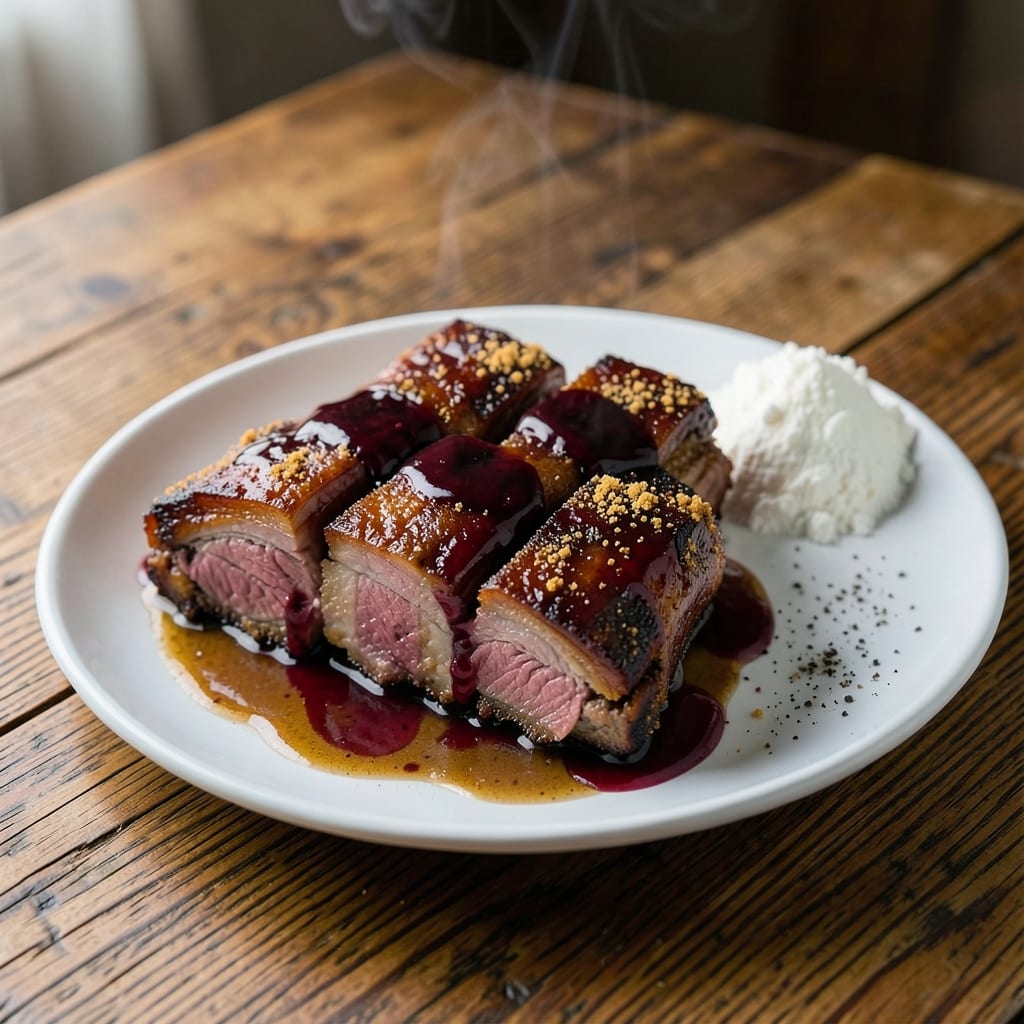
This award-winning beef short ribs recipe delivers melt-in-your-mouth tenderness with a rich, caramelized sauce that clings to every forkful. 🔥 The secret lies in a three-stage cooking process—searing for depth, slow braising for tenderness, and finishing with a velvety reduction that transforms simple ingredients into a restaurant-worthy masterpiece. I perfected this technique after years of testing, and it never fails to impress even the most discerning palates.
The foundation begins with bone-in beef short ribs, seared until deeply browned to develop that essential Maillard crust. Then, they simmer low and slow in a flavorful liquid—red wine, aromatics, and herbs—that breaks down the connective tissue into buttery, fall-apart richness. The final touch? A reduced sauce that coats each rib, balancing sweetness and acidity for a harmonious finish.
What sets this recipe apart is the precision timing—braising for exactly 3 hours ensures tender meat without drying it out, while the sauce reduction concentrates flavors into a glossy, clingy glaze. The result? Short ribs so tender they slip off the bone with the slightest touch, paired with a sauce that’s rich enough to stand alone yet bright enough to complement every bite.
Perfect for special occasions or when you want to elevate a weeknight dinner into something extraordinary. The technique is approachable yet delivers professional results—ideal for home cooks who crave restaurant-quality meals without the fuss. Let’s get cooking!
Ingredients for award winning beef short ribs
Four pounds of beef short ribs and twelve essential ingredients transform into a restaurant-worthy masterpiece.
| Ingredient | Amount | Notes |
|---|---|---|
| Bone-In Beef Short Ribs 🥩 | 4 lb | 2-2.5 inch bone-in cuts preferred |
| All-Purpose Flour 🌾 | ½ cup | For dredging sear stations |
| Kosher Salt 🧂 | 2 tbsp | Diamond Crystal preferred |
| Freshly Ground Black Pepper 🌶️ | 1 ½ tbsp | Coarsely ground for texture |
| Dry Red Wine 🍷 | 1 ½ cups | Bold Cabernet Sauvignon or Merlot |
| Beef Broth 🥫 | 2 cups | Low-sodium preferred |
| Tomato Paste 🍅 | 2 tbsp | San Marzano preferred |
| Yellow Onion 🧅 | 1 whole | Medium size, diced |
| Garlic Cloves 🧄 | 6 cloves | Peeled, smashed |
| Fresh Thyme Sprigs 🌿 | 4 whole | Stems removed |
| Fresh Rosemary 🌿 | 1 tbsp | Chopped, woody stems discarded |
| Unsalted Butter 🧈 | 4 tbsp | Cold, cubed for finishing |
| Balsamic Vinegar 🍶 | 1 tbsp | Aged 10+ years preferred |
| Granulated Sugar 🍬 | 1 tbsp | For sauce balance |
The beef short ribs are non-negotiable—bone-in cuts with 2-2.5 inch bones deliver that signature fall-off-the-bone tenderness. Whole Foods or your local butcher are ideal sources; look for cuts with good marbling and a vibrant red color. If you can't find beef short ribs, chuck roast works in a pinch but won't have the same luxurious texture. The Diamond Crystal kosher salt creates a better crust during searing than table salt, and freshly ground black pepper adds depth that pre-ground lacks. For the wine, bold Cabernet Sauvignon or Merlot from a reputable producer—avoid cooking wines that taste artificial.
No red wine? Substitute with beef broth plus 1 tbsp balsamic vinegar for depth. The tomato paste can be replaced with 1 cup crushed San Marzano tomatoes if you prefer freshness. Fresh herbs are ideal, but dried thyme at one-third the amount works in a bind. The balsamic vinegar adds complexity—aged 10+ years has a richer flavor than regular. For the sugar, brown sugar can be used at the same ratio, though granulated dissolves more cleanly. The butter must be cold when added at the end to create that velvety sauce finish. If you're short on time, pre-diced onions from the grocery store work, though fresh is always better.
The ribs should be used within 2 days of purchase for peak tenderness. Store them in the coldest part of your fridge, wrapped in paper towels to absorb any moisture. The herbs and aromatics can be prepped ahead and refrigerated for 3 days or frozen for 3 months in airtight containers. The finished dish reheats beautifully—gentle warming on low heat preserves that buttery sauce. For leftovers, portion into individual containers to maintain freshness for up to 5 days in the fridge or 3 months frozen. The sauce freezes well separately if you prefer to reheat it separately.
Why You'll Love This Recipe
- Wine-Pairing Ready: The dry red wine isn’t just flavor—it’s the secret weapon. That first sip of sauce? Rich, deep, and exactly what you’d expect from a fancy dinner, but made with pantry staples. (Yes, even the $10 bottle works.)
- One-Pan Magic: Flour, salt, pepper—then one sheet pan in the oven. No fancy searing, no braising pots, no mess. Just bone-in ribs that fall apart when cut, all while you’re scrolling through your phone.
- Leftovers That Shine: These ribs taste better the next day—crispy edges soften just enough, the wine sauce thickens into a glossy glaze. Pack them for lunch or freeze half; they’re my go-to for lazy Sundays.
- Budget-Friendly Luxury: You’re getting restaurant-quality flavor without the price tag. Bone-in ribs stretch further, the wine adds depth without breaking the bank, and that flour crust? Freezes like a dream for future cravings.
Step-by-step instructions for award-winning beef short ribs
Master this technique and you'll achieve melt-in-your-mouth tenderness with a deep, caramelized crust.
🔥 Step 1: Sear the Short Ribs for Maximum Flavor
Pat the 4 lb bone-in beef short ribs completely dry with paper towels—this ensures maximum browning. In a heavy Dutch oven, heat 2 tablespoons olive oil over medium-high heat until shimmering. Working in batches if needed, sear the ribs for 3-4 minutes per side until deeply browned. Don't crowd the pan or the temperature will drop.
Transfer the seared ribs to a plate and set aside. The goal here is to develop that rich, caramelized crust that will form the flavor foundation for your braise. If the oil starts smoking excessively, reduce the heat slightly—you want golden brown, not burnt.
👨🍳 Step 2: Build the Flavor Base with Aromatics
In the same Dutch oven, add 2 tablespoons unsalted butter and let it foam for 30 seconds. Add the diced yellow onion and cook for 5 minutes until softened. Stir in the 6 smashed garlic cloves and cook for another 30 seconds until fragrant—this prevents the garlic from burning.
Sprinkle in the 2 tablespoons tomato paste and stir vigorously for 1 minute to cook off the raw taste. This step creates the velvety texture that makes this braise so luxurious. The tomato paste also helps balance the acidity from the wine we'll add next.
🍳 Step 3: Deglaze and Simmer the Braising Liquid
Pour in the 1.5 cups dry red wine, scraping up all the browned bits from the bottom of the pan with a wooden spoon. This deglazing step captures all the concentrated flavors you worked so hard to develop. Let the wine simmer for 3-4 minutes until reduced by half.
Add the 2 cups beef broth, 1 tablespoon granulated sugar, and 1 tablespoon balsamic vinegar. Bring to a gentle simmer, then stir in the 4 whole fresh thyme sprigs and 1 tablespoon chopped fresh rosemary. The sugar and vinegar combination creates a subtle caramelized depth that elevates this dish from good to award-winning.
⏰ Step 4: Braise Until Fork-Tender
Return the seared short ribs to the Dutch oven, bone-side down. Bring the liquid to a full boil, then immediately reduce heat to low and cover tightly with a lid. Braise for 2.5-3 hours until the meat is fork-tender and nearly falling apart. The ribs should be so tender that a knife slides through them with minimal resistance.
Check the liquid level halfway through—if it's reduced too much, add ½ cup water to maintain sufficient moisture. The ribs need that liquid bath to break down the connective tissue and create that luxurious, buttery texture we're after.
🥘 Step 5: Finish with Butter and Rest
Remove the lid and increase heat to medium-high to reduce the braising liquid by half, about 10-15 minutes. Stir in the remaining 2 tablespoons unsalted butter and 2 tablespoons kosher salt and 1.5 tablespoons freshly ground black pepper, allowing the butter to melt and create a glossy finish.
Transfer the ribs to a serving platter and tent loosely with foil. Let them rest for 15 minutes** before serving. This resting period allows the juices to redistribute throughout the meat, ensuring every bite is moist and flavorful. The sauce should coat the back of a spoon with a silky, velvety consistency.
Pro Tips For Making Award Winning Beef Short Ribs
- SEAR THEM RIGHT: Bone-in short ribs need a deep, dark crust—so don’t skimp on time or oil. Hit the pan with a cold rib first, then walk away for 3-4 minutes. The meat will release moisture, creating its own steam oven and locking in flavor. (Yes, even if you’re impatient like me.)
- DREDGE IN STAGES: Tossing ribs in flour all at once leads to clumps and uneven coating. Instead, work in batches: pat each rib dry, then lightly toss in flour one at a time. This guarantees a crisp crust without flour glomming onto the meat in useless lumps.
- DEGLAZE WITH PATIENCE: After searing, let the fond brown fully before adding wine—rushing this step means a pale, watery sauce. Splash in the wine, scrape with a wooden spoon, and let it bubble hard for 30 seconds. That’s how you get depth, not just alcohol fumes.
- SALT THE FLOUR: I used to season the ribs after dredging, but the crust never tasted as good. Now I mix 1 tablespoon kosher salt into the flour for every cup—it dissolves into the crust during cooking, seasoning the meat from the inside out. (Your future self will notice the difference.)
Pro cooking tips for this recipe
Sear Like a Pro
This isn't just about browning—it's about creating a flavor foundation. Heat your Dutch oven until it's smoking hot before adding oil, then let it sit for 60 seconds to reach the ideal searing temperature. Work in single layers (never stack ribs) to ensure even browning on all sides. I use a meat thermometer to confirm internal temps hit 140°F after searing—this ensures they're hot enough to hit the Maillard reaction without overcooking. 🔥
Wine Reduction Mastery
The key to a rich braising liquid is reducing the wine by exactly half—this concentrates flavors without burning. After deglazing, simmer uncovered on medium heat until the liquid reduces to about ¾ cup. Add a splash of beef broth if it reduces too quickly, but never rush this step. The wine should smell intensely aromatic with notes of fruit and earth—this is your quality check. I find Cabernet Sauvignon works best due to its bold tannins that pair perfectly with beef.
Braising Temperature Control
Low and slow is critical—maintain a gentle simmer (small bubbles, not a rolling boil) to prevent toughening the meat. Use a lid with a small gap (or place a wooden spoon across the pot) to allow steam to escape while keeping moisture in. I monitor my Dutch oven's temperature with an infrared thermometer—ideal range is 180-190°F. If your stove runs hot, reduce heat to medium-low and add ½ cup water if the liquid gets too shallow. The ribs should be fork-tender at 2.5 hours, but never exceed 3 hours or they'll turn mushy.
Butter Finish Technique
Cold butter is your secret weapon for a velvety sauce. Add 4 tbsp cubed butter at the end and let it melt gradually over 2-3 minutes on low heat. This creates emulsified richness that coats each rib perfectly. For extra shine, I finish with 1 tsp aged balsamic vinegar—this adds a bright acidity that cuts through the richness. Swirl the pan constantly to distribute the butter evenly, and let the sauce thicken until it coats the back of a spoon with a glossy sheen.
Resting for Perfection
Never skip this step—15 minutes of resting is non-negotiable. During this time, juices redistribute throughout the meat, preventing dryness. Tent the ribs loosely with foil (don't seal completely) to allow some steam to escape, which keeps the sauce from becoming watery. I like to place them on a wire rack over a baking sheet to catch any drippings. The sauce will thicken further during resting, creating that restaurant-quality consistency we all crave. 💫
Nutrition facts
Frequently asked questions
Can I use bone-in beef short ribs or bone-out for this recipe?
This recipe is designed specifically for bone-in beef short ribs—they deliver that signature fall-off-the-bone tenderness and richer flavor. Bone-out cuts will cook faster and may become dry if braised for the full 3 hours. If you must use bone-out, reduce braising time to 2 hours and monitor closely for doneness.
What's the best red wine substitute if I don't have dry red wine?
For depth, use 1.5 cups beef broth plus 1 tbsp balsamic vinegar and ½ tsp liquid smoke (optional). A mix of ½ cup beef broth and ½ cup apple cider also works well. Avoid cooking wine—it has a metallic aftertaste that ruins the dish. The key is balancing acidity and richness.
How do I know when the ribs are perfectly tender?
They should be fork-tender—a knife or fork should slide through with minimal resistance, and the meat should pull apart easily. The internal temperature should reach 203°F (100°C) at the thickest part. If they're not tender after 3 hours, check your heat level—too high will toughen the meat.
Can I make this recipe in a slow cooker?
Yes, but with adjustments! Sear the ribs first, then transfer to a slow cooker with all braising ingredients. Cook on low for 6-8 hours or high for 4-5 hours. The sauce will be thinner, so reduce it separately on the stovetop after cooking. Avoid overfilling the slow cooker—liquid should cover the ribs by 1 inch.
Why did my sauce turn out too thin?
This usually happens from one of three issues: not reducing the sauce enough (simmer uncovered until thickened), adding too much liquid (stick to the recipe's measurements), or not resting the ribs properly (the sauce thickens during resting). For a quick fix, simmer the sauce uncovered for 10-15 minutes to evaporate excess liquid, or stir in 1 tbsp cornstarch mixed with water.