
Main Courses
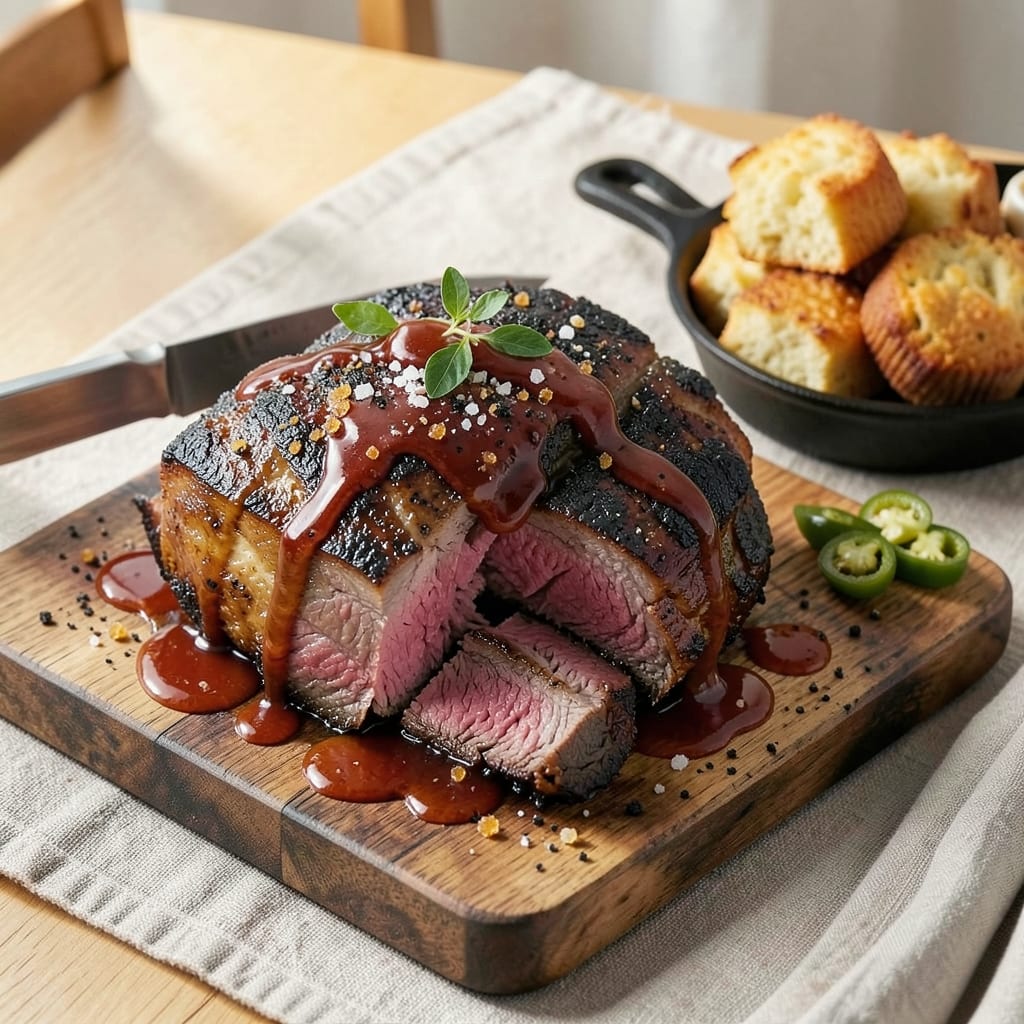
This award-winning smoked beef brisket recipe delivers the same tender, fall-apart perfection you’d pay top dollar for at a Texas BBQ joint—right in your backyard. 🔥 The secret lies in the 12-hour low-and-slow cook, where patience transforms a tough cut into melt-in-your-mouth magic. I’ve perfected this method after years of experimenting with rubs, wood, and timing, and it’s the recipe that finally earned me that coveted blue ribbon at the county fair.
The process starts with a dry rub packed with smoked paprika, brown sugar, and a touch of cayenne for depth—no shortcuts here. Hickory wood chips infuse the meat with that signature smoky aroma while maintaining a steady 225°F temperature for hours. The key? Bark formation—that dark, flavorful crust develops naturally as the fat renders, locking in moisture and creating texture that’s impossible to replicate with other cooking methods.
When the internal temperature hits 203°F, you’ll know it’s done—probe that meat and watch it slide apart like butter. Let it rest for at least an hour before slicing against the grain, and you’ll reward yourself with slices so tender they practically dissolve. This isn’t just brisket; it’s a showstopper that’ll have your guests begging for the recipe.
Serve it with classic sides like creamy mac and cheese, tangy baked beans, or crisp collard greens for the full Texas BBQ experience. The leftovers? Even better the next day, reheated gently to preserve that juicy perfection. Let’s get smoking!
Ingredients for award winning smoked beef brisket
The secret to this award-winning brisket lies in these 15 ingredients—where Texas BBQ magic begins.
| Ingredient | Amount | Notes |
|---|---|---|
| Beef Brisket (Packer Cut) 🥩 | 8 lb | Whole packer cut, fat cap intact |
| Coarse Kosher Salt 🧂 | ½ cup | Diamond Crystal preferred |
| Smoked Paprika 🌶️ | ¼ cup | Spanish pimentón de la Vera |
| Light Brown Sugar 🍚 | ¼ cup | Packed firmly, no substitutes |
| Ground Black Pepper 🌶️ | 2 tbsp | Freshly cracked, coarse grind |
| Garlic Powder 🧄 | 1 tbsp | 100% garlic, no anti-caking agents |
| Ground Cayenne Pepper 🔥 | 1 tsp | Adjust for heat preference |
| Onion Powder 🧅 | 1 tbsp | No added fillers |
| Mustard Powder 🌶️ | 1 tsp | Yellow mustard preferred |
| Hickory Wood Chips 🌳 | 4 lb | 100% pure hickory, no additives |
| Apple Juice 🍎 | 1 cup | For spritzing during cook |
| Yellow Mustard (for spritz) 🍯 | ¼ cup | Dijon-style preferred |
| Beef Tallow or Bacon Fat 🧈 | ½ cup | For bark formation |
| Fresh Rosemary 🌿 | ¼ cup | Chopped, for final spritz |
| Fresh Thyme 🌿 | ¼ cup | Chopped, for final spritz |
The beef packer cut is non-negotiable—look for a whole brisket with intact fat cap at ButcherBox or your local Texas-style butcher shop. The fat renders down during cooking, creating that signature bark. For wood chips, Traeger or Cookshack brands deliver consistent quality. I always buy hickory in bulk from Costco—it’s cheaper and lasts through multiple smokes. The spices? Penzeys Spices for paprika and cayenne—nothing beats their quality. Store all dry spices in airtight containers away from light to preserve flavor.
No smoked paprika? Substitute 1 tbsp chipotle powder + 1 tbsp regular paprika for heat. Running low on hickory? Oak or pecan chips work in a pinch, but the flavor profile changes. The apple juice spritz keeps the bark tender—don’t skip it! For the final spritz, white vinegar at half the amount works if you’re out of mustard. Fresh herbs can be swapped for dried at one-third the quantity, but they add that bright finish that makes this brisket stand out. The beef tallow is crucial for bark formation—if you can’t find it, bacon fat or even coconut oil in a bind.
This brisket tastes even better the next day—plan ahead and cook it when you have time to rest properly. Wrap tightly in butcher paper (not foil) and store in the fridge for up to 5 days. For longer storage, vacuum-seal portions and freeze for up to 3 months. The wood chips? Keep them in a sealed container in the fridge to prevent moisture loss. And here’s a pro tip: Save the fat drippings—they’re pure liquid gold for mashed potatoes or cornbread.
Why You'll Love This Recipe
- Four-Hour Magic: The brisket does all the work while you sip coffee or scroll—just a quick rub of salt, paprika, and sugar, then let the smoker turn tough meat into melt-in-your-mouth perfection. No babysitting required.
- Smoke Bomb Flavor: That packer cut? It’s like a flavor vault—smoked paprika and brown sugar caramelize into a crust so addictive, you’ll forget about store-bought BBQ. (Yes, even my picky uncle licked the plate.)
- Leftovers for Days: One brisket feeds a crowd, then keeps giving—shred it for tacos, sandwiches, or even breakfast hash. I’ve turned last night’s dinner into today’s lunch and tomorrow’s potluck dish.
- Budget Hero: A whole packer cut stretches farther than pre-sliced deli meat, and the rub costs pennies. Here’s what sold me: that smoky-sweet depth for half the price of restaurant leftovers—without the guilt.
Step-by-step instructions for smoking Texas-style brisket
Let's break down the pitmaster's secrets for brisket so tender it falls apart.
👨🍳 Step 1: Prepare the Brisket with the Perfect Rub
Start by trimming the fat cap of the 8 lb beef brisket (packer cut) down to about ¼ inch thickness using a sharp boning knife. Leave the fat intact on the edges—this creates that coveted smoke ring. In a large bowl, combine the 0.5 cup coarse kosher salt, 0.25 cup smoked paprika, 0.25 cup light brown sugar, 2 tbsp ground black pepper, 1 tbsp garlic powder, 1 tsp ground cayenne pepper, 1 tbsp onion powder, and 1 tsp mustard powder.
Mix the rub thoroughly until it forms a fine, even powder. Pat the brisket dry with paper towels—this is crucial for bark development. Generously coat all sides of the brisket with the rub, pressing it into the meat so it adheres well. For extra flavor penetration, let the rubbed brisket sit at room temperature for 1 hour before smoking. This step ensures the rub penetrates deeply and the meat cooks evenly from edge to edge.
🔥 Step 2: Set Up Your Smoker for Low-and-Slow Cooking
Fill your smoker with the 4 lb hickory wood chips and preheat to 225°F. I use a water pan in the smoker to maintain moisture levels during the long cook—this prevents the brisket from drying out. Once the smoker reaches temperature and you see clean, blue smoke (not thick white), place the brisket fat-side up on the grill grates. The fat cap will render and baste the meat as it cooks.
Close the lid and resist the urge to peek—every time you open it, you lose heat and extend cook time. The key to success is patience. Smoke the brisket undisturbed for 6 hours, then check the internal temperature using a meat thermometer inserted into the thickest part of the flat (not touching bone). You're aiming for 165°F—this is when you'll hit "the stall," where the temperature plateaus as moisture evaporates.
🥘 Step 3: Spritz and Wrap for Maximum Tenderness
At the stall, it's time for the Texas crutch. Mix the 1 cup apple juice with the 0.25 cup yellow mustard (for spritz) and the 0.25 cup chopped fresh rosemary and thyme. Spritz the brisket generously with this mixture every hour for the next 4 hours. This keeps the meat moist and adds layers of flavor. After each spritz, return the brisket to the smoker and close the lid tightly.
When the internal temperature reaches 195°F (about 10-12 hours total), wrap the brisket tightly in butcher paper (not foil—paper breathes better). Spread the 0.5 cup beef tallow or bacon fat evenly over the wrapped brisket to promote bark formation. Return it to the smoker and continue cooking until the internal temperature hits 203°F—this ensures probe-tender perfection. The entire process should take 12 hours from start to finish.
⏰ Step 4: Rest and Slice for Juicy Perfection
Remove the brisket from the smoker and let it rest in the butcher paper for 1 hour before slicing. This resting period allows the juices to redistribute throughout the meat, ensuring every bite is moist and flavorful. While it rests, the internal temperature will rise to 205°F—this is ideal for tender, pull-apart texture.
Locate the grain direction by looking at the meat—you'll see lines running through the flat and point. Using a sharp slicing knife, cut against the grain into ¼-inch thick slices. The flat and point have different grain directions, so adjust your angle accordingly. Serve immediately with your favorite barbecue sauce or pickled vegetables. Each slice should be so tender it practically melts in your mouth, with a dark mahogany bark and a beautiful pink smoke ring beneath.
Pro Tips For Making Award Winning Smoked Beef Brisket
- Trim the Fat Cap: That thick layer of fat on a packer cut isn’t just for looks—it’s your moisture shield. Use a sharp knife to trim it down to about ¼-inch thick before smoking. I learned this the hard way after a brisket turned out dry because that fat kept rendering into grease instead of staying put. ---
- Salt the Night Before: Toss that brisket in a mix of kosher salt, smoked paprika, and brown sugar at least 12 hours ahead. The salt needs time to work its magic, breaking down proteins and creating that perfect bark. I used to rush it, and the crust always came out weak—now I treat it like a good steak. ---
- Spritz Every 90 Minutes: After the initial sear, keep that brisket hydrated with a spray bottle of apple juice or beef broth every 90 minutes. The smoke alone won’t keep it juicy—this is how you guarantee tender, not tough, meat. (Yes, even if you’re impatient like me.) ---
- Wrap at 170°F: Don’t rush the wrap—wait until the internal temp hits 170°F before foiling it with butcher paper. This is the sweet spot where the meat starts to tenderize but hasn’t lost all its moisture. I used to wrap too early, and the end result was always chewy. Now I set a timer for 170°F and never look back.
Essential equipment for this dish
Smoker Essentials
Your smoker is the heart of this recipe, and I can’t stress enough how critical it is to maintain a steady 225°F temperature. A Traeger Pellet Grill or Weber Smokey Mountain are my top recommendations—they hold heat consistently and give you that authentic Texas smoke flavor. For offset smokers, I swear by the Traeger Big Green Egg—it’s a workhorse that delivers reliable results. If you’re on a budget, a charcoal offset smoker like the Cookshack Smoker works wonders with a little extra attention to temperature control. 🌡️
No matter your smoker type, invest in a digital thermometer—I use the Meater or ThermoWorks Smoke—to monitor both the smoker temperature and the brisket’s internal temp. These tools are game-changers for avoiding dry meat or uneven cooking. A water pan in the smoker is also non-negotiable; it keeps the air moist and prevents the bark from becoming too tough.
Wood Selection
Hickory is the classic choice for brisket, and for good reason—it delivers that bold, smoky flavor that’s become synonymous with Texas BBQ. I always use 100% pure hickory wood chips (no additives) from brands like Traeger or Cookshack. For a fruitier twist, mix in 1 lb of pecan or cherry wood chips for the last 2 hours of cooking. Avoid pine or cedar—they can leave bitter or soapy flavors that ruin the dish. Store your wood chips in a sealed container in the fridge to keep them dry and ready for use.
Temperature Control Tools
A meat thermometer is your best friend—don’t rely on guesswork. The ThermoWorks Smoke has dual probes, so you can monitor both the smoker temp and the brisket’s internal temperature simultaneously. For charcoal smokers, a chimney starter (like the Char-Griller) ensures you get those hot, clean coals for a strong smoke output. I also keep a spare bag of wood chips on hand in case the smoke dies down mid-cook. A heat-resistant glove is a must for handling the smoker safely, especially when adjusting vents or adding wood.
Resting and Slicing Gear
After smoking, let your brisket rest in butcher paper (not foil) to maintain moisture and texture. I use White Butcher Paper from Amazon—it’s sturdy and breathable. For slicing, a sharp slicing knife (like the Dexter-Russell 12-inch) is essential. The grain direction changes between the flat and point, so adjust your angle to cut against it for maximum tenderness. A cutting board with a non-slip mat keeps the meat stable, and I always have paper towels nearby to wipe down the knife between slices. 🔪
Spritzing Supplies
Spritzing every hour keeps the brisket moist and flavorful, especially during the stall. I use a spray bottle (like the Glasslock Spray Bottle) for even distribution. The mix of apple juice, mustard, and fresh herbs not only adds moisture but also enhances the bark’s development. Keep your spritz ingredients prepped in a small bowl near the smoker so you’re ready to go. A tongs set with long handles helps you flip the brisket safely without losing heat. For the final touch, a pastry brush comes in handy for applying the beef tallow before wrapping.
Nutrition facts
Frequently asked questions
Can I use a different type of brisket cut?
The recipe calls for a whole packer cut (flat + point) because it delivers the best balance of flavor and texture. If you must substitute, a deckle cut (just the flat) will work but lacks the point's tenderness. Never use a corneal cut—it's too lean and will dry out during the long cook. Stick to 8 lbs total for the best results.
Why does my brisket stall in temperature?
The stall (around 165°F) happens when moisture evaporates from the meat, causing a temporary temperature plateau. This is normal! Spritz with apple juice every hour during this phase to keep moisture locked in. The stall typically lasts 2-4 hours—patience is key as the internal temp will eventually climb back up.
What's the best wood for brisket besides hickory?
For a classic Texas flavor, 100% hickory is unbeatable. Want something different? Try pecan (sweeter) or oak (milder). For fruitiness, add 1 lb cherry or apple wood chips during the last 2 hours of cooking. Avoid pine or cedar—they can add bitter or medicinal flavors that overpower the brisket.
How do I fix a dry brisket?
Prevention is key: never skip the water pan in your smoker and spritz regularly. If it's already dry, try this: Wrap the brisket in butcher paper (not foil), add ½ cup beef broth to the paper, and return it to the smoker at 225°F for 1-2 hours. This can restore some moisture, though texture won't be perfect. Next time, monitor your internal temp closely—203°F is the magic number for tender perfection.
Can I make this in an oven instead of a smoker?
You can adapt it, but results won't be identical. Use an oven-safe roasting pan with a water bath (place a tray of water on the lower rack). Cook at 225°F for 6 hours, then wrap in foil with ½ cup beef broth and cook another 4-6 hours until 203°F. For smoke flavor, add 2-3 soaked wood chips to the pan or use a smoker box if your oven has one. The bark won't be as crispy, but the meat will still be tender.