
Main Courses
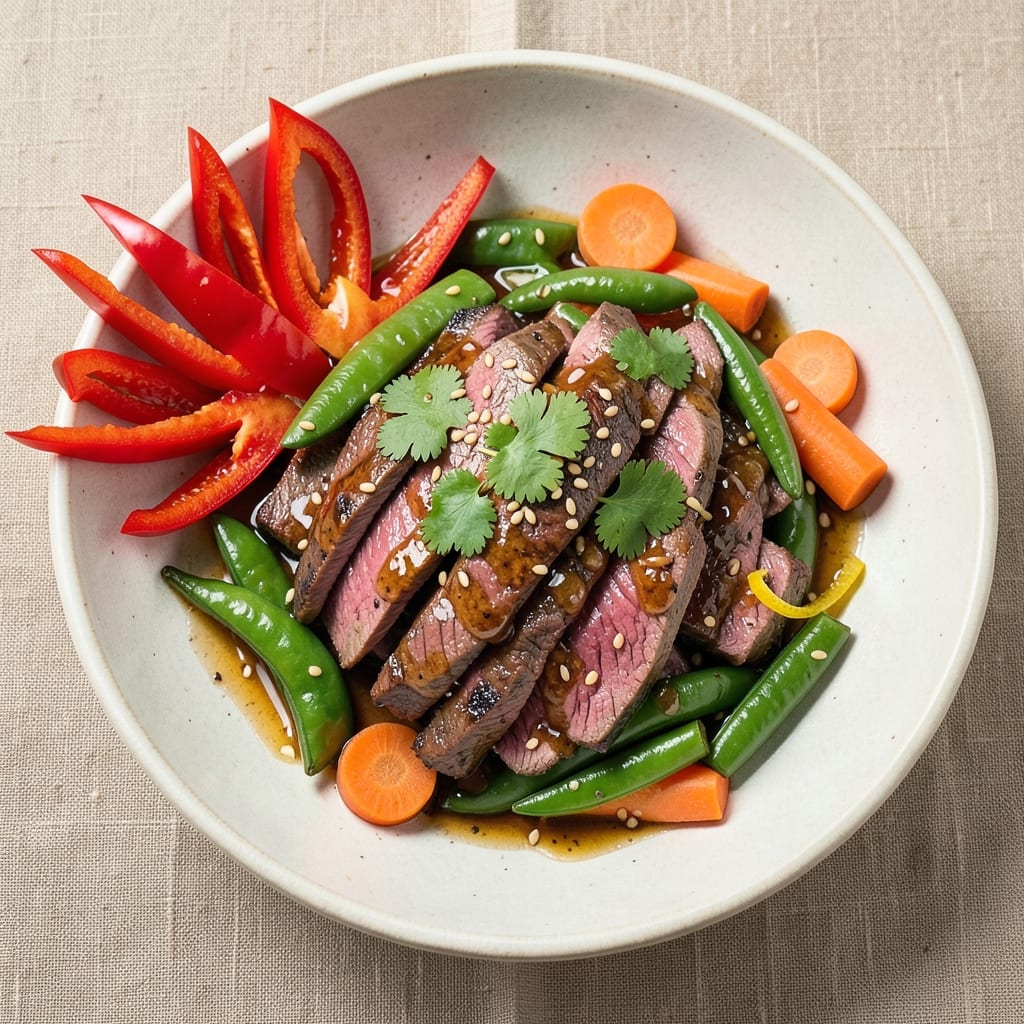
This awesome beef stir-fry recipe delivers restaurant-quality wok hei in just 20 minutes—crisp-tender beef, vibrant vegetables, and a savory sauce that clings to every bite. The secret lies in high-heat searing and quick cooking, preserving both texture and flavor without overpowering the natural taste of the ingredients. I've perfected this method over countless weeknight dinners, ensuring it's foolproof yet flexible enough to adapt to any pantry staples.
What sets this stir-fry apart is the balance of textures: crispy edges on the beef, al dente vegetables, and a sauce that's sticky yet not overly sweet. The marinade transforms tougher cuts into tender, flavorful morsels, while the stir-frying technique ensures everything cooks in minutes. This isn't just another beef stir-fry—it's a versatile, one-pan meal that works for weeknight dinners or weekend entertaining, with options to customize the sauce or swap vegetables based on what's fresh.
The result is a dish that's bold in flavor but simple to execute, with layers of umami from soy sauce and garlic, a touch of sweetness from honey, and a hint of spice to keep things interesting. The aroma alone—smoky, garlicky, and slightly sweet—will have everyone at the table anticipating the first bite. Serve it over steamed rice or noodles for a complete meal that's both satisfying and balanced.
Whether you're a stir-fry beginner or a seasoned home cook, this recipe delivers restaurant-quality results without the fuss. The key is in the technique: high heat, proper prep, and timing. Let's get started—your wok is waiting.
Ingredients for awesome beef stir fry
Restaurant-quality beef stir-fry relies on tender beef, vibrant vegetables, and a balanced sauce.
| Ingredient | Amount | Notes |
|---|---|---|
| Flank Steak 🥩 | 1 ½ lb | Thinly sliced against grain |
| Low-Sodium Soy Sauce 🥢 | ½ cup | Kikkoman preferred for depth |
| Honey 🍯 | 2 tbsp | Wildflower for floral notes |
| Sesame Oil 🫒 | 1 tbsp | Toasted for aroma |
| Garlic Cloves 🧄 | 6 cloves | Minced for intense flavor |
| Fresh Ginger 🌿 | 2 tbsp | Finely grated, peel removed |
| Cornstarch 🌾 | 1 tbsp | For crisp-tender coating |
| Vegetable Oil 🫒 | 3 tbsp | High smoke point required |
| Bell Peppers 🌶️ | 2 cups | Assorted colors, sliced thin |
| Broccoli Florets 🥦 | 2 cups | Cut into bite-sized pieces |
| Carrots 🥕 | 1 cup | Julienned for texture |
| Green Onions 🧅 | 4 whole | Sliced diagonally for garnish |
| Sesame Seeds 🌱 | 1 tbsp | Toasted for crunch |
| Red Pepper Flakes 🌶️ | ½ tsp | Adjust for heat preference |
| White Rice 🍚 | 2 cups | Uncooked, long-grain preferred |
The flank steak is your secret weapon—thinly sliced against the grain for maximum tenderness. Butcher sections can do this for you, or freeze the meat for 30 minutes before slicing if you're doing it at home. Look for cuts with good marbling at Whole Foods or your local Asian market—they'll have the best selection. Fresh ginger and garlic should be vibrant and aromatic; if your ginger smells musty, it's past its prime. The Kikkoman soy sauce is a pantry staple, but any low-sodium brand works. For the sesame oil, Kadoya is my go-to—it has that perfect nutty aroma without overpowering.
No flank steak? Sirloin or ribeye work in a pinch, but slice them paper-thin. Swap honey for maple syrup or agave if you're avoiding refined sugar. The bell peppers can be any color—yellow or orange add natural sweetness, while red brings a deeper flavor. Broccoli florets should be bright green; if they're yellowing, skip them. For extra crunch, substitute snap peas or snow peas. The cornstarch is non-negotiable—it creates that perfect crisp-tender texture on the beef. If you're missing it, arrowroot powder works too. And if you can't find sesame seeds, toasted peanuts or crushed cashews add a nice crunch.
Prep ahead to save time: slice all vegetables and marinate the beef up to 4 hours ahead. Store the marinade separately if you're prepping early—combine just before cooking. The stir-fry reheats beautifully; keep leftovers in an airtight container for 3-4 days in the fridge. For longer storage, freeze portions for up to 3 months. The rice can be cooked separately or made in bulk—it reheats well too. Garnish with extra sesame seeds and green onions right before serving to keep everything fresh-tasting.
Why You'll Love This Recipe
- One-Pan Magic: Honestly, this dish lives in a single skillet—no chopping boards, no extra pans, just the sizzle of garlic hitting hot oil and that flank steak caramelizing right alongside. My kids think it’s "fancy," but I know it’s just smart.
- Sweet-Savory Balance: That honey-soy glaze? Chef’s kiss. The low-sodium soy keeps it rich without the salt bomb, while the honey cuts through the umami like a cool breeze. The sesame oil finish? It’s the little flavor upgrade that makes everyone go, "Wait, you made this?"
- Lunchbox Hero: Between us, this is my go-to for meal prep—tastes even better the next day. Pack it in containers with rice, and suddenly you’ve got a lunch that doesn’t involve sad office salads. (Yes, even on a Tuesday.)
- Budget Flex: Flank steak stretches farther than you’d think, especially when you slice it thin against the grain. A pound feeds four, and the rest? Freeze it for another night. No wasted money, no wasted food—just pure, reliable dinner.
Step-by-step instructions for beef stir-fry mastery
Follow this precise method to achieve restaurant-quality texture and flavor in under 20 minutes.
Prep the Flank Steak for Maximum Tenderness
Slice the 1.5 lb flank steak thinly against the grain using a sharp chef's knife. You're aiming for slices about ¼-inch thick—this ensures they cook quickly and remain tender. Place the sliced steak in a medium bowl and add the 1 tablespoon cornstarch. Toss gently to coat evenly, then let it sit for 10 minutes. This creates a crisp-tender exterior while keeping the interior juicy.
While the steak marinates, make the sauce by combining the ½ cup low-sodium soy sauce, 2 tablespoons honey, 1 tablespoon sesame oil, 6 minced garlic cloves, and 2 tablespoons finely grated fresh ginger in a small bowl. Stir well and let it sit while you prep the vegetables. The sauce should be smooth with visible garlic and ginger flecks—this ensures maximum flavor infusion.
Cook the Rice to Perfect Al Dente Texture
Rinse the 2 cups uncooked white rice under cold water until the water runs clear. This removes excess starch that can make the rice gummy. Combine the rice with 2½ cups water in a pot and bring to a boil over high heat. Once boiling, reduce heat to medium-low, cover, and simmer for 15 minutes without lifting the lid. The rice should absorb all the liquid and be tender but still slightly firm to the bite—this is crucial for serving with stir-fry.
While the rice cooks, prepare the vegetables by slicing the 2 cups bell peppers into thin strips, cutting the 2 cups broccoli florets into bite-sized pieces, and julienning the 1 cup carrots. Keep them separate until ready to cook. The vegetables should be prepped to similar sizes so they cook uniformly in the wok.
Stir-Fry the Vegetables to Crisp-Tender Perfection
Heat a wok or large skillet over high heat until it's smoking hot. Add the 3 tablespoons vegetable oil and swirl to coat the surface evenly. Add the bell peppers and stir-fry for 2 minutes until they begin to soften. Add the broccoli florets and carrots, stirring constantly for another 2 minutes until the vegetables are bright green and slightly blistered but still crisp. Remove the vegetables to a plate and set aside.
This quick cooking time preserves the vegetables' vibrant colors and crisp texture. Overcooking will turn them mushy, which ruins the stir-fry's integrity. Keep the wok at high heat—you want to maintain that wok-hei (breath of the wok) flavor that makes this dish exceptional.
Cook the Steak to Juicy Perfection
Working in batches if needed, add the cornstarch-coated steak slices to the hot wok in a single layer. Let them sear undisturbed for 30 seconds until they develop a golden crust. Stir-fry for another 1-2 minutes until the steak is cooked through but still slightly pink in the center—this ensures perfect doneness without overcooking. Remove the steak to a plate and set aside with the vegetables.
Return the wok to high heat and pour in the prepared sauce. Stir constantly for 1 minute until the sauce thickens slightly and coats the back of a spoon. The sauce should be glossy with visible garlic and ginger flecks—this indicates proper reduction. Add the steak and vegetables back to the wok and toss to coat everything evenly in the sauce.
Finish and Serve with Authentic Presentation
Sprinkle the 1 tablespoon toasted sesame seeds and ½ teaspoon red pepper flakes over the stir-fry. Toss gently to distribute evenly. Garnish with the 4 diagonally sliced green onions. Serve immediately over the cooked white rice, ensuring each portion has an equal distribution of steak, vegetables, and sauce.
The stir-fry should be vibrant with contrasting textures—crisp vegetables, tender steak, and a glossy sauce. Each bite should deliver a balance of sweet, savory, umami, and a hint of spice. The rice should be perfectly al dente, providing a neutral base that lets the stir-fry shine.
Pro Tips For Making Awesome Beef Stir Fry
- Slice Against the Grain: Flank steak’s stubborn fibers will fight you if you don’t cut it properly. Angle the knife at 45 degrees and slice diagonally across the grain—thin strips, not shreds. (Yes, it’s tedious, but your stir fry will actually be tender, not chewy.)
- Salt the Steak First: Toss the raw flank steak with salt and a splash of soy sauce before cooking. Let it sit 10 minutes while you prep veggies—this guarantees a deeper flavor and prevents dryness. (I used to skip this, and the beef always tasted bland.)
- Start Hot, Finish Fast: Crank the wok or pan to maximum heat before adding the steak. Sear for 30 seconds per side until deeply browned, then pull it out. The residual heat will carry through when you toss everything together later. (Your future self will thank you—trust the process.)
- Toss in Garlic Late: Mince the garlic just before the final 30 seconds of cooking. Raw garlic burns fast, and overcooked garlic tastes bitter. Add it with the sesame oil and honey so it gets just fragrant, not crispy. (Sounds weird, but it works.)
Wine and beer pairings for this recipe
Crisp White Wine
For a refreshing contrast to the rich umami flavors, I reach for a dry Riesling from Germany or a Sauvignon Blanc from New Zealand. The bright acidity and citrus notes cut through the soy sauce's intensity while complementing the honey's sweetness. A chilled glass of Blue Nun Riesling (around $12-$15) is my go-to—it's crisp enough to cleanse your palate between bites. 🍷
Rich Red Options
If you prefer red wine, opt for a light-bodied Pinot Noir with subtle fruitiness. The Meiomi Pinot Noir (around $15-$20) from California has just enough earthiness to pair beautifully with the stir-fry's savory depth. Avoid heavy Cabernets—they'll overpower the delicate flavors. Serve slightly cooler than room temperature (55-60°F) to enhance its freshness.
Craft Beer Pairings
A wheat beer like Blue Moon Belgian White (around $5-$7) adds a creamy, slightly sweet contrast that balances the dish's savory notes. The coriander and orange peel notes complement the ginger and garlic in the sauce. For a hoppier option, try a West Coast IPA like Lagunitas DayTime—its citrusy bitterness cuts through the richness. 🍺
Asian-Inspired Sake
For an authentic touch, serve dry sake like Gekkeikan Junmai (around $12-$15). Its clean, slightly nutty profile enhances the umami without competing. Chill it to 45-50°F for the best experience. If you prefer something lighter, a sparkling junmai adds effervescence that refreshes the palate.
Non-Alcoholic Options
For a non-alcoholic pairing, try sparkling green tea like San Pellegrino Limonata or a homemade ginger-lime soda. The effervescence and citrus notes mirror the dish's bright flavors. For a warmer option, serve hot jasmine tea—its floral aroma complements the sesame and honey without overpowering the beef's richness. ✨
Nutrition facts
Frequently asked questions
Can I use a different cut of beef for this stir-fry?
While flank steak is ideal, sirloin or ribeye work well too—just slice them paper-thin against the grain. For extra tenderness, marinate them for 30-60 minutes in the sauce before cooking. Avoid tougher cuts like chuck; they won't tenderize properly in the short cooking time.
How do I prevent the beef from getting chewy?
The key is slicing thinly against the grain and cooking it quickly over high heat. Don't overcrowd the pan—work in batches if needed. The 10-minute cornstarch marinade also helps create a crisp exterior while keeping the inside juicy. Always check for doneness (145°F internal temp) before removing from heat.
Can I make this stir-fry ahead of time?
Yes, but with a few tweaks! Cook the beef and vegetables separately, then refrigerate in an airtight container for up to 2 days. Reheat in a skillet with a splash of water or broth to restore moisture. For the sauce, store it separately and reheat gently. The rice should be cooked fresh—it doesn't reheat as well.
What if I don't have a wok?
No problem! Use a large skillet or cast-iron pan with high sides. The key is maintaining high heat and stirring constantly. A 12-inch nonstick skillet works well for small batches. If your pan isn't wide enough, cook vegetables first, then beef, and combine at the end with the sauce.
How can I make this dish spicier?
Add 1-2 teaspoons of sriracha or chili garlic sauce to the sauce mixture. For extra heat, toss in ½ teaspoon of crushed red pepper flakes during the final stir. If you love spice, try adding 1 tablespoon of gochujang (Korean chili paste) for a deeper, smoky kick. Always adjust to taste!