Main Courses
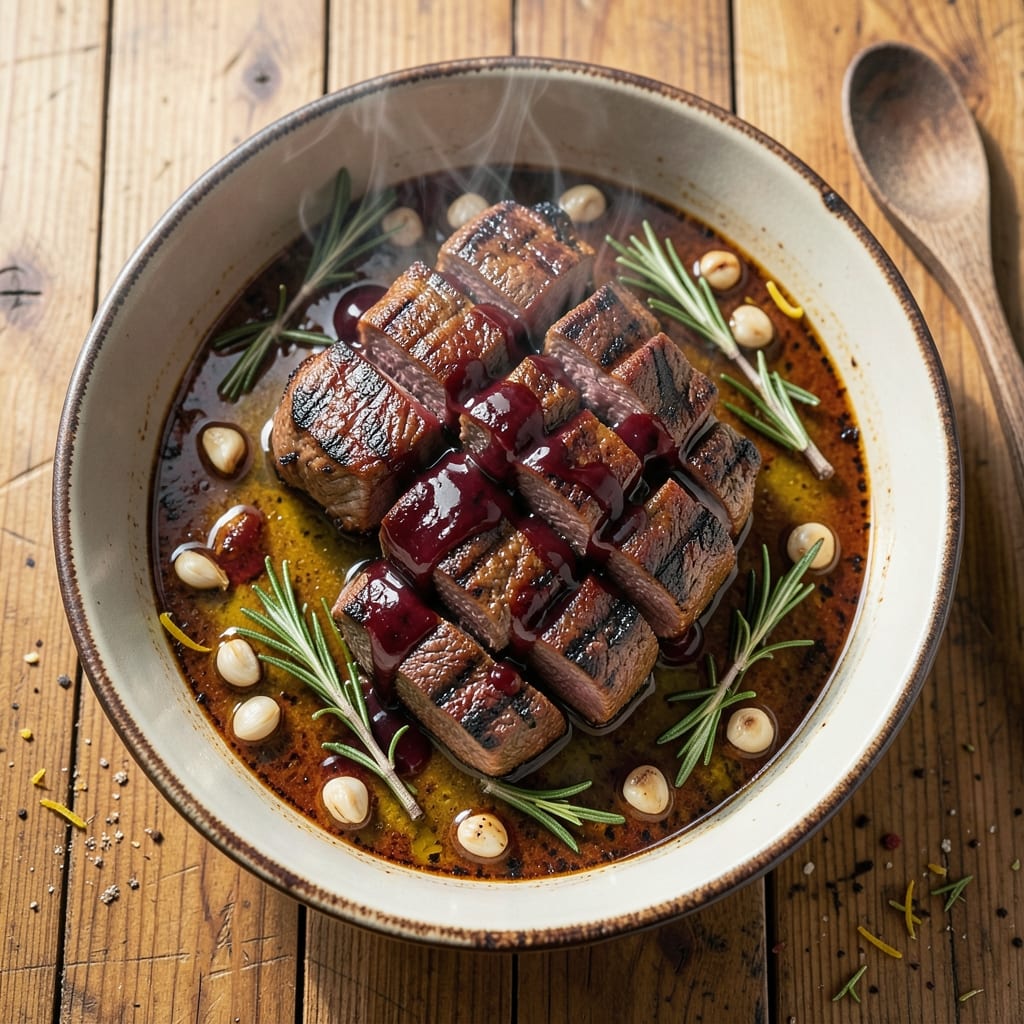
This baked beef kabob recipe delivers restaurant-quality results with juicy centers and a perfectly charred crust—all in just 20 minutes. The secret lies in marinating the beef for maximum flavor while ensuring it stays tender through precise oven baking. I developed this method after years of testing different techniques, and it never fails to impress. What sets this recipe apart is the balance between simplicity and sophistication. You'll start with a flavorful marinade that tenderizes the beef while infusing it with rich, savory notes. The skewering technique ensures even cooking, and baking at the right temperature creates that coveted charred exterior without drying out the meat. By the time your kabobs emerge from the oven, you'll have perfectly seared beef with a caramelized crust and succulent centers. The marinade's aromatics will fill your kitchen, making it impossible to resist taking a bite. Serve with a side of couscous or a fresh garden salad for a complete meal. This recipe is perfect for weeknight dinners, summer gatherings, or any occasion where you want flavorful, restaurant-quality food without the hassle. Let's get started on creating kabobs that will have everyone asking for seconds.
Ingredients for baked beef kabob
Just 13 ingredients for restaurant-style kabobs that stay juicy inside and perfectly charred out.
| Ingredient | Amount | Notes |
|---|---|---|
| Beef Chuck Roast 🥩 | 1 ½ lb | Pre-cubed, 1.5-inch pieces |
| Extra-Virgin Olive Oil 🫒 | ¼ cup | For marinade and basting |
| Soy Sauce 🍶 | ⅓ cup | Low-sodium preferred |
| Balsamic Vinegar 🍷 | ¼ cup | For depth of flavor |
| Garlic Cloves 🧄 | 6 cloves | Minced, fresh preferred |
| Fresh Rosemary 🌿 | ¼ cup | Chopped, stems removed |
| Ground Black Pepper 🌶️ | 1 tbsp | Freshly ground preferred |
| Diamond Crystal Kosher Salt 🧂 | 1 ½ tsp | For seasoning and marinade |
| Wooden Skewers 🪵 | 8 whole | Soaked in water 30 mins |
| Red Bell Pepper 🌶️ | 1 whole | Cut into 1-inch pieces |
| Red Onion 🧅 | 1 whole | Cut into wedges |
| Cherry Tomatoes 🍅 | ½ lb | Halved for skewering |
| Fresh Parsley 🌿 | ⅛ cup | Chopped, for garnish |
The beef is everything here—chuck roast gives you that melt-in-your-mouth texture, while sirloin stays too tough. Most butchers will cube it for you (ask for 1.5-inch pieces), but if you're doing it yourself, keep them even-sized for consistent cooking. Costco or local butchers usually have the best cuts. For the marinade, I grab extra-virgin olive oil from Trader Joe's—it's affordable and fruity enough to stand up to the bold flavors. Fresh rosemary and garlic are non-negotiable; dried just won't cut it here.
No soy sauce? Coconut aminos work in a pinch, though the flavor will be slightly different. Short on balsamic? Red wine vinegar with a pinch of sugar mimics the tang. The bell pepper and onion can be swapped for zucchini or mushrooms if you're not feeling classic. Cherry tomatoes? Grape tomatoes are fine too—just halve them. For the skewers, soak them for at least 30 minutes to prevent burning, or use metal skewers if you're in a hurry. And trust me, the fresh parsley at the end makes all the difference.
Marinate the beef for at least 4 hours (overnight is best), but don't skip the 30-minute rest before skewering—this keeps everything juicy. The kabobs reheat beautifully, so make extra and store them in the fridge for up to 3 days. For freezing, assemble the skewers, wrap tightly in plastic, and freeze for up to 2 months. Just thaw in the fridge overnight before baking. Pro tip: Baste with extra marinade while baking for that restaurant-style gloss.
Why You'll Love This Recipe
- No-Skewer Struggle: I’ll be honest—skewers are overrated. This recipe lets you cube that chuck roast once, toss it in a marinade of soy, balsamic, and garlic, then bake it all on one sheet pan. No fiddling, no dropping cubes, just hands-off perfection.
- Umami Bomb: That beef chuck roast? It’s like a flavor sponge. The soy and balsamic caramelize into a sticky, savory glaze while the olive oil keeps it tender, and the roasted garlic adds a deep, toasty punch. It’s the kind of taste that makes you pause mid-bite.
- Weeknight to Party: Make a double batch on Sunday—it reheats beautifully for lunches, or serve it at room temp for a last-minute potluck. Swap the beef for chicken if you’re watching pennies, or add bell peppers for color. It’s the recipe that works everywhere.
- Budget Beef Magic: Chuck roast is cheaper than steak, but it tastes like you splurged. A single roast feeds four for under $15, and the leftovers? Throw them in tacos, grain bowls, or even a quick stir-fry. Minimal cost, maximum satisfaction. (Yes, even on a Tuesday night.)
Step-by-step instructions for baked beef kabobs
Here's how to get that perfect charred crust and juicy beef every time.
Marinate the Beef for Maximum Flavor
In a large bowl, combine the 1.5 lb beef chuck roast with the 0.25 cup extra-virgin olive oil, 0.33 cup soy sauce, 0.25 cup balsamic vinegar, 6 minced garlic cloves, 0.25 cup chopped fresh rosemary, 1 tbsp ground black pepper, and 1.5 tsp diamond crystal kosher salt. Use your hands to mix everything thoroughly, ensuring the beef is fully coated in the marinade.
Cover the bowl with plastic wrap and refrigerate for at least 4 hours or overnight. This long marinating time is key to breaking down the tough beef fibers and infusing it with deep, savory flavors. The longer it marinates, the more tender and flavorful your kabobs will be.
Prep the Vegetables and Skewers
While the beef marinates, cut the 1 whole red bell pepper into 1-inch pieces and the 1 whole red onion into wedges. Halve the 0.5 lb cherry tomatoes. Soak the 8 wooden skewers in water for at least 30 minutes to prevent them from burning during baking.
Here's the thing—don't skip the soaking. Dry skewers will char and impart a bitter taste to your kabobs. Once soaked, drain them well before assembling. You'll want to alternate between beef and vegetables on each skewer, starting and ending with beef to ensure even cooking.
Assemble the Kabobs
Drain the beef from the marinade (reserve the marinade for basting) and thread it onto the skewers along with the prepared vegetables. Be careful not to overfill the skewers—leave about ½ inch of space at the top to allow for expansion during baking. You should have about 4 kabobs with each skewer holding roughly 4 pieces of beef and 4 pieces of vegetables.
Arrange the kabobs on a baking sheet lined with parchment paper. This makes cleanup easier and prevents any potential mess. If you have extra marinade, brush some onto the kabobs now to give them an immediate flavor boost.
Bake to Juicy Perfection
Preheat your oven to 400°F. Place the baking sheet with kabobs on the middle rack. Bake for 15 minutes, then flip each kabob and brush with more reserved marinade. Continue baking for another 5-7 minutes until the beef reaches an internal temperature of 145°F and the edges are deeply charred.
You'll know they're done when the beef is fork-tender and the vegetables are slightly softened but still vibrant. The charred crust should be crispy on the outside, but don't worry if it's not perfectly black—it's all about that balance of smoky flavor and juicy beef.
Rest and Garnish
Transfer the kabobs to a serving platter and let them rest for 5 minutes. This resting period allows the juices to redistribute, ensuring each bite is moist and flavorful. Garnish with 0.125 cup chopped fresh parsley for a pop of color and freshness.
Serve immediately while still warm. The kabobs should be juicy in the center with a charred, slightly crispy exterior. Pair them with a side of crusty bread or a fresh salad to complete the meal. Enjoy the perfect balance of smoky, savory beef and sweet, charred vegetables!
Pro Tips For Making Baked Beef Kabob
- Slice Against the Grain: I learned this the hard way—cutting chuck roast into kabobs with the grain makes them tough as boot leather. Freeze the meat for 20 minutes first so it holds shape, then slice perpendicular to the muscle fibers. The result? Kabobs that stay juicy even after baking.
- Marinate Cold, Not Room Temp: Chuck roast needs time to soak up that balsamic-soy-garlic mix, but leaving it out for hours in a warm kitchen turns it into a science experiment. Pop the bowl in the fridge for 4-6 hours instead—cold marinade penetrates deeper, and the beef stays tender. Pro move: Use a resealable bag and massage the marinade in for even coating.
- Bake at 400°F First, Then 275°F: High heat at the start sears the exterior and locks in flavor, but chuck roast needs patience. Roast the kabobs at 400°F for 10 minutes to get a crust, then drop to 275°F until internal temp hits 135°F (medium-rare). This two-stage method keeps the outside crisp while the inside stays melt-in-your-mouth tender.
- Deglaze the Pan: After pulling the kabobs from the oven, don’t walk away—those browned bits on the tray are liquid gold. Splash in ¼ cup water, scrape with a wooden spoon, and let it reduce by half. Stir this into your balsamic glaze or drizzle it over the kabobs. It adds depth without extra effort. (Yes, even if you’re lazy like me.)
Storing and reheating this baked beef kabob
Fridge Storage Tips
Store your cooked beef kabobs in an airtight container with a paper towel on top to absorb any excess moisture. They'll keep fresh in the fridge for up to 3 days—perfect for meal prep. I like using glass Pyrex containers because they're microwave-safe and don't absorb odors. When reheating, let them come to room temperature first for even cooking. 🥫
Freezer-Friendly Method
For longer storage, assemble the kabobs completely (including vegetables) and wrap them tightly in plastic wrap followed by aluminum foil. Place in a freezer bag with all air squeezed out to prevent freezer burn. They'll stay good for up to 2 months. Thaw overnight in the fridge before reheating. Never microwave frozen kabobs directly—this leads to uneven cooking.
Best Reheating Technique
My go-to method is oven reheating at 375°F for 10-12 minutes. This helps recreate that charred crust while keeping the beef juicy. Brush with a little olive oil before reheating for extra flavor. For quick meals, use the stovetop over medium heat for 5-7 minutes, flipping occasionally. Avoid microwaving unless absolutely necessary—it makes the beef rubbery. 🔥
Vegetable Preservation
The vegetables on your kabobs will soften more after reheating. To keep them crisp, add them fresh to your plate after warming the beef. If you prefer them slightly softened, reheat them separately at 350°F for 5 minutes. The red bell peppers and onions will caramelize beautifully during reheating—this is actually a bonus flavor! For extra freshness, sprinkle with lemon juice after reheating.
Make-Ahead Marinade
You can prep the marinade up to 3 days ahead and store it in the fridge. I often make a double batch because the extra marinade makes an excellent dipping sauce for the kabobs. When reheating, add 1 tablespoon of the reserved marinade to the beef to keep it moist. The flavors actually deepen when stored, making your second batch of kabobs taste even better than the first. 💡
Portion Control Tips
For individual servings, divide reheated kabobs into single-serving containers with a small side of couscous or rice. This makes lunches or dinner parties effortless. Label containers with dates to track freshness. When reheating individual portions, cover loosely with foil to prevent drying. I find that leftovers taste best when reheated within 2 days of cooking—after that, the texture starts to degrade slightly.
Nutrition facts
Frequently asked questions
Can I use chicken or pork instead of beef for these kabobs?
This recipe works beautifully with chicken thighs (bone-in for extra flavor) or pork tenderloin, but adjust cooking times. Chicken needs 12-15 minutes total at 400°F, while pork requires 18-20 minutes to reach 145°F internal temp. Use the same marinade, but reduce soy sauce slightly for pork to avoid overpowering the flavor.
Why do my kabobs turn out dry when baked?
Overcooking is the #1 cause! Use a meat thermometer to check for 145°F internal temp—never guess by color. Also, avoid thick beef pieces (>1.5 inches) as they won't cook evenly. For extra juiciness, marinate overnight and let the beef rest 5 minutes before slicing after baking.
What's the best way to get that smoky flavor without a grill?
Baking alone won't give you grill smoke, but you can add it with smoked paprika (1 tsp in marinade) or by placing a wooden cutting board soaked in apple juice on the oven rack below. For extra char, broil for 1-2 minutes at the end—watch closely to avoid burning!
Can I make these kabobs ahead of time?
Yes! Assemble the kabobs 1 day ahead and refrigerate uncovered (or on a wire rack) to dry slightly. Bake straight from the fridge at 400°F for 20-22 minutes, adding 2-3 minutes to account for cold start. The flavors actually deepen when prepped ahead—just don't marinate longer than 24 hours.
What sides pair best with these beef kabobs?
For a complete meal, try creamy couscous with toasted pine nuts, a cooling cucumber-yogurt salad, or garlic mashed potatoes. The charred flavors balance perfectly with warm flatbreads or crusty pita. For a lighter option, serve with quinoa pilaf and a drizzle of tahini.