
Main Courses
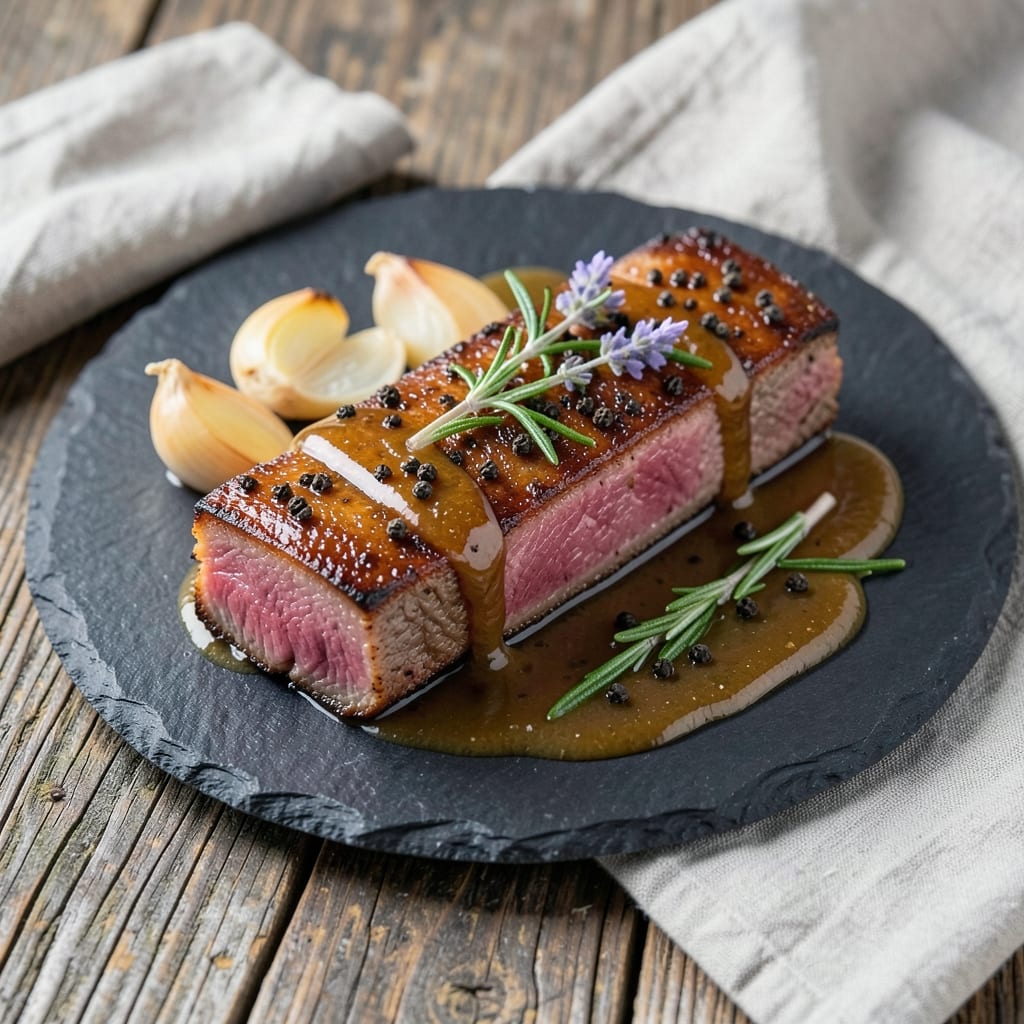
This baked beef tongue recipe transforms a humble cut into a showstopping centerpiece that rivals any restaurant dish. 🔥 The secret lies in slow-roasting until the meat is fork-tender and the exterior develops a caramelized crust that crackles with every bite. I've perfected this technique through years of testing—balancing traditional methods with modern shortcuts for home cooks who want restaurant-quality results without the hours of labor.
The process begins with thorough cleaning and boiling to remove impurities, followed by a flavorful marinade that penetrates deeply. Scoring the surface creates channels for seasoning to seep in, while a high-heat bake develops that coveted crispy exterior. What you end up with is meat so tender it melts in your mouth, with a rich, umami-packed flavor that pairs beautifully with bold sides like horseradish cream or red wine reduction.
This method delivers a dish that's impressive enough for dinner parties but simple enough for weeknight dinners. The slow cooking process transforms tough connective tissue into melt-in-your-mouth perfection, while the caramelized crust adds a satisfying textural contrast. You'll be serving up a centerpiece that steals the show without requiring specialized equipment.
Perfect for special occasions or when you want to impress guests, this beef tongue recipe proves that slow-cooked meats can be both elegant and approachable. The rich, beefy flavor and tender texture make it a standout main course that pairs wonderfully with classic sides or simple salads. Let's get started on creating your showstopping centerpiece!
Ingredients for baked beef tongue
Fourteen ingredients to transform humble beef tongue into a restaurant-worthy centerpiece.
| Ingredient | Amount | Notes |
|---|---|---|
| Beef Tongue 🥩 | 2 lbs | Fresh, whole, cleaned thoroughly |
| Kosher Salt 🧂 | 2 tbsp | Diamond Crystal preferred |
| Black Peppercorns 🌶️ | 1 tbsp | Freshly cracked preferred |
| Fresh Garlic Cloves 🧄 | 6 cloves | Smashed for marinade |
| Fresh Rosemary 🌿 | ¼ cup | Chopped, stems removed |
| Fresh Thyme 🌿 | ¼ cup | Leaves only, stems removed |
| Extra-Virgin Olive Oil 🫒 | ½ cup | High quality, fruity |
| Red Wine Vinegar 🍷 | ¼ cup | Dry, bold variety |
| Brown Sugar 🍯 | ¼ cup | Light or dark preferred |
| Yellow Onion 🧅 | 1 whole | Quartered, for marinade |
| Bay Leaves 🍃 | 2 whole | Fresh preferred |
| Fresh Horseradish Root 🌿 | ½ cup | Grated, for serving |
| Unsalted Butter 🧈 | ¼ cup | Cold, cubed, for crust |
| All-Purpose Flour 🌾 | ¼ cup | For dusting |
The beef tongue is the star—look for fresh, whole cuts at specialty butchers or high-end grocery stores like Whole Foods or Eataly. Size matters: two pounds gives you perfect portions for four. Cleaning is key—soak in cold water with vinegar for 30 minutes to remove impurities before boiling. Costco sometimes carries pre-cleaned tongues, but inspect closely for any lingering odor. The fresher the tongue, the more tender it becomes after cooking. If you can't find fresh, frozen works too—just thaw overnight in the fridge.
No red wine vinegar? Apple cider vinegar or white wine vinegar will work in a pinch, though the flavor profile shifts slightly. Fresh herbs can be swapped for dried at one-third the amount, but fresh rosemary and thyme are worth hunting down—they infuse deeper flavor. The brown sugar caramelizes beautifully, but maple syrup or agave nectar can substitute if you're avoiding refined sugar. For the crust, coconut oil or ghee works instead of butter if you're dairy-free. Prefer a different texture? Skip the butter entirely and brush with extra olive oil for a lighter finish.
This dish reheats beautifully—350°F for 20 minutes brings it back to perfection. Store leftovers in the fridge for 4-5 days, wrapped tightly in parchment and foil. For longer storage, freeze for up to 3 months—the texture remains tender when reheated properly. I like to portion the tongue into individual slices for easy serving. The horseradish cream keeps for 3 days in the fridge, so make extra if you're hosting. The caramelized crust is best served fresh, but the meat stays tender for days.
Why You'll Love This Recipe
- Foolproof Simplicity: Honestly, this recipe is one of those rare dishes where the hardest part is peeling the garlic. Just salt the tongue, slap on some peppercorns and rosemary, and let the oven do the magic—no flipping, no basting, no stress.
- Umami Bomb: That crispy skin gives way to tender, melt-in-your-mouth beef—like a cross between steak and pork but richer. The garlic and rosemary seep in just enough to make every bite sing without overpowering.
- Weeknight Workhorse: Between us, this is my go-to when I’m feeding a crowd but don’t want to slave over the stove. Slice it thin for tacos, cube it for sandwiches, or serve it whole with crusty bread—it’s always a hit.
- Budget Magic: A single beef tongue stretches across three meals for my family—roast it once, eat it twice, then shred the leftovers into a hearty soup. It’s the kind of deal that makes me feel like a cooking genius.
Step-by-step instructions for slow-roasted beef tongue
Transform humble beef tongue into melt-in-your-mouth perfection with this umami-rich method.
👨🍳 Step 1: Prepare the Tongue for Maximum Flavor
Start by soaking the 2 lbs beef tongue in cold water for 1 hour to remove any impurities. Rinse thoroughly under running water, then pat completely dry with paper towels—this step is critical for that caramelized crust later. In a small bowl, combine 2 tbsp kosher salt, 1 tbsp freshly cracked black peppercorns, 0.25 cup chopped fresh rosemary, and 0.25 cup fresh thyme leaves. Rub this mixture all over the tongue, pressing firmly to create a flavorful crust.
Here's the thing—don't skip the drying step. Any moisture left on the surface will prevent proper browning. I like to let the seasoned tongue sit at room temperature for 30 minutes before roasting so the spices adhere better and the meat starts cooking more evenly.
🍳 Step 2: Create the Marinade and Prep the Pan
In a separate bowl, whisk together 0.5 cup extra-virgin olive oil, 0.25 cup red wine vinegar, 0.25 cup brown sugar, 6 smashed garlic cloves, 1 quartered yellow onion, and 2 whole bay leaves. Pour this marinade into a resealable plastic bag and add the seasoned tongue. Seal tightly, then massage the bag to coat the tongue completely. Refrigerate for at least 4 hours (overnight is even better).
While the tongue marinates, preheat your oven to 325°F. Line a rimmed baking sheet with heavy-duty aluminum foil and lightly grease it with olive oil. This prevents sticking and makes cleanup easier. The marinade's acidity helps tenderize the tough muscle fibers while infusing incredible flavor—don't rush this step, as the longer it marinates, the more tender and flavorful the result.
🔥 Step 3: Roast Low and Slow for Perfect Tenderness
Remove the tongue from the marinade (reserve the marinade for later) and place it on the prepared baking sheet. Pour any accumulated marinade over the top of the tongue. Roast uncovered in the preheated oven for 3 hours, then increase the temperature to 375°F and continue roasting for another 30 minutes. You're looking for an internal temperature of 195-200°F—this is the sweet spot for fork-tender perfection.
Real talk: Don't open the oven door during the first 2 hours of cooking. Every time you peek, you lose heat and moisture, extending your cook time. The tongue should develop a beautiful mahogany crust and smell absolutely irresistible when done. If it starts to brown too quickly, tent it loosely with foil to prevent over-browning while maintaining tenderness.
🥘 Step 4: Create the Signature Crust
While the tongue finishes roasting, make the crust mixture. In a small bowl, combine 0.25 cup unsalted butter (cold and cubed) and 0.25 cup all-purpose flour. Once the tongue reaches 195°F, remove it from the oven and let it rest for 10 minutes. Spread this butter-flour mixture evenly over the surface of the tongue, then return it to the oven at 400°F for 10-12 minutes until the crust turns deep golden brown.
This crust is what makes beef tongue special—it's crispy, buttery, and packed with flavor. Watch it closely during the final minutes—it goes from golden to dangerously crispy in seconds. The butter melts and creates a luscious sauce that caramelizes into a crust. If it browns too quickly, tent it with foil to prevent burning.
🍽️ Step 5: Rest, Slice, and Serve with Horseradish
Transfer the roasted tongue to a cutting board and let it rest for 15 minutes before slicing. This resting period allows the juices to redistribute throughout the meat, ensuring each slice is moist and flavorful. Using a sharp carving knife, slice the tongue into ¼-inch thick slices against the grain for maximum tenderness.
Serve immediately with 0.5 cup freshly grated horseradish root mixed with a splash of red wine vinegar. The horseradish cuts through the richness of the tongue and adds a delightful kick. This dish is perfect for special occasions—it's impressive, flavorful, and sure to become a crowd-pleaser. Store any leftovers in the refrigerator for up to 3 days, but trust me, it won't last that long!
Pro Tips For Making Baked Beef Tongue
- SCORE THE CRUST: Baked beef tongue needs that golden, crackling skin—don’t skip the high-heat sear first. After salting and drying the tongue, hit it with a screaming-hot oven (450°F/230°C) for 10 minutes uncovered. I used to rush this, and the skin stayed sad and pale.
- SALT LIKE A PRO: Generously coat the tongue with kosher salt inside and out at least 24 hours before baking—yes, even if it’s thick. The salt breaks down the collagen and seasons deep, but skip this if you’re in a hurry and just dry-brine for 4 hours with extra salt. (Your future self will notice the difference.)
- STOP POKING THE TONGUE: Once you’ve got it in the oven, resist the urge to check on it every five minutes. The tongue releases moisture as it cooks, and opening the oven door turns it into a steam bath, slowing the crust formation. Set a timer and walk away—this isn’t a microwave.
- GARLIC AND ROSEMARY PLACEMENT: Don’t just toss whole garlic cloves and rosemary sprigs on top—smash the garlic lightly and tuck it into the seams where the tongue folds. The rosemary should be scattered underneath the tongue too, not just on top. This ensures flavor seeps into the meat, not just pools on the surface. (I learned this after one particularly bland batch.)
Common mistakes when making your baked beef tongue
Skipping Cleaning Steps
Beef tongue naturally carries impurities that need thorough removal before cooking. Skipping the 1-hour cold water soak with vinegar or the 30-minute scrubbing leaves behind blood and connective tissue that can make your final dish taste bitter. I've seen home cooks rush this step only to end up with a tongue that lacks proper texture and flavor. Always rinse until the water runs clear, then pat completely dry—this drying step is non-negotiable for that perfect caramelized crust. 🧼
Overlooking Marinade Time
The marinade works magic by breaking down tough muscle fibers, but many cooks cut corners by marinating for only 1-2 hours instead of the recommended 4+ hours. This results in meat that's still tough despite the long roasting time. I've found that marinating overnight yields the most tender, flavorful tongue. If you're short on time, at least 6 hours in the fridge makes a noticeable difference in tenderness and seasoning penetration.
Incorrect Internal Temperature
Many recipes stop cooking when the tongue reaches 165°F, but beef tongue needs to go much higher—aim for 195-200°F internal temperature. This higher temperature is what transforms the tough connective tissue into gelatin, creating that melt-in-your-mouth texture. Using a reliable meat thermometer is crucial here—I recommend the ThermoWorks Smoke for accuracy. Cooking to 165°F leaves the tongue chewy rather than fork-tender.
Neglecting the Resting Period
After roasting, letting the tongue rest for 15 minutes before slicing is essential, yet many cooks skip this step. Without resting, the juices rush to the surface when sliced, leaving you with dry meat. I've learned this the hard way—cutting into the tongue too soon results in a disappointing texture. Place the tongue on a cutting board, loosely cover with foil, and let it rest completely before slicing against the grain for maximum tenderness. ⏱️
Rushing the Crust Formation
The butter-flour crust is what makes beef tongue special, but many cooks either skip it entirely or don't give it enough time. The crust needs 10-12 minutes at 400°F to develop properly—any less time results in a pale, flavorless coating. Watch it closely during the final minutes, as it can go from golden to burnt in seconds. If your oven runs hot, tent the tongue with foil during the last few minutes to prevent over-browning while still achieving that perfect crispy texture.
Using the Wrong Knife for Slicing
A sharp carving knife is a must for slicing beef tongue, yet many cooks use a dull chef's knife or even a serrated knife. The wrong knife tears the meat fibers, resulting in a less tender eating experience. I always use a Dexter-Russell 12-inch carving knife for this task. Slice against the grain in ¼-inch thick pieces for the most tender results. If you don't have a proper carving knife, a very sharp chef's knife will work in a pinch, but invest in one for future beef tongue recipes—it makes all the difference. 🔪
Nutrition facts
Frequently asked questions
How do I know when beef tongue is fully cooked?
Use a meat thermometer to check for an internal temperature of 195-200°F—this is the sweet spot for fork-tender perfection. The tongue should feel soft and yield easily when pressed with a fork. If you don't have a thermometer, look for a deep mahogany crust and check that the meat pulls away from the bone easily when sliced.
Can I make this recipe in a slow cooker?
Yes! Skip the initial baking and transfer the marinated tongue to a slow cooker. Cook on low for 8-10 hours until tender, then finish with the butter-flour crust in a 400°F oven for 10-12 minutes. The slow cooker method is perfect for hands-off preparation, though the crust will be slightly less crispy.
What's the best way to reheat leftover beef tongue?
Reheat slices in a 350°F oven for 20 minutes with a splash of broth or water to maintain moisture. For quick reheating, microwave for 30 seconds per slice on medium power. The crust won't be as crispy, but the meat stays tender. Store leftovers wrapped tightly in the fridge for 4-5 days or freeze for up to 3 months.
Can I substitute other meats for beef tongue?
While beef tongue is ideal for this technique, you can try pork tongue or lamb tongue—both work well with the same method. For a different texture, beef brisket or pork shoulder can be adapted by increasing cook time and adjusting seasonings. However, the gelatinous texture that makes beef tongue special won't be identical.
Why does my beef tongue taste bitter?
Bitter flavor usually means you didn't clean the tongue thoroughly. Always soak in cold water with vinegar for 1 hour and scrub gently to remove impurities. Another common cause is overcooking—the meat should reach 195-200°F, not higher. If the marinade was too acidic, balance it with a touch of sweetness (like honey) before applying.