
Main Courses
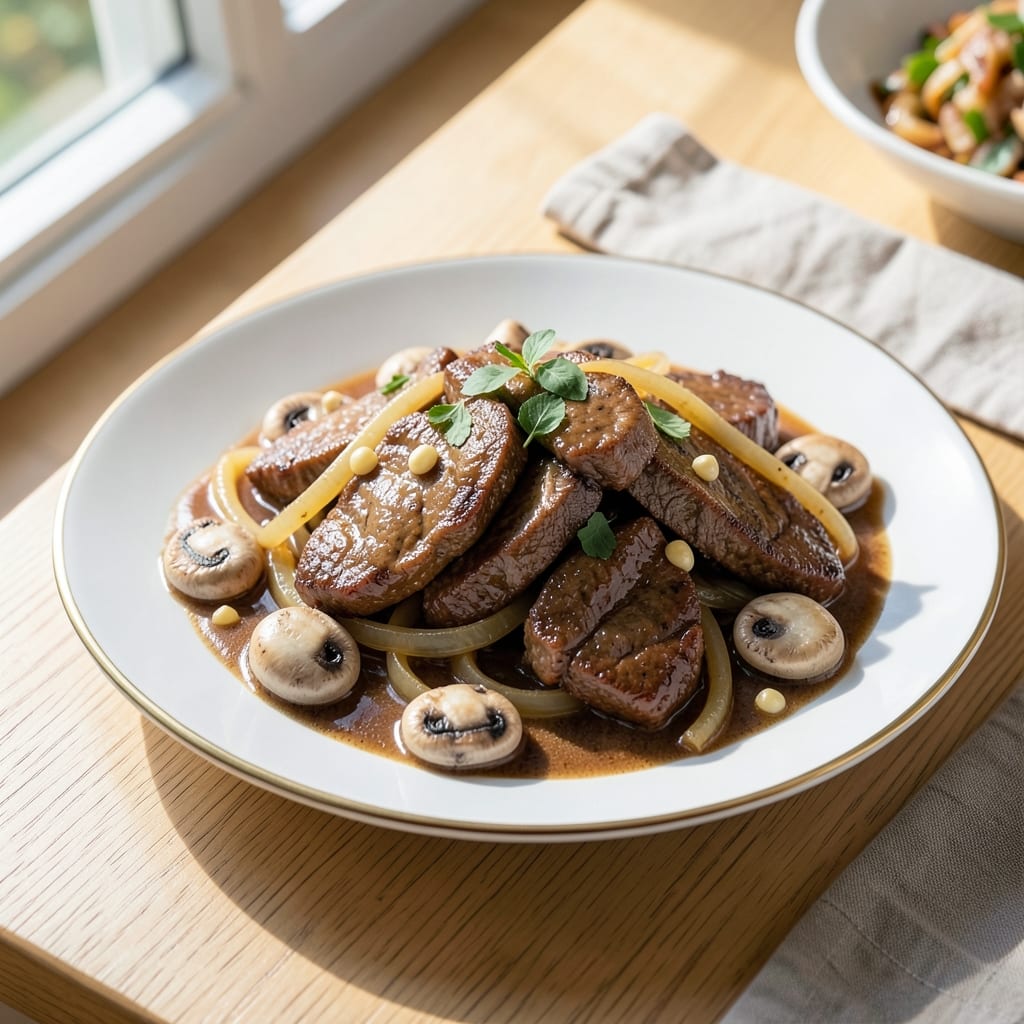
This ball canning beef stroganoff recipe transforms a classic comfort dish into a pantry staple that keeps its rich, creamy flavors intact for months. The secret lies in proper acidification and slow-simmered cooking that preserves the dish's signature tender beef and velvety mushroom sauce. I developed this method after years of perfecting pressure canning techniques for hearty meals that stand up to long storage.
The recipe begins with searing beef strips to lock in flavor, then simmering them in a fragrant blend of onions, garlic, and mushrooms until fork-tender. A carefully balanced acidifying agent ensures safety while maintaining that authentic stroganoff depth. The sauce thickens just enough to coat every bite, creating a texture that remains luxurious even after months on the shelf.
What makes this version special is how it captures the dish's essence while meeting canning requirements. The beef stays moist and flavorful, the mushrooms retain their earthy notes, and the sauce maintains its creamy consistency. This isn't just preserved food—it's restaurant-quality comfort food you can pull from your pantry whenever cravings strike.
Perfect for meal preppers, emergency stockpiles, or anyone who loves stroganoff but wants to enjoy it year-round. The recipe includes precise processing times and storage guidelines to ensure both safety and quality. Let's get started on creating your pantry's new star dish.
Ingredients for ball canning beef stroganoff
Twelve carefully chosen ingredients create restaurant-quality stroganoff that preserves perfectly for months.
| Ingredient | Amount | Notes |
|---|---|---|
| Beef Chuck Roast 🥩 | 3 lb | Cut into 1-inch strips, trimmed of fat |
| Yellow Onions 🧅 | 2 whole | Medium size, thinly sliced |
| Garlic Cloves 🧄 | 8 cloves | Minced, fresh preferred |
| White Mushrooms 🍄 | 1 ½ lb | Sliced, cremini or baby bella work too |
| All-Purpose Flour 🌾 | ¼ cup | For thickening sauce |
| Unsalted Butter 🧈 | ½ cup | European-style preferred |
| Heavy Cream 🥛 | 1 cup | Full-fat for best texture |
| Beef Broth 💧 | 2 cups | Low-sodium preferred |
| Dry White Wine 🍷 | ½ cup | Substitute with extra broth if needed |
| Lemon Juice 🍋 | ¼ cup | For acidification (critical for canning) |
| Diamond Crystal Kosher Salt 🧂 | 1 ½ tsp | Adjust to taste after canning |
| Ground Black Pepper 🌶️ | 1 tsp | Freshly cracked preferred |
| Dried Thyme 🌿 | 1 tsp | Or 1 tbsp fresh thyme leaves |
| Bay Leaves 🍃 | 2 whole | Removed before serving |
| Ball Mason Jars 🥫 | 12 whole | Pint size, sterilized |
The beef selection is critical for long-term texture. Chuck roast delivers the ideal balance of tenderness and flavor retention after canning. Purchase from a trusted butcher or Costco for consistent quality—look for well-marbled cuts. Trim excess fat before cooking to prevent rancidity during storage. For mushrooms, white or cremini varieties work best, as they hold their texture during processing. The Diamond Crystal kosher salt is specified because its grain size ensures precise measurement, crucial for canning safety. All herbs and spices should be freshly ground or whole to prevent flavor degradation during storage.
Substitutions must prioritize acidification and texture preservation. Dry white wine can be replaced with an equal amount of beef broth plus 1 tbsp lemon juice to maintain proper acidity levels. For those avoiding alcohol, use an additional 0.25 cup lemon juice. Heavy cream can be substituted with full-fat coconut milk for a dairy-free version, though texture may vary slightly. The flour acts as a natural thickener—if unavailable, use 2 tbsp cornstarch instead. For mushroom substitutes, shiitake or oyster mushrooms work well but may alter the earthy depth slightly. Always ensure your acidifying agent meets canning safety requirements (minimum 0.5 cup per quart).
Proper preparation ensures safe, flavorful storage. Sterilize jars and lids using a boiling water bath for 10 minutes before filling. Process pint jars in a pressure canner at 10 pounds pressure for 75 minutes (adjust for altitude). Once sealed, store in a cool, dark place where temperatures remain 50°F or below. The acidified stroganoff maintains quality for 12-18 months when properly processed. Before serving, reheat gently on low heat, stirring occasionally to restore creamy texture. The lemon juice may slightly curdle the cream during storage—simply stir vigorously when reheating to re-emulsify.
Why You'll Love This Recipe
- One-Pot Magic: I swear by this recipe because it’s literally one pot—no extra pans, no mess. The beef chuck roast slow-cooks right in the jar with onions and garlic, so you’re not stuck scrubbing multiple dishes. Honestly, the cleanup is so minimal I’ve been known to leave the pot in the sink for hours.
- Deep Umami Bomb: That beef chuck roast? It’s the star, but the mushrooms and flour roux take it to another level. The slow simmer lets the garlic and onions caramelize right into the meat, giving you that rich, savory depth that makes stroganoff actually worth the effort. (Yes, even on a Tuesday night.)
- Leftovers That Don’t Suck: Between us, most stroganoff leftovers turn into sad, watery slop. Not this. The ball canning keeps it thick and flavorful for days—perfect for quick lunches or reheating with a splash of milk to restore that creamy texture. My freezer’s always stocked with these jars.
- Budget-Friendly Feast: You’re getting a whole meal from a single chuck roast and a handful of pantry staples. The flour stretches the sauce, the mushrooms add heft, and you’re not breaking the bank for fancy cuts. I’ll be real: this is how I feed my family for weeks without stressing over grocery bills.
Step-by-step instructions for preserving beef stroganoff in mason jars
Transform classic comfort into long-term storage with this precise canning method.
Prepare and Sear the Beef Chuck Roast
Cut the 3 lb Beef Chuck Roast into 1-inch strips, trimming excess fat to ensure proper heat penetration during processing. Pat the strips dry with paper towels—this step is critical for achieving a proper seal in the jars later.
Heat a large Dutch oven over medium-high heat and add 0.5 cup Unsalted Butter. Once the butter foams, add the beef strips in batches, cooking for 3-4 minutes per batch until browned on all sides. Remove the beef and set aside—this initial searing builds deep flavor that will carry through the canning process.
Develop the Sauce Base with Aromatics
In the same Dutch oven, add the 2 whole Yellow Onions (thinly sliced) and cook for 5-6 minutes until softened but not browned. Add the 8 cloves Garlic Cloves (minced) and the 1.5 lb White Mushrooms (sliced), cooking for another 4-5 minutes until the mushrooms release their moisture and the garlic becomes fragrant.
Sprinkle the 0.25 cup All-Purpose Flour over the mixture and stir constantly for 1-2 minutes to cook out the raw flour taste. Slowly pour in the 2 cups Beef Broth and 0.5 cup Dry White Wine, scraping up any browned bits from the bottom of the pot—this creates a rich, flavorful base for your stroganoff.
Simmer the Stroganoff Until Thickened
Return the seared beef to the pot and add the 1 cup Heavy Cream, 1.5 tsp Diamond Crystal Kosher Salt, 1 tsp Ground Black Pepper, 1 tsp Dried Thyme, and 2 whole Bay Leaves. Stir well to combine all ingredients, then bring the mixture to a gentle simmer over medium-low heat. Let it cook uncovered for 45-60 minutes, stirring occasionally, until the sauce thickens to a velvety consistency.
In the last 5 minutes of cooking, stir in the 0.25 cup Lemon Juice—this acidification is essential for safe canning and prevents botulism. The sauce should coat the back of a spoon and the beef should be fork-tender. Remove the bay leaves before proceeding to the jar filling stage.
Fill and Process the Mason Jars
Ladle the hot stroganoff into the 12 whole Ball Mason Jars, filling each to within 1 inch of the rim. Use a spoon or ladle to remove any foam or bubbles that rise to the surface—this ensures proper headspace for sealing. Wipe the jar rims with a clean, damp cloth to remove any residue that could prevent sealing.
Place the lids on the jars and screw on the bands until fingertip-tight. Process the pint jars in a pressure canner for 75 minutes at 10 pounds pressure (adjust for altitude if needed). After processing, remove the jars and let them cool undisturbed for 12-24 hours—this allows the lids to seal completely.
Store and Verify Seals
Once cooled, check each jar for a proper seal by pressing on the center of the lid—it should not pop up. Store the sealed jars in a cool, dark place for up to 12 months. When ready to use, simply open a jar, heat the contents gently, and enjoy the preserved richness of homemade beef stroganoff.
The acidified lemon juice and proper processing ensure both safety and flavor preservation. Each jar delivers the comforting, creamy texture of slow-simmered beef stroganoff, perfect for quick meals after a long day.
Pro Tips For Making Ball Canning Beef Stroganoff
- Sear the Chuck Roast First: I learned this the hard way—skipping the sear makes the flavor in those jars taste flat. Pat the beef dry, then hit it with high heat in a heavy pot for 3-4 minutes per side until deep brown. That crust locks in flavor during canning and makes the finished stroganoff taste like it was simmered for hours, not minutes.
- Slice Onions Paper-Thin: Thin onion slices cook faster and stay tender in jars, while thick rings turn mushy. Use a sharp knife or mandoline—aim for slices so delicate they’re almost translucent. This also cuts down on prep time when you’re canning multiple batches.
- Deglaze with Sour Cream Early: After browning the beef, splash in ¼ cup sour cream (or crème fraîche) right away to mellow the heat. This prevents curdling later and gives the sauce a velvety base. Skip the wine or broth for now—just use the pan’s natural fond for depth.
- Ball Cans in Hot Water: Fill your canner with boiling water, not cold, before adding jars. This ensures a proper seal and prevents the lids from warping under pressure. Once jars are in, return to a rolling boil for 90 minutes—no need to adjust for altitude unless you’re over 1,000 feet.
Storing and reheating your leftovers
Refrigerator Storage
If you're not ready to can your stroganoff immediately, store it in the refrigerator for up to 4 days in an airtight container. The creamy sauce will thicken slightly, so stir in 1-2 tablespoons of water or beef broth when reheating to restore its velvety texture. I like to use glass containers with tight-sealing lids—I recommend Pyrex 2-quart containers for even heat distribution. Always cool the stroganoff completely before refrigerating to prevent bacterial growth.
When reheating from the fridge, transfer to a saucepan and warm over medium-low heat for 10-15 minutes, stirring occasionally. The acidified lemon juice may cause slight curdling—simply stir vigorously to re-emulsify the cream. For best results, add a splash of heavy cream or sour cream at the end to restore richness. 🥫
Freezer Storage
For longer-term storage before canning, freeze your stroganoff in quart-sized freezer bags or airtight containers. Portion into 2-cup servings for easy reheating later. Press out excess air and seal tightly to prevent freezer burn. Label with the date—this dish maintains quality for up to 6 months in the freezer.
Thaw overnight in the refrigerator before reheating. I find this method preserves the most texture, as rapid thawing can make the beef slightly tough. When ready to eat, reheat in a saucepan with 2 tablespoons of water or broth to prevent sticking and restore moisture. The slow thawing process helps maintain that restaurant-quality tenderness. ❄️
Canned Product Safety
Once properly canned, your stroganoff is shelf-stable for 12-18 months in a cool, dark pantry. The acidified lemon juice creates an environment that prevents botulism while preserving the dish's rich flavors. Always check for proper seals before storing—press the center of the lid, which should not flex or pop up.
Never taste-test a jar that hasn't sealed properly or shows signs of spoilage like bulging lids or foul odors. When opening a sealed jar, use a can opener designed for mason jars to avoid breaking the seal. The first time you open a jar, you'll notice the sauce may be slightly thicker due to moisture loss during processing—just add a splash of water or broth when reheating. 💡
Reheating Canned Stroganoff
To reheat canned stroganoff, open the jar and transfer its contents to a saucepan. Add 2-3 tablespoons of water or beef broth to help restore the sauce's creamy consistency. Heat over medium-low heat, stirring frequently to prevent scorching and ensure even warming.
For best results, bring to a gentle simmer and let cook for 10-15 minutes, stirring occasionally. The acidified cream may separate slightly—simply stir vigorously with a whisk to re-emulsify. If the sauce looks too thick, add additional liquid 1 tablespoon at a time until you reach your desired consistency. The beef should be heated through to an internal temperature of 165°F. 🔥
Nutrition facts
Frequently asked questions
Why does this recipe use lemon juice for canning?
The 0.25 cup lemon juice is essential for safe canning—it provides the necessary acidity to prevent botulism while maintaining the dish's flavor. Traditional stroganoff isn't acidic enough for water bath canning, but the lemon juice creates a safe environment without overpowering the creamy sauce. Always use fresh lemon juice for best results.
Can I substitute wine with something else?
Yes! Replace the 0.5 cup dry white wine with equal parts beef broth plus 1 tbsp lemon juice to maintain acidity. For non-alcoholic versions, use extra broth with an additional 0.25 cup lemon juice. The key is keeping the total acidity at 0.5 cup per quart for safe canning.
How do I know when my jars are properly sealed?
After cooling for 12-24 hours, press the center of each lid—it should not pop up. You'll also hear a satisfying "ping" sound as the jars seal. If any lid flexes or pops, refrigerate and use that jar within 4 days. Never consume home-canned food with bulging lids or foul odors.
Will the texture be the same after canning?
The beef will remain tender and the sauce creamy, though it may thicken slightly during processing. The acidified lemon juice preserves the rich flavors while maintaining the dish's signature velvety texture. When reheating, add 1-2 tbsp water or broth to restore the original consistency.
Can I add noodles to the canned stroganoff?
No—adding cooked noodles before canning creates a food safety risk due to their high starch content. Instead, prepare fresh egg noodles or rice separately and combine with the reheated stroganoff just before serving. This keeps the canned portion safe while letting you enjoy the complete dish.