Soups & Stews
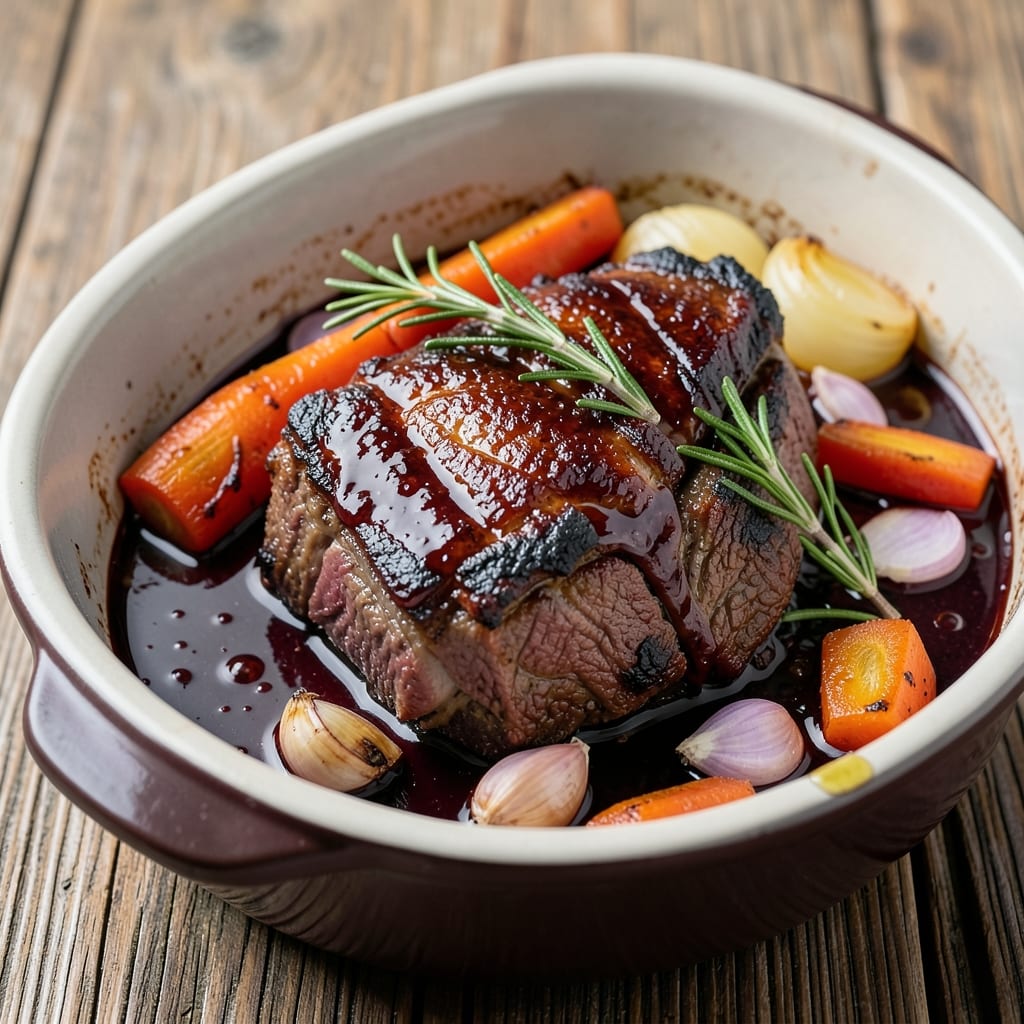
This balsamic braised beef recipe transforms tough cuts into melt-in-your-mouth perfection through slow cooking and rich reduction. The key lies in patient searing and braising, where balsamic vinegar and red wine create a deep, velvety sauce that clings to every bite. What starts as a simple sear becomes a restaurant-worthy dish with just 3 hours of hands-off time—ideal for busy weeknights or special occasions.
The process begins with a deep sear to develop a flavorful crust, followed by a slow simmer in aromatic liquids that tenderize the meat while building complex flavors. Unlike quick-cook methods, braising breaks down connective tissue, resulting in fork-tender beef that practically falls apart. The balsamic reduction adds a tangy-sweet depth that balances the richness of the meat and sauce.
By the end, you'll have a dish that's elegant yet approachable—rich, aromatic, and deeply satisfying—with a sauce so flavorful it deserves its own bowl. Serve it over creamy polenta, with crusty bread for soaking, or alongside roasted root vegetables to round out the meal. The technique is straightforward, but the results are anything but basic.
This method works best with chuck roast or short ribs, though any tough cut will benefit from the slow cooking process. The beauty of braising is its flexibility—adjust the braising time based on your preferred tenderness, and feel free to swap vegetables or herbs to suit your taste. The end result is a dish that feels indulgent yet requires minimal effort once you get started.
Ingredients for balsamic braised beef
Nine essential ingredients transform tough beef into restaurant-quality melt-in-your-mouth perfection.
| Ingredient | Amount | Notes |
|---|---|---|
| Chuck Roast 🥩 | 2 lb | Well-marbled, cut into 1.5-inch cubes |
| Red Wine 🍷 | 1 cup | Bold, dry variety like Cabernet Sauvignon |
| Balsamic Vinegar 🍶 | ½ cup | Aged, not the cheap cooking kind |
| Carrots 🥕 | 4 whole | Medium-sized, peeled and halved |
| Yellow Onion 🧅 | 1 whole | Medium, sliced into half-moons |
| Garlic Cloves 🧄 | 6 cloves | Freshly minced, not pre-minced jar |
| Beef Broth 💧 | 2 cups | Homemade or high-quality low-sodium |
| Tomato Paste 🍅 | 2 tbsp | Smooth, not chunky |
| Fresh Thyme 🌿 | ¼ cup | Leaves only, stems removed |
| Fresh Rosemary 🌿 | ¼ cup | Needles finely chopped |
| Olive Oil 🫒 | 2 tbsp | Extra-virgin for searing |
| Salt 🧂 | 1 ½ tsp | Kosher or sea salt, freshly ground |
| Black Pepper 🌶️ | 1 tsp | Freshly cracked black peppercorns |
| All-Purpose Flour 🌾 | 2 tbsp | For thickening sauce if needed |
The chuck roast is non-negotiable here—look for well-marbled cuts with visible fat between the muscles. Costco or Whole Foods carry excellent options, but any reputable butcher will have it. If you're buying a whole roast, trim excess fat but leave the marbling intact. That fat renders down during braising, creating a luxuriously rich sauce. For the wine, any bold, dry red works—Cab Sauv, Merlot, whatever's open—but avoid sweet varieties like Zinfandel. The balsamic vinegar should be aged (not the cheap cooking kind) for that deep, caramelized flavor profile that makes this dish sing.
No red wine? Beef broth with a splash of balsamic gets you close, though the depth will differ slightly. Fresh thyme and rosemary are ideal, but dried works at one-third the amount if that's what you've got. The tomato paste can be swapped for 1 cup crushed San Marzano tomatoes if you prefer a chunkier sauce. For the carrots and onion, don't peel the onion—leave the skin on for extra flavor, but peel the carrots for even cooking. If you're short on time, baby carrots and pre-sliced onion from the grocery store will work just fine. The beef broth matters too—homemade or high-quality low-sodium brands like Pacific Foods or Imagine are worth the splurge.
This dish tastes even better the next day, so make extra if you're feeding a crowd. The braised beef keeps 4-5 days in the fridge, and the sauce freezes beautifully for up to 3 months. For leftovers, reheat gently on the stove with a splash of broth or water to prevent drying. I like to portion mine into glass containers—they reheat evenly and look great on the table. The sauce thickens as it cools, so if it's too thin when reheating, just simmer it uncovered for 5-10 minutes to reduce. Trust me on this: the second day is when this dish truly shines.
Why You'll Love This Recipe
- Rich Without Effort: Between us, this dish tastes like you spent hours in the kitchen, but honestly? It’s just the chuck roast breaking down into tender perfection with that deep, tangy balsamic glaze. The red wine adds a touch of sophistication, but the real star is how the flavors meld—sweet, savory, and just a little sharp—without needing a 10-step process.
- Weeknight to Dinner Party: I make this for lazy Mondays when I don’t want to think, but it also shows up at holiday tables like it belongs there. Serve it over mashed potatoes for a cozy night in, or plate it with crusty bread and a simple salad when guests arrive. The leftovers? Even better the next day, wrapped in that sticky-sweet sauce.
Step-by-step instructions for balsamic braised beef
Here's how to transform tough chuck roast into melt-in-your-mouth beef with rich, velvety sauce.
Sear the Beef for Deep Flavor
Pat the 2 lb chuck roast dry with paper towels—this ensures maximum browning. Heat 2 tbsp olive oil in a heavy Dutch oven over medium-high heat until shimmering. Working in batches if needed, sear the beef cubes on all sides until deeply browned, about 3-4 minutes per side. You're building flavor here, so don't rush.
Real talk: If the pan gets crowded, the temperature will drop, and you'll steam instead of sear. Work patiently—those browned bits (fond) are the flavor foundation. Remove the beef and set aside on a plate.
Sauté Vegetables and Aromatics
In the same Dutch oven, add the 1 whole yellow onion and 4 whole carrots (peeled and halved). Cook for 5-6 minutes until the onions soften and carrots begin to caramelize slightly. Add the 6 cloves garlic cloves and cook for 30 seconds until fragrant.
Here's where it gets aromatic: The onions should be translucent with just a hint of color, and the carrots should start to soften at the edges. If they brown too quickly, reduce heat slightly. This step develops the base flavor that will carry through the entire dish.
Deglaze and Build the Sauce Base
Pour in the 1 cup red wine and scrape up all those browned bits from the bottom of the pan with a wooden spoon—this is called deglazing. Let it simmer for 3-4 minutes until reduced by half. Add the 0.5 cup balsamic vinegar and 2 tbsp tomato paste, stirring to combine.
This is the moment that matters: The wine should reduce to a syrupy consistency, and the balsamic will add that signature tangy depth. If it reduces too quickly, just reduce the heat slightly. The tomato paste will thicken the sauce and add richness.
Simmer the Beef Until Tender
Return the beef to the pot. Add the 2 cups beef broth, 0.25 cup fresh thyme, 0.25 cup fresh rosemary, 1.5 tsp salt, and 1 tsp black pepper. Bring to a gentle simmer, then cover and transfer to a 325°F oven for 2-2.5 hours. The beef is done when it's fork-tender and falls apart easily.
Don't peek or stir during cooking—this disturbs the even cooking process. The beef will be tender when you can easily slide a fork between the meat and the bone. If the sauce reduces too much before the beef is done, add a splash of water or broth to maintain moisture.
Finish and Thicken the Sauce
Once the beef is tender, remove it from the pot and set aside. Place the Dutch oven over medium heat and skim off any excess fat from the surface. Sprinkle the 2 tbsp all-purpose flour over the sauce and whisk vigorously for 1-2 minutes until thickened to your desired consistency.
Return the beef to the pot and let it warm through for 2-3 minutes. Taste and adjust seasoning with additional salt or pepper if needed. The sauce should coat the back of a spoon and cling beautifully to the beef. Serve immediately over polenta or crusty bread for the ultimate experience.
Pro Tips For Making Balsamic Braised Beef
- SEAR THE ROAST FIRST: I learned this the hard way—skipping the sear means flavorless braising liquid. Heat your Dutch oven until it’s smoking hot, then pat the chuck roast very dry and let it develop a deep crust (at least 3-4 minutes per side). That caramelized crust is what dissolves into the wine and balsamic later, turning your sauce from "meh" to "rich and complex."
- DEGLAZE WITH WINE IMMEDIATELY: As soon as you pull the roast out, don’t let those browned bits sit. Pour in the red wine right away—scrape every last bit off the bottom with a wooden spoon—while it’s still hot. Cold wine later just makes a sad, thin sauce. This is where the real depth of flavor starts.
- SIMMER LOW AND LONG: After adding the balsamic and veggies, resist the urge to rush it. Cover and simmer at 180°F (82°C) for at least 3 hours—yes, even if it means your oven runs all day. The chuck needs time to break down into melt-in-your-mouth tenderness, and the balsamic won’t mellow into sweetness if you rush it.
- THIN THE SAUCE WITH STOCK: If your braising liquid is too thick by the end, don’t just add water—it’ll taste flat. Use ½ cup beef stock (or even a splash of the red wine you didn’t use) to loosen it up. The salt and umami in the stock will balance the acidity of the balsamic without diluting the flavor. (I usually do this in the last 20 minutes of cooking.)
Troubleshooting your balsamic braised beef
Sauce Too Thin?
If your sauce ends up too thin after braising, don't panic—this happens more often than you'd think! Simply remove the beef and place the Dutch oven over medium heat. Sprinkle 2 tbsp all-purpose flour directly into the sauce and whisk vigorously for 1-2 minutes until it thickens. For extra richness, I like to add 1 tbsp cold butter at the end and stir until melted. This works like magic and gives that velvety texture we all love. 💫
Beef Still Tough?
If your beef isn't fork-tender after 2.5 hours, it's likely because the oven temperature dropped or the pot wasn't properly sealed. First, check your oven's accuracy—many run 25°F cooler than set. If needed, increase to 350°F and add 30-45 minutes more cooking time. For extra insurance, cover the pot with heavy-duty foil to trap steam and speed up the process. Patience is key here!
Bitter Wine Taste?
That harsh wine flavor sneaks in when the alcohol doesn't fully cook off. To fix this, simmer the wine longer—5-7 minutes instead of 3-4—until it reduces by half or more. Adding 1 tsp sugar or 1 tbsp honey at this stage also helps balance the acidity beautifully. I swear by this trick when using bold reds like Cabernet Sauvignon. 🍷
Vegetables Overcooked?
If your carrots and onions turn mushy, you likely added them too early. Instead, sauté them separately in 1 tbsp olive oil for 5-6 minutes until just tender, then transfer to the braising liquid. This way, they absorb flavor without falling apart. For extra control, I sometimes add them back in just 30 minutes before the beef is done to keep them firm. 🥕
Fat Floating on Top?
Excess fat can make the sauce look unappetizing, but it's actually flavor gold! Skim it off with a spoon before thickening, or use a fat separator funnel for cleaner results. Save the rendered fat—it's perfect for future searing or roasting. If you prefer a leaner sauce, chill it overnight and the fat will solidify on top, making it easy to remove. Trust me, this is a game-changer for presentation! 🌟
Sauce Too Acidic?
If the balsamic flavor overpowers, balance it with 1 tsp brown sugar or 1 tsp honey stirred into the sauce during the final 10 minutes of cooking. A pinch of ground cinnamon (just ¼ tsp) also adds warmth and depth without altering the flavor profile. I keep a small jar of cinnamon in my pantry specifically for this purpose—it's a secret weapon! 💡
Nutrition facts
Frequently asked questions
Can I use a slow cooker instead of an oven for this recipe?
Transfer the braising liquid and beef to a 6-quart slow cooker after searing, then cook on low for 7-8 hours or high for 4-5 hours. The texture will be slightly different but still delicious. Just add ½ cup beef broth halfway through if needed to prevent drying.
What's the best way to reheat leftovers?
Reheat gently on the stove over low heat with a splash of beef broth or water to prevent drying. Cover and warm for 5-10 minutes until heated through. For extra richness, add 1 tbsp butter at the end. Microwaving works too, but the sauce may separate—stir well and reheat in 30-second bursts.
How do I make this dish ahead of time?
This recipe actually tastes better the next day! Prepare it fully, then refrigerate for up to 4 days or freeze for 3 months. Reheat gently on the stove with a splash of liquid. For serving, skim excess fat and adjust seasoning if needed. The flavors deepen overnight, making it perfect for meal prep.
Can I substitute balsamic vinegar with something else?
For a similar tangy depth, use ½ cup red wine vinegar + 1 tbsp brown sugar. Or try ½ cup apple cider vinegar + 1 tsp Dijon mustard for a fruity twist. Avoid white vinegar—it lacks the rich complexity. The balsamic's caramelized notes are key to this dish's signature flavor.
What's the ideal serving temperature for this dish?
Serve at 160-170°F for perfect tenderness. Remove from heat 10 minutes before serving to let it rest. The beef should be fork-tender but still hold its shape slightly. For a restaurant-style presentation, garnish with fresh thyme sprigs and a drizzle of reduced balsamic.