Soups & Stews
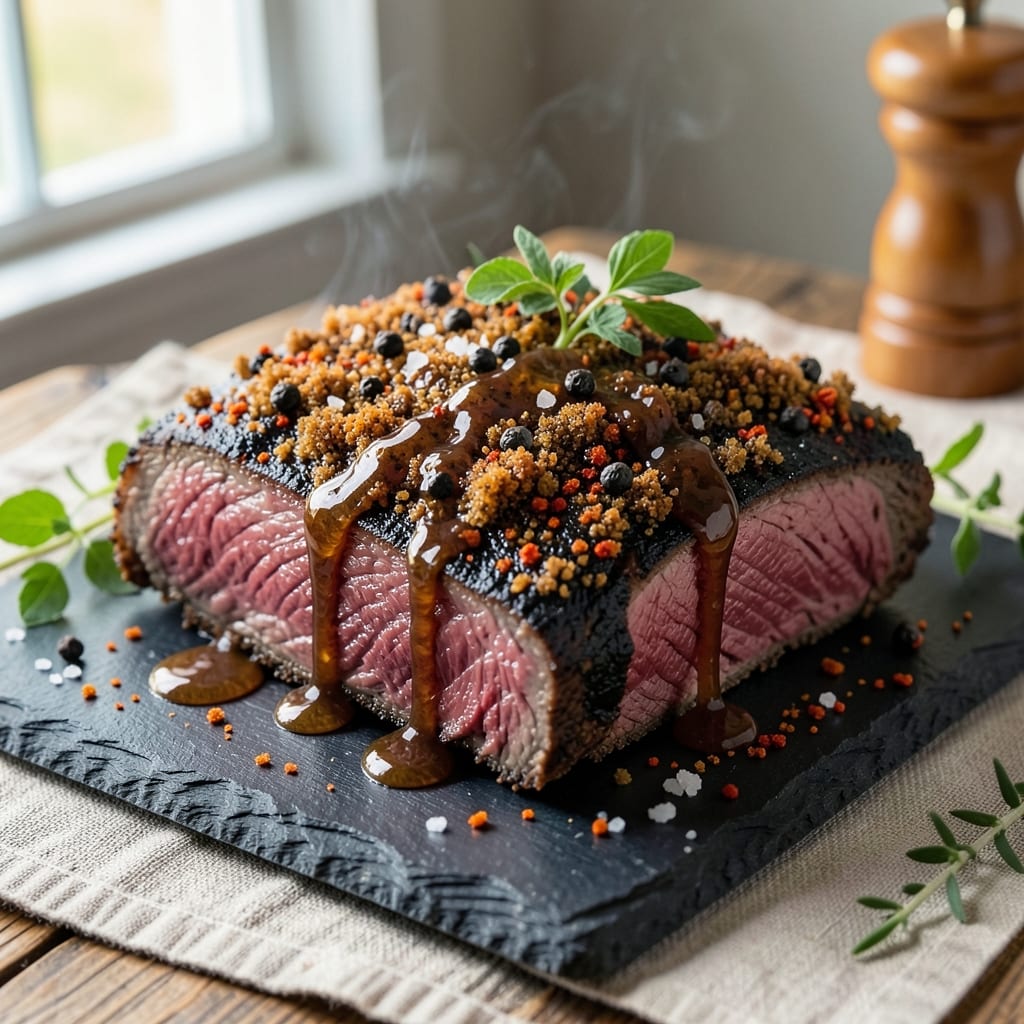
This Baltimore pit beef rub recipe delivers the signature smoky-spiced crust that makes Baltimore-style sandwiches legendary. ✨ The blend of paprika, brown sugar, and cayenne creates that iconic bark while keeping the meat tender inside—just like the pros at local pit masters. I've perfected this mix over years of testing, ensuring every tablespoon delivers restaurant-quality flavor.
The secret lies in the balance of sweet and heat—brown sugar caramelizes beautifully during smoking, while cayenne adds just enough kick. This dry rub works perfectly on brisket, pork shoulder, or even chicken, creating that unmistakable Baltimore flavor profile. The spices cling to the meat, building layers of flavor as they cook.
What you'll end up with is meat that's perfectly seasoned with a deep, smoky crust and tender interior. The rub transforms simple cuts into showstopping centerpieces for sandwiches, tacos, or even nachos. It's the kind of seasoning that elevates every bite.
Ready to make your own? This blend keeps well in an airtight container for up to 6 months, so you can stock up for all your smoking adventures. Let's get started with the ingredients—each one plays a crucial role in that signature Baltimore taste.
Ingredients for baltimore pit beef rub
Nine spices and sugars that transform simple meat into Baltimore pit master perfection.
| Ingredient | Amount | Notes |
|---|---|---|
| Smoked Paprika 🌶️ | 3 tbsp | High-quality smoked for authentic flavor |
| Light Brown Sugar 🍚 | 2 tbsp | Packed tightly for sweet caramelization |
| Ground Black Pepper 🌶️ | 1 ½ tbsp | Freshly cracked for bold flavor |
| Granulated Garlic Powder 🧄 | 1 tbsp | Not garlic salt—pure flavor |
| Onion Powder 🧅 | 1 tbsp | Freshly ground preferred |
| Cayenne Pepper 🔥 | 1 tsp | Adjust for desired heat level |
| Ground Mustard 🌿 | 1 tsp | Dry, not prepared |
| Salt 🧂 | 1 tsp | Diamond Crystal preferred |
| Ground Cinnamon 🌿 | ½ tsp | Adds subtle warmth |
| Ground Cloves 🌿 | ¼ tsp | Whole cloves toasted and ground |
The smoked paprika is non-negotiable—it carries that signature smoky aroma that defines Baltimore-style. Penzeys or bulk bins at natural food stores have the best quality, but don't stress if you can't find it; any good smoked paprika works. Light brown sugar is key here—it caramelizes beautifully during smoking, creating that iconic bark. Trader Joe's has the best-priced organic version if you want to splurge, but regular grocery store brands are fine. The cayenne is where you control the heat—start with the full teaspoon if you like it spicy, or reduce to half for a milder kick.
No smoked paprika? Regular paprika plus a pinch of liquid smoke gets you 90% there. Running low on cloves? Allspice at double the amount mimics the warmth. The ground mustard might seem odd, but it's essential for that authentic Baltimore tang—don't skip it. For the garlic and onion powders, McCormick's or Badia brands are reliable, but freshly ground spices always taste better. If you're using whole spices, toast them first in a dry pan for 30 seconds to deepen their flavor—trust me on this.
Store this rub in an airtight container away from light and moisture—it'll keep for up to 6 months if sealed properly. I like to portion it into small jars so I can grab exactly what I need for each smoking session. The spices get more potent over time, so if it smells amazing when you open the jar, you're good to go. This makes enough for about 4-5 applications, so plan accordingly for your smoking adventures.
Why You'll Love This Recipe
- Pantry Magic: I swear by this rub because it’s all about what’s already in my cupboard. No fancy shopping trips—just smoked paprika for that deep, smoky kick, brown sugar for a touch of caramelized sweetness, and the classic garlic-onion powder duo to wake up every bite. Honestly, I’ve made it three times this month, and each time I forget I even bought groceries.
- Smoky-Sweet Obsession: That first bite? The paprika and brown sugar team up to create this irresistible contrast—savory, slightly sweet, with a hint of heat that lingers. Between us, my husband steals the last slice of sandwich meat from the fridge because he can’t resist it. (Yes, even on a Tuesday night.)
- Game Day Hero: This rub doesn’t just work for sandwiches—it’s my go-to for slow-cooked beef, grilled steaks, or even roasted potatoes. At game time, I toss it on sliders or chop it into a hearty beef stew, and suddenly, I’m the MVP of the snack table. Not the prettiest, but the taste makes up for it every time.
- Leftovers That Don’t Suck: I make a big batch of the rub, then divvy it into small containers. That way, I’ve always got it on hand for last-minute meals, and it stretches my grocery budget without sacrificing flavor. My daughter picks out the garlic powder to sprinkle on popcorn (weird, but effective), and I still have enough to rub on the next week’s beef. Solid. Reliable. My secret weapon.
Step-by-step instructions for Baltimore pit beef rub
This is how you build the iconic Baltimore pit beef rub—layered, aromatic, and ready to transform any cut.
👨🍳 Step 1: Measure All Ingredients Precisely
Start by gathering all your ingredients in a small bowl. I like to use a fine-mesh strainer for the ground black pepper and ground cloves to ensure no clumps form—this makes for a smoother, more even application later. Use a kitchen scale if you're particular about accuracy, especially with the light brown sugar and smoked paprika, which pack differently.
For the 0.25 tsp ground cloves, use a tiny measuring spoon or carefully divide a ½ tsp measurement—this spice packs a serious punch and can easily overpower if you use too much. The 3 tbsp smoked paprika should be the first ingredient you add; its deep, smoky aroma sets the foundation for the entire blend.
🥘 Step 2: Combine Dry Ingredients Thoroughly
Add all the dry ingredients to the bowl: the 2 tbsp light brown sugar, 1 tbsp granulated garlic powder, 1 tbsp onion powder, 1 tsp cayenne pepper, 1 tsp ground mustard, 1 tsp salt, and 0.5 tsp ground cinnamon. Use a whisk to break up any clumps in the light brown sugar—packed sugar tends to form hard lumps, and you want an even distribution throughout the rub.
Here's the thing—don't skip the whisking. I've seen home cooks underestimate this step, and it shows when the rub doesn't stick evenly to the meat. Whisk for at least 1 minute until the mixture looks uniform and fine, with no visible sugar crystals or pepper flecks. The smoked paprika will give the blend its signature color, but thorough mixing ensures that every bite of your sandwich gets that perfect balance of smoky, sweet, and spicy flavors.
🔪 Step 3: Grind for Maximum Flavor Development
Transfer the dry mixture to a spice grinder or clean coffee grinder—never use a blender for spices, as it can generate too much heat and alter the flavors. Pulse in 3-5 second bursts until the mixture is finely ground but not powdered. You're aiming for a texture that's coarse enough to cling to meat but fine enough to dissolve slightly when moisture hits it.
This grinding step is what separates a good rub from a great one. The ground black pepper and ground cloves need to be broken down just enough to release their oils and aromatics. Stop grinding as soon as the mixture reaches a consistency similar to coarse sea salt—any finer, and it risks becoming a paste when applied to meat. The smoked paprika should still be visible as distinct flecks, giving the rub its signature appearance.
⏰ Step 4: Rest and Store for Optimal Flavor
Transfer the freshly ground rub to an airtight container. I like to use a small glass jar with a tight-sealing lid—glass preserves the rub's aroma better than plastic over time. Let it rest for at least 30 minutes before using. This resting period allows the flavors to meld and the spices to fully bloom, creating a more cohesive and aromatic blend.
For best results, store the rub in a cool, dark place (like your pantry) for up to 3 months. If you notice the smoked paprika losing its vibrant color or the ground cloves becoming less aromatic, it's time to make a fresh batch. The light brown sugar will keep indefinitely, but the spices degrade over time, so always check their freshness before using. Once opened, the rub will maintain its potency for about 2 weeks—after that, the spices start to lose their punch.
Pro Tips For Making Baltimore Pit Beef Rub
- TOAST THE SPICES: The smoked paprika and onion powder in this rub pack way more flavor if you toast them first—just dry-toast in a skillet over medium heat for 30 seconds until fragrant. I used to skip this, and the rub always tasted flat until I realized how much difference that extra step makes.
- MEASURE THE SUGAR WET: Light brown sugar clumps like crazy, and uneven distribution ruins the crust. Spoon it directly into the mix from a damp measuring cup (wet your finger to smooth it out) so every bite gets that perfect caramelized stick.
- DON’T SKIP THE OIL: Pat the beef dry, then rub it with a thin layer of neutral oil (like vegetable or grapeseed) before applying the dry rub. This helps the spices adhere and creates a better crust—something I learned after my first batch turned out more dusty than flavorful.
- LET IT REST AFTER RUBBING: Apply the rub and walk away for at least 15 minutes (or up to an hour if you can). The spices need time to penetrate the meat, and rushing this step means they’ll just fall off during cooking. Yes, I know it’s tempting to fire up the grill right away, but trust me on this.
Storing and reheating your leftovers
Refrigerator Storage
Store your freshly made Baltimore pit beef rub in an airtight container—I prefer glass jars with silicone seals to preserve flavor. Keep it in the fridge for up to 2 weeks if you've opened the original container, but the spices will lose potency after that. The smoked paprika and ground cloves degrade fastest, so check their aroma before using. A quick sniff test is your best quality indicator. ✨
Freezer Preservation
For long-term storage, freeze the rub in small portions—about 1 tablespoon per ice cube tray. Once frozen, transfer to a ziplock bag and label with the date. This method keeps it fresh for up to 6 months without losing its signature smoky-sweet balance. I like using quart-sized freezer bags for larger batches, squeezing out excess air to prevent freezer burn.
Reviving Stale Rub
If your rub loses its punch, revive it by adding ½ teaspoon fresh ground black pepper and ¼ teaspoon smoked paprika per tablespoon of stored rub. Mix well and let it rest for 30 minutes before using. The light brown sugar won't lose potency, but the spices need this boost to recreate that authentic Baltimore bark. Trust me, this trick works like magic! 💡
Applying to Meat
When ready to use, apply the rub generously to meat—about 1 tablespoon per pound of brisket or pork shoulder. Let it sit for 15-30 minutes before cooking to help the spices adhere. For best results, apply a second layer after 2-3 hours of smoking. The rub should stick like glue, creating that legendary crust. 🔥
Reheating Cooked Meat
If you've cooked meat with this rub and need to reheat, use a smoker or oven to maintain that perfect bark. Wrap the meat in butcher paper and reheat at 275°F for 1-2 hours until internal temp reaches 165°F. Avoid microwaving—it ruins the texture and flavor. For sandwiches, toast the bread separately to keep it crispy.
Leftovers Strategy
Store leftover rubbed meat in airtight containers with a paper towel on top to absorb moisture. Refrigerate for up to 5 days or freeze for 3 months. When reheating, add 1 tablespoon apple cider vinegar per pound to restore moisture and flavor. This keeps the meat tender and the rub's signature taste intact. 🌟
Nutrition facts
Frequently asked questions
Can I use this rub on chicken or just beef?
This Baltimore pit beef rub works beautifully on chicken thighs or breasts too. For chicken, apply 1 tablespoon per pound and let it marinate for 30 minutes before grilling or baking. The sweet-spicy profile pairs especially well with chicken, creating a crispy crust while keeping the meat juicy inside.
How much rub should I use for a whole brisket?
For a 10-pound brisket, use about 1½ cups of rub total. Start with 1 cup initially, let it sit for 1 hour, then add another ½ cup after 2-3 hours of smoking. The rub should stick like glue, creating that iconic Baltimore bark without overwhelming the meat.
What's the secret to getting that perfect crust?
The crust forms from the brown sugar caramelizing during smoking, so keep your smoker between 225°F-250°F and use fruitwood or hickory for authentic flavor. Spritz the meat with apple cider vinegar every 1-2 hours to help the rub stick and develop that legendary bark.
Can I make this rub without smoked paprika?
Yes, but you'll need to adjust. Mix 2 tbsp regular paprika with ½ tsp liquid smoke for each 3 tbsp smoked paprika called for. The flavor won't be identical, but it'll still deliver that signature smoky-sweet Baltimore taste. For best results, use hickory chips in your smoker to compensate.
How do I store leftover rubbed meat?
Store in airtight containers with a paper towel on top to absorb moisture. Refrigerate for up to 5 days or freeze for 3 months. When reheating, wrap in butcher paper and cook at 275°F until internal temp reaches 165°F. Never microwave—it ruins the bark!