
Main Courses
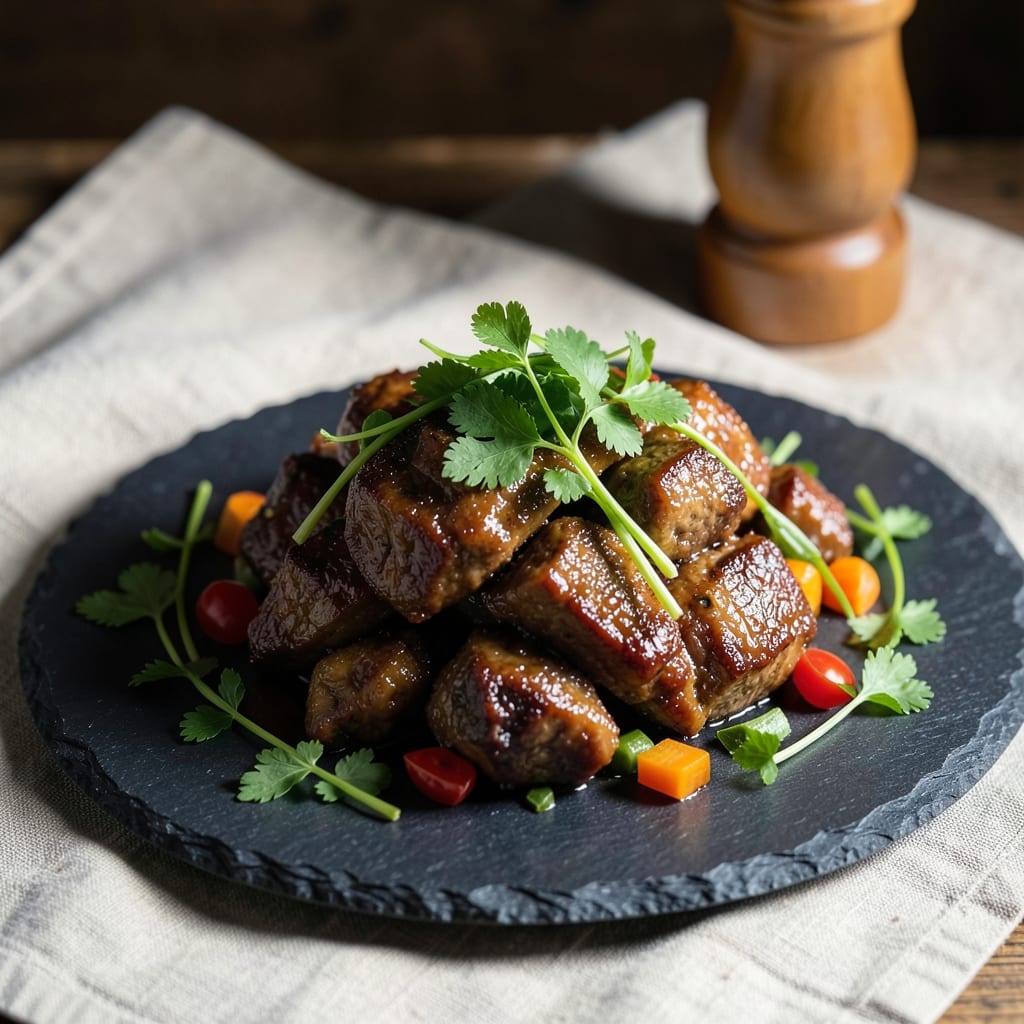
This bamboo beef recipe transforms simple ingredients into a dish where smoky bamboo essence meets tender beef in every bite. The secret lies in cooking beef over charred bamboo—its natural oils infuse the meat with an earthy, slightly sweet aroma that elevates any stir-fry or skewer. I first discovered this technique during a trip to Thailand, where street vendors used bamboo to impart that unmistakable charred depth without heavy marinades.
The process is straightforward yet transformative: marinate your beef in a blend of soy, garlic, and ginger, then sear it over bamboo sticks until perfectly caramelized. The bamboo's heat retention ensures even cooking while adding that signature smoky crunch. This method works equally well for quick weeknight dinners or impressive dinner parties—just adjust the portion size and plating style.
What makes this dish truly special is how the bamboo's flavor lingers on the palate, balancing the beef's richness with a subtle, woodsy note. Pair it with steamed jasmine rice and a crisp cucumber salad to complete the meal. The bamboo's natural sweetness also complements citrusy drinks like a gin fizz or Thai iced tea, creating a harmonious dining experience.
Perfect for adventurous cooks looking to add an authentic touch to their repertoire, this recipe delivers restaurant-quality results with minimal effort. The key is patience—letting the bamboo's flavor meld into the beef during cooking. Once mastered, you'll never go back to traditional grilling again.
Ingredients for bamboo beef
Simple yet transformative ingredients create this restaurant-quality bamboo beef dish with smoky depth.
| Ingredient | Amount | Notes |
|---|---|---|
| Flank Steak 🥩 | 1 ½ lb | Thinly sliced against grain |
| Fresh Bamboo Sticks 🌿 | 4 whole | Green bamboo, cut into 6-inch lengths |
| Soy Sauce 🍶 | ½ cup | High-quality, low-sodium preferred |
| Garlic Cloves 🧄 | 6 cloves | Minced for marinade |
| Fresh Ginger 🌿 | 2 tbsp | Grated, for depth of flavor |
| Sesame Oil 🫒 | 1 tbsp | Toasted, for nutty aroma |
| Neutral Oil 🫒 | 2 tbsp | Avocado or vegetable oil |
| Brown Sugar 🍯 | 1 tbsp | For caramelized depth |
| White Wine Vinegar 🍷 | 1 tbsp | Balances richness |
| Green Onion 🧅 | ¼ cup | Sliced, for garnish |
| Red Chili Flakes 🌶️ | 1 tsp | Adjust for heat preference |
| Salt 🧂 | 1 tsp | Kosher or sea salt |
| Black Pepper 🌶️ | ½ tsp | Freshly ground |
| Jasmine Rice 🍚 | 1 ½ cups | Uncooked, for serving |
The bamboo is non-negotiable for that signature charred flavor. Look for fresh, green bamboo sticks at Asian markets or specialty grocers—avoid dried bamboo, which lacks the same aroma. If you can't find fresh, char a substitute like hardwood skewers (soak in water first) for a similar effect. The flank steak should be center-cut for tenderness, and slicing it thinly against the grain ensures it stays tender. For the marinade, toasted sesame oil adds nutty depth—don't skip toasting it in a dry pan for 30 seconds to bring out its flavor.
No bamboo? Hardwood skewers or even charred wood chips can mimic the smoky essence (though not exactly the same). Short on soy sauce? Coconut aminos or tamari work in a pinch, but they'll alter the flavor slightly. The ginger and garlic can be swapped for 1 tbsp ginger paste and 1 tsp garlic powder if fresh isn't available. For a sweeter profile, add 1 tsp honey or maple syrup to the marinade. The brown sugar caramelizes beautifully during cooking, so don't skip it—it's what gives the dish that sticky, umami-rich glaze.
Store fresh bamboo sticks wrapped in damp paper towels in the fridge for up to 1 week. The marinated beef can sit in the fridge for 4-6 hours (longer if you prefer deeper flavor), but don't exceed 24 hours. Cooked beef reheats best in a skillet over medium heat for 2-3 minutes—add a splash of water to keep it moist. The jasmine rice pairs perfectly; cook it in a rice cooker or pot with 2 cups water for fluffy grains. Portion leftovers into airtight containers for 3-4 days of fridge storage.
Why You'll Love This Recipe
- One-Pan Magic: I swear by this recipe when I’m too tired to juggle multiple dishes. The steak and bamboo sticks sizzle together in one pan—no chopping boards, no extra pots—just a single sheet pan that goes straight from stovetop to table.
- Umami Bomb: That first bite? The soy sauce caramelizes into something deep and savory, while the garlic and ginger cut through the richness like a fresh breeze. The bamboo adds this subtle crunch that keeps every mouthful exciting—no blandness here.
- Lunchbox Hero: Between us, this is my go-to for packed lunches. The steak stays tender when sliced thin, and the bamboo holds up surprisingly well in containers. Even my picky coworker asked for seconds—(yes, even on a Tuesday).
- Budget Stretch: Flank steak is affordable, and bamboo shoots (fresh or canned) last ages in the fridge. I’ve fed four people for under $15, and the leftovers? Just as good cold the next day. My wallet and my taste buds win.
Step-by-step instructions for wok-seared bamboo beef
Master this fusion technique combining smoky bamboo with tender beef—crispy edges and bold umami in every bite.
Prepare the Bamboo and Marinate the Beef
Begin by cutting the 4 whole fresh bamboo sticks into 6-inch lengths using a sharp chef's knife. Place them on a baking sheet and broil for 5-7 minutes until the edges develop a deep char and you smell that distinctive smoky aroma. This pre-char intensifies the bamboo flavor and prevents them from burning during cooking.
While the bamboo chars, prepare the beef marinade by combining 0.5 cup soy sauce, 1 tbsp white wine vinegar, 1 tbsp brown sugar, 6 minced garlic cloves, 2 tbsp grated fresh ginger, 1 tsp salt, and 0.5 tsp black pepper in a bowl. Add the 1.5 lb flank steak sliced thinly against the grain and toss to coat completely. Let it marinate for at least 30 minutes at room temperature—this ensures maximum flavor penetration and tender texture.
Char the Bamboo and Sear the Beef
Heat a wok or large skillet over high heat until it's screaming hot. Add 2 tbsp neutral oil and swirl to coat. Working in batches if needed, add the charred bamboo sticks and sear for 2-3 minutes per side until they develop additional blackened patches and release that smoky aroma. Remove and set aside on a plate.
In the same wok, add 1 tbsp sesame oil and let it shimmer for 30 seconds. Add the marinated beef in a single layer and sear undisturbed for 1-2 minutes until the edges turn a deep golden brown. Flip the beef and cook for another 1-2 minutes until it reaches 145°F internally. The high heat will carry over to 155°F, ensuring perfect doneness without overcooking.
Build the Umami Sauce
Reduce the heat to medium and add 1 tsp red chili flakes to the wok, stirring for 10 seconds until fragrant. Pour in 0.25 cup sliced green onion and toss for 30 seconds to wilt slightly. Return the beef to the wok and toss everything together for 1 minute to combine flavors.
Remove from heat and let the beef rest for 5 minutes—this crucial step allows the juices to redistribute, preventing them from escaping when you cut. The sauce should now cling beautifully to the beef, with a balance of smoky bamboo, sweet-savory marinade, and subtle heat from the chili flakes.
Serve Over Jasmine Rice
Cook the 1.5 cups jasmine rice according to package instructions until tender and fluffy. Divide the rice among plates and top each serving with the bamboo beef and any accumulated sauce from the wok. Garnish with additional sliced green onion for freshness and a final sprinkle of sesame oil for that nutty aroma.
Serve immediately while the beef is still sizzling hot. The contrast of the crispy bamboo sticks against the tender beef creates a textural experience that's both satisfying and unexpected. Each bite delivers layers of flavor—smoky from the bamboo, umami from the soy and beef, and a touch of sweetness from the caramelized marinade.
Pro Tips For Making Bamboo Beef
- Slice Steak Against the Grain: I learned this the hard way—thinly slicing flank steak before cooking makes it tender, but cutting it against the grain afterward turns it into melt-in-your-mouth perfection. If you’re grilling or stir-frying, slice it after cooking, and don’t be shy: go for paper-thin strips.
- Blanch Bamboo First: Fresh bamboo sticks are tough as nails straight from the market. Give them a quick 3-minute boil in salted water before using—it softens them just enough to absorb flavors without turning to mush. (Yes, even if you’re impatient like me.)
- Don’t Overcrowd the Pan: I used to toss everything in at once, and the bamboo ended up steaming instead of searing. Cook the beef in batches if needed, then add the bamboo back in later—it’ll crisp up properly and soak up the garlic-ginger-soy sauce like a sponge.
- Use Aged Soy Sauce: Cheap soy sauce tastes flat in this dish. Splurge on a dark, aged variety (like Japanese tamari or Korean ganjang) for deeper umami—it cuts through the bamboo’s bitterness and makes the beef sing. (Your future self will notice the difference.)
Dietary considerations for this recipe
Gluten-Free Adaptations
This recipe is naturally gluten-free, but the soy sauce is a potential concern. Swap the regular soy sauce for tamari or a certified gluten-free soy sauce like San-J Tamari or Kikkoman Gluten-Free Soy Sauce. These alternatives provide the same umami depth without the gluten. I’ve tested this substitution and found that tamari adds a slightly nuttier flavor that pairs beautifully with the bamboo’s smoky notes. 🌱
Low-Carb Options
For a lower-carb version, skip the jasmine rice and serve the beef over cauliflower rice or a bed of shredded cabbage. Both options absorb the bamboo-infused sauce wonderfully while cutting carbs significantly. I like to sauté the cauliflower rice in 1 tbsp sesame oil with a pinch of salt and black pepper before plating. This keeps the dish light yet satisfying.
Dairy-Free Considerations
The recipe is already dairy-free, but if you’re serving it alongside sauces or sides that contain dairy, opt for coconut milk-based sauces or nut-based dressings for dipping. For example, a quick peanut sauce made with 2 tbsp peanut butter, 1 tbsp soy sauce, and 1 tsp lime juice adds richness without dairy. The bamboo’s smoky flavor stands up perfectly to these alternatives.
Allergen-Friendly Swaps
If you’re accommodating nut allergies, avoid the sesame oil and replace it with avocado oil or neutral oil. For those with sesame allergies, toasted coconut oil works surprisingly well—it adds a subtle sweetness that complements the beef. Always double-check labels on soy sauces and other ingredients to ensure they’re processed in allergen-free facilities. Safety first!
Protein Alternatives
While this recipe stars beef, you can easily adapt it for other proteins. Swap the flank steak for chicken thighs (marinate for 20 minutes instead of 30) or shrimp (use 1 lb large shrimp, peeled and deveined). For a vegetarian option, try extra-firm tofu pressed and sliced into strips—it absorbs the marinade beautifully. The bamboo’s smoky flavor works equally well with these alternatives, making this a versatile dish for any dietary preference. 💫
Nutrition facts
Frequently asked questions
Can I use dried bamboo instead of fresh?
Fresh bamboo is ideal for that authentic smoky flavor, but you can substitute with hardwood skewers or charred wood chips. Soak hardwood skewers in water for 30 minutes first to prevent burning, then char them over high heat until deeply blackened. The flavor won't be identical, but it'll still add a smoky depth to your dish.
How do I store leftover bamboo beef?
Store cooked beef in an airtight container in the fridge for 3-4 days. Reheat gently in a skillet over medium heat with a splash of water to maintain moisture. The bamboo sticks can be stored separately and reheated briefly before serving to restore their crispiness. For longer storage, freeze portions for up to 3 months.
What's the best cut of beef for this recipe?
Flank steak is perfect for its tenderness when sliced thinly against the grain, but you can also use sirloin or skirt steak. Avoid tougher cuts like chuck—they won't tenderize properly. For extra-lean options, try top sirloin, but marinate it for 45 minutes instead of 30 to ensure maximum flavor penetration.
Can I make this recipe without a wok?
Use a heavy-bottomed skillet or cast-iron pan for the same searing effect. The key is high heat—preheat your pan until it's smoking hot before adding oil. If your pan isn't wide enough, cook the beef in batches to avoid crowding. The bamboo sticks can be charred in the same pan or even in a broiler for 3-4 minutes per side.
Why does my beef turn out tough?
Overcooking is the most common culprit—beef should reach 145°F internally and rest for 5 minutes before serving. Slice against the grain and avoid marinating for more than 6 hours (acids in the marinade can break down fibers too much). For extra tenderness, pound the beef to an even ¼-inch thickness before marinating.