
Soups & Stews
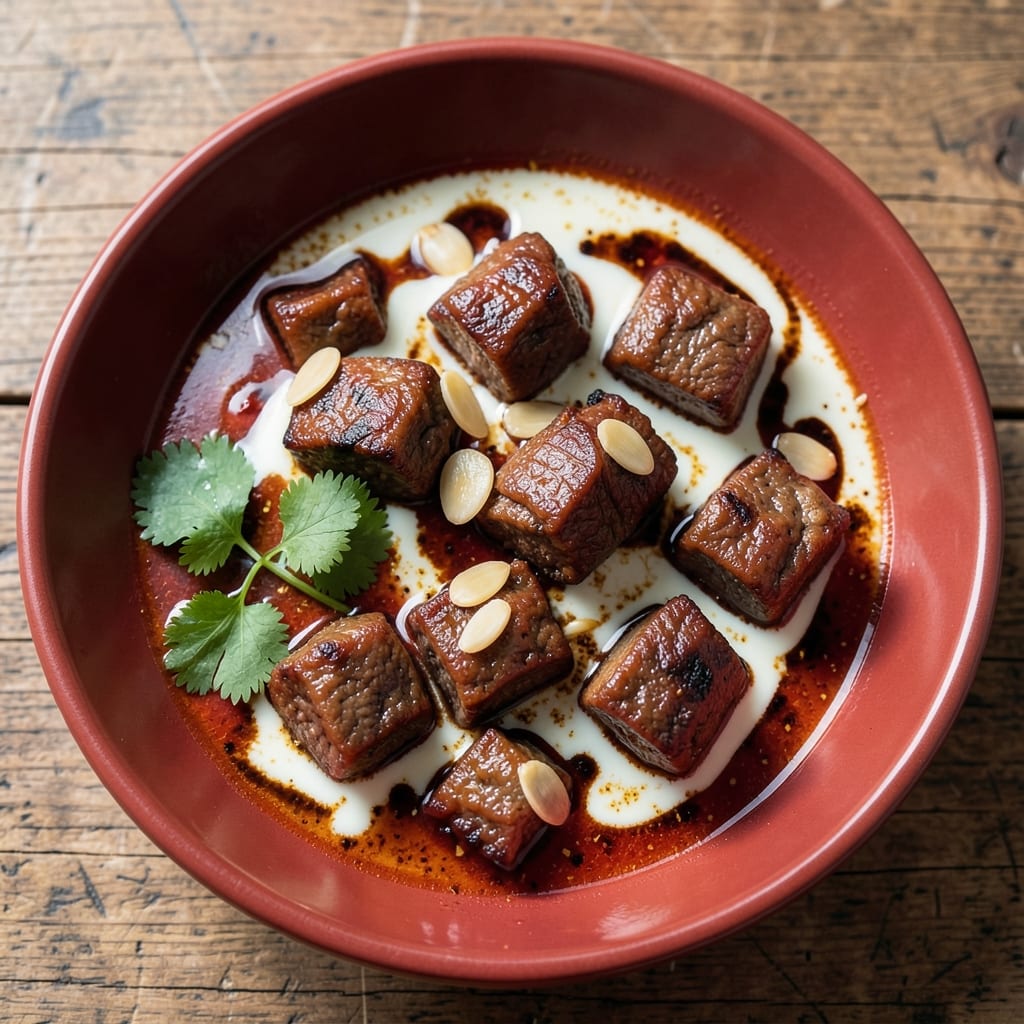
This Bangladeshi Chinese beef chili recipe merges two bold culinary traditions into one fiery, aromatic masterpiece—where Chinese chili paste meets Bangladeshi tamarind and panch phoron for a sauce that’s both complex and deeply satisfying. The secret lies in the fusion: tender beef marinated in soy and garlic, then slow-cooked with coconut milk and tamarind until the flavors meld into a velvety, spicy-sweet harmony. What sets this apart is the balance—Chinese heat tempered by Bangladeshi tang, creating a dish that’s addictive in every bite.
The process starts with a two-stage marinade: first, a savory Chinese-inspired blend of soy sauce, ginger, and garlic; then, a spice rub of panch phoron, cumin, and chili powder to build depth. The beef cooks low and slow, absorbing the flavors of coconut milk, tamarind, and a touch of brown sugar, which caramelizes into a sticky, aromatic glaze. Unlike traditional chili recipes, this version uses a wok-hei technique (or clay-pot braising) to infuse smoky notes, making it taste like it was simmered for hours—even if you’re short on time.
By the end, you’ll have a rich, deeply spiced beef chili with tender meat that practically falls apart and a sauce that’s perfectly balanced—spicy, sweet, and tangy all at once. The coconut tamarind fusion adds a layer of complexity that’s rare in home cooking, while the panch phoron brings that unmistakable Bangladeshi warmth. Serve it over steamed jasmine rice or with fluffy naan to soak up every last drop of that irresistible sauce.
This isn’t just another chili recipe—it’s a fusion breakthrough that proves two distinct cuisines can come together in a way that’s greater than the sum of its parts. The technique is straightforward, but the result is anything but ordinary. Let’s get cooking.
Ingredients for bangladeshi chinese beef chili
The fusion begins with these bold ingredients—where Chinese chili paste meets Bangladeshi tamarind and panch phoron for a sauce that's both fiery and velvety.
| Ingredient | Amount | Notes |
|---|---|---|
| Beef Chuck Roast 🥩 | 2 lb | Pre-cubed or cut into 1.5-inch pieces |
| Soy Sauce 🍶 | ½ cup | High-quality, preferably Japanese |
| Garlic Cloves 🧄 | 8 cloves | Minced for marinade |
| Coconut Milk 🥥 | 1 can | Full-fat, 13.5 oz can |
| Tamarind Paste 🍈 | ¼ cup | Unadulterated, thick consistency |
| Panch Phoron 🌶️ | 1 tbsp | Traditional Bengali spice blend |
| Ground Cumin 🌿 | 1 tbsp | Toasted for deeper flavor |
| Chili Powder 🔥 | 1 ½ tbsp | Medium heat preferred |
| Fresh Ginger 🧅 | 2 tbsp | Grated, freshly |
| Brown Sugar 🍯 | 2 tbsp | Light or dark |
| Chinese Chili Paste 🌶️ | 2 tbsp | Lao Gan Ma or equivalent |
| Jasmine Rice 🍚 | 1 ½ cups | Uncooked, long-grain |
| Olive Oil 🫒 | 2 tbsp | For searing |
| Salt 🧂 | 1 ½ tsp | Kosher or sea salt |
| Black Pepper 🌶️ | ½ tsp | Freshly ground |
Panch phoron is the heart of this dish—look for it in Indian or Bangladeshi markets, or make your own blend of fenugreek, mustard, cumin, coriander, and nigella seeds. For the beef, chuck roast is ideal—its fat content keeps it tender during the long braise. If you can't find tamarind paste, substitute 0.25 cup tamarind pulp (soaked and strained), though the texture will differ slightly. The coconut milk should be full-fat for maximum richness, and Thai Kitchen or Aroy-D brand are reliable choices. Fresh ginger and garlic are non-negotiable here—they form the aromatic base that carries through the entire dish.
No panch phoron? Create your own blend with equal parts fenugreek seeds, nigella seeds, mustard seeds, cumin seeds, and coriander seeds. Short on tamarind? Lime juice with a pinch of sugar mimics the tang, though it won't have the same depth. The Chinese chili paste can be swapped for Sichuan chili bean paste if you prefer a deeper umami profile. For the brown sugar, demerara or turbinado adds subtle caramel notes, but regular brown sugar works perfectly fine. If you're using pre-cubed beef, pat it dry before marinating to ensure better browning. The soy sauce should be light or dark—your choice, but avoid reduced varieties.
This dish tastes even better the next day as the flavors meld. Store the chili in an airtight container in the fridge for up to 5 days, or freeze for 3 months—portion into single servings for easy reheating. The rice should be cooked separately and kept warm in a rice cooker or covered pot. For serving, garnish with fresh cilantro if available, and offer extra tamarind paste on the side for those who want more tang. The sauce thickens as it cools, so add a splash of water or coconut milk when reheating if it becomes too stiff.
Why You'll Love This Recipe
- One-Pot Magic: I swear by this recipe when I’m too tired to wash a million dishes. The beef chucks away in the same pot where the sauce simmers—just stir, taste, repeat. No fancy tools, no stress.
- Tamarind Tang Twist: That tamarind paste? It’s the secret weapon. Sweet, sour, and just a little funky—it cuts through the richness of the coconut milk like a knife. Honestly, the balance is what makes it ridiculously good.
- Leftover Hero: This dish tastes even better the next day. I make a double batch on Sundays because reheating it with a splash of water brings back that tender, saucy perfection. My kids fight over the leftovers—yes, even on a Tuesday night.
- Budget Stretch: Beef chuck roast is affordable, and the flavors stretch across multiple meals. A pound feeds four, and the sauce only needs a few extra minutes to thicken. Between us, this is my go-to when I need to feed a crowd without breaking the bank.
Step-by-step instructions for Bangladeshi Chinese beef chili
Master this bold fusion dish where rich coconut milk meets tangy tamarind and aromatic spices.
Prepare the Beef Marinade and Sear
In a large bowl, combine the 2 lb Beef Chuck Roast cut into 1.5-inch pieces, 0.5 cup Soy Sauce, 8 cloves Garlic Cloves minced, 2 tbsp Fresh Ginger grated, 1 tbsp Panch Phoron, 1 tbsp Ground Cumin, 1.5 tbsp Chili Powder, 2 tbsp Chinese Chili Paste, 2 tbsp Brown Sugar, 1.5 tsp Salt, and 0.5 tsp Black Pepper. Mix thoroughly until the beef is evenly coated and let marinate for at least 30 minutes—this ensures deep flavor penetration.
Heat 2 tbsp Olive Oil in a heavy Dutch oven over medium-high heat. Working in batches to avoid crowding, sear the marinated beef until deep golden brown on all sides, about 3-4 minutes per batch. This step develops the Maillard reaction, creating that irresistible caramelized crust. Transfer the seared beef to a plate and set aside.
Build the Spiced Coconut-Tamarind Base
In the same Dutch oven, reduce heat to medium and add 1 can Coconut Milk. Let it simmer for 5 minutes to infuse the pot with its creamy aroma. Stir in 0.25 cup Tamarind Paste, breaking it into small pieces to dissolve completely—this creates the signature tangy backbone of the dish. Add the seared beef back into the pot and bring everything to a gentle simmer.
Cover and let it cook for 45 minutes on low heat, stirring occasionally. You'll notice the beef gradually tenderizes and absorbs the complex flavors. The sauce should thicken slightly, coating the beef in a glossy, aromatic layer. If the sauce reduces too quickly, add ¼ cup water to maintain the right consistency.
Simmer to Perfect Tenderization
After 45 minutes, uncover the pot and increase heat to medium-high. Let the sauce reduce for an additional 15-20 minutes, stirring frequently, until it reaches a thick, syrupy consistency that clings beautifully to the beef. The beef should be fork-tender, with no resistance when pierced. Taste and adjust seasoning—add more salt if needed or a touch of soy sauce for umami depth.
This reduction step is crucial—it concentrates the flavors and creates that signature glossy finish. The beef should be falling apart slightly at the edges while remaining juicy in the center. If the sauce becomes too thick too quickly, add 2 tablespoons water at a time until you reach the desired consistency.
Prepare and Serve with Jasmine Rice
While the beef chili simmers, prepare the 1.5 cups Jasmine Rice according to package instructions for perfect fluffy grains. The rice should be cooked to al dente texture—slightly firm in the center when bitten. Spread the rice on a large serving platter and create a well in the center.
Carefully ladle the beef chili into the well, arranging the beef pieces attractively. Garnish with additional minced garlic cloves and freshly cracked black pepper for visual appeal and extra flavor. Serve immediately while the rice is hot, allowing diners to mix the rice with the chili for each bite. The contrast of the fragrant rice with the rich, spicy chili creates an unforgettable dining experience.
Pro Tips For Making Bangladeshi Chinese Beef Chili
- SEAR THE BEEF FIRST: After cutting the beef chuck into chunks, hit the pan with high heat—no rushing. Let those edges turn deep brown before anything else goes in. I learned this the hard way: skipping the sear means a dish that tastes more like stewed beef than the rich, caramelized flavor you want in this chili. ---
- MINCE THAT GARLIC: Don’t just chop those garlic cloves—smash them with the flat side of your knife first, then mince. This releases more flavor into the oil, and trust me, you’ll taste the difference when it fuses with the soy and tamarind. (Yes, even if you’re impatient like me.) ---
- SIMMER LOW AND LONG: This isn’t a race. After adding the coconut milk, drop the heat to a bare simmer and let it cook for at least 45 minutes. The beef needs time to break down, and the sauce needs to thicken—rushing it just makes everything mushy. ---
- BALANCE THE TAMARIND: Tamarind paste is sour, and a little goes a long way. Start with 1 tablespoon, taste, then adjust. If it’s too sharp, a pinch of sugar or a splash of soy sauce can round it out. I skip this step sometimes, and the dish ends up one-note.
Wine and beer pairings for this bangladeshi chinese beef chili
Fiery Fusion Wines
The bold, spicy-sweet profile of this chili pairs beautifully with off-dry Riesling from Germany’s Mosel region—its honeyed fruit and mineral notes stand up to the tamarind’s tang while the slight sweetness balances the heat. I love Dr. Loosen Blue Slate or Erbslöh Blue Slate for their vibrant acidity and complex finish. Alternatively, a Gewürztraminer from Alsace brings lychee and rose aromas that complement the coconut milk’s richness. 🍷
Asian-Inspired Beer Pairings
For beer lovers, a crisp Japanese lager like Asahi Super Dry or Sapporo Premium cuts through the richness without competing. The clean, slightly sweet profile enhances the dish’s umami and tamarind flavors. If you prefer something hoppier, try a Saison-style beer—like Allagash White—its peppery, citrusy notes mirror the chili’s complexity while keeping the palate fresh.
Unexpected Malt Whiskey
Believe it or not, a smooth bourbon or rye whiskey works surprisingly well with this fusion dish. The caramel and vanilla notes in Woodford Reserve or Bulleit Rye harmonize with the brown sugar and tamarind, while the whiskey’s warmth softens the chili’s heat. Sip it neat or on the rocks to let the flavors meld—it’s a game-changer for a hearty meal. 🥃
Tropical Fruit Cocktails
For a refreshing non-alcoholic option, blend mango-limeade with a splash of coconut water—the tropical sweetness contrasts perfectly with the dish’s spicy depth. Add a pinch of chili powder to the rim of your glass for an extra kick. This drink not only complements the flavors but also echoes the dish’s fusion spirit.
Spiced Tea Elevation
Finish the meal with masala chai infused with a touch of cardamom and cinnamon—the warm spices echo the panch phoron in the chili while the tea’s tannins cleanse the palate. For a cold version, try hibiscus iced tea with a squeeze of lime, which brightens the richness of the coconut-tamarind sauce. 🍵
Nutrition facts
Frequently asked questions
What makes this recipe different from regular Chinese beef chili?
This fusion dish blends Bangladeshi flavors like panch phoron and tamarind with Chinese techniques—think soy-chili balance and coconut milk richness. The tamarind adds tangy depth while panch phoron brings that signature Bangladeshi warmth, creating a sauce that's both spicy and velvety.
Can I substitute beef with another protein?
Yes! For a quicker version, use pork shoulder (cook 20 minutes less) or chicken thighs (reduce marinade time to 15 minutes). Avoid lean cuts like breast—they dry out. For vegetarian, swap beef for extra-firm tofu (press and cube) and increase chili paste by 1 tbsp for bold flavor.
How do I adjust the spice level for sensitive palates?
Reduce chili powder to 1 tsp and omit half the Chinese chili paste. For heat lovers, add ½ tsp cayenne or extra chili flakes. Always taste the sauce before serving—you can always add more spice, but you can't remove it!
Why does my sauce turn out too thin?
This happens if you don't reduce the sauce long enough. After 45 minutes of simmering, uncover the pot and cook on medium-high heat for 15-20 minutes more, stirring often. If it's still too thin, simmer uncovered for another 5-10 minutes—the evaporation will thicken it naturally. Avoid adding cornstarch (it alters the dish's authentic texture).
Can I make this in a slow cooker?
Brown the beef first, then transfer everything to a 6-quart slow cooker. Cook on LOW for 6-7 hours or HIGH for 3-4 hours. The slow cooker's gentle heat enhances tenderness without overcooking. Skip the final reduction step—just serve as-is for a hands-off version.