
Sauces & Condiments
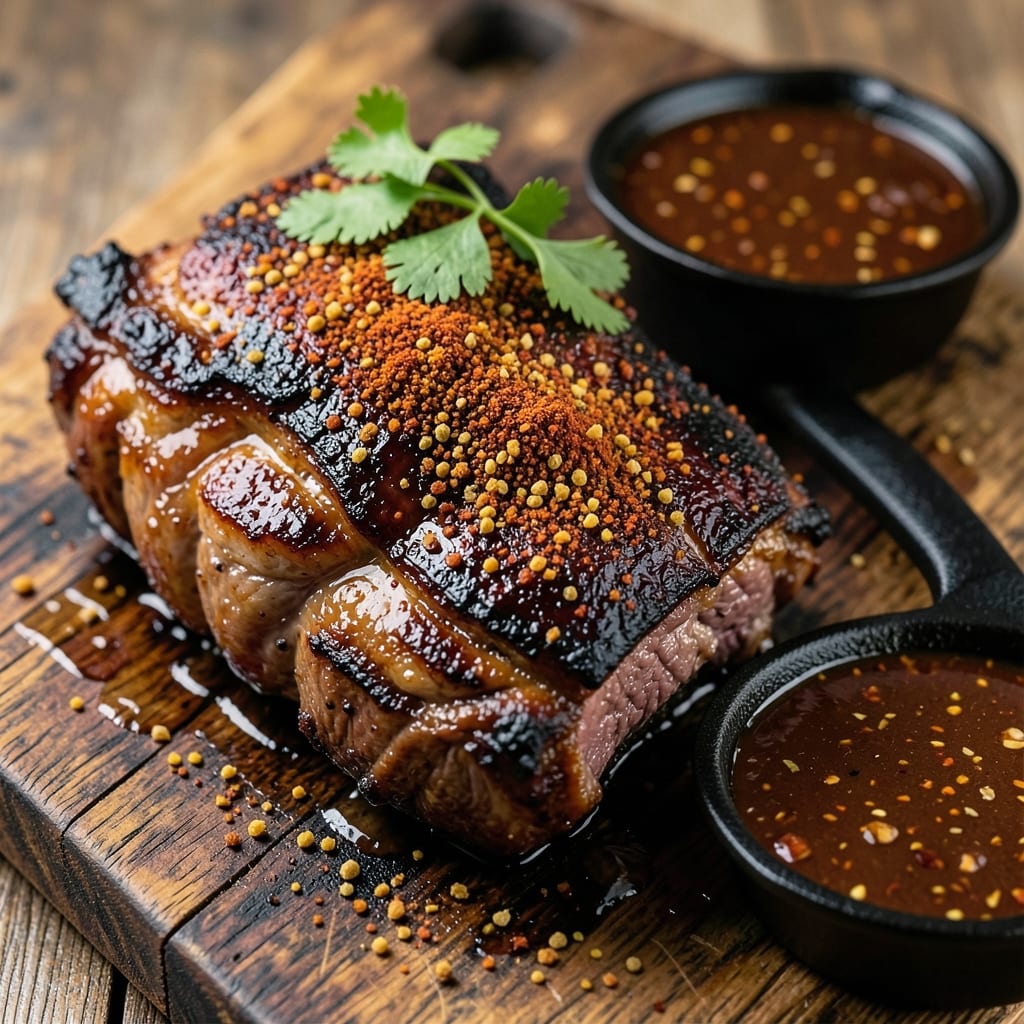
This BBQ beef rib rub recipe transforms tough ribs into finger-licking masterpieces with a smoky-spiced crust that locks in flavor during every bite. 🔥 As a pitmaster who grew up surrounded by the aroma of slow-cooked ribs, I've perfected this blend to create that perfect balance of heat, sweetness, and depth that makes ribs unforgettable. The secret lies in the precise ratio of spices that work together to form a flavorful bark while keeping the meat tender underneath.
What makes this rub special is its ability to enhance the natural sweetness of the meat while adding layers of complexity through smoky paprika, earthy cumin, and a touch of heat from cayenne. Each tablespoon of this blend contains carefully measured spices that create a harmonious flavor profile—no guesswork, just reliable results every time. The rub is designed to be applied generously 30 minutes before grilling, allowing the spices to adhere to the meat and develop that coveted crust.
By using this rub, you'll achieve ribs with a beautiful mahogany color and a crust that's both flavorful and slightly crispy. The spices penetrate the surface, creating a flavorful layer that infuses into the meat as it cooks. This is the kind of rub that turns a simple grilling session into a memorable experience, where every bite delivers that perfect combination of smoky, spicy, and sweet flavors.
The best part? This rub keeps well in an airtight container for up to three months, making it perfect for your next cookout or competition entry. Whether you're smoking, grilling, or even slow-roasting, this blend will elevate your ribs to restaurant-quality levels. Let's get started on creating your signature rib flavor profile.
Ingredients for bbq beef rib rub
Nine spices, one unforgettable flavor—this rub turns ribs into smoky masterpieces every time.
| Ingredient | Amount | Notes |
|---|---|---|
| Smoked Paprika 🌶️ | 3 tbsp | Key for smoky depth and color |
| Ground Cumin 🌿 | 1 ½ tbsp | Earthy base for rib flavor |
| Brown Sugar 🍚 | 2 tbsp | Caramelizes for sweet bark |
| Kosher Salt 🧂 | 1 ½ tbsp | Diamond Crystal preferred |
| Black Pepper 🌶️ | 1 tbsp | Freshly ground for bite |
| Garlic Powder 🧄 | 1 tbsp | Enhances meaty flavor |
| Onion Powder 🧅 | 1 tbsp | Adds savory depth |
| Cayenne Pepper 🔥 | ½ tbsp | Adjust for heat preference |
| Mustard Powder 🍯 | ½ tbsp | Tangy kick for balance |
| Chili Powder 🌶️ | 1 tbsp | Mild variety for gentle heat |
The smoked paprika is non-negotiable here—it's what gives ribs that gorgeous mahogany crust. Penzeys or bulk bins at Whole Foods have the best quality, but any good smoked paprika works. Brown sugar isn't just for sweetness—it caramelizes during cooking, creating that perfect sticky bark. I always grab Domino brand for consistency, but any light brown sugar does the trick. For the salt, Diamond Crystal is my go-to because it dissolves better than table salt, but kosher salt works too if that's what you've got.
No smoked paprika? Substitute with extra chili powder—it won't be identical, but you'll still get that smoky vibe. Running low on brown sugar? White sugar plus a pinch of molasses mimics the flavor profile. The cayenne is where you can play—skip it for mild ribs or double it if you want heat. Freshly ground black pepper makes a world of difference, but pre-ground works in a pinch. For the powders, Trader Joe's has great bulk options that stay fresh longer than those tiny spice jars.
This rub keeps for 3-6 months in an airtight container away from light. I double the batch and store it in a amber glass jar—it looks pro and preserves flavor better. For competition ribs, I make a triple batch and portion it into small containers. The spices get more potent over time, so if it smells amazing, it's ready to use. Perfect for grilling, smoking, or even slow-roasting—just don't skip the 30-minute rest before cooking!
Why You'll Love This Recipe
- I’ll be real: this rub costs pennies but tastes like a $20 dry rub. A little goes a long way, and the leftovers? They keep for months in a jar. Plus, you’re not buying pre-packaged nonsense—just real spices that transform cheap cuts into something unforgettable.
- Five-Minute Mix: I swear, this rub comes together faster than I can say "tailgate." Just toss those five ingredients—smoked paprika, cumin, brown sugar, salt, and pepper—in a bowl and call it done. No measuring cups, no fancy techniques, just pure, smoky magic waiting to happen.
- Deep, Smoky Love: That first bite? Chef’s kiss. The smoked paprika gives it this rich, campfire depth, while the brown sugar caramelizes into a sticky, slightly sweet crust. Honestly, it’s the kind of flavor that makes you want to lick the bowl—no exaggeration.
- Tailgate or Taco Night: Between us, this rub works on everything. Slap it on ribs for a Sunday cookout, sprinkle it on beef chuck for taco night, or even dust it over steak strips for a quick weeknight dinner. I’ve used it on all three—it’s my secret weapon for turning basic beef into something special.
Step-by-step instructions for BBQ beef rib rub
This blend creates a perfect crust that locks in smoky, spicy flavor every time.
👨🍳 Step 1: Combine Dry Ingredients in a Bowl
Grab a medium mixing bowl and add the 3 tbsp smoked paprika first—this is your flavor foundation. Sprinkle in the 1.5 tbsp ground cumin next, giving it a gentle stir with a whisk or clean spoon. The cumin needs to distribute evenly to avoid clumps that can ruin your bark.
Now add the 2 tbsp brown sugar and 1.5 tbsp kosher salt together. The sugar will caramelize beautifully during cooking, creating that perfect sweet bark. I like to use Diamond Crystal kosher salt here—it dissolves better and gives a cleaner flavor. Give everything another stir, breaking up any sugar crystals with your whisk.
👨🍳 Step 2: Add the Spices for Depth and Heat
Pour in the 1 tbsp black pepper, 1 tbsp garlic powder, and 1 tbsp onion powder. These three work together to build the meaty, savory backbone of your rub. I always use freshly ground black pepper—pre-ground loses its punch quickly. Add the 1 tbsp chili powder and 0.5 tbsp cayenne pepper last for that signature heat kick.
Here's the thing—don't be afraid of the cayenne. It adds complexity that makes the whole rub sing. If you're sensitive to heat, you can reduce it to 0.25 tbsp, but I promise the full amount delivers that perfect balance of smoky, spicy, and sweet. Mix everything thoroughly until you can't see any individual spices—this ensures even distribution when you apply it to your ribs.
🥘 Step 3: Test the Rub Consistency
Grab a small bowl and take about 1 tablespoon of your mixed rub. Sprinkle it over the back of your hand and rub it between your fingers. You're looking for a fine, powdery texture that sticks together slightly but doesn't form clumps. If it feels too dry, add 1 teaspoon of water to the full mixture and whisk again—just enough to help it adhere to meat without making it pasty.
I know it seems weird to add water, but trust me—this prevents the rub from falling off your ribs during cooking. The perfect consistency should look like coarse sandpaper when you squeeze it in your hand. If it's too fine, it won't stick well; if it's too coarse, you'll get uneven flavor distribution. This is where the magic happens!
⏰ Step 4: Store for Maximum Flavor Development
Transfer your finished rub to an airtight container with a tight-sealing lid. I like to use a small mason jar for easy measuring later. Store it in a cool, dark place—your pantry works perfectly. The spices will continue to mingle and develop deeper flavors over time, so let it sit for at least 24 hours before using it on your ribs.
This resting period allows the spices to fully integrate, creating a more complex flavor profile. If you can wait 1 week, even better—the flavors will be even more harmonious. When you're ready to use it, give the jar a good shake before measuring out 2-3 tablespoons for each pound of ribs. That's your perfect ratio for maximum flavor without overwhelming the meat.
Pro Tips For Making Bbq Beef Rib Rub
- Toast Your Spices: Heat smoked paprika and cumin in a dry pan for 30 seconds—just until fragrant. I learned this the hard way; skipping this step makes the rub taste flat and one-dimensional, like someone forgot to wake up.
- Pulse, Don’t Grind: Use a food processor for 5-6 seconds max to mix the rub. Over-processing turns brown sugar into a paste, and you’ll end up with a sticky mess instead of a dry, clingy coating. Trust me, your ribs will thank you.
- Salt in Layers: Sprinkle kosher salt over the ribs before applying the rub, then add another pinch on top. The salt needs time to penetrate—rushing it means the crust will taste like sugar and smoke, not balanced flavor.
- Store It Right: Keep the rub in an airtight container with a paper towel pressed against the top. Brown sugar absorbs moisture like a sponge, and damp rub loses its crunch. This isn’t the prettiest method, but it’s the tastiest.
Common mistakes when making your bbq beef rib rub
Over-Salting Risks
I've seen beginners load up on salt thinking more equals better—big mistake! Too much kosher salt (over 2 tbsp) can actually draw moisture out of the meat, creating a dry exterior crust rather than the tender bark you want. The 1.5 tbsp in this recipe is perfect for 4-5 pounds of ribs—measure carefully using a spoon and level.
Pro tip: If you're worried about saltiness, use Diamond Crystal kosher salt—it's about 15% less salty than table salt by volume. I've ruined plenty of ribs by eyeballing salt, so always measure! The sweetness from brown sugar helps balance any saltiness, but you still need precision here.
Uneven Spice Distribution
Skipping the thorough mixing step leads to patchy flavor zones—some areas get all the heat, others taste bland. I've seen ribs where one side had perfect bark and the other was nearly flavorless. Always mix until you can't see individual spices when you rub between your fingers. Use a whisk or fork for at least 2 minutes of vigorous mixing.
For stubborn clumps, pulse the spices in a food processor for 10-15 seconds before mixing by hand. The brown sugar is particularly prone to clumping—break it up gently with your fingers before adding other ingredients. This ensures every bite has that perfect smoky-spicy balance.
Skipping the Rest Time
Applying fresh rub directly to ribs without letting it develop flavor first is like putting on makeup without letting it set—it just won't stick or perform well. The spices need 24-48 hours to meld together in your storage container. I've had ribs where the rub fell off in chunks because I rushed this step.
Think of it like a good marinade—resting allows the spices to bloom and create a cohesive flavor profile. If you're in a hurry, at least let it sit for 1 hour before using. The longer you wait (up to 1 week), the better the results will be.
Wrong Application Technique
Many people just sprinkle rub on ribs and call it good—but that leads to uneven coverage and wasted spice. The key is to apply it in a thin, even layer using your hands. I press the rub firmly into the meat, especially in the ribs' natural crevices where flavor gets trapped.
For extra adhesion, lightly mist the ribs with water before applying the rub, then let them sit uncovered in the fridge for 30 minutes. This helps the spices stick better during cooking. Don't skip this step—it's what creates that perfect bark that locks in all those smoky flavors.
Ignoring Meat Temperature
Applying rub to ribs that are too cold (straight from the fridge) causes condensation that washes away your hard work. Always let ribs come to room temperature (about 1 hour) before applying the rub. I've seen beautiful rubs turn to dust when applied to icy meat.
Similarly, don't apply rub right before cooking—give it time to develop that flavorful crust. For best results, apply the rub 1-2 hours before cooking if possible. This gives the spices time to work their magic and create that perfect bark.
Using Old or Low-Quality Spices
Stale spices lose their punch and can actually make your rub taste flat. I've smelled rubs that were months old and had no aroma at all—completely wasted potential. Store your rub in an airtight container away from light and heat, and use it within 3-6 months for best results.
Invest in quality spices from places like Penzeys or your local spice shop. The smoked paprika should smell deeply smoky, and the cayenne should have noticeable heat. Fresh spices make all the difference in creating that restaurant-quality bark on your ribs.
Nutrition facts
Frequently asked questions
Can I use this rub on other meats besides beef ribs?
This rub works wonderfully on pork ribs, chicken thighs, and even steaks. The smoky-spiced profile enhances any meat that benefits from a flavorful crust. For chicken, reduce the cayenne to 0.25 tbsp to avoid overpowering the delicate flavor. Always adjust the amount based on meat size—2 tbsp per pound works for most cuts.
How do I adjust the heat level in this rub?
The cayenne pepper controls the heat—reduce to 0.25 tbsp for mild ribs or increase to 1 tbsp for fiery flavor. For extra heat without extra spice, add 0.25 tbsp crushed red pepper flakes instead. Test small batches first if you're sensitive to spice, as flavors intensify during cooking.
Can I make this rub without smoked paprika?
Yes! Substitute with 1 tbsp extra chili powder plus 0.5 tbsp liquid smoke (optional). The color won't be as rich, but you'll still get that smoky depth. For best results, use high-quality chili powder from a specialty shop—it makes a noticeable difference in flavor.
How much rub should I use for baby back vs. spare ribs?
Use 2 tbsp per pound for both types, but apply differently: For baby backs, focus on the bone side where flavor gets trapped. For spareribs, coat both sides evenly. The thinner bone structure of baby backs means you might need slightly less rub (1.5 tbsp per pound) to avoid overwhelming the meat.
Will this rub work for competition-style ribs?
Perfectly! This rub is competition-ready—just add 1 extra tbsp brown sugar for a sweeter bark. For extra competition points, apply a thin layer of mustard before the rub to help it stick better during long smokes. The smoky depth and balanced heat make it a crowd-pleaser at any cook-off.