
Sauces & Condiments
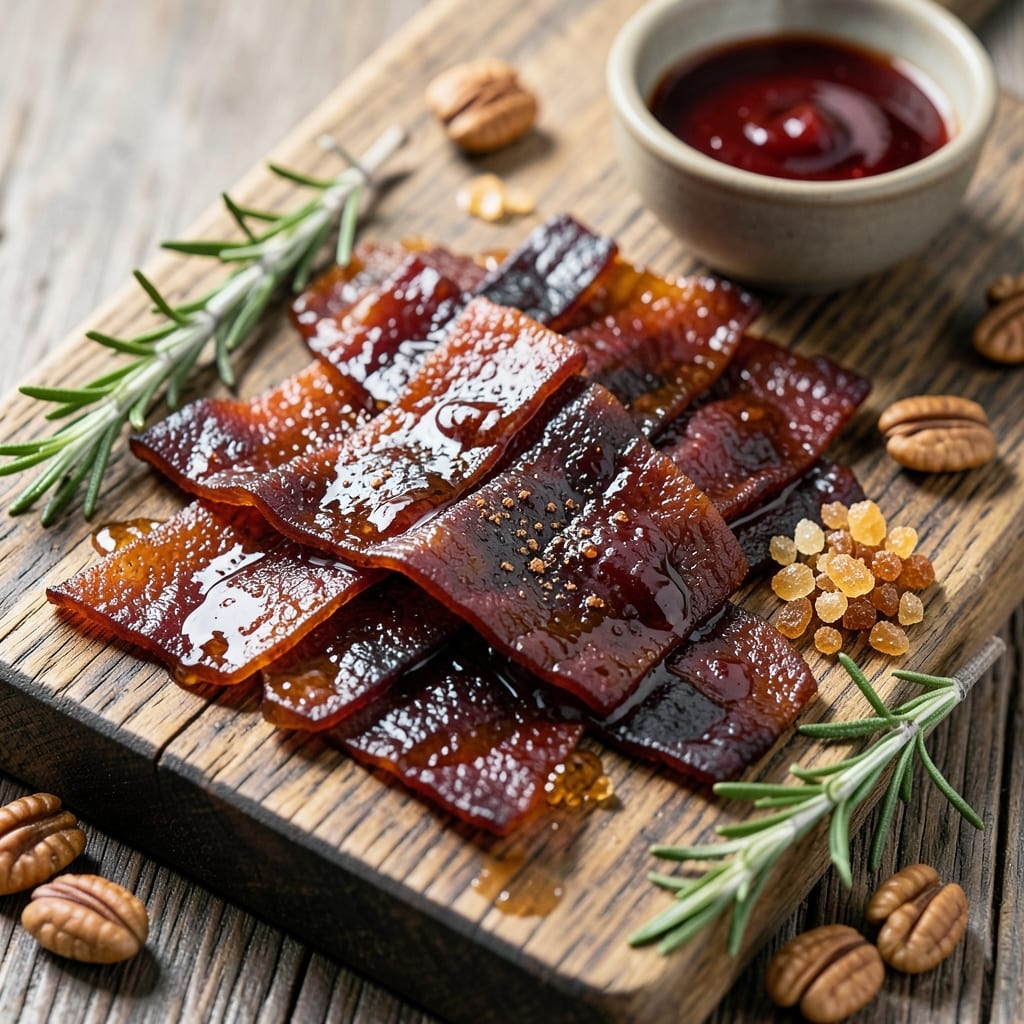
This BBQ sauce beef jerky recipe transforms tough cuts into chewy, smoky-sweet bites that pack a flavor punch. 🔥 My years of pitmaster experience taught me that the right marinade and slow drying create restaurant-quality jerky at home. The secret? A balanced blend of BBQ sauce, spices, and proper curing time to ensure safety and maximum flavor extraction.
We start with lean beef slices marinated in a tangy-sweet BBQ mixture that infuses deep into the meat. The key is controlling salt content while maintaining moisture—too much salt can dry out the jerky, while too little risks spoilage. I've perfected a marinade that works in just 24 hours, with optional smoking for that authentic campfire aroma.
The drying process is where patience pays off. Using a dehydrator or smokehouse at 160°F ensures even drying without losing that perfect chewy texture. The result? Jerky with a glossy finish, intense BBQ flavor, and a satisfying snap that makes every bite worth the wait.
Whether you're prepping for a camping trip or craving a protein-packed snack, this method delivers jerky that rivals store-bought—without the preservatives. The best part? You can customize the BBQ sauce to your favorite style, from classic Kansas City to bold Carolina heat.
Ingredients for bbq sauce beef jerky
Lean beef, tangy BBQ sauce, and a few key spices transform into restaurant-quality jerky bites.
| Ingredient | Amount | Notes |
|---|---|---|
| Lean Beef Top Round 🥩 | 1 ½ lb | Thinly sliced, 1/4-inch thick |
| Store-Bought BBQ Sauce 🍅 | 1 cup | Kansas City or Carolina style preferred |
| Light Brown Sugar 🍚 | ½ cup | Packed, for moisture balance |
| Worcestershire Sauce 🍶 | 1 tbsp | For umami depth |
| Apple Cider Vinegar 🍏 | 2 tbsp | Brightens flavors |
| Smoked Paprika 🌶️ | 1 tbsp | For authentic BBQ smokiness |
| Ground Black Pepper 🌶️ | 1 tsp | Freshly cracked |
| Garlic Powder 🧄 | 1 tsp | Enhances marinade |
| Onion Powder 🧅 | 1 tsp | Adds savory base |
| Curing Salt (Prague Powder #2) 🧂 | 1 tsp | Essential for safety |
| Kosher Salt 🧂 | 1 tsp | For extra seasoning |
| Olive Oil 🫒 | 1 tbsp | Helps marinade cling |
| Lemon Juice 🍋 | 1 tbsp | Balances sweetness |
The beef is everything here—top round gives the perfect chewy texture without too much fat. Grab it pre-sliced at Costco or your local butcher if you want to control thickness (aim for 1/4-inch slices). If you're using a whole cut, freeze it solid first, then slice against the grain for maximum tenderness. The Prague Powder #2 is non-negotiable for safety—it's a curing salt blend that prevents bacteria growth while keeping the jerky safe to eat. I always buy mine from Amazon or specialty meat shops since regular grocery stores rarely carry it.
No Kansas City BBQ sauce? Carolina-style or even sweet-and-smoky chipotle works just fine—just add a pinch more smoked paprika to compensate. The brown sugar isn't just for sweetness—it helps retain moisture during drying. Running short on Worcestershire? Soy sauce or liquid aminos in a pinch, but you'll lose some depth. For the vinegar, apple cider or balsamic both work, but avoid white vinegar—it can make the jerky taste harsh. If you're using pre-sliced beef, pat it dry with paper towels before marinating (that's worth the extra minute).
Marinate the beef for at least 24 hours—I usually do it overnight in the fridge. The longer it sits, the more flavor it absorbs. Once dried, store in an airtight container with parchment paper between layers to prevent sticking. Keeps for 2 weeks in the fridge or 6 months frozen. Pro tip: Vacuum-seal for even longer shelf life. The jerky gets even better after a few days as the flavors meld—trust the process!
Why You'll Love This Recipe
- Fridge-to-Table Speed: I swear by this recipe when I’m starving and the fridge is half-empty. Slice the beef thin, toss it in the marinade (store-bought BBQ sauce + Worcestershire + vinegar), and it’s ready for the dehydrator in 20 minutes—no chopping, no waiting for meat to thaw overnight.
- Sweet-Smoky Obsession: That balance of light brown sugar and apple cider vinegar? It’s not just sweet—it’s got this tangy depth that sticks with you. The jerky turns out chewy with a glossy sheen, like a BBQ restaurant’s secret weapon but made in my kitchen.
- Snack Attack Anywhere: Honestly, this jerky is my go-to for road trips, gym bags, or when I’m craving something salty but don’t want chips. It’s hearty enough for a quick lunch (wrap it in a tortilla, add cheese) but still satisfying as a late-night snack when I’m too tired to cook.
- Zero-Waste Pantry Hero: Between us, I buy beef jerky all the time—but making it myself costs half as much. The leftovers? I vacuum-seal them and freeze them for months. Plus, the ingredients are stuff I already have: that bottle of Worcestershire sitting in my cabinet, the sugar from my baking stash, even the BBQ sauce from last summer’s grilling.
Step-by-step instructions for BBQ sauce beef jerky
Here's how to transform lean beef into smoky-sweet jerky with a perfect chewy texture.
🔪 Step 1: Slice the Beef to Exact Thickness
Slice the 1.5 lb lean beef top round against the grain into ¼-inch thick strips. I use a sharp boning knife for clean cuts—this thickness ensures even drying without toughness. Arrange the slices on a tray lined with parchment paper and refrigerate for 30 minutes to firm up slightly. Cold meat slices hold their shape better during slicing and prevent stretching.
If you notice any slices thicker than ¼ inch, use a meat mallet to gently tap them down. The goal is uniform thickness—this prevents some pieces from drying too fast while others stay chewy. I like to work in batches, keeping the sliced meat refrigerated until ready for marinating.
👨🍳 Step 2: Mix the Marinade Precisely
In a large bowl, combine 1 cup store-bought BBQ sauce, 0.5 cup packed light brown sugar, 1 tbsp Worcestershire sauce, 2 tbsp apple cider vinegar, 1 tbsp smoked paprika, 1 tsp ground black pepper, 1 tsp garlic powder, 1 tsp onion powder, 1 tsp curing salt (Prague Powder #2), 1 tsp kosher salt, 1 tbsp olive oil, and 1 tbsp lemon juice. Stir until the brown sugar dissolves completely—this ensures even distribution of flavors throughout the jerky.
The curing salt is non-negotiable here—it prevents bacterial growth during the drying process. I always mix the marinade in a glass bowl so I can see when the sugar fully dissolves. If you notice any undissolved sugar granules, whisk in 1 tablespoon of hot water to help it integrate smoothly.
⏰ Step 3: Marinate for Perfect Flavor Absorption
Place the sliced beef in a resealable plastic bag and pour the marinade over it. Seal the bag and massage the marinade into the meat for 2 minutes to ensure even coating. Refrigerate for 12-24 hours, turning the bag occasionally to redistribute the marinade. The longer it marinates, the more intense the flavor—just don't exceed 24 hours or the meat may become too tender.
Here's the thing—don't skip the massaging step. I've found that simply pouring marinade over the meat leaves some pieces under-seasoned. After marinating, the beef should be evenly coated and slightly sticky to the touch. If you notice any pieces not absorbing the marinade well, gently press them with your fingers to help the seasoning cling.
🔥 Step 4: Dry the Jerky Safely
Preheat your dehydrator to 160°F (or use an oven on low with the door slightly ajar for airflow). Arrange the marinated beef slices on dehydrator trays, leaving ¼ inch between each piece to allow air circulation. Place a small fan nearby to help with even drying—this prevents moisture buildup that can cause mold.
Dry for 4-6 hours, checking after 4 hours. The jerky is done when it's leather-like and no longer sticky to the touch. You'll know it's ready when it bends slightly but doesn't feel moist inside. If you notice any pieces drying faster than others, rotate the trays halfway through for even results.
🍽️ Step 5: Test and Store Properly
Let the jerky cool completely before packaging. For the perfect test, cut a small piece in half—it should be completely dry on the outside with a slightly moist center (this is normal and ensures chewiness). If it feels too moist, return it to the dehydrator for 30-60 more minutes. If it's too dry and brittle, it was over-processed.
Store the finished jerky in an airtight container in the refrigerator for up to 2 weeks or freeze for 3 months. The flavors will continue developing over time, becoming more complex as it sits. I like to portion it into individual bags for easy snacking—just remember, once opened, consume within 5-7 days for best quality.
Pro Tips For Making Bbq Sauce Beef Jerky
- Trim the Fat First: Top round has stubborn fat streaks that’ll make your jerky greasy if left in. Use a sharp knife to slice between the muscle and fat—this isn’t a butchering contest, just precision cuts. I learned this the hard way after my first batch tasted like a fryer’s regret. ---
- Marinate Overnight, Not Hours: The BBQ sauce and vinegar need time to penetrate that tough top round. At least 12 hours, but 24 is better—this isn’t a last-minute project. Skip the rush, or you’ll end up with jerky that tastes like sauce slapped on afterthought. ---
- Dry Before Smoking: Pat the meat thoroughly with paper towels after marinating. Wet jerky won’t brown—it’ll steam and turn out soggy. I used to skip this, and my batches always looked like they’d been boiled. (Your dehydrator or oven’s fan setting is your friend here.) ---
- Smoke Low and Slow: 165°F is the magic number for jerky—any hotter, and you’ll cook it through before it dries. Use a meat thermometer, not guesswork. I burned through three batches before I stopped eyeballing it. (Patience pays off with chewy, not rubbery, jerky.)
Regional styles of this bbq sauce beef jerky
Kansas City Style
This is my go-to regional style—rich, sweet, and slightly tangy with a deep smoky undertone. I use Kansas City-style BBQ sauce (like St. Louis Style from the store) as the base, then boost it with 1 tbsp molasses and ½ tsp cinnamon for that signature caramelized depth. The result is jerky with a glossy finish and layers of flavor that remind me of my first BBQ competition in Missouri. For extra authenticity, I brush the slices with a thin layer of sauce before dehydrating—this creates a sticky, caramelized crust that's irresistible. 🔥
Carolina Heat
If you love spice, this Eastern NC version delivers with a kick. Swap the Kansas City sauce for Carolina Gold or Sweet Baby Ray's Carolina Style, then add 1 tbsp hot sauce (like Crystal or Texas Pete) and ½ tsp cayenne pepper to the marinade. The vinegar content in Carolina sauces already packs heat, so I reduce the apple cider vinegar to 1 tbsp to balance it. For a smoky twist, I finish the jerky with a quick pass over hickory wood chips in my smoker for 10 minutes before dehydrating. Trust me, this version will have your taste buds dancing! 🌶️
Texas-Style Smoked
This is where I channel my pitmaster roots—Texas-style jerky is all about bold, smoky flavors with a touch of sweetness. I use Texas Pete BBQ sauce (it's got that perfect balance of tang and smoke) and add 1 tbsp liquid smoke to the marinade for an extra punch. The key here is smoking the jerky first: after marinating, I smoke it at 225°F for 1 hour with post oak wood before dehydrating. This creates that signature Texas BBQ bark while keeping the jerky chewy. I serve it with a side of pickled jalapeños to cut through the richness. 🌳
Hawaiian Tropical Twist
Who says jerky can't be tropical? For this version, I blend ½ cup pineapple juice into the marinade along with 1 tbsp soy sauce and ½ tsp ground ginger. The pineapple tenderizes the meat slightly, so I reduce the marinating time to 12 hours to prevent over-softening. After dehydrating, I brush the finished jerky with a glaze made from 2 tbsp honey and 1 tbsp lime juice, then sprinkle with toasted coconut flakes. It's sweet, tangy, and perfect for beach trips—just don't tell the purists! 🌺
Classic Memphis Dry Rub
For a no-sauce approach, I make Memphis-style jerky using a dry rub instead. Mix 2 tbsp smoked paprika, 1 tbsp brown sugar, 1 tbsp garlic powder, 1 tsp onion powder, 1 tsp black pepper, and ½ tsp cayenne, then coat the sliced beef evenly. After marinating for 24 hours, I smoke the jerky at 250°F for 2 hours with hickory wood before dehydrating. The result is a deeply smoky, slightly spicy jerky that's perfect for those who prefer their BBQ flavors bold and dry. I serve it with a side of white BBQ sauce for dipping. 🔥
Nutrition facts
Frequently asked questions
Can I use regular salt instead of curing salt?
Never substitute regular salt for curing salt (Prague Powder #2)—it won't prevent bacterial growth during drying. The curing salt contains nitrites that inhibit dangerous bacteria like salmonella. For safety, always use the specified amount of curing salt in the recipe. If you're concerned about sodium content, you can reduce the kosher salt slightly, but never omit the curing salt entirely.
How do I know when the jerky is fully dried?
Jerky is done when it's leather-like and no longer sticky to the touch. Test by bending a piece—it should crack slightly but not feel moist inside. If it sticks together when you try to separate pieces, it needs more drying time (return to dehydrator for 30-60 minutes). Over-drying makes jerky brittle, while under-drying creates a risk of spoilage.
Can I make this jerky without a dehydrator?
Use an oven set to 175°F with the door slightly open for airflow. Place a wire rack over a baking sheet and arrange jerky slices with space between them. Drying time will be longer (6-8 hours), so check frequently. For even better results, prop the oven door open with a wooden spoon to allow moisture to escape.
Why does my jerky turn out too tough?
Tough jerky usually means the meat wasn't sliced thin enough or dried too long. Always slice against the grain to ¼-inch thickness and check doneness after 4 hours of drying. If using thicker cuts, reduce drying time slightly. The marinade time also matters—24 hours is ideal for maximum tenderness without over-softening the meat.
How can I add extra smokiness without a smoker?
Boost smokiness by adding ½ tsp liquid smoke to the marinade or brushing the jerky with a mix of 1 tbsp BBQ sauce + ½ tsp smoked paprika before dehydrating. For a natural approach, place a small bowl of applewood chips on the dehydrator tray during drying—they'll release subtle smoke flavors as they warm.