Main Courses
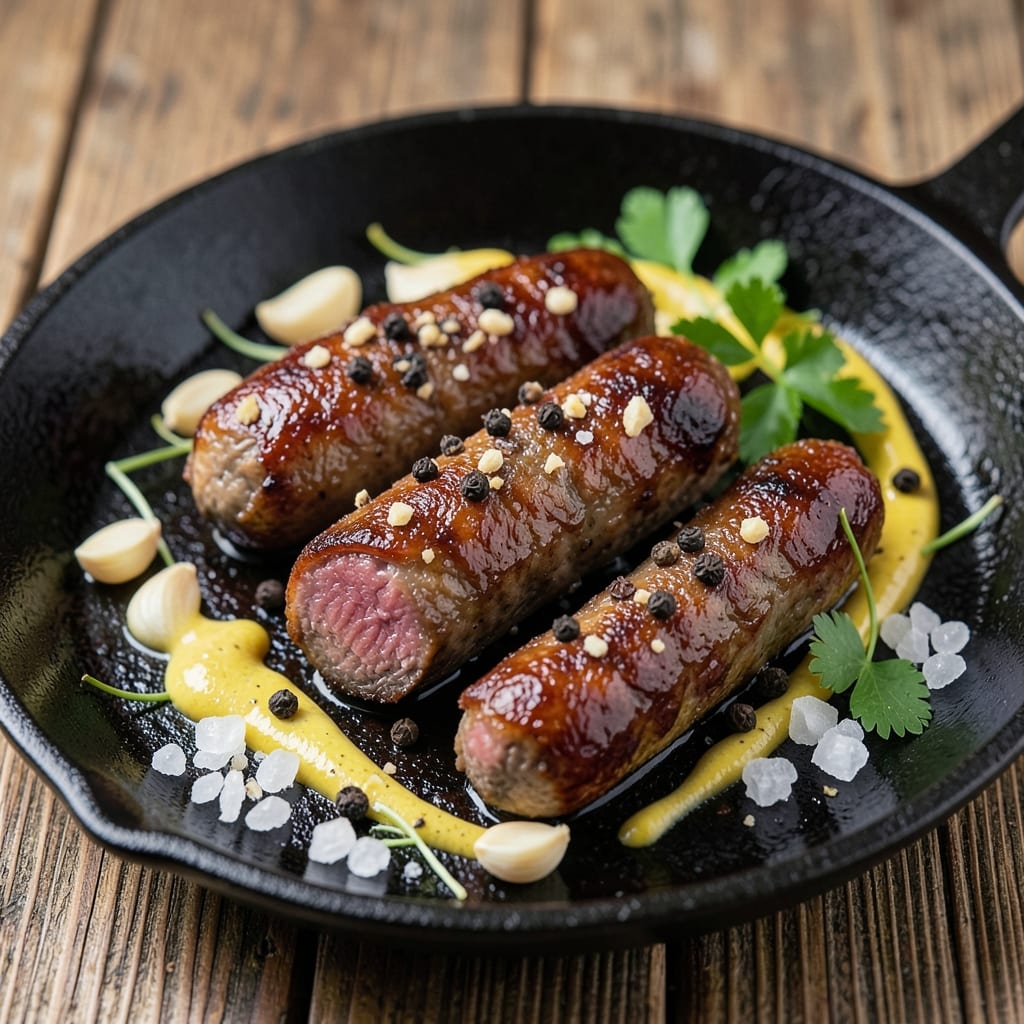
This Beaumont-style beef links recipe brings Yorkshire’s legendary spiced pork sausage tradition to your kitchen with bold, smoky flavor and a satisfying bite. 🔥 The secret lies in grinding your own meat—a step that transforms ordinary ground beef into links with unmatched texture and depth. These aren’t just sausages; they’re a taste of history, perfect for grilling or pan-frying until golden and juicy.
What sets these links apart is the careful balance of spices—black pepper, garlic, and a touch of mustard—that creates their signature tangy kick. I’ve perfected the shaping technique to ensure they hold together beautifully on the grill, delivering that classic snap when you bite in. The result? Links that taste like they came straight from a Yorkshire pub, with a rich, aromatic crust and tender, flavorful meat inside.
Once cooked to perfection, these beef links pair wonderfully with classic accompaniments like pickled onions, crusty white bread, or a simple mustard dip. They’re ideal for game day, backyard BBQs, or a hearty weeknight dinner. The recipe delivers restaurant-quality results with minimal effort—just 30 minutes of prep and 15 minutes of cooking time.
Whether you’re a seasoned griller or new to making sausages from scratch, this method is foolproof and adaptable. The key is patience—letting the meat rest before shaping and cooking it low and slow for even doneness. Let’s get started on creating links that will impress even the most discerning sausage lovers.
Ingredients for beaumont style beef links
Yorkshire-inspired beef links demand quality meat and precise spicing for that iconic smoky bite.
| Ingredient | Amount | Notes |
|---|---|---|
| Ground Beef (80% lean, 20% fat) 🥩 | 2 lb | Chilled and freshly ground preferred |
| Fresh Garlic Cloves 🧄 | 6 cloves | Peeled and finely minced |
| Yellow Mustard 🍯 | 2 tbsp | Dijon preferred for tang |
| Black Peppercorns 🌶️ | 1 ½ tbsp | Freshly cracked for intensity |
| Coarse Kosher Salt 🧂 | 1 ½ tsp | Diamond Crystal preferred |
| Fresh Parsley 🌿 | ¼ cup | Finely chopped for freshness |
| All-Purpose Flour 🌾 | ½ cup | For binding meat mixture |
| Ice Water 💧 | ½ cup | For chilling meat mixture |
| Butcher's Twine 🧵 | 1 package | For tying links |
| Vegetable Oil 🫒 | 2 tbsp | For cooking |
| Beef Fat (optional) 🧈 | ¼ cup | For extra richness |
| Beef Dripping (optional) 🥄 | ¼ cup | For basting |
The ground beef is non-negotiable for authentic texture. 80/20 fat ratio ensures juiciness, and freshly ground meat from a butcher shop delivers superior flavor. Look for grass-fed options if available, though conventional works fine. The fat content is crucial—too lean, and your links will dry out. For optimal results, chill the meat for 30 minutes before handling to prevent sticking. If grinding at home, use a meat grinder with a 3/8-inch plate for the perfect consistency.
Mustard adds that signature tang, but Dijon is essential—regular yellow lacks depth. No Dijon? Substitute with 1 tbsp of prepared mustard plus 1 tsp of lemon juice. Black peppercorns should be freshly cracked—pre-ground loses its punch. For parsley, flat-leaf varieties work best, but curly will suffice. The ice water is critical for binding the meat mixture; don't skip it. If you're short on time, substitute with 2 tbsp of ice cubes, but the texture won't be as refined. The optional beef fat and drippings elevate richness—use them if you've got them, but the recipe stands strong without.
Meat mixtures should be shaped and rested for 1 hour before cooking to develop flavor. Store shaped links in an airtight container lined with parchment paper, separated by layers of plastic wrap, and refrigerate for up to 2 days. For longer storage, freeze uncooked links on a tray, then transfer to a bag for 3 months. Cooked links reheat beautifully—wrap in foil and bake at 350°F for 10 minutes. These links are best served fresh from the grill, but leftovers make excellent sandwich fillings or fried breakfast additions the next morning.
Why You'll Love This Recipe
- No-Fuss Assembly: I swear by this recipe because it’s the kind of meal that doesn’t demand your full attention. Just mix the ground beef with minced garlic, a smear of yellow mustard, cracked peppercorns, and a pinch of salt—no fancy shaping, no waiting for dough to rise. Honestly, the links come together faster than I can put on a pot of pasta.
- Garlic-Kissed Magic: That mustard isn’t just a binder—it’s the secret weapon. When it melts into the beef with the raw garlic, you get this bright, tangy punch that cuts through the richness. The peppercorns add little bursts of heat, and the salt? It makes every bite taste like it’s been slow-cooked, even though it’s ready in 20 minutes.
- Tailgate to Tuesday: Between us, these links are my go-to for game day, but they’re just as happy on a weeknight. Serve them with buns for a quick meal or toss them in a salad for a protein boost—no one will question why you’re eating beef links for lunch. My daughter even sneaks them into her lunchbox (yes, even on a Tuesday).
- Budget-Friendly Powerhouse: You’re getting serious flavor for pennies—80/20 ground beef is cheap, and the other ingredients cost next to nothing. A pound stretches across multiple meals, and leftovers reheat like a dream. I’ll be real: I’ve had these cold the next day with a pickle, and they were still spot-on. That’s the kind of recipe that doesn’t break the bank or your taste buds.
Step-by-step instructions for Beaumont style beef links
Master this traditional Yorkshire technique for perfectly spiced, juicy beef links every time.
👨🍳 Step 1: Prepare the Meat Mixture
In a large mixing bowl, combine the 2 lb ground beef (80% lean, 20% fat) with the 6 cloves finely minced fresh garlic cloves, 2 tbsp yellow mustard, 1.5 tbsp freshly cracked black peppercorns, and 1.5 tsp coarse kosher salt. Use your hands to work the mixture until fully incorporated—this ensures even distribution of seasoning and fat.
Add the 0.25 cup finely chopped fresh parsley and mix again. The parsley adds freshness that balances the bold spices. For extra richness, fold in the 0.25 cup beef fat if using. The fat helps create a tender, flavorful texture in the finished links.
This mixture should be cool but workable—if it feels too warm, chill it in the refrigerator for 10 minutes. The cooler temperature makes handling easier when forming the links.
👨🍳 Step 2: Bind and Chill the Dough
Add the 0.5 cup all-purpose flour to the meat mixture and combine thoroughly. The flour acts as a binder, helping the links hold their shape during cooking. Gradually incorporate the 0.5 cup ice water while mixing, just until the dough comes together. It should be firm but pliable—like playdough.
Divide the mixture into 4 equal portions (about 8 oz each). Roll each portion into a smooth log, about 12 inches long. Wrap each log tightly with butcher's twine, spacing the twine about 1 inch apart to create individual links. This traditional tying method ensures even cooking and prevents the links from breaking apart.
🔥 Step 3: Cook the Links to Golden Perfection
Heat a large skillet over medium-high heat and add the 2 tbsp vegetable oil. Once the oil shimmers, carefully add the beef links in a single layer. Cook for 8-10 minutes, turning occasionally, until the links are golden brown on all sides and the internal temperature reaches 160°F.
For extra flavor, baste the links with 0.25 cup beef dripping during the last 2 minutes of cooking. The dripping adds a rich, savory depth that mimics traditional Yorkshire cooking methods. The links should be firm to the touch but still juicy inside—overcooking will make them dry.
⏰ Step 4: Rest and Serve
Transfer the cooked links to a cutting board and let them rest for 5 minutes before serving. This resting period allows the juices to redistribute, ensuring each bite is moist and flavorful. Use a sharp knife to cut the twine and slice the links into 1-inch pieces if desired.
Serve immediately with classic Yorkshire accompaniments like mashed potatoes, pickled vegetables, or a simple green salad. The links should have a crispy exterior, a tender interior, and a perfect balance of garlic, pepper, and parsley flavors—just like the iconic Beaumont style.
Pro Tips For Making Beaumont Style Beef Links
- CHILL THE MEAT: I used to skip this, but after making these links twice in one day, I learned: pop the ground beef in the fridge for 30 minutes before shaping. The cooler fat firms up just enough to hold together without falling apart when frying—no more sad, greasy puddles in your pan.
- MINCE GARLIC FINE: Fresh garlic is non-negotiable here, but I was lazy and just chopped it "small" for years. Then I tried mincing it so fine it almost dissolved into the mustard—now the flavor spreads evenly through every bite. Use the flat side of your knife and go to town.
- DON’T OVERWORK THE MIX: The second you start kneading the beef like pizza dough, you’re ruining the texture. Handle it just enough to combine—maybe 10 firm presses with your hands—then stop. Overmixing makes the links dense and dry; Beaumont-style links should stay tender and juicy.
- FRY IN BATCHES: Crowding the pan is how you end up with greasy, unevenly cooked links. Use a cast-iron skillet and cook them in two batches—no more than 3 links at a time—so they sizzle freely and develop that golden crust. Patience here means crispy outs, not soggy middles.
Common mistakes when making your beaumont style beef links
Overworking the Meat
I’ve seen this happen more times than I can count—overmixing the meat mixture turns your beef links into tough, dense sausages instead of tender, juicy bites. The key is to handle the meat just enough to combine the ingredients. Once you’ve incorporated the spices and parsley, stop mixing immediately. Overworking the meat breaks down the muscle fibers, which leads to dry, rubbery links. Work the mixture gently with your hands for about 1 minute—just until everything is evenly distributed. 💪
Skipping the Rest Time
Rushing to cook your links right after shaping is a big mistake. The meat needs time to relax and bind properly. If you skip the 1-hour rest in the fridge, the links will shrink unevenly as they cook, leading to inconsistent sizes and textures. I’ve learned this the hard way—once, I cooked links immediately after shaping, and they turned out lumpy and uneven. Trust me, the extra wait is worth it for that perfect snap and juicy interior.
Using Pre-Ground Meat
Freshly ground meat makes all the difference in texture and flavor. Pre-ground beef from the grocery store often contains anti-caking agents and has a higher fat distribution that can make your links greasy or uneven. If you’re short on time, ask your butcher to grind 80/20 chuck or brisket for you—it’s worth the extra effort. The grain of the meat should be coarse, not fine, to ensure a tender bite. If you must use pre-ground, choose 80% lean or leaner and add an extra 1 tbsp of beef fat to compensate.
Incorrect Twine Tension
The way you tie your links affects how they cook and hold together. If the twine is too loose, the links will spread apart and lose their shape. If it’s too tight, the meat can tear when you try to cut through it. The secret is to wrap the twine snugly but not tightly—just enough to hold the shape without restricting the meat. Space the twine about 1 inch apart to create individual links that cook evenly. I like to use butcher’s twine because it’s sturdy and easy to cut later.
Cooking at Too High Heat
High heat might seem like the fastest way to get crispy links, but it’s a recipe for disaster. Cooking at medium-high heat ensures a golden crust without burning the outside before the inside is done. If you crank the heat too high, the exterior will char while the interior stays raw. Keep the heat steady and turn the links occasionally to ensure even browning. If your skillet isn’t hot enough, the oil will smoke excessively—this is your cue to let it heat up a bit more before adding the links.
Ignoring Internal Temperature
Guessing when your links are done is a gamble that often leads to dry, overcooked sausages. Use a meat thermometer to check the internal temperature—it should reach 160°F for safe, juicy links. Without a thermometer, you risk undercooking (which is unsafe) or overcooking (which ruins the texture). I keep a ThermoWorks Smoke thermometer handy for this exact purpose. Once the temperature hits 160°F, remove the links immediately and let them rest before serving. 🌡️
Nutrition facts
Frequently asked questions
Why does this recipe use butcher's twine instead of just shaping the links?
The twine creates that classic Beaumont-style presentation and ensures even cooking. Without it, the links might spread unevenly or lose their shape on the grill. The twine also helps maintain the traditional Yorkshire look while keeping the meat intact during cooking.
Can I make these links ahead of time?
Shape and tie the links, then refrigerate them for up to 2 days before cooking. For longer storage, freeze uncooked links on a tray (to prevent sticking) for 3 months. Thaw overnight in the fridge before cooking. The flavors develop even better when made ahead!
What's the best way to cook these if I don't have a grill?
A heavy cast-iron skillet works perfectly—just use medium-high heat with 2 tbsp vegetable oil and cook for 8-10 minutes, turning occasionally. For extra crispiness, finish under a broiler for 1-2 minutes. The skillet method gives you that same golden crust without needing outdoor equipment.
How do I adjust the spice level for kids or sensitive eaters?
Reduce the black pepper to 1 tsp and omit the Dijon mustard, replacing it with 1 tbsp mild yellow mustard. For extra mildness, skip the parsley and add 1 tsp dried thyme instead. The links will still taste delicious but with a gentler kick.
What are the best sides to serve with Beaumont-style beef links?
Classic Yorkshire pairings include creamy mashed potatoes, tangy pickled onions, crusty white bread, or a fresh green salad. For a hearty meal, serve with roasted root vegetables or buttery dinner rolls. The links also make great sandwich fillings the next day!