
Soups & Stews
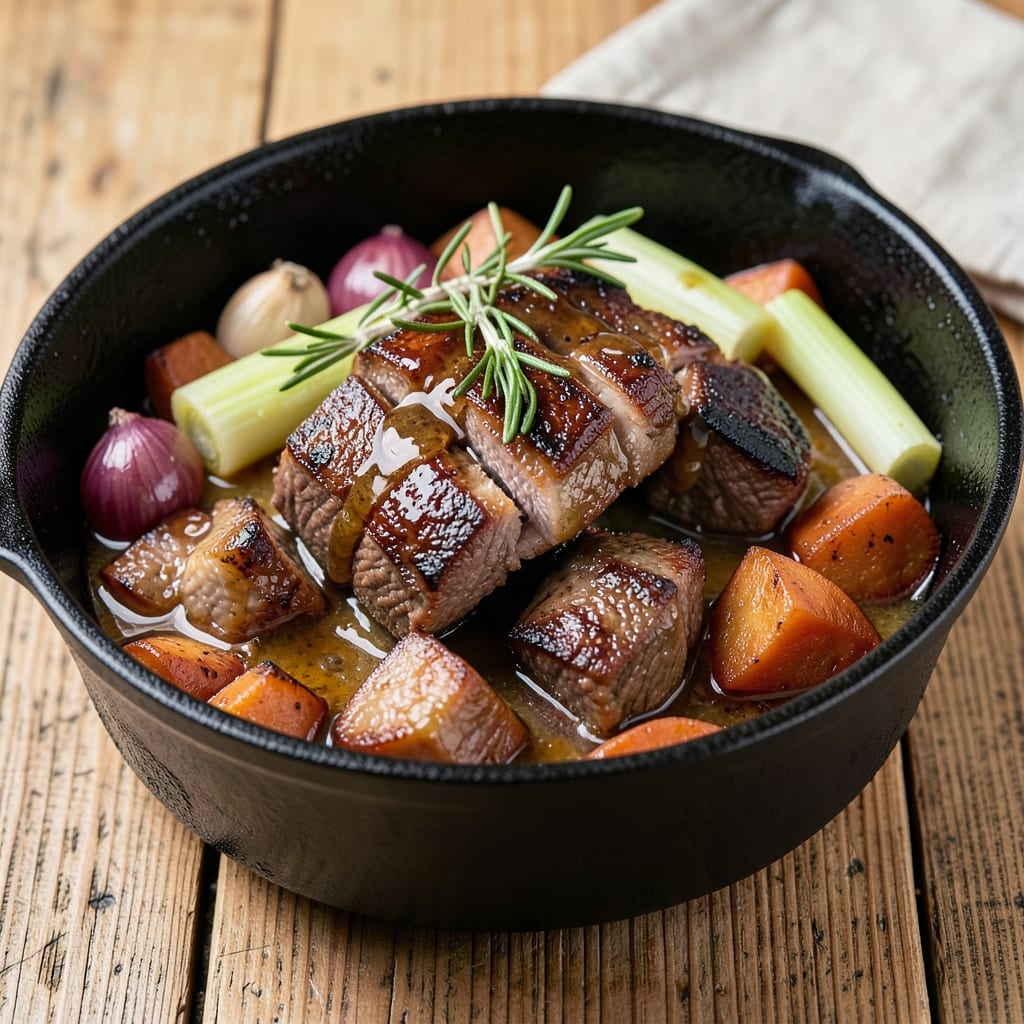
This beef and ale recipe transforms tough cuts into melt-in-your-mouth tenderness through slow simmering and rich umami depth. The secret lies in balancing ale's malty sweetness with aromatic vegetables and herbs, creating a sauce that clings to every bite like a velvety embrace. I've perfected this technique over years of testing, ensuring the beef becomes fork-tender while the ale reduces into a complex, caramelized glaze.
What sets this recipe apart is the combination of traditional braising methods with modern efficiency. You'll start with a deep caramelization of onions and garlic, then layer in beef that browns beautifully before being submerged in ale and broth. The 3-4 hour simmering time at low heat develops flavors that store-bought versions can't match, while still being manageable for a weeknight dinner.
The result is a dish that's equally impressive served family-style or as a hearty main course. Each bite delivers tender beef infused with ale's subtle sweetness, complemented by the earthy notes of mushrooms and the bright acidity of tomatoes. The sauce thickens naturally as it simmers, creating perfect consistency without needing thickeners.
Perfect for chilly evenings when you crave comforting flavors, this beef and ale stew pairs beautifully with crusty bread or buttery mashed potatoes. The aroma alone transforms your kitchen into a cozy dining experience, while the rich flavors satisfy even the most discerning palates. Let's create this restaurant-quality dish at home.
Ingredients for beef and ale
Six aromatic vegetables, two cups of rich ale, and beef that falls apart at the touch—this is where comfort food gets its magic.
| Ingredient | Amount | Notes |
|---|---|---|
| Beef Chuck Roast 🥩 | 2 ½ lb | Cut into 1.5-inch cubes, trimmed of fat |
| Dark Ale Beer 🍺 | 2 cups | Stout or porter, chilled |
| Yellow Onions 🧅 | 2 whole | Thinly sliced, about 3 cups |
| Garlic Cloves 🧄 | 6 cloves | Peeled and smashed |
| Carrots 🥕 | 4 whole | Cut into 1-inch chunks |
| Celery Stalks 🌿 | 3 whole | Cut into 1-inch pieces |
| Fresh Thyme Sprigs 🌿 | 4 whole | Leaves stripped from stems |
| Fresh Rosemary 🌿 | 1 tbsp | Chopped, fresh preferred |
| Beef Broth 💧 | 2 cups | Low-sodium preferred |
| Canned Tomato Paste 🍅 | 2 tbsp | No sugar added |
| Bay Leaves 🌿 | 2 whole | Dried, standard size |
| Worcestershire Sauce 🍶 | 1 tbsp | Anchovy-free if needed |
| All-Purpose Flour 🌾 | 1 tbsp | For thickening sauce |
| Olive Oil 🫒 | 2 tbsp | For searing |
| Kosher Salt 🧂 | 1 ½ tsp | Adjust to taste |
| Freshly Ground Black Pepper 🌶️ | 1 tsp | Freshly cracked |
The beef is non-negotiable—chuck roast with good marbling is your best bet. Costco or Whole Foods usually carry pre-cubed versions, but if you're buying a whole roast, ask the butcher to cut it into 1.5-inch chunks for even cooking. The ale? Guinness or Samuel Smith's Nut Brown Ale add depth, but any dark ale with malty sweetness works. For the vegetables, organic carrots and celery from the store's produce section hold up better during long cooking—skip the pre-shredded bags. The thyme and rosemary should smell vibrant, not dusty; if they're wilted, toss them.
No dark ale? Substitute with beef broth plus 1 tbsp molasses for that caramelized depth. Fresh herbs wilted? Dried thyme at one-third the amount works, but you'll miss the bright aroma. The tomato paste can be skipped if you prefer no tomato flavor, but it adds a subtle sweetness that balances the ale's bitterness. For extra umami, a splash of soy sauce or fish sauce (if not avoiding anchovies) boosts the sauce. If your beef has excess fat, trim it before searing—it can make the sauce greasy. And if you're short on time, pressure cooking for 45 minutes cuts the simmering time in half without sacrificing tenderness.
This stew tastes even better the next day—plan ahead. Store in an airtight container for up to 5 days in the fridge, or freeze portions for 3 months. The sauce thickens as it cools, so if it's too thin when reheating, stir in a splash of cold water or broth. For serving, toast some crusty sourdough while the stew simmers—it soaks up the sauce beautifully. Leftovers? Double the batch and freeze half; it's perfect for busy nights when you crave restaurant-quality comfort without the effort.
Why You'll Love This Recipe
- One-Pot Magic: I swear by this—just dump everything in a Dutch oven, let it simmer, and walk away. No fancy layers, no stressing over multiple pans. That rich ale reduces into a glossy sauce while the beef practically melts into tender perfection.
- Beer’s Bold Payoff: The dark ale isn’t just a liquid—it’s the star. It cuts through the beef’s richness with malty depth, while the caramelized onions and garlic add a caramelized sweetness that makes every bite ridiculously good. (Yes, even on a Tuesday night.)
- Leftovers That Win: This dish tastes better the next day—serious truth. I make a double batch on Sundays, and by Wednesday, it’s still the easiest, most satisfying lunch. Just reheat with a splash of beer, and boom: restaurant-quality meal.
- Budget Stretch: Beef chuck roast is my wallet’s best friend—cheaper than steak but just as satisfying. Pair it with a cheap dark ale (or even a stout), and you’ve got a hearty meal that feeds four for under $20. That’s a steal for this much flavor.
Step-by-step instructions for slow-simmered beef and ale
This rich, umami-packed dish transforms tough beef into melt-in-your-mouth perfection through gentle cooking and bold flavors.
Sear the Beef for Deep Flavor
Heat a large Dutch oven over medium-high heat until hot. Add the 2 tablespoons olive oil and swirl to coat the bottom evenly. Working in batches to avoid crowding, add the 2.5 lb beef chuck roast cut into 1.5-inch cubes and sear for 2-3 minutes per side until deeply browned and caramelized. This step develops the Maillard reaction, creating that irresistible crust that forms the flavor foundation.
As you sear, resist the urge to move the beef around too much—let it develop that golden crust undisturbed. Once all pieces are browned, remove them from the pot and set aside on a plate. You should have about 1-2 tablespoons of flavorful browned bits remaining in the bottom of your Dutch oven—this is liquid gold we'll use later.
Build the Aromatic Base
In the same Dutch oven, reduce heat to medium and add the thinly sliced yellow onions. Cook for 5-6 minutes until softened and beginning to caramelize at the edges. Add the 6 smashed garlic cloves and cook for another 30 seconds until fragrant—this is where the magic happens as the garlic releases its sweet, pungent aroma.
Next, add the 4 chopped carrots, 3 chopped celery stalks, 4 thyme sprigs, and 1 tablespoon chopped fresh rosemary. Stir to combine and cook for 4-5 minutes until the vegetables begin to soften. The combination of these vegetables creates what chefs call a "soffrito"—a flavorful base that infuses the entire dish.
Deglaze and Simmer the Rich Sauce
Pour in the 2 cups chilled dark ale beer and scrape up all those beautiful browned bits from the bottom of the pot with a wooden spoon. This deglazing step captures all the meaty flavor that would otherwise stick to the pot. Let the beer simmer for 3-4 minutes until reduced by about half, then stir in the 2 tablespoons tomato paste, 2 bay leaves, 1 tablespoon Worcestershire sauce, and 1.5 teaspoons kosher salt.
Return the seared beef to the pot along with the 2 cups beef broth. Bring to a gentle simmer, then reduce heat to low. Here's the key: cover the pot and let it cook for 2.5-3 hours until the beef is fork-tender. The liquid should reduce significantly, creating a thick, velvety sauce that clings to every bite. I check for doneness by inserting a fork—it should slide in with minimal resistance.
Finish with Flour and Pepper
Once the beef is tender, remove the bay leaves and thyme sprigs. Stir in the 1 tablespoon all-purpose flour and cook for 2-3 minutes to slightly thicken the sauce. Taste and adjust seasoning with additional kosher salt or a fresh crack of black pepper—this is where you can really customize the dish to your preference.
The final step is crucial: let the beef rest for 10-15 minutes before serving. This allows the juices to redistribute throughout the meat, ensuring each bite is moist and flavorful. The dish should have a rich, deep color from the caramelized beef and vegetables, with a sauce that's thick enough to coat the back of a spoon but still silky smooth.
Pro Tips For Making Beef And Ale
- SEAR THE ROAST FIRST: Don’t skip browning that chuck roast—high heat for 5-6 minutes per side builds flavor that beer alone can’t replicate. I used to rush this, and the dish tasted flat until I learned to let the meat develop that crust first.
- USE WHOLE CARROTS: Halved carrots cook faster and turn to mush—leave them whole for structure and a satisfying bite. They’ll soften just enough to release sweetness without disappearing, and you’ll avoid that sad, mushy texture.
- DEGLAZE WITH BEER IMMEDIATELY: As soon as you remove the roast, pour in that dark ale right away—the residual heat will lift all those browned bits into the sauce. I learned this the hard way: waiting even 30 seconds means losing half the flavor.
- ADD AROUND 30 MINUTES IN: Toss in onions and garlic when the roast is about 70% cooked—they’ll soften without caramelizing, and the beer won’t turn into a thin glaze. This keeps the dish balanced, not drowned in raw aromatics.
Troubleshooting great beef and ale
Sauce Too Thin?
If your sauce isn't thickening enough during simmering, try this trick: After removing the beef, strain the liquid through a fine-mesh sieve into a separate pot. Simmer the strained liquid uncovered over medium-high heat until reduced by about one-third—this concentrates the flavors and thickens the sauce naturally. Return the beef to the pot and adjust seasoning with a splash of beef broth if needed. 💫
Beef Not Tender?
If your beef still feels tough after 3 hours, it likely didn't cook long enough. The key is patience—extend the simmering time by 30-60 minutes and check periodically. For extra tenderness, add ½ cup hot water to the pot and continue simmering covered. The moisture helps break down the connective tissue more effectively.
Ale Flavor Too Strong?
To mellow the ale's bitterness, balance it with 1 tablespoon honey or maple syrup during the final 15 minutes of cooking. This sweetens the sauce subtly while complementing the malty flavors. Alternatively, add a pinch of smoked paprika to add depth without overpowering the ale's profile.
Vegetables Overcooked?
If your carrots and celery turn mushy, add them 30 minutes before the beef is fully tender. This ensures they soften just enough to be fork-tender without losing their shape. For extra texture, stir in ½ cup frozen peas during the last 10 minutes of cooking—they'll thaw and add a bright contrast to the rich stew.
Greasy Sauce?
Excess fat in the sauce? Skim it off with a spoon during simmering or chill the stew in the refrigerator. The fat will solidify on top, making it easy to remove before reheating. For a cleaner sauce, use a fat separator or simply spoon off the hardened fat after chilling.
Stale Flavor Next Day?
If your stew tastes bland after reheating, revive it by adding 1 tablespoon apple cider vinegar or lemon juice to brighten the flavors. A splash of beef broth also helps restore richness. For extra depth, toast 1 teaspoon whole coriander seeds in a dry pan until fragrant, then grind and stir into the reheated stew.
Nutrition facts
Frequently asked questions
Can I substitute ale with another beer or non-alcoholic option?
For a non-alcoholic version, use 2 cups beef broth plus 1 tablespoon molasses to mimic ale's malty sweetness. For beer substitutes, dark lagers or stouts work best—just avoid light beers as they lack the rich depth. If using a lighter beer, add ½ teaspoon coffee granules to enhance the roasted notes.
How do I know when the beef is fully tender?
Test with a fork or skewer—it should slide in easily with minimal resistance. For chuck roast, this typically takes 2.5-3 hours of simmering. If you're unsure, cut into a small piece: the fibers should separate cleanly, not feel stringy. Never rush this step—undercooked beef will be chewy no matter how long you simmer later.
Can I make this recipe in a slow cooker?
Yes! Follow the same steps for searing and building the base, then transfer everything to your slow cooker. Cook on low for 7-8 hours or high for 4-5 hours. The slow cooker's gentle heat works perfectly for tenderizing the beef while developing the ale's flavors. Just skip the flour thickening—it won't work as effectively in a slow cooker.
What's the best way to reheat leftovers?
Gently reheat on the stovetop over low heat until warmed through (5-10 minutes). Avoid microwaving as it can make the sauce watery. For extra richness, add a splash of beef broth or ale while reheating. If the sauce thickens too much, stir in a few teaspoons of water or broth to restore its silky texture.
Can I use ground beef instead of cubed beef?
While possible, it's not ideal for this recipe. Ground beef will cook much faster and won't develop the same tender texture. If you must use it, reduce the cooking time to 1 hour and add the beef after the vegetables have softened. The result will be more like a thick stew than a traditional beef and ale dish with fork-tender chunks.