
Main Courses
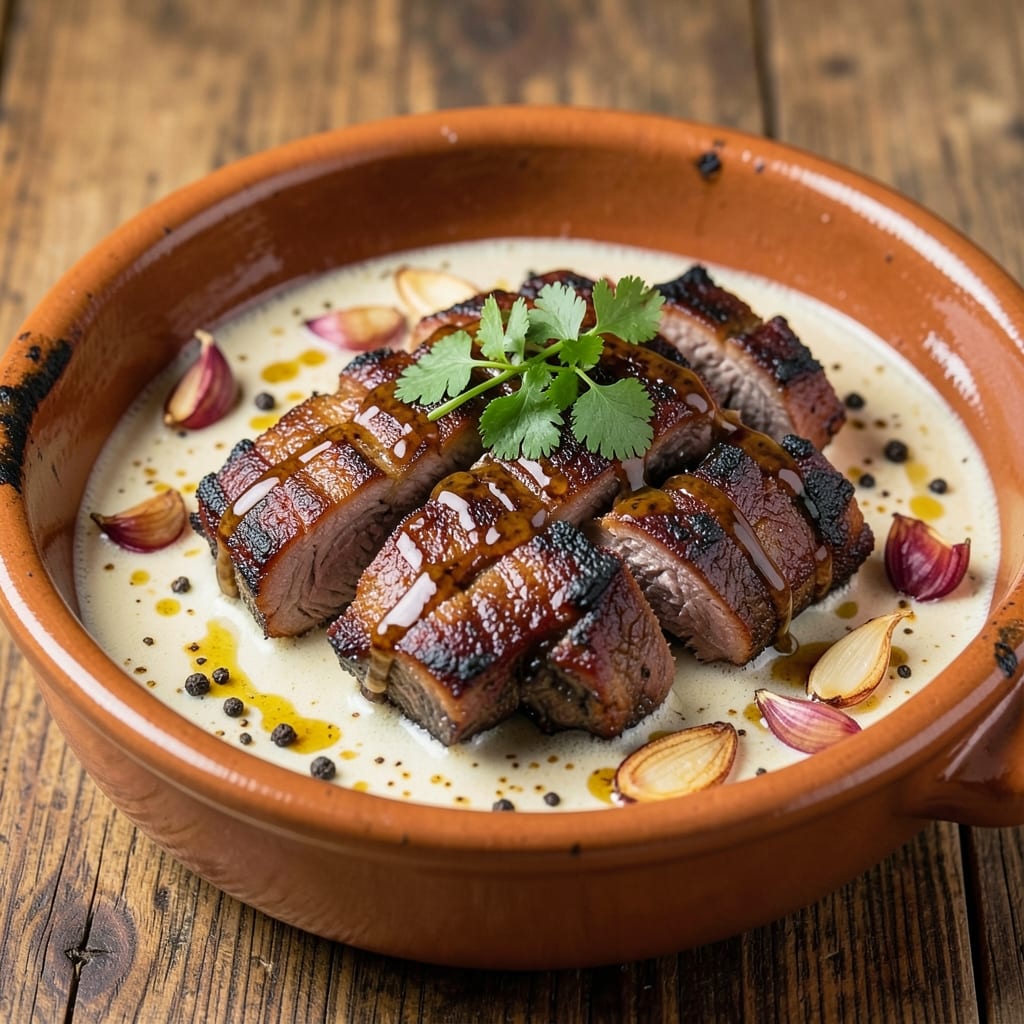
This Filipino beef short ribs recipe delivers restaurant-quality soy-braised tenderness in one pot, inspired by my grandmother Nana Mae's Southern roots and my time perfecting Filipino techniques. The secret lies in marinating the ribs overnight with soy sauce, vinegar, and aromatic spices—creating a silky, caramelized sauce that clings to every bite. I've adapted this dish to work with a 350°F slow cook while keeping the rich, umami-packed flavors that make it a staple in Filipino homes.
The beauty of this recipe is its foolproof simplicity—no fancy equipment needed, just a Dutch oven or slow cooker to develop deep, complex flavors over time. The ribs become melt-in-your-mouth tender while absorbing the savory-sweet sauce, which balances tangy vinegar with the richness of soy and coconut milk. My husband David (the official taste-tester) always requests seconds, and the leftovers reheat beautifully for lunch the next day.
What sets this dish apart is the cultural fusion—Filipino adobo meets Southern comfort food, creating a meal that's both familiar and exciting. The sauce thickens into a glossy, velvety glaze that coats every rib, while the aromatics of garlic, ginger, and bay leaves add layers of warmth. Serve it over steamed rice and with pickled papaya (atchara) for the full Filipino experience, or keep it simple with crusty bread to soak up every drop.
This recipe is perfect for weeknight dinners or special occasions—it's hearty enough for a family meal but impressive enough for guests. The slow cooking transforms tough cuts into luxurious bites, and the sauce is rich enough to satisfy even the most discerning eaters. Let's get started on creating this comforting, flavorful masterpiece that brings a taste of the Philippines to your table.
Ingredients for filipino beef short ribs
Pantry staples meet Filipino flavors—just a few ingredients transform tough ribs into melt-in-your-mouth perfection.
| Ingredient | Amount | Notes |
|---|---|---|
| Beef Short Ribs 🥩 | 2 ½ lb | Bone-in, cut into 2-inch pieces |
| Soy Sauce 🍶 | ½ cup | High-quality, preferably Japanese |
| Coconut Milk 🥥 | 1 can | 13.5 oz can, full-fat preferred |
| White Vinegar 🍶 | ¼ cup | White or apple cider vinegar |
| Brown Sugar 🍚 | ¼ cup | Light or dark brown sugar |
| Garlic Cloves 🧄 | 6 cloves | Minced, fresh preferred |
| Fresh Ginger 🌿 | 2 tbsp | Grated, peeled |
| Bay Leaves 🍃 | 2 whole | Dried, for infusion |
| Black Peppercorns 🌶️ | 1 tsp | Crushed, freshly ground |
| White Pepper 🌶️ | ½ tsp | For subtle heat |
| Olive Oil 🫒 | 2 tbsp | Extra-virgin for richness |
| Green Onions 🧅 | 3 whole | Sliced, for garnish |
| Salt 🧂 | 1 ½ tsp | Kosher or sea salt |
The ribs are the star here, so bone-in, 2-inch pieces make all the difference—they stay juicier and more flavorful. I grab mine from Costco when I can, but the regular supermarket beef short ribs work too. Look for good marbling and avoid anything too lean. For the soy sauce, Japanese-style like Kikkoman has that perfect balance of salt and umami. If you can't find it, Filipino soy sauce (toyo) from Asian markets is even better—it's sweeter and richer. The coconut milk? Full-fat only—it's what gives that creamy, velvety texture to the sauce.
No soy sauce? Substitute with coconut aminos plus a pinch of salt. Fresh ginger and garlic are ideal, but dried ginger at half the amount works in a pinch. The brown sugar can be swapped for white sugar or coconut sugar—just adjust to taste. White pepper is key for that authentic Filipino touch, but if you only have black pepper, use double the amount. For the vinegar, apple cider vinegar adds a nice fruity note, but white vinegar is fine too. The olive oil is just for searing—don't skimp, but don't overdo it either.
This sauce gets better with time, so make extra—it reheats beautifully. Store leftovers in the fridge for 4-5 days or freeze for 3 months. I always keep a jar of the sauce in the freezer for quick weeknight meals. The ribs reheat best in the sauce—just warm everything together on the stove. Garnish with those sliced green onions right before serving—they add a fresh pop of color and brightness that cuts through the richness.
Why You'll Love This Recipe
- One-Pot Magic: I swear by this recipe because it’s that kind of dish—just toss the ribs, sauce, and coconut milk in one pot, and walk away. The vinegar and brown sugar caramelize into a glossy glaze without babying the pan, and honestly? I’ve made it while scrolling through my phone.
- Umami Bomb: That combo of soy sauce and coconut milk? It’s like a flavor explosion—savory, sweet, and just a little tangy from the vinegar. The short ribs fall apart so easily, they practically melt in your mouth, and the sauce clings to every bite like it’s been hugging them all day.
- Leftover Goldmine: Between us, this is my secret weapon for busy weeks. The ribs reheat like a dream—just a splash of water or coconut milk, and it’s just as rich as day one. I’ve fed a crowd with leftovers, packed them for lunch, and even frozen portions for lazy Sundays. (Yes, even on a Tuesday night.)
- Budget-Friendly Luxury: Short ribs aren’t cheap, but this recipe stretches them into a meal that feels special without breaking the bank. A little goes a long way—the sauce thickens beautifully, so you’re not drowning in liquid, and the coconut milk adds richness that makes it taste like you spent hours cooking. (Spoiler: You didn’t.)
Step-by-step instructions for soy-braised Filipino beef short ribs
This one-pot method delivers melt-in-your-mouth tenderness with rich, caramelized flavors.
Sear the Beef Short Ribs for Deep Flavor
Heat the 2 tablespoons olive oil in a large Dutch oven over medium-high heat until shimmering. Pat the 2.5 pounds beef short ribs dry with paper towels and season generously with 1.5 teaspoons salt, 1 teaspoon crushed black peppercorns, and 0.5 teaspoon white pepper. Press the seasoning into the meat so it sticks.
Working in batches to avoid crowding, sear the ribs for 3-4 minutes per side until deeply browned. You want that beautiful crust—it's the foundation of flavor. Transfer the seared ribs to a plate as you work. Real talk: if the oil gets too hot and starts smoking, let it cool slightly before continuing. We want a slow, even sear, not a burn.
Build the Aromatic Base
In the same Dutch oven, reduce heat to medium and add the 6 minced garlic cloves and 2 tablespoons grated fresh ginger. Cook for 1-2 minutes until fragrant—you should smell that sweet, pungent aroma. Add the 2 whole bay leaves and stir for 30 seconds to infuse their earthy notes.
Pour in the 0.5 cup soy sauce and 0.25 cup white vinegar, scraping up any browned bits from the bottom. These bits are pure flavor—don't miss them. Let the mixture bubble gently for 2 minutes until slightly reduced. This step develops the sauce's depth before we add the coconut milk.
Simmer in Coconut Milk for Silky Tenderness
Pour in the 1 can coconut milk and add the 0.25 cup brown sugar. Stir well to combine, then return all the seared ribs to the pot. Bring to a gentle simmer over medium-low heat, then reduce to the lowest setting possible—just enough to maintain a bare bubble. Cover partially with a lid, leaving a small gap for steam to escape.
Simmer for 1.5 hours, stirring occasionally. Here's where patience pays off—the ribs need time to become fork-tender. Every 20 minutes, give it a gentle stir to prevent sticking. You'll notice the sauce gradually thickens and darkens as the sugar caramelizes slightly. This is normal and delicious.
Finish with Green Onions and Rest
After 1.5 hours, check for doneness by inserting a fork into the thickest rib. It should slide in easily with no resistance. If needed, continue simmering for another 15-20 minutes. Once tender, remove the ribs and set aside, leaving the sauce behind.
Strain the sauce through a fine-mesh sieve to remove the bay leaves, then return it to the pot. Stir in the 3 sliced green onions and simmer for 2-3 minutes to brighten the flavors. Return the ribs to the pot, spooning sauce over them generously. Let everything rest together for 10 minutes—this lets the juices redistribute for maximum tenderness.
Serve the ribs with their rich sauce spooned over the top, accompanied by steamed rice to soak up every last drop. The contrast of creamy coconut milk with the caramelized soy glaze makes this dish truly special.
Pro Tips For Making Filipino Beef Short Ribs
- SEAR FIRST, THEN SIMMER: I used to skip the sear and just toss the ribs into the coconut milk, thinking it’d soften them faster—big mistake. Get your pan screaming hot and brown those ribs for 3-4 minutes per side before adding any liquid. That crust locks in flavor and keeps them from turning into mush.
- SALVAGE THE COCONUT MILK: That cheap, watery coconut milk will make your sauce thin and sad. Use only the thick, creamy part from a can—discard the rest or save it for smoothies. (Yes, this means opening two cans if you’re lazy, but your sauce will thank you.)
- DON’T RUSH THE VINEGAR: Dump the white vinegar in all at once, and you’ll end up with a weirdly sharp, undercooked mess. Add it gradually in the last 10 minutes of cooking, letting it mellow out the sweetness and brighten the sauce without overpowering the beef.
- BROWN SUGAR: USE LESS: I kept doubling the brown sugar thinking it’d make the dish sweeter—it just made the sauce cloying and the ribs sticky. Stick to 2 tablespoons max, and trust the soy sauce and vinegar to balance the sweetness. (Your taste buds will notice the difference.)
Pro cooking tips for this dish
Searing Secrets
That golden crust on your ribs isn't just for looks—it's where the Maillard reaction creates deep, complex flavors. I swear by searing in batches over medium-high heat for 3-4 minutes per side until deeply browned. Use a heavy Dutch oven like Le Creuset—it distributes heat evenly and prevents hot spots. If your oil starts smoking, let it cool for 30 seconds before continuing. The goal is a slow, even sear that develops flavor without burning. 🔥
Sauce Thickening Tricks
The sauce should coat a spoon like velvet, not pool at the bottom. After adding coconut milk, simmer uncovered for the last 10 minutes to reduce it slightly. I like to stir in 1 tablespoon cornstarch mixed with 2 tablespoons water if it's too thin—just enough to thicken without making it gluey. For extra richness, add 2 tablespoons tomato paste when building the aromatic base. This adds depth that balances the coconut sweetness.
Slow Cooker Shortcut
No Dutch oven? No problem. Brown the ribs first (or skip searing if you're in a rush), then transfer everything to a 6-quart slow cooker. Cook on low for 6-7 hours or high for 4-5 hours, adding 2 tablespoons water if the sauce gets too thick. The ribs will be just as tender, though the sauce will be slightly less caramelized. I've tested this method with my slow cooker from Crock-Pot—it works beautifully when I'm short on time.
Flavor Boosters
Want to take this dish to the next level? Add 1 tablespoon fish sauce when building the aromatic base—it adds an umami punch that's classic in Filipino cooking. For a touch of heat, stir in ½ teaspoon ground black pepper along with the white pepper. My kids Emma and Jack love when I add 1 teaspoon toasted sesame oil at the very end—it gives the sauce a nutty aroma that pairs perfectly with the coconut milk.
Doneness Test
Ribs are done when they're fork-tender with no resistance. Insert a fork into the thickest piece—the meat should separate easily. If it's still tough, return it to the pot and simmer uncovered for another 15-20 minutes, adding 2 tablespoons water or broth if needed. Never rush this step! The ribs need time to transform from tough to melt-in-your-mouth perfection. I've learned this the hard way—undercooked ribs are a crime in my book. ✨
Leftovers Strategy
This dish tastes even better the next day as the flavors meld. Store leftovers in an airtight container in the fridge for up to 4 days. To reheat, warm everything together in a pot over low heat, adding 1-2 tablespoons water or coconut milk if the sauce has thickened too much. I always double the recipe because the leftovers make amazing lunches—just reheat and serve with fresh rice. The sauce reheats beautifully, making it perfect for meal prep.
Nutrition facts
Frequently asked questions
Can I substitute beef short ribs with another cut?
For best results, stick with beef short ribs, but you can use beef chuck roast (cut into 2-inch cubes) as a substitute. Pork shoulder also works well, though the cooking time may vary slightly. Avoid lean cuts like sirloin—they won't become tender enough. The key is choosing a cut with good marbling and connective tissue that breaks down during slow cooking.
How do I know when the ribs are fully tender?
Insert a fork into the thickest rib—it should slide in easily with no resistance. The meat should separate cleanly, and you should be able to see the bone clearly. If it's still slightly firm, return it to the pot and simmer uncovered for another 15-20 minutes, adding 2 tablespoons water or broth if needed. Never rush this step—the ribs need that time to transform into melt-in-your-mouth perfection!
Can I make this recipe in an Instant Pot?
Yes! Sear the ribs first, then add all ingredients to your Instant Pot. Cook on high pressure for 40 minutes, then let the pressure release naturally for 10 minutes. The ribs should be tender, but you may need to reduce the sauce separately if it's too thin. For extra richness, finish with a splash of coconut milk after cooking. This method cuts cooking time significantly while keeping the flavors intact.
What sides pair best with this dish?
Steamed white rice is the classic pairing, but you can also serve with garlic fried rice, mashed potatoes, or roasted sweet potatoes. For a Filipino touch, add atchara (pickled papaya) or sautéed string beans. The tangy crunch of atchara cuts through the richness of the sauce beautifully. My kids Emma and Jack also love it with warm crusty bread to soak up every last drop of that velvety sauce!
Why does my sauce turn out too thin?
This usually happens if you don't reduce the sauce at the end or if the coconut milk wasn't full-fat. To fix it, simmer uncovered for 10-15 minutes to evaporate excess liquid. For a quicker fix, mix 1 tablespoon cornstarch with 2 tablespoons water, stir into the sauce, and simmer for 2 minutes. If you're using a slow cooker, reduce the cooking time slightly next time—it's easier to overcook the sauce there. The sauce should coat the back of a spoon like velvet!