
Soups & Stews
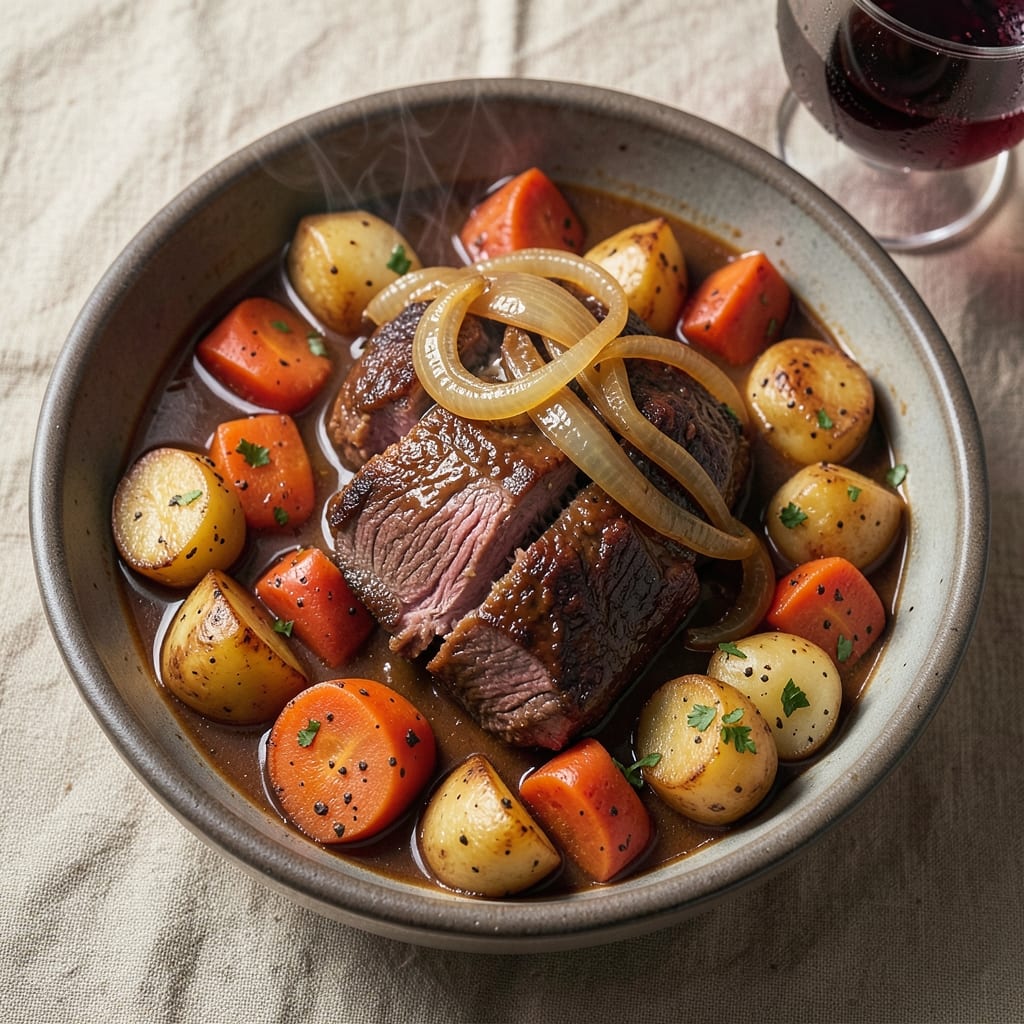
This 5-hour no-peek beef stew transforms tough cuts into melt-in-your-mouth perfection through slow, patient cooking. The secret lies in browning the beef deeply and letting it simmer undisturbed, allowing flavors to develop into rich, caramelized depth. Every bite delivers tender meat, tender vegetables, and a sauce so flavorful it disappears before your eyes.
Professional cooks swear by the no-peek method—resisting the urge to check on your stew prevents steam from escaping, which is crucial for building that signature umami intensity. This technique, combined with a Dutch oven and a mix of root vegetables, creates a dish that feels both rustic and refined. The result is a hearty, comforting meal that’s perfect for cold evenings or gatherings.
What sets this recipe apart is the balance of textures and flavors: crisp edges on the carrots and potatoes, silky beef that falls apart easily, and a sauce thickened just enough to coat every spoonful. The slow simmer allows all the ingredients to meld together, creating a harmonious blend of savory, sweet, and earthy notes. This isn’t just stew—it’s a deeply satisfying experience that turns simple ingredients into something extraordinary.
Serve it with crusty bread to soak up every last drop of that flavorful broth, or pair it with roasted vegetables for a complete meal. The beauty of this recipe is its versatility—it’s hearty enough for a family dinner but elegant enough for a special occasion. Let’s get started on creating a stew that will have everyone asking for seconds.
Ingredients for 5 hour no peek beef stew
Sixteen ingredients transform into a deeply flavorful stew that rewards patience with melt-in-your-mouth beef and caramelized vegetables.
| Ingredient | Amount | Notes |
|---|---|---|
| Chuck Roast 🥩 | 3 lb | Well-marbled, cut into 1.5-inch cubes |
| Yellow Onions 🧅 | 2 whole | Cut into 1-inch chunks, no peeling |
| Carrots 🥕 | 4 whole | Large, cut into 2-inch chunks, skins left on |
| Russet Potatoes 🥔 | 3 lb | Cut into 2-inch chunks, skins left on |
| Garlic Cloves 🧄 | 8 cloves | Smashed, skins left on |
| Tomato Paste 🍅 | ½ cup | High-quality, no sugar added |
| Dry Red Wine 🍷 | 1 cup | Bold, like Cabernet Sauvignon |
| Beef Broth 💧 | 6 cups | Homemade or high-quality store-bought |
| Tomatoes 🍅 | 2 whole | Roma, crushed by hand |
| Fresh Thyme 🌿 | 2 sprigs | Stems removed, leaves only |
| Fresh Bay Leaves 🌿 | 2 whole | Dried works at half the amount |
| Olive Oil 🫒 | ¼ cup | Extra-virgin, for searing |
| Kosher Salt 🧂 | 2 tbsp | Diamond Crystal preferred |
| Ground Black Pepper 🌶️ | 1 tbsp | Freshly cracked |
| Allspice Berries 🌿 | 4 whole | Crushed lightly |
The chuck roast is the foundation—look for cuts with generous marbling, which renders down to create rich, velvety sauce. Costco and Whole Foods carry excellent chuck roasts, but any reputable butcher will have a high-quality option. The key is to cut the meat into even 1.5-inch cubes; this ensures consistent cooking times and prevents some pieces from becoming tough. For the vegetables, prioritize freshness—carrots should be firm with vibrant orange color, and potatoes should feel heavy for their size. The yellow onions and garlic add sweet, aromatic depth, so don’t skip peeling them completely; the skins contain additional flavor.
No red wine? Dry sherry or beef broth with a splash of balsamic vinegar delivers similar depth. Substituting fresh thyme with dried? Use one-third the amount, but toast the dried thyme in a dry pan for 30 seconds first to intensify its flavor. The allspice berries are non-negotiable—they add a subtle warmth that elevates the stew. For tomato paste, San Marzano is ideal, but any high-quality paste will work. If you’re short on time, Trader Joe’s sells pre-crushed Roma tomatoes that save chopping effort. The beef broth should be rich and well-seasoned; if using store-bought, opt for brands like Kitchen Basics or Pacific Foods for superior quality.
This stew tastes even better the next day, as flavors meld and deepen over time. Store in an airtight container in the refrigerator for up to 5 days, or freeze for 3 months for future meals. To reheat, simmer gently on the stove over medium-low heat, stirring occasionally, until heated through. The Dutch oven is ideal for this recipe—its heavy construction ensures even heat distribution and prevents scorching. If you don’t have one, a heavy-bottomed pot will work, though you may need to adjust cooking times slightly.
Why You'll Love This Recipe
- Rich Without Effort: That deep, savory beef flavor? It comes from the long cook letting the chuck break down into melt-in-your-mouth perfection. The garlic cloves soften just enough to add a subtle punch, while the carrots stay sweet—no bitterness, just pure comfort.
- Leftovers That Save Me: Between us, this stew tastes even better the next day. I make a double batch on Sundays, freeze half, and pull it out for lazy nights when I’d otherwise order takeout. (Yes, even on a Tuesday night.)
- Budget Beef for Everyone: A chuck roast stretches for six servings, and the potatoes and carrots stretch my grocery budget without sacrificing flavor. It’s the kind of meal where no one asks, “What’s for dinner?”—they just dig in.
Step-by-step instructions for deep umami braise with caramelized root vegetables
This method delivers restaurant-quality beef stew with melt-in-your-mouth beef and perfectly caramelized vegetables.
Sear the Chuck Roast for Maximum Flavor Development
Heat a large Dutch oven over medium-high heat until hot. Add the 0.25 cup olive oil and swirl to coat the bottom evenly. Working in batches if needed, add the 3 lb chuck roast (cut into 1.5-inch cubes) in a single layer, ensuring pieces don't overcrowd the pan.
Sear for 4-5 minutes per side until each piece develops a deep golden brown crust. This step is crucial—it locks in juices and creates the rich fond that forms the stew's flavor base. Use tongs to flip, not a fork, to prevent losing rendered juices. Transfer seared beef to a plate as you work.
Build the Flavor Base with Aromatics and Wine
In the same Dutch oven, reduce heat to medium and add the 2 whole yellow onions (1-inch chunks) and 4 whole carrots (2-inch chunks). Cook for 8-10 minutes, stirring occasionally, until the vegetables begin to soften and develop color. Add the 8 cloves garlic cloves (smashed) and cook for 30 seconds until fragrant.
Pour in the 1 cup dry red wine and scrape up any browned bits from the bottom of the pan using a wooden spoon. This deglazing step captures all the concentrated flavors. Let the wine simmer for 3-4 minutes until reduced by half, creating a glossy, syrupy consistency that will form the stew's foundation.
Layer Vegetables and Develop the Braising Liquid
Add the 3 lb russet potatoes (2-inch chunks), 2 whole tomatoes (crushed by hand), 0.5 cup tomato paste, and the seared beef back to the pot. Stir to combine, then sprinkle with the 2 tbsp kosher salt, 1 tbsp ground black pepper, and 4 whole allspice berries (crushed lightly). Pour in the 6 cups beef broth and add the 2 sprigs fresh thyme and 2 whole fresh bay leaves.
The liquid should come about halfway up the vegetables. If it's too thin, add an additional ½ cup beef broth. Bring to a gentle simmer, then immediately reduce heat to low. This is where the no-peek method begins—cover the pot and let it cook undisturbed for 5 hours.
Monitor and Adjust for Perfect Texture
After 2 hours, check the stew. The vegetables should be tender but still holding their shape, and the beef should be fork-tender. If the liquid has reduced too much and the vegetables are exposed, add ½ cup beef broth to maintain proper moisture. The key is to keep the stew at a gentle simmer—never a rolling boil—which prevents toughening the beef.
Continue cooking for the full 5 hours, resisting the urge to peek. The steam created within the pot is what breaks down the collagen in the beef and vegetables, transforming them into tender, flavorful bites. The stew is ready when the beef easily pulls apart with a fork and the potatoes are fork-tender with crisp edges.
Finish and Serve with Maximum Flavor Impact
Remove the stew from heat and let it rest for 15 minutes before serving. This resting period allows the flavors to meld and the juices to redistribute throughout the stew. Skim off any excess fat that has risen to the surface, if desired, but leave enough to add richness to each serving.
Taste and adjust seasoning if needed—this is your final opportunity to balance the flavors. The stew should be rich, umami-packed, and deeply aromatic from the caramelized vegetables and slow-braised beef. Serve immediately with crusty bread to soak up every last drop of that luxurious braising liquid.
Pro Tips For Making 5 Hour No Peek Beef Stew
- SEAR THE ROAST HARD: I learned this the hard way—skipping the deep sear means flavorless beef. Use a heavy pot (cast iron if you have it) and let the chuck roast sit in there for 3-4 minutes per side until it’s dark brown, almost black in spots. The crust locks in juices and carries the rich, caramelized taste through the whole stew. (Yes, even if you’re impatient like me.)
- CUT POTATOES UNEVENLY: Russets break apart in stews, but you want them to hold shape—just not too much. Cut them into chunks of varying sizes (some small, some large) so they cook at different rates. The smaller pieces soften faster, while the bigger ones stay intact for texture. (Your future self will thank you for not ending up with mush.)
- ADD CARROTS LAST: I used to toss them in with onions and garlic, but carrots need time to tenderize properly. Wait until the first 2 hours of simmering are done before adding them—this way, they absorb flavor without turning to mush. If you’re really short on time, parboil them for 5 minutes first, but don’t skip the stew time entirely.
- SKIP THE CROWDED POT: Stuffing the pot with too many veggies at once steams them instead of letting them caramelize. Start with onions and garlic in the pot until they’re soft and golden (about 8-10 minutes), then remove half before adding the roast. This prevents the stew from turning watery and ensures deeper flavor development. (Does it look weird? Yes. Does it work? Every single time.)
Serving suggestions for this recipe
Crusty Bread Pairing
Nothing complements this rich beef stew like a warm, crusty loaf of bread to soak up every last drop of that flavorful broth. I recommend a classic baguette or a rustic sourdough—both provide the perfect texture contrast. For extra flair, brush the bread with garlic-infused olive oil and toast it in the oven for 3-5 minutes until golden and crisp. The crust should be firm enough to hold its shape but soft enough to mop up the sauce. 🥖
Roasted Vegetable Accompaniment
Balance the heartiness of the stew with a side of roasted seasonal vegetables—think brussels sprouts, carrots, or parsnips. Toss them in 1 tbsp olive oil, ½ tsp smoked paprika, and a pinch of salt, then roast at 425°F for 20-25 minutes until caramelized. The smoky, slightly charred edges add a delightful contrast to the tender beef and soft vegetables in the stew.
Green Salad for Freshness
A bright, crisp salad cuts through the richness of the stew beautifully. I love a simple mix of arugula, shredded radicchio, and thinly sliced fennel, tossed with a light lemon vinaigrette. Add ¼ cup toasted walnuts for crunch and a sprinkle of feta cheese for tanginess. The peppery arugula and citrus notes refresh your palate between bites of the hearty stew. 🥗
Polenta for Creamy Texture
For a comforting, creamy alternative to bread, serve your stew with creamy polenta. Cook 1 cup polenta in 4 cups chicken broth over medium-low heat for 20 minutes, stirring constantly, until thick and smooth. Stir in 2 tbsp butter and a pinch of salt, then let it cool slightly before serving. The silky polenta pairs wonderfully with the tender beef and umami-rich sauce.
Wine Pairing Perfection
Enhance your stew experience with a bold red wine that complements its deep flavors. A Cabernet Sauvignon or Malbec works beautifully—their tannins and dark fruit notes harmonize with the beef and caramelized vegetables. For a lighter option, try a Pinot Noir, which offers a brighter acidity that cuts through the richness. Serve the wine slightly chilled to let its aromas shine alongside the stew. 🍷
Garnish Like a Pro
Elevate your stew with simple yet impactful garnishes. Sprinkle each serving with fresh parsley or thyme leaves for a pop of color and freshness. A drizzle of high-quality olive oil or a swirl of crème fraîche adds richness and a luxurious finish. For a touch of heat, add a pinch of red pepper flakes—just enough to wake up the flavors without overpowering them.
Nutrition facts
Frequently asked questions
Why is the "no-peek" method important for beef stew?
The no-peek method preserves the steam inside the pot, which is essential for breaking down collagen in the beef and vegetables. Every time you lift the lid, you lose heat and moisture, extending cooking time and potentially making the meat tough. This technique ensures tender, melt-in-your-mouth results without extra effort.
Can I use a different cut of beef instead of chuck roast?
While chuck roast is ideal due to its marbling and flavor, you can substitute with brisket or short ribs. Cut them into 1.5-inch cubes and adjust cooking time to 6-7 hours for brisket, as it has more connective tissue. Avoid lean cuts like sirloin, as they won’t become tender with this method.
What if my stew is too watery after 5 hours?
If the liquid hasn’t reduced enough, simmer uncovered for 10-15 minutes to thicken the sauce. For a quicker fix, mix 1 tbsp cornstarch with 2 tbsp cold water, stir into the stew, and cook for 5 minutes until thickened. Avoid adding too much starch, or the sauce may become gluey.
Can I make this stew in a slow cooker instead of a Dutch oven?
Yes! Follow the same steps for searing and browning, then transfer everything to a 6-quart slow cooker. Cook on low for 8 hours or high for 5 hours, maintaining the no-peek principle. The slow cooker’s gentle heat works perfectly, though the Dutch oven delivers slightly deeper caramelization.
How do I reheat leftover beef stew?
Reheat gently on the stove over medium-low heat for 10-15 minutes, stirring occasionally, until warmed through. Avoid microwaving, as it can make the sauce watery. For extra richness, add a splash of beef broth or a pat of butter while reheating. Store leftovers in an airtight container for up to 5 days.