
Main Courses
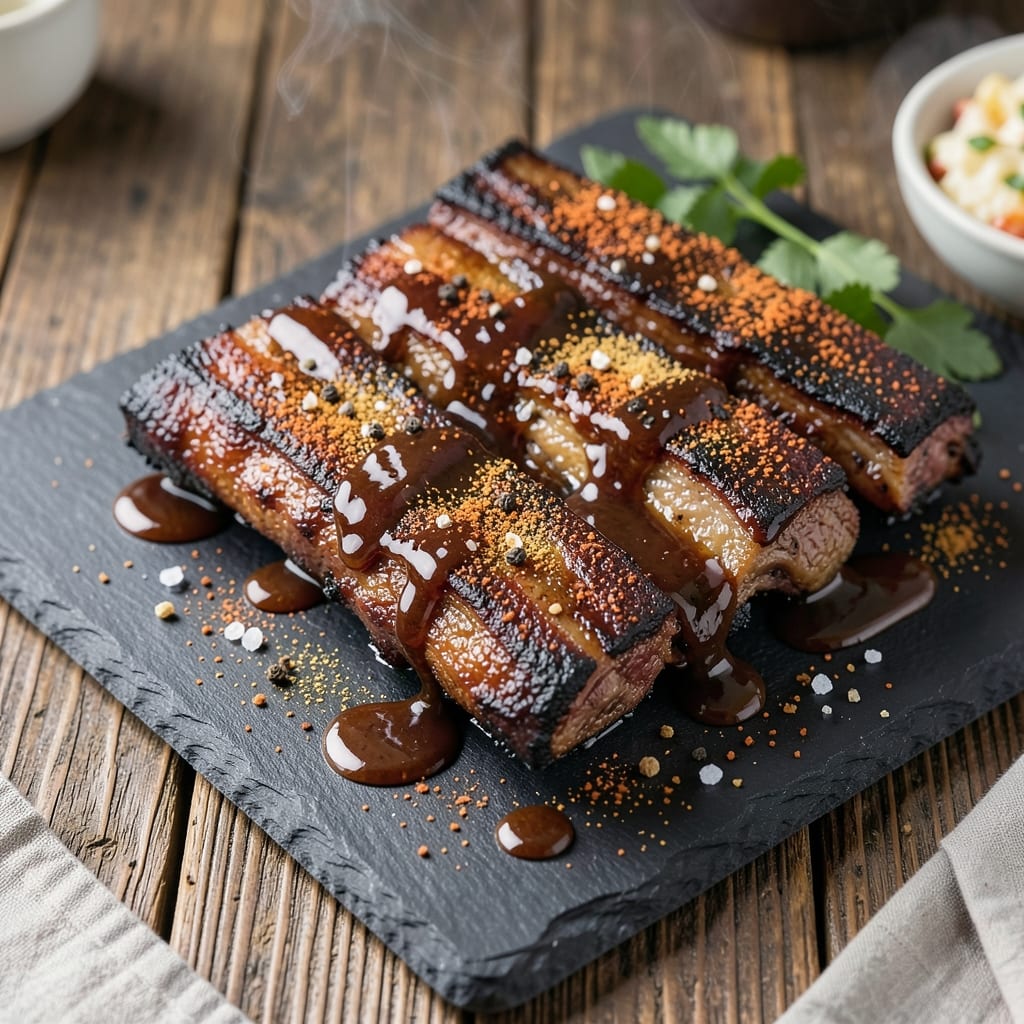
Barbecued beef back ribs transform tough cuts into melt-in-your-mouth perfection with just the right balance of smoky bark and tender meat. 🔥 As someone who grew up surrounded by the rich aromas of slow-cooked ribs, I've spent years refining this technique to deliver restaurant-quality results at home—whether you're using a pellet grill, charcoal smoker, or even your oven. The secret lies in patience and precision, two things that pay off with every bite of that fall-apart meat.
This recipe follows the classic 3-2-1 method, where ribs spend three hours unwrapped, two hours wrapped with liquid, and one hour back unwrapped to develop that coveted bark. We'll use a dry rub packed with brown sugar, paprika, and black pepper to create that signature caramelized crust, while a simple apple cider vinegar and bourbon mop keeps the meat moist and adds depth of flavor. The key is maintaining a consistent temperature between 225°F and 250°F—too hot and you'll end up with tough meat, too cool and you'll waste hours waiting.
By the time you're done, you'll have ribs that are tender enough to pull apart with a fork, with a glossy, dark bark that's impossible to resist. The meat will be buttery and juicy, with layers of smoky flavor that come from both the rub and the cooking process. This isn't just another BBQ recipe—it's the kind of meal that makes people ask for seconds and saves you for leftovers, which taste just as good reheated the next day.
Serve these ribs with classic sides like creamy coleslaw, cornbread, and pickled vegetables to soak up that delicious sauce. The presentation is simple but impressive: arrange the ribs on a platter with the bone side facing up, drizzle with any remaining mop sauce, and garnish with fresh herbs. This is the kind of dish that turns weeknight dinners into special occasions, and once you master it, you'll never go back to store-bought again.
Ingredients for barbecued beef back ribs
Four pounds of beef back ribs plus a handful of pantry staples. That's all you need for ribs that'll have everyone asking for seconds.
| Ingredient | Amount | Notes |
|---|---|---|
| Beef Back Ribs 🥩 | 4 lb | Bone-in, meaty cuts preferred |
| Brown Sugar 🍯 | ½ cup | Light or dark variety |
| Smoked Paprika 🌶️ | 2 tbsp | For deep smoky flavor |
| Ground Black Pepper 🌶️ | 1 tbsp | Freshly cracked for best flavor |
| Kosher Salt 🧂 | 1 tbsp | Diamond Crystal preferred |
| Garlic Powder 🧄 | 1 tbsp | Freshly ground preferred |
| Onion Powder 🧅 | 1 tbsp | For balanced flavor |
| Apple Cider Vinegar 🍎 | ½ cup | For tangy mop sauce |
| Bourbon 🍷 | ¼ cup | Or apple juice for non-alcoholic |
| Yellow Mustard 🍯 | 1 tbsp | For mop sauce binding |
| Butter 🧈 | 2 tbsp | Unsalted for wrapping |
| Fresh Rosemary 🌿 | ¼ cup | Chopped for garnish |
| Fresh Thyme 🌿 | ⅛ cup | Chopped for garnish |
| Aluminum Foil 📄 | 2 sheets | Heavy-duty for wrapping |
The ribs are the star, so grab the meatiest bone-in cuts you can find—Costco or your local butcher usually have the best selection. Look for good marbling and avoid thin spots. I always buy mine from Whole Foods or a trusted meat counter where they cut them fresh. The dry rub ingredients? Penzeys or the bulk spice section at Trader Joe's are my go-tos for quality. Smoked paprika is non-negotiable here—it's what gives those ribs that authentic BBQ flavor. And trust me, the extra five minutes to crack fresh black pepper makes a difference.
No bourbon? Apple juice or extra apple cider vinegar works just as well for the mop. Running short on fresh rosemary? Dried rosemary at one-third the amount gets you close. The mustard in the mop is key—it helps the sauce cling to the meat. Dijon mustard adds extra depth if you've got it. For the wrapping stage, butter is your friend—it keeps the ribs moist while they develop that bark. If you're worried about the ribs drying out, add a splash of beef broth when you wrap them. And if you're cooking in a smoker? Hickory or cherry wood chips add that perfect smoky aroma.
These ribs reheat like a dream—just wrap them in foil and warm in the oven for 15 minutes. They actually taste better the next day once everything has melded together. Store leftovers in the fridge for 4-5 days or freeze for up to 3 months. I always make a double batch because they disappear fast. For presentation, arrange the ribs bone-side up on a platter, drizzle with extra mop sauce, and sprinkle with those fresh herbs—instant crowd-pleaser.
Why You'll Love This Recipe
- Foolproof Prep: I swear by this—just slather the ribs with brown sugar, smoked paprika, and black pepper, then let the oven do the work. No brining, no basting, no stress. That caramelized crust forms while I’m still deciding what to watch on TV.
- Sweet-Smoky Magic: The brown sugar turns sticky and glossy, while the smoked paprika gives it that deep, campfire-like warmth. Between us, that first bite—tender meat with a crisp edge—is the kind of flavor that makes people pause mid-conversation.
- Leftovers That Shine: These ribs taste even better the next day. I’ll be real: I’ve reheated them three times, and they’re still the star of my lunch. Wrap them in foil, toss in the fridge, and boom—next-day meal solved.
- Budget Crowd-Pleaser: A full pack of beef back ribs feeds six for less than $20, and everyone walks away happy. Honestly, my college roommate still texts me asking for the recipe—turns out, simple ingredients win every time.
Step-by-step instructions for smoky, fall-apart beef back ribs
Here's how to transform tough ribs into tender, bark-covered perfection.
🍳 Step 1: Create the Dry Rub and Season the Ribs
In a medium bowl, combine the 0.5 cup brown sugar, 2 tbsp smoked paprika, 1 tbsp kosher salt, 1 tbsp garlic powder, 1 tbsp onion powder, and 1 tbsp ground black pepper. Mix thoroughly until the sugar is evenly coated with spices. Real talk: this is where the magic starts—those spices will caramelize into that coveted bark.
Pat the 4 lb beef back ribs completely dry with paper towels (moisture is the enemy of crispy bark). Generously coat both sides of the ribs with the dry rub, pressing it into the meat so it sticks. I like to use my fingers for this—it helps the spices adhere better. Let the seasoned ribs sit at room temperature for 30 minutes before cooking. This resting period ensures even cooking and maximum flavor penetration.
🔥 Step 2: Sear the Ribs for Maximum Flavor
Preheat your grill or smoker to 225°F—this low-and-slow approach is key for tender meat. While it heats up, place the ribs bone-side down on the grill grates. Close the lid and let them sear for 15 minutes without moving them. You'll see the rub start to caramelize and form a crust—this is your signal that the bark is forming.
Here's the thing—don't flip or move the ribs during this initial sear. The goal is to create that dark, smoky bark on the meat-side first. After 15 minutes, flip the ribs bone-side up and continue cooking for another 15 minutes. This two-sided sear ensures even bark development before we move to the slow cook.
⏰ Step 3: Smoke Low and Slow Until Tender
After the initial sear, maintain the temperature at 225°F and continue cooking the ribs for 3-4 hours, or until the internal temperature reaches 195-203°F (use a meat thermometer inserted into the thickest part of the meat, not touching bone). You'll know they're ready when the meat pulls apart easily with a fork or your fingers—no need for a knife.
I press down gently on the ribs during the first minute of the cook to help flatten them slightly. This prevents them from curling and ensures even contact with the heat source. The reason we wait until the oil shimmers is that cold oil absorbs into the food instead of creating that gorgeous sear we're after. If the bark starts to look too thick, you can tent the ribs loosely with the 2 sheets aluminum foil for the last 30 minutes to prevent burning while they finish cooking.
🥘 Step 4: Prepare the Bourbon Mop Sauce
While the ribs smoke, prepare the mop sauce by combining 0.5 cup apple cider vinegar, 0.25 cup bourbon, 1 tbsp yellow mustard, and 2 tbsp butter in a saucepan. Bring to a gentle simmer over medium heat and let it reduce by half—about 5-7 minutes. This sauce will keep the ribs moist and add a tangy depth of flavor.
Once reduced, remove from heat and let it cool slightly. I like to strain it through a fine-mesh sieve to remove any butter lumps, but this is optional. The sauce should coat the back of a spoon—if it's too thick, add a splash of water. Keep this sauce warm in a small saucepan while you finish cooking the ribs.
🍽️ Step 5: Wrap and Finish for Maximum Tenderness
When the ribs reach 195°F internally, it's time to wrap them. Place each rack of ribs on a sheet of the aluminum foil and spread 1 tbsp butter over the meaty side. Then, sprinkle with 0.25 cup chopped fresh rosemary and 0.125 cup chopped fresh thyme. Fold the foil tightly to seal, creating a little pouch that traps steam and helps tenderize the meat.
Return the wrapped ribs to the smoker and cook for another 30-45 minutes until the internal temperature reaches 203°F. This final step ensures the ribs are fork-tender and juicy. Once done, let them rest for 10 minutes before serving. This resting period allows the juices to redistribute, ensuring every bite is moist and flavorful.
To serve, unwrap the ribs and brush generously with the bourbon mop sauce. The combination of the smoky bark, tender meat, and tangy sauce is pure comfort food perfection. Garnish with extra fresh rosemary and thyme for a pop of color and freshness.
Pro Tips For Making Barbecued Beef Back Ribs
- Trim the Silver Skin: That thin membrane on the bone side? It’s the reason your ribs stay tough. Use a sharp knife to peel it off—no need to be gentle, just get it all. I used to leave it on out of laziness, and my ribs always felt rubbery no matter how long I cooked them. ---
- Start with a Hot Smoker: Crank your smoker to 275°F (135°C) for the first hour—yes, even if you’re impatient. This jumpstarts the bark and locks in moisture. After burning through three batches where ribs dried out, I finally learned: high heat first, low and slow after. ---
- Don’t Crowd the Ribs: Leave at least an inch of space between each rack when they hit the grill or smoker. I know, it looks like you’re not using enough, but crammed ribs steam instead of crisp. If you’re short on space, work in batches—your patience will pay off. ---
- Mix Wet and Dry Rubs: Sprinkle brown sugar and smoked paprika after salting the ribs, then hit them with a spray bottle of water. The sugar caramelizes faster and sticks better. I was skeptical until I tried it—now my bark is glossy and deep, not patchy. (Pro move: do this right before smoking.)
Make-ahead tips for barbecued beef back ribs
Prep Ahead
Season your ribs the night before and store them uncovered in the fridge. The dry rub will cling better after the moisture evaporates, giving you that perfect bark when you cook. I've done this with ribs sitting overnight, and the flavor penetration is next-level. Just make sure they're back at room temperature for 30 minutes before hitting the smoker. 💫
Sauce Prep
Make the bourbon mop sauce a day ahead and store it in an airtight container in the fridge. The flavors meld beautifully overnight, and all you'll need to do is warm it up before brushing on the ribs. I like to double the batch because you'll want extra for serving. If you're using bourbon, let it come to room temperature before mixing—cold alcohol can dull the flavors. 🍷
Smoker Prep
Set up your smoker the night before if you're using charcoal or wood pellets. Preheat it to 225°F and let it stabilize overnight. This ensures you start cooking immediately without temperature fluctuations. I keep a small bag of hickory wood chips in the freezer and add them directly to the smoker when it's time to cook. A well-prepped smoker means less stress and more time enjoying the process. 🔥
Rib Storage
If you need to pause cooking, ribs can be safely wrapped in foil and refrigerated for up to 24 hours at 40°F or below. Just reheat them in the smoker at 225°F for 1-2 hours until they reach 195°F internally. I've done this when life gets busy, and the ribs still come out tender and delicious. The key is to keep them wrapped in foil to prevent drying out. ❄️
Leftovers Magic
Leftover ribs reheat beautifully—wrap them in foil and bake at 300°F for 15-20 minutes until warmed through. The flavors actually deepen as the spices meld further. Store leftovers in airtight containers for up to 5 days in the fridge or 3 months in the freezer. I always make extra because they disappear fast, especially when served with my famous coleslaw. 💪
Freezer-Friendly
For long-term storage, freeze cooked ribs in a single layer before transferring to a freezer bag. This prevents freezer burn and makes reheating easier. When ready to eat, thaw overnight in the fridge and reheat in the smoker or oven until 165°F internally. I label my freezer bags with the date to keep track—nothing worse than digging into ribs that have been frozen too long. 🧊
Nutrition facts
Frequently asked questions
What's the best way to trim beef back ribs before cooking?
Leave the ribs mostly intact—just trim any large chunks of fat or silver skin from the bone side. The fat actually helps keep the meat moist during cooking, and removing too much can make the ribs dry. Use sharp kitchen shears to snip excess fat in 1-inch strips, leaving the membrane intact on the meat side for better bark formation.
Can I use a regular oven instead of a smoker?
Preheat your oven to 225°F and place the ribs on a wire rack over a baking sheet. Use a water pan on the lower rack to create steam, which helps tenderize the meat. Cook for 5-6 hours total, wrapping in foil at 195°F for the last 2 hours. The bark won't be as smoky, but the meat will still be tender and flavorful.
How do I know when the ribs are done without a meat thermometer?
Look for three key signs: the meat should pull apart easily with tongs, the bone should wiggle slightly when moved, and you'll see a glossy sheen on the bark. For extra confirmation, press your thumb into the meat—it should feel soft like butter. If it's still firm, return to the smoker for another 30 minutes.
What's the difference between beef back ribs and pork baby back ribs?
Beef back ribs are larger, meatier cuts with more connective tissue that need longer cooking (5-6 hours vs pork's 3-4 hours). The flavor is richer and beef ribs develop that signature bark better. Pork baby backs are smaller, leaner, and cook faster, but lack the same depth of flavor as beef. For this recipe, beef ribs are the star!
Can I substitute bourbon in the mop sauce?
Yes! Use apple juice, beef broth, or even extra apple cider vinegar for a non-alcoholic version. The key is maintaining the same liquid ratio (1:1 with vinegar) to keep the sauce balanced. If using apple juice, reduce it by half first to concentrate the flavor—just like the bourbon would.