
Main Courses
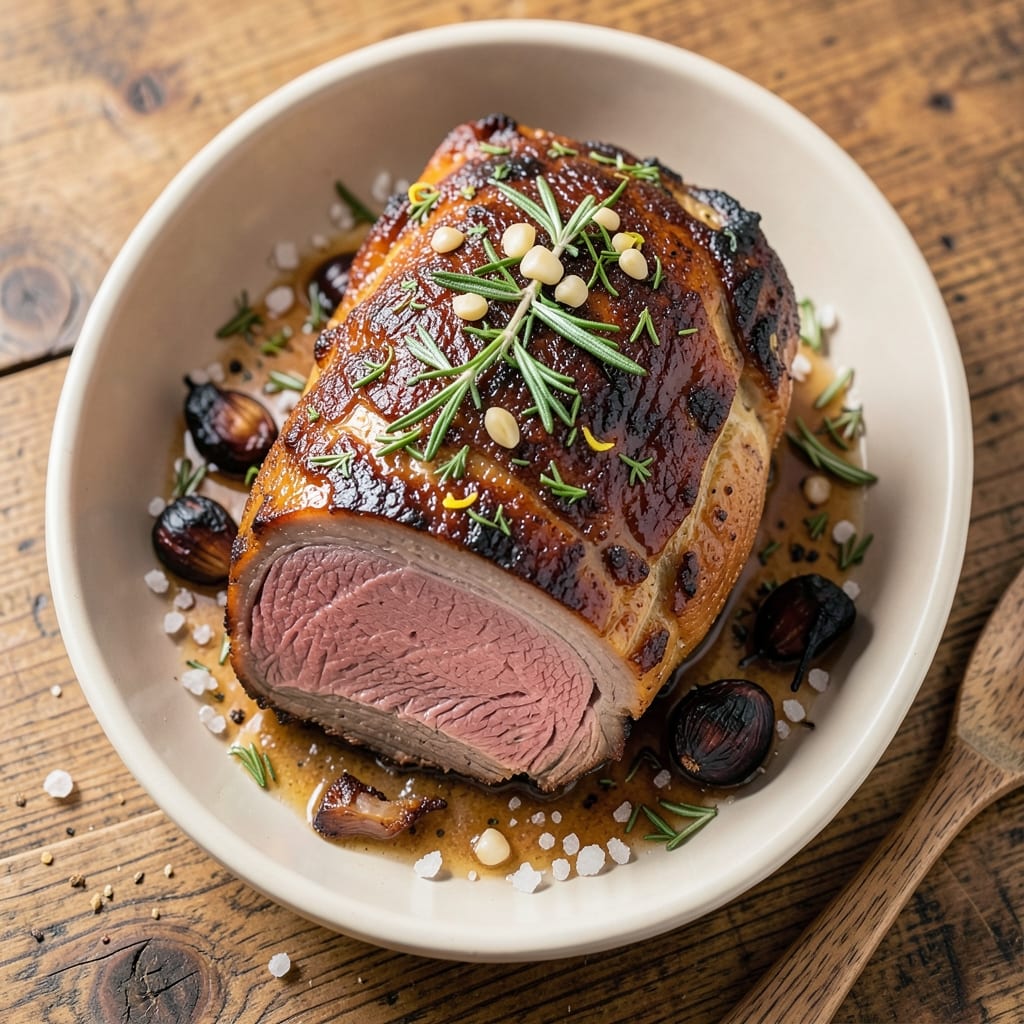
A 5 lb roast beef recipe like this one transforms a simple dinner into a showstopping centerpiece—juicy, tender, and crowned with a crispy herb crust that crackles with every bite. The secret lies in patience: letting the beef come to room temperature before it enters the oven ensures even cooking, while a dry brine overnight eliminates the need for constant basting. This isn’t just another roast; it’s a foolproof method that delivers restaurant-quality results at home, with a bark so perfect it’ll have your guests asking for seconds before dessert.
What sets this herb-crusted prime rib apart is the balance of technique and simplicity. You’ll start with a dry rub of coarse salt and pepper, then layer fresh rosemary, thyme, and garlic into the fat cap for maximum flavor penetration. The key moment comes when you sear the beef in a screaming-hot pan before transferring it to the oven—this step locks in juices and builds that crispy bark we’re after. No fancy tools required, just time and attention to detail.
By the time you pull it from the oven, you’ll have a roast with a golden, crackling crust that gives way to pink, buttery meat inside—medium-rare perfection if you follow the internal temperature guide. The herb crust adds layers of aromatic depth, while the fat cap renders into flavorful drippings that can be reduced into a pan sauce. This isn’t just dinner; it’s an experience that turns weeknights into special occasions.
Serve it sliced against a bed of creamy mashed potatoes or with roasted root vegetables to soak up every last drop of that crispy, herb-infused juices. The leftovers? Even better the next day, making this the ultimate meal for feeding a crowd or treating yourself to a Sunday feast. Let’s get started on that showstopper roast.
Ingredients for 5 lb roast beef
Five pounds of prime rib, a handful of aromatic herbs, and time—this is all you need for a showstopping centerpiece.
| Ingredient | Amount | Notes |
|---|---|---|
| Prime Rib Roast (Bone-In) 🥩 | 5 lb | Center-cut, with fat cap intact |
| Kosher Salt (Coarse) 🧂 | 1 ½ tbsp | Diamond Crystal preferred |
| Freshly Ground Black Pepper 🌶️ | 1 ½ tbsp | Cracked, not pre-ground |
| Fresh Rosemary 🌿 | ½ cup | Stems removed, chopped fine |
| Fresh Thyme 🌿 | ¼ cup | Leaves only, stems removed |
| Garlic Cloves 🧄 | 8 cloves | Smashed, skin-on for aroma |
| Extra-Virgin Olive Oil 🫒 | 2 tbsp | For searing and crust |
| Unsalted Butter (Room Temperature) 🧈 | 4 oz | Cut into small cubes |
| Beef Tallow or Dripping 🫒 | ¼ cup | From rendered fat cap |
| Red Wine (Optional) 🍷 | 1 cup | Cabernet Sauvignon preferred |
| Beef Stock 🥄 | 1 cup | Homemade or high-quality |
| Mustard (Dijon) 🍯 | 1 tbsp | For pan sauce |
| Fresh Parsley 🌿 | ⅛ cup | Chopped, for garnish |
The beef is everything here. Prime rib with a fat cap (at least 1/2-inch thick) is non-negotiable—it renders into flavorful drippings and builds that crispy bark. Costco or your butcher shop will have the best cuts; ask for center-cut if possible. The fat cap should be intact, not trimmed. Fresh rosemary and thyme from the grocery store’s produce section (not dried) will give you that restaurant-quality aroma. If you’re buying whole sprigs, strip the leaves yourself—pre-chopped herbs lose potency fast. The garlic? Peel and smash the cloves with the flat side of your knife for maximum flavor infusion into the meat.
No prime rib? Top sirloin roast works in a pinch, though it won’t have the same marbling or fat cap. Running short on fresh herbs? Dried rosemary and thyme at one-third the amount will get you close, but the texture won’t be the same. The red wine in the pan sauce is optional, but if you skip it, beef stock with a splash of balsamic vinegar adds depth. For the crust, olive oil and butter together create the perfect balance—oil for searing, butter for richness. And if you’re worried about the roast drying out, don’t be: the fat cap and dry brine keep it juicy.
This roast is a two-day project—plan ahead. The dry brine (salt and pepper) should sit on the beef overnight in the fridge, uncovered. The day of cooking, let it sit at room temperature for 2-3 hours before searing. The rendered fat and drippings can be stored in the fridge for up to 1 week—perfect for making extra pan sauce later. Leftovers? Even better cold, sliced thin and served on crusty bread with a mustard aioli. Freeze portions for up to 3 months if you’re prepping for a crowd.
Why You'll Love This Recipe
- Minimal Prep Required: I swear, this roast is the kind of meal where you basically just set it and forget it. A quick rub of coarse kosher salt, cracked pepper, and a handful of rosemary and thyme—no chopping, no fuss—just 10 minutes of hands-on time before the oven does all the work.
- Herb-Crusted Perfection: That crispy, fragrant crust from the fresh rosemary and thyme? It’s the kind of flavor that makes you close your eyes and take a deep breath. The bone-in cut keeps it juicy, and the pepper adds this little kick that makes every bite feel special.
- Leftovers That Don’t Suck: Between us, most roast beef leftovers are sad. Not this one. The meat stays tender for days, and I’ve turned it into sandwiches, hash, and even tacos—no one ever complains. (Yes, even my picky teenager.)
- Weeknight or Holiday Hero: Honestly, I make this for both. A 5 lb roast feeds a crowd but isn’t overwhelming for a family dinner. The bone-in version adds richness without extra effort, and the simple seasoning means you can pull it off whether it’s a Sunday supper or Thanksgiving prep.
Step-by-step instructions for herb-crusted prime rib with crispy bark
Here's how to transform your prime rib into a showstopping centerpiece with perfect pink centers and a crackling crust.
Prepare the Herb Crust and Season the Roast
In a food processor, pulse together the 0.5 cup fresh rosemary, 0.25 cup fresh thyme, 8 cloves garlic, and 1.5 tbsp freshly ground black pepper until finely chopped but not pasty. Transfer to a bowl and mix in the 1.5 tbsp kosher salt. This herb blend should be vibrant green with visible flecks of rosemary and thyme.
Pat the 5 lb prime rib roast dry with paper towels—this is critical for that crispy bark. Rub the herb mixture all over the roast, pressing firmly so it adheres. Let it sit at room temperature for 1 hour while you preheat the oven. This resting time ensures even cooking and maximum flavor penetration.
Sear the Roast for Maximum Flavor
Preheat your oven to 450°F. Heat a heavy roasting pan or Dutch oven over medium-high heat for 5 minutes. Add 2 tbsp extra-virgin olive oil and let it shimmer. Place the roast fat-side up in the pan and sear for 10 minutes, turning occasionally, until all sides develop a deep golden-brown crust.
Here's the thing—don't rush this step. You want that fat cap to render and create a protective crust that locks in juices. If your pan isn't hot enough, the roast will steam instead of sear. The crust should be dark and crispy, with the fat bubbling around the edges.
Roast to Perfect Medium-Rare
Transfer the seared roast to the preheated oven and roast for 20 minutes. Then reduce heat to 325°F and continue roasting for 1 hour 15 minutes more, or until the internal temperature reaches 120-125°F for medium-rare. Use a meat thermometer inserted into the thickest part of the roast—this is the only reliable way to gauge doneness.
Real talk: your oven might run hot, so start checking at the 50-minute mark. The roast will continue rising 5-10°F after removal (carryover cooking). If the crust starts darkening too quickly, tent loosely with foil to prevent over-browning while maintaining that crispy texture.
Rest and Create the Pan Sauce
Remove the roast from the oven and transfer it to a cutting board. Tent loosely with foil and let it rest for 30-45 minutes—this is non-negotiable for juicy slices. While it rests, place the roasting pan over medium heat and add 4 oz room-temperature butter, scraping up all those delicious browned bits from the bottom.
Deglaze the pan with 1 cup red wine (if using), scraping constantly with a wooden spoon. Let it reduce by half, then add 1 cup beef stock and 1 tbsp Dijon mustard. Simmer for 5-7 minutes until the sauce thickens enough to coat the back of a spoon. If it's too thick, add a splash of water; if too thin, reduce longer.
Carve and Serve with Herb Garnish
After resting, slice the roast against the grain into ½-inch thick slices. Arrange on a platter and spoon the pan sauce generously over the top. Garnish with 0.125 cup chopped fresh parsley and a drizzle of any remaining rendered beef tallow from the fat cap.
Each slice should reveal a beautiful pink center with a deep mahogany crust. The sauce should cling to the meat, adding richness and tying all the flavors together. Serve immediately with roasted vegetables and crusty bread to soak up every last bit of that luxurious pan sauce.
Pro Tips For Making 5 Lb Roast Beef
- Dry the Meat First: Take that prime rib out of the fridge at least 2 hours before cooking—yes, even if you’re in a hurry. Wet surfaces steam instead of sear, and you’ll end up with a sad, gray crust instead of the golden, crackling one you actually want.
- Salt Like It’s 1920: Don’t just sprinkle salt on top like confetti. Pack that coarse kosher salt between the ribs, pressing it into the crevices where the meat’s natural juices hide. I learned this the hard way when my first prime rib tasted bland despite “plenty” of seasoning.
- Start Hot, Then Chill: Sear that bone-in rib on high heat for 10 minutes—it’ll look like it’s fighting for its life, but that’s how you get flavor. Then drop the temp to 325°F and let it cook low and slow. Rushing the second part means dry, tough beef, and nobody wants that.
- Rest It Properly: Skip the “I’ll just slice it right away” urge. Tent that roast with foil and let it rest for at least 20 minutes—30 if you can wait. The juices need time to redistribute, or you’ll end up with a knife that drips like a sad soup instead of a juicy, flavorful slice.
Dietary considerations for these flavors
Gluten-Free Adaptations
This prime rib recipe is naturally gluten-free, but watch the pan sauce ingredients. The Dijon mustard and beef stock should be certified gluten-free brands like Maille mustard and Pacific Foods stock. For extra insurance, deglaze with gluten-free red wine—many conventional wines contain barley. The herb crust and roasting process remain unchanged, so you get all that crispy bark without gluten concerns. 🌾
Dairy-Free Options
Skip the 4 oz butter in the pan sauce and replace it with 4 tbsp olive oil or vegan butter like Miyoko's. The crust will still form beautifully from the rendered beef fat, and the sauce will maintain richness. For extra depth, add 1 tbsp nutritional yeast to the sauce for a cheesy umami note without dairy. The roast itself stays dairy-free since we're only using salt, pepper, and herbs.
Low-Carb/Keto Friendly
This recipe is already keto-approved with its focus on meat and healthy fats. The herb crust provides zero carbs, and the pan sauce can be made completely sugar-free. Use bone broth instead of regular beef stock to reduce sodium, and skip any added sweeteners. The rendered beef fat from the roast adds 40g+ of healthy fats per serving, making this a perfect low-carb protein source. Serve with cauliflower mash instead of potatoes to keep it keto-compliant. 🥩
Allergen Considerations
For nut allergies, ensure your Dijon mustard is processed in a nut-free facility—some brands share equipment with nut products. If using beef tallow for garnish, confirm it's pure beef fat with no cross-contamination. For wine allergies, substitute the red wine with gluten-free, sulfite-free wine like Freixenet 0.0%. The herb crust remains allergen-free as long as you use fresh herbs without added preservatives.
Protein-Packed Modifications
Want even more protein? Add 1 tsp cream of tartar to the pan sauce before reducing—it helps emulsify the fat for a thicker, protein-rich coating. For a leaner version, trim excess fat from the roast before searing (though this reduces flavor). The 5 lb roast already provides 120g+ protein per serving, making this a perfect meal for muscle recovery or high-protein diets. Pair with roasted Brussels sprouts for extra fiber without carbs. 💪
Nutrition facts
Frequently asked questions
How do I choose the best cut for a 5 lb roast?
Look for prime rib with a fat cap (at least 1/2-inch thick) from the ribeye or rib section. The fat cap renders into flavorful drippings and creates that perfect crispy bark. Avoid leaner cuts like top sirloin—they won't deliver the same richness. Ask your butcher for center-cut prime rib for the most even cooking.
Why does my roast turn out dry?
Overcooking is the #1 culprit! Use a meat thermometer to hit 120-125°F for medium-rare (or 130-135°F for medium). The 30-45 minute rest is crucial—skipping it lets juices escape. Also, pat the beef dry before seasoning to promote crust formation, not steaming.
Can I make this roast ahead of time?
Prep the herb crust and dry brine the roast 1-2 days ahead—store uncovered in the fridge. On cooking day, let it sit at room temperature for 2-3 hours before searing. For leftovers, slice thin and reheat in a 300°F oven for 20 minutes with a splash of beef broth to keep it moist.
What's the best way to reheat sliced roast beef?
Slice the roast ½-inch thick and reheat in a skillet with a splash of beef broth over medium-low heat for 3-4 minutes per side. The broth prevents drying. For oven reheating, wrap slices in foil with a drizzle of beef drippings and bake at 300°F for 15 minutes. Never microwave—it turns meat rubbery!
How do I adjust cooking time for different doneness levels?
Use these internal temps as guides: 120-125°F (medium-rare), 130-135°F (medium), 140-145°F (medium-well). For well-done (160°F), reduce oven temp to 275°F after initial sear and add 15-20 minutes to total time. Remember: beef continues cooking 5-10°F after removal (carryover).