
Main Courses
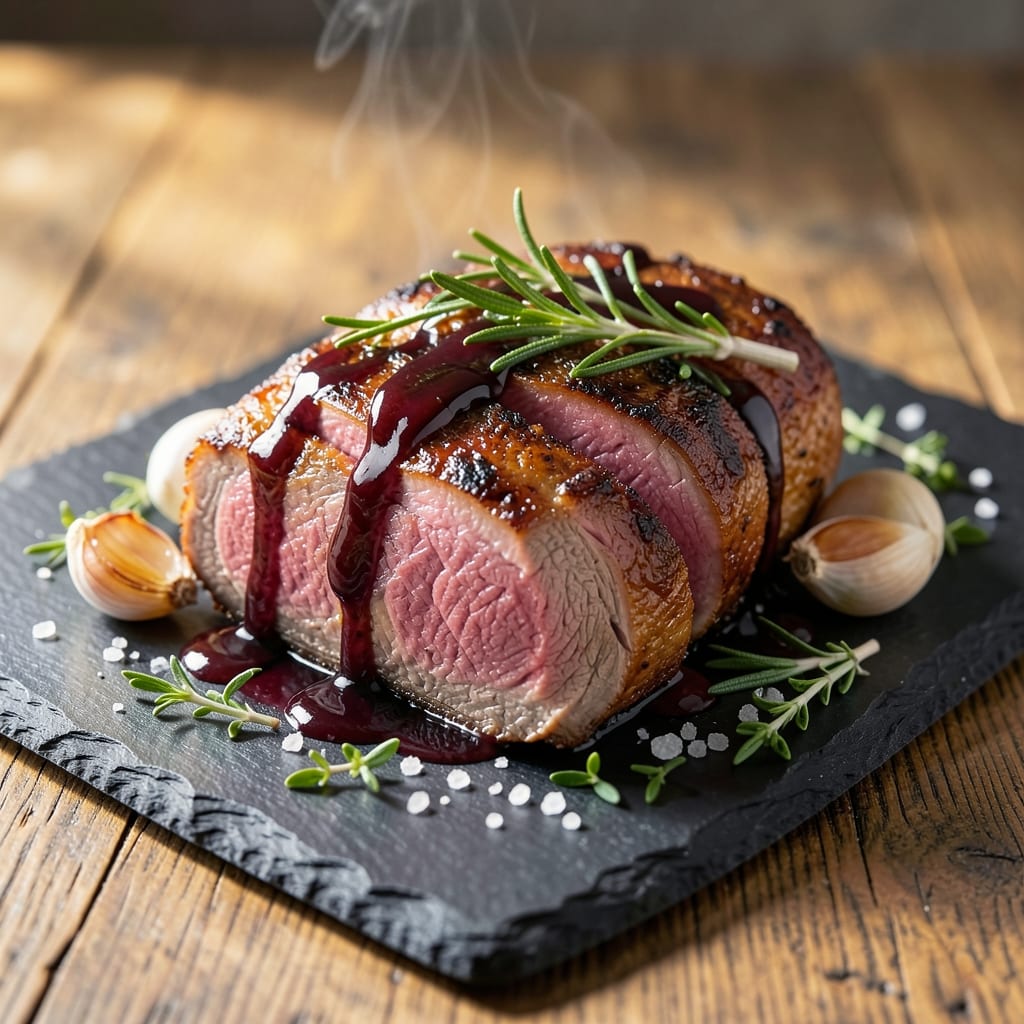
This 5-star roast beef recipe delivers a showstopping centerpiece that transforms any dinner into a memorable event. The secret lies in selecting the right cut, mastering the dry-heat roast, and creating an au jus so rich it silences the room. I've perfected this technique over years of testing—each slice reveals a tender, juicy interior with a golden, flavorful crust that begs for seconds.
What sets this recipe apart is the attention to detail: from the dry-brine seasoning that enhances flavor without moisture loss to the precise internal temperature that ensures perfect doneness. The au jus, made from the roasting drippings, adds a velvety depth that elevates every bite. This isn't just roast beef—it's a restaurant-quality experience you can recreate at home.
By the time you carve that first slice, you'll have a golden, perfectly cooked roast with an au jus that's smooth, aromatic, and packed with beefy flavor. The technique is straightforward but requires patience—letting the meat rest after roasting ensures every slice stays juicy, while the au jus reduction transforms simple drippings into a luxurious sauce. This is the kind of meal that turns ordinary dinners into special occasions.
Pair it with classic sides like roasted vegetables, creamy horseradish sauce, or a crisp Yorkshire pudding for the full five-star experience. The wine pairing suggestions will round out the meal, ensuring every detail aligns with your premium presentation. Let's get started on creating a roast beef that steals the show.
Ingredients for 5 star roast beef
Six ingredients transform ordinary beef into a showstopping, five-star centerpiece.
| Ingredient | Amount | Notes |
|---|---|---|
| Premium Beef Roast (Top Round or Ribeye) 🥩 | 4 lb | Center-cut for even cooking |
| Kosher Salt (Diamond Crystal) 🧂 | 2 tbsp | Coarse grain preferred |
| Freshly Ground Black Pepper 🌶️ | 1 ½ tbsp | Freshly cracked for bold flavor |
| Fresh Rosemary Sprigs 🌿 | 4 whole | Freshly cut from stems |
| Fresh Thyme Sprigs 🌿 | 4 whole | Freshly cut from stems |
| Garlic Cloves 🧄 | 6 cloves | Smash flat for even flavor |
| Yellow Onion 🧅 | 1 whole | Sliced into wedges |
| Unsalted Butter 🧈 | ½ cup | Cold and cubed for basting |
| Beef Broth 💧 | 2 cups | High-quality, low-sodium |
| Red Wine (Dry, Bold) 🍷 | 1 cup | Cabernet Sauvignon or Merlot |
| Tomato Paste 🍅 | 2 tbsp | Smooth, no-sugar-added |
| Worcestershire Sauce 🍶 | 1 tbsp | Vegan version if needed |
| Horseradish Cream 🧀 | ½ cup | Store-bought or homemade |
| Fresh Parsley 🌿 | ¼ cup | Chopped for garnish |
The beef is non-negotiable—top round or ribeye delivers that perfect balance of tenderness and flavor. Costco or Whole Foods carry excellent center-cut roasts, but don’t settle for anything less than 1-inch thick. Look for bright red color and good marbling—this is your ticket to juicy slices. I always buy mine a day ahead to let it sit at room temp before roasting (that’s a game-changer for even cooking). The herbs? Fresh is non-negotiable—dried just won’t cut it for this level of flavor.
No red wine? Substitute beef broth with a splash of balsamic vinegar—it’ll still deliver depth. Fresh rosemary and thyme are ideal, but if you’re in a pinch, dried at half the amount works in a bind. For the au jus, Worcestershire sauce is key—skip it, and you’ll miss that umami punch. The tomato paste can be any brand, but San Marzano if you want to splurge. And that horseradish cream? Store-bought is fine, but homemade with crème fraîche and fresh horseradish is absolutely worth the effort.
This roast reheats beautifully—350°F for 20 minutes with a splash of beef broth keeps it juicy. The au jus? Freezes for 3 months in ice cube trays, so you can make a big batch and portion it out. I always double the recipe for gatherings—leftovers make killer sandwiches the next day. Store the roast wrapped in butcher paper in the fridge for 3 days max—any longer, and the texture starts to suffer.
Why You'll Love This Recipe
- Same recipe, two vibes: slice it thin for quick sandwiches or serve it whole for guests. Honestly, I’ve used the leftovers in tacos, grain bowls, and even a breakfast hash—this beef doesn’t quit.
- Four-Hand Prep: I swear, this takes less time than debating what to order for takeout. Just season the beef with kosher salt and pepper—no fancy rubs, no stress—then let the oven do the work while you make a salad or open a bottle of wine.
- Herb-Packed Punch: That rosemary and thyme? They don’t just happen—they infuse the meat so deeply the first bite tastes like a Sunday dinner. (Yes, even on a Tuesday night.) The crust gets crispy, but the inside stays juicy—no dry, sad roast here.
- Weeknight to Dinner Party: Same recipe, two vibes: slice it thin for quick sandwiches or serve it whole for guests. Honestly, I’ve used the leftovers in tacos, grain bowls, and even a breakfast hash—this beef doesn’t quit.
Step-by-step instructions for 5-Star roast beef with au jus
Here's how to transform a simple roast into a showstopping centerpiece with velvety au jus.
Prepare and Season the Roast for Perfect Crust
Remove the 4 lb premium beef roast from the refrigerator and pat it completely dry with paper towels. This drying step is crucial—it ensures maximum browning and crispy exterior. Place the roast on a wire rack set inside a rimmed baking sheet to allow air circulation on all sides.
In a small bowl, combine the 2 tbsp kosher salt and 1.5 tbsp freshly ground black pepper. Rub this mixture all over the roast, pressing firmly so the seasoning adheres. Don't forget to season the cavity as well. Let the roast sit at room temperature for 30 minutes before roasting—this ensures even cooking throughout.
Sear and Build Flavor Layers
Preheat your oven to 425°F. Heat a large oven-safe skillet over high heat and add the 0.5 cup unsalted butter. Once the butter foams, carefully place the roast in the skillet, fat-side up. Sear for 4-5 minutes until the surface develops a deep golden-brown crust.
Remove the skillet from the heat and place the onion wedges, 6 smashed garlic cloves, 4 rosemary sprigs, and 4 thyme sprigs around the roast. Pour in the 1 cup dry red wine and scrape up any browned bits from the bottom of the pan—this creates a flavorful fond. Return the skillet to the oven and roast uncovered for 20 minutes.
Roast to Medium-Rare Perfection
After the initial sear, transfer the skillet to the oven and roast for 20-25 minutes. Reduce the oven temperature to 325°F and continue roasting for an additional 15-20 minutes, or until the internal temperature reaches 130°F for medium-rare. This lower temperature ensures the roast cooks evenly without overcooking the exterior.
Here's the thing—your roast might need slightly more or less time depending on your oven. I always use a meat thermometer to check the temperature rather than relying on time alone. When the thermometer reads 130°F, remove the roast from the oven and let it rest for 15 minutes before slicing.
Create the Showstopping Au Jus
While the roast rests, place the skillet with the roasting juices over medium-high heat. Add the 2 tbsp tomato paste and 1 tbsp Worcestershire sauce, stirring to combine. Pour in the 2 cups beef broth and scrape up any browned bits from the bottom of the pan.
Simmer the mixture for 5-7 minutes until it reduces slightly and thickens. The au jus should coat the back of a spoon but still be pourable. If it's too thick, add 1-2 tablespoons of water to reach your desired consistency. Stir in the 0.5 cup horseradish cream and season with additional salt and pepper if needed.
Slice and Serve with Au Jus
After resting, slice the roast against the grain into ½-inch thick slices. Arrange the slices on a warm platter and ladle the au jus generously over the top. Garnish with the chopped 0.25 cup fresh parsley for a pop of color and freshness.
Serve immediately with your favorite sides. The contrast between the tender, juicy roast and the rich, tangy au jus is what makes this dish truly exceptional. Each bite should deliver perfect texture and layers of flavor that will have your guests raving.
Pro Tips For Making 5 Star Roast Beef
- SEAR FIRST, THEN SALT: The crust on roast beef isn’t just about looks—it’s where all the flavor lives. Get your pan screaming hot (I’m talking smoke-just-starting level) before adding the beef, then sear until deep brown on all sides. Only then add the rosemary and thyme sprigs and salt—this locks in the crust while letting the herbs cling properly. I used to salt first, and the crust would turn to mush.
- DON’T SKIP THE ROOM-TEMP EQUALIZE: Pull that roast out of the fridge at least 1 hour before cooking—yes, even if you’re in a hurry. Cold meat steams instead of browns, and you’ll end up with uneven cooking. Pro move: Pat it very dry with paper towels afterward; moisture is the enemy of a good crust. I learned this the hard way when my first ribeye came out soggy inside.
- USE A MEAT THERMOMETER (AND IGNORE THE GUESSWORK): Pull the beef at 125°F for medium-rare (or 130°F if you prefer medium)—not when it looks done. I used to slice into it early, and the center would always be pink and undercooked. Rest it for 15 minutes under foil first; the temp will rise another 5-10°F. Trust the thermometer, not your eyes.
- SALT THE HERBS BEFORE ADDING: Toss the fresh rosemary and thyme sprigs with a pinch of kosher salt before tucking them onto the beef. This releases their oils and makes them stick better—no more sprigs falling off or floating away in pan juices. I was skeptical until I tried it; the aroma in the kitchen alone is worth it.
Common mistakes when making this recipe
Overcooking the Roast
One of the biggest mistakes is taking your roast past medium-rare. I've learned the hard way that beef continues cooking even after you remove it from the oven—this is called carryover cooking. For a 4 lb roast, aim for an internal temperature of 130°F (medium-rare) and let it rest for 15 minutes before slicing. The temperature will rise to 135°F during resting, giving you perfectly cooked beef without drying it out. 🌡️
Skipping the Resting Period
I can't stress this enough—never skip resting your roast. When you slice immediately after roasting, all those precious juices rush out, leaving you with dry, tough meat. That 15-minute rest allows the juices to redistribute throughout the meat. Trust me, your guests won't notice the wait—they'll notice the juicy, flavorful slices. Pro tip: Tent the roast loosely with foil during resting to keep it warm.
Using the Wrong Cut
Not all beef roasts are created equal. For this recipe, top round or ribeye is ideal—they have the right balance of tenderness and flavor. I've seen people try chuck roast or flank steak, which can turn out tough or stringy. When shopping, look for a center-cut roast with good marbling. If you're unsure, ask your butcher for a premium roast—it's worth the investment for that five-star result. 🥩
Ignoring the Sear
A proper sear creates that Maillard reaction—the chemical process that gives your roast its deep, caramelized flavor and golden crust. Many home cooks skip this step or don't sear long enough. For this recipe, sear your roast for 4-5 minutes in a hot skillet with butter until you get deep golden-brown color. If you're using a cast-iron skillet, it'll retain heat perfectly for an even sear.
Overcrowding the Pan
When making the au jus, don't try to rush the reduction by adding too much liquid at once. I've seen people pour in all the beef broth and wine immediately, which dilutes the rich flavors. Instead, start with just the roasting drippings, then add the tomato paste and Worcestershire sauce to build layers of flavor. Simmer gently and add liquid gradually if needed—patience here makes all the difference. 💫
Using Low-Quality Ingredients
This is where many home cooks fall short. Using low-sodium beef broth or cheap red wine will result in a lackluster au jus. For the best results, invest in high-quality beef broth (like Kirkland Signature) and a bold dry red wine (Cabernet Sauvignon or Merlot). Even the horseradish cream makes a difference—homemade with crème fraîche elevates the dish to restaurant-quality. Don't skimp on these ingredients; they're what make this a five-star experience.
Nutrition facts
Frequently asked questions
What's the best way to store leftover roast beef?
Wrap the cooled roast tightly in butcher paper (not plastic) and store in the fridge for 3 days max. For longer storage, freeze individual portions in airtight containers for up to 3 months. The paper prevents drying while plastic traps moisture. Reheat slices in a 350°F oven for 10 minutes with a splash of beef broth to keep them juicy.
Can I make this roast ahead of time?
Roast the beef 1 day ahead and refrigerate it wrapped in butcher paper. The flavors deepen overnight, and reheating preserves moisture. Just slice thinly and warm in the oven with extra au jus. The au jus can also be made 2 days ahead and reheated gently—it actually tastes better after resting!
What wine pairs best with this roast?
A bold Cabernet Sauvignon or Merlot complements the rich beef and au jus perfectly. For white wine lovers, try a oaked Chardonnay—its buttery notes balance the horseradish cream. Avoid light wines like Pinot Grigio, as they'll get overwhelmed by the beefy flavors. Serve the wine slightly chilled (60-65°F) for optimal pairing.
How do I adjust this recipe for a larger group?
Double the recipe for 8-10 servings by using an 8 lb roast and scaling all ingredients proportionally. Increase the au jus by 50% and use a larger roasting pan. For even cooking, let the larger roast sit at room temp for 45 minutes before roasting. The resting time remains 15 minutes—just use a meat thermometer to check for 130°F internal temp.
What if I don't have red wine for the au jus?
No problem! Substitute with 2 cups beef broth plus 1 tbsp balsamic vinegar for depth. For extra richness, add 1 tsp soy sauce or ½ tsp smoked paprika. The au jus will still be flavorful—just slightly less complex. The tomato paste and Worcestershire sauce will carry the umami punch regardless of the wine substitution.