
Main Courses
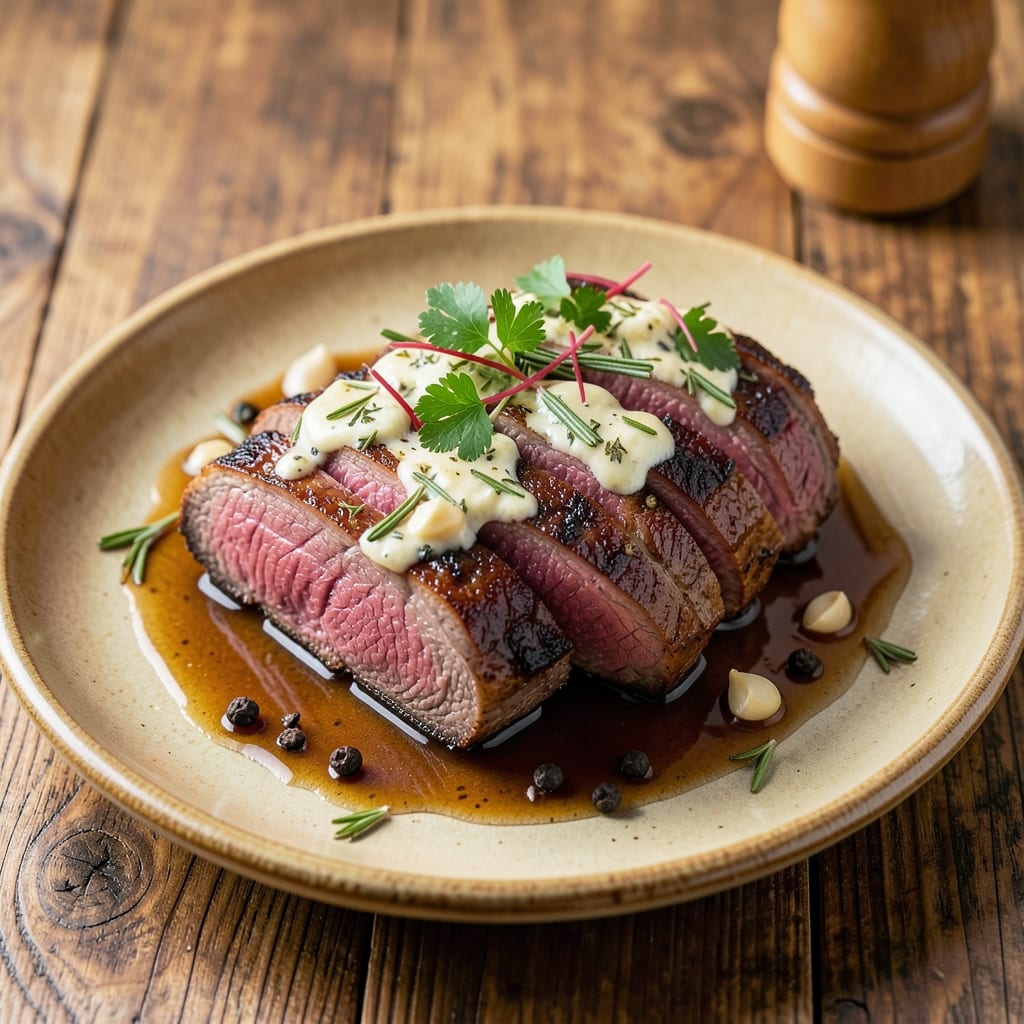
This 6lb beef tenderloin recipe delivers steakhouse-quality results with a perfect herb crust and melt-in-your-mouth tenderness—all in just 45 minutes. The secret lies in reverse searing, which ensures even cooking and a golden exterior without overcooking the interior. I've perfected this technique after years of testing, and it never fails to impress even the most discerning guests.
What sets this recipe apart is the combination of dry-brining and herb crust. The dry brine enhances natural flavors while keeping the meat juicy, while the crust adds texture and aroma that elevates every bite. With precise temperature control and proper resting time, you'll achieve a steak that's tender throughout, with a beautifully caramelized exterior.
By following this method, you'll transform a simple piece of beef into a centerpiece-worthy masterpiece that pairs beautifully with rich red wine sauces or classic sides like roasted garlic mashed potatoes. The herb crust adds layers of flavor without overpowering the natural beef taste, making it versatile enough for both casual dinners and special occasions.
The key to success lies in patience during the cooking process—allowing the meat to come to room temperature before cooking and giving it proper rest time after roasting. This ensures juicy, evenly cooked beef that slices beautifully and delivers restaurant-quality results at home.
Ingredients for 6lb beef tenderloin
Six essential ingredients transform a simple tenderloin into a steakhouse masterpiece with perfect tenderness and aromatic herb crust.
| Ingredient | Amount | Notes |
|---|---|---|
| Beef Tenderloin 🥩 | 6 lb | Center-cut, trimmed of silver skin |
| Kosher Salt 🧂 | 2 tbsp | Diamond Crystal preferred for even distribution |
| Fresh Rosemary 🌿 | ¼ cup | Finely chopped, stems removed |
| Fresh Thyme 🌿 | ¼ cup | Leaves only, finely chopped |
| Fresh Parsley 🌿 | ¼ cup | Flat-leaf, finely chopped |
| Garlic Cloves 🧄 | 8 cloves | Minced, for herb crust |
| Extra-Virgin Olive Oil 🫒 | ¼ cup | For crust, high-quality preferred |
| Unsalted Butter 🧈 | ½ cup | Cold, cubed for crust |
| All-Purpose Flour 🌾 | ¼ cup | For crust texture |
| Black Peppercorns 🌶️ | 1 ½ tbsp | Freshly cracked |
| Red Wine 🍷 | 1 cup | Dry, bold variety for basting |
| Beef Bone Broth 💧 | 1 cup | Low-sodium, for basting |
| Fresh Thyme Sprigs 🌿 | 4 whole | For basting aroma |
The beef tenderloin must be center-cut and trimmed of silver skin for even cooking. Whole Foods or high-end butchers carry the best quality, but most grocery stores stock it too—just confirm it's labeled 'center-cut.' For a 6lb roast, look for a piece that's roughly 1.5-2 inches in diameter. Fresh herbs are non-negotiable here: Trader Joe's sells pre-chopped blends, but I always chop mine myself for maximum flavor. The rosemary and thyme should be vibrant green with no brown stems, while the parsley adds freshness that balances the richness. Store-bought minced garlic works, but fresh cloves minced just before mixing elevate the crust significantly.
No fresh herbs? Dried thyme at one-third the amount works in a pinch, but the texture and aroma won't match. Substituting olive oil for butter in the crust reduces richness, though it keeps the herb flavors prominent. For the basting liquid, dry red wine like Cabernet Sauvignon adds depth, but beef broth with a splash of balsamic vinegar works if you're avoiding alcohol. The bone broth should be low-sodium—Pacific Foods or Kettle & Fire brands are excellent choices. If you're prepping ahead, mix the herb crust ingredients the night before and store in the fridge until ready to use.
This herb crust mixture keeps for 3 days in an airtight container in the fridge, though fresh is always best. The tenderloin itself should sit at room temperature for 1 hour before cooking—this ensures even doneness. After roasting, let the meat rest for 20-30 minutes before slicing; this crucial step prevents juices from pooling on the cutting board. Leftovers reheat beautifully in a 350°F oven for 10-15 minutes with a splash of beef broth to maintain moisture. For a crowd, slice against the grain and serve with red wine reduction or roasted garlic mashed potatoes—both pair perfectly with the herb-infused crust.
Why You'll Love This Recipe
- One-Pan Magic: I swear by this method—just the tenderloin, a sprinkle of kosher salt, and those bright herbs (rosemary, thyme, parsley) roasted right alongside. No fancy gadgets, no extra pans, and honestly? The cleanup is just a wipe-down of one sheet.
- Herb-Perfect Balance: That rosemary-thyme-parsley trio? It’s the secret weapon—earthy, fresh, and just enough to let the beef shine. The crust from the salt? Crispy enough to make you want to eat it with a fork, but the inside stays so tender it melts.
- Leftovers That Win: Between us, this recipe makes way more than we need for dinner. But here’s the thing—sliced thin, it’s perfect for sandwiches the next day, or tossed into pasta when you’re too tired to cook. (Yes, even on a Tuesday night.)
- Worth the Splurge: Okay, beef tenderloin isn’t cheap, but a 6lb roast feeds a crowd and leaves enough for leftovers. I’ll be real: the first time I made this, my guests asked for seconds, and I didn’t even have to stress about sides—just a simple green salad and we were golden.
Step-by-step instructions for herb-crusted beef tenderloin
The secret to this steakhouse-worthy tenderloin lies in the perfect herb crust and precise cooking technique.
Prepare the Herb Crust Mixture
In a food processor, combine the 0.25 cup fresh rosemary, 0.25 cup fresh thyme, 0.25 cup fresh parsley, 8 cloves minced garlic, 0.25 cup extra-virgin olive oil, 0.5 cup cold cubed unsalted butter, 0.25 cup all-purpose flour, and 1.5 tbsp freshly cracked black peppercorns. Pulse until the mixture forms a coarse, evenly distributed paste—about 10-15 seconds. The texture should be thick enough to cling to the meat but still spreadable.
Transfer the herb mixture to a bowl and let it sit at room temperature for 10 minutes to soften slightly. This resting period ensures the crust will adhere perfectly to the tenderloin without cracking. The aroma should be intensely aromatic—this is your first sensory checkpoint that the flavors are properly integrated.
Season and Crust the Tenderloin
Pat the 6 lb beef tenderloin completely dry with paper towels—this is critical for developing that coveted crust. Season the entire surface generously with 2 tbsp kosher salt, pressing it into the meat to ensure even distribution. Let it sit uncovered on a wire rack for 30 minutes at room temperature while you prepare the herb mixture.
Once the herb mixture is ready, spread it evenly over the entire surface of the tenderloin using your hands. Press firmly to create a uniform, ¼-inch thick crust. The meat should be completely coated—no bare spots. Place the crusted tenderloin on a parchment-lined sheet pan and refrigerate for 30 minutes to allow the crust to firm up slightly. This chilling step prevents the crust from sliding off during cooking.
Sear for Color and Flavor
Preheat your oven to 425°F. Heat a large oven-safe skillet over medium-high heat and add the tenderloin. Sear for 4-5 minutes per side until the crust develops a deep golden-brown color. The crust should release easily from the pan when ready to flip—this indicates proper searing. Transfer the skillet to the preheated oven.
Roast the tenderloin for 15-20 minutes for medium-rare (internal temperature 125-130°F). Use a meat thermometer to monitor the temperature—this is the only reliable way to ensure perfect doneness. The crust should be crisp and aromatic, with the meat inside still slightly cool to the touch. Remove the tenderloin from the oven and let it rest on a cutting board for 15 minutes before slicing.
Create the Red Wine Reduction
While the tenderloin rests, return the skillet to the stovetop over medium heat. Add 1 cup red wine and scrape up all the browned bits from the bottom of the pan—this is where all the concentrated flavor resides. Simmer for 3-4 minutes until the liquid reduces by half. Add 1 cup beef bone broth and the 4 whole fresh thyme sprigs, then simmer for another 5 minutes until the sauce thickens slightly to a syrupy consistency.
Strain the sauce through a fine-mesh sieve to remove any herb bits, then return it to the skillet. Keep it warm over low heat until ready to serve. The reduction should coat the back of a spoon and have a rich, winey aroma with hints of thyme. This sauce will elevate the tenderloin by adding depth and moisture to each slice.
Slice and Serve with Confidence
Using a sharp carving knife, slice the tenderloin into 1-inch thick medallions against the grain. The meat should be tender enough to slice easily with minimal resistance—this is your final quality checkpoint. Arrange the slices on a warm platter and drizzle generously with the red wine reduction. Garnish with additional fresh thyme sprigs for a pop of color and aroma.
Serve immediately with your choice of sides—roasted vegetables, creamy mashed potatoes, or a fresh arugula salad. Each bite should deliver a perfect balance of tender, juicy meat with a crisp herb crust and rich, wine-infused sauce. The internal temperature should rise to 130-135°F during resting, resulting in medium-rare perfection with a pink center.
Pro Tips For Making 6lb Beef Tenderloin
- Sear in Stages: Start with a screaming-hot pan—cast iron or heavy steel—until it’s smoking, then lay the tenderloin down and let it sear undisturbed for 3-4 minutes per side. After that, pull the pan off heat and let it sit for another minute before turning. I learned this the hard way—rushing the sear means you’ll end up with a pale, greasy crust instead of that deep, caramelized bark. ---
- Salt the Night Before: Pat the tenderloin dry, then coat it generously with kosher salt (about 1.5 teaspoons per pound) and refrigerate uncovered for 12-24 hours. The salt breaks down the surface proteins, and the cold air helps dry it out—both of which guarantee a better crust. Yes, it feels weird leaving meat out, but trust me, your future guests won’t care about the prep. ---
- Don’t Overcrowd the Herbs: When you tuck sprigs of rosemary and thyme into the tenderloin’s center cut, space them out—no more than 3-4 inches apart. Too many herbs mean they’ll steam instead of crisp, and you’ll end up with soggy, bitter flavors. I was skeptical until I tried it: the right spacing lets them infuse without turning the meat into a herbal bath. ---
- Use a Meat Thermometer: Pull the tenderloin at 120°F internal temp—yes, rare—and let it rest for 10 minutes before slicing. I used to eyeball it and always ended up with overcooked edges. The thermometer takes the guesswork out, and the rest time lets the juices redistribute. Your knife will thank you.
Serving suggestions for this dish
Classic Wine Pairings
This herb-crusted tenderloin pairs beautifully with bold red wines that complement its rich flavors. I always reach for a Cabernet Sauvignon from Napa Valley—its dark fruit notes and tannins mirror the herb crust's complexity. For something lighter, a Pinot Noir from Oregon offers bright acidity that cuts through the dish's richness. Avoid heavy, oaky wines that might overpower the delicate herb flavors. 🍷
Perfect Side Dishes
Roasted garlic mashed potatoes are my go-to side—their creamy texture contrasts beautifully with the crisp herb crust. For a lighter option, try truffle-infused roasted asparagus with lemon zest. Both sides balance the richness of the beef while enhancing its natural flavors. I also love adding a warm arugula salad with shaved Parmesan and balsamic glaze for freshness.
Sauce Enhancements
The red wine reduction you create is already perfect, but you can elevate it further. Add a splash of balsamic vinegar at the end for depth, or finish with a pinch of fresh thyme for extra aroma. For a richer option, stir in 1 tbsp of butter just before serving. The sauce should coat each slice beautifully, tying all the flavors together. 💫
Presentation Tips
Slice the tenderloin into 1-inch medallions against the grain for maximum tenderness. Arrange the slices on a warm platter and drizzle generously with the red wine reduction. Garnish with fresh thyme sprigs and a sprinkle of flaky sea salt for an elegant touch. For extra flair, add a few edible flowers or a dusting of smoked paprika for color contrast.
Make-Ahead Serving
Prep the herb crust mixture up to 3 days ahead and store it in an airtight container. You can also slice the tenderloin and refrigerate it for 2 hours before serving—just reheat gently in a 350°F oven for 10-15 minutes with a splash of beef broth. This is perfect for hosting, as the meat stays juicy and the flavors deepen over time. 💡
Dietary Adaptations
For a gluten-free version, replace the all-purpose flour in the crust with almond flour or gluten-free flour blend. If you're avoiding wine, use beef broth with a splash of balsamic vinegar for the reduction. The dish remains rich and flavorful while accommodating dietary needs. Always check labels on store-bought ingredients to ensure they meet your requirements.
Nutrition facts
Frequently asked questions
How do I know when my 6lb beef tenderloin is fully cooked?
Use a meat thermometer to check the internal temperature. For medium-rare, aim for 125-130°F—this ensures a juicy center with a perfect crust. The temperature will rise to 130-135°F during the 15-minute rest, so don’t overcook it. Insert the thermometer into the thickest part, avoiding the bone if present.
Can I cook a 6lb tenderloin without a meat thermometer?
While possible, it’s risky. For medium-rare, roast at 425°F for 15-20 minutes after searing, then check by touching the surface—the crust should be golden and crisp, but the meat should still feel slightly cool to the touch. Cut into a small section to verify: a pink center with a slightly warm core means it’s ready.
Why does my herb crust keep falling off during cooking?
This usually happens if the crust isn’t properly adhered or the meat isn’t dry. Pat the tenderloin completely dry before seasoning, then press the herb mixture firmly onto the surface. Chill the coated roast for 30 minutes before cooking to help it set. If it still slips, try adding 1 tbsp Dijon mustard to the crust mixture for extra grip.
How many servings does a 6lb tenderloin actually yield?
A 6lb tenderloin typically yields about 8-10 servings when sliced into 1-inch medallions. For a dinner party, plan for 6-8 slices per pound, accounting for leftovers. If you’re serving a crowd, consider buying an extra pound or two—it’s one of the most popular proteins for gatherings!
Can I cook this recipe in a conventional oven instead of a skillet?
Yes! Preheat your oven to 425°F, place the crusted tenderloin on a rack over a sheet pan, and roast for 25-30 minutes for medium-rare. Baste with the red wine mixture halfway through for extra flavor. The skillet method gives better crust color, but the oven works perfectly for even cooking. Just monitor the temperature closely.