
Soups & Stews
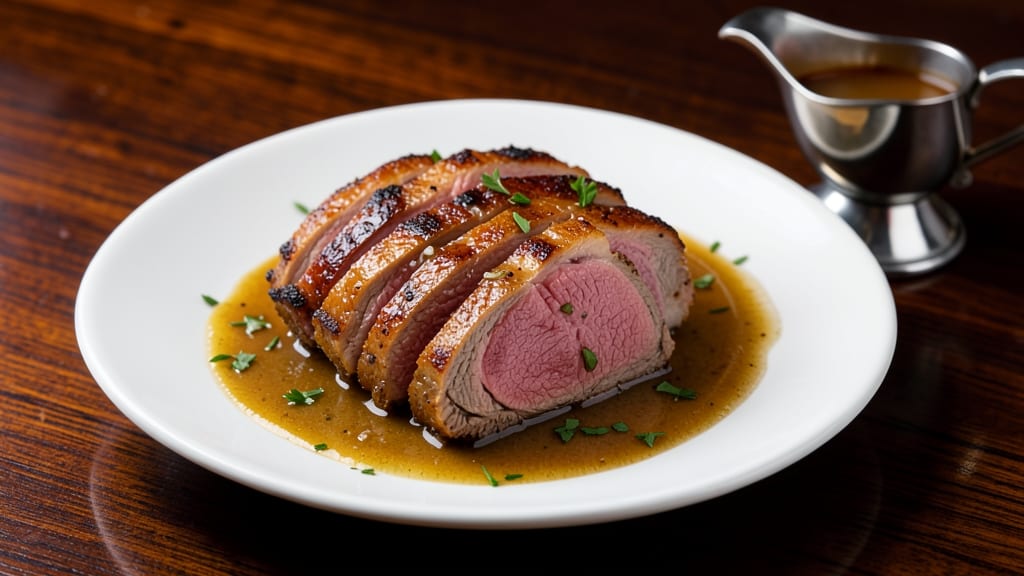
This au jus recipe with beef consommé transforms simple ingredients into a luxurious, umami-rich gravy that elevates any beef dish. The secret lies in clarifying the consommé to remove impurities, then reducing it with a touch of red wine and beef broth for depth. Unlike store-bought versions, this homemade sauce delivers a velvety texture and concentrated beef flavor that clings perfectly to roasts, steaks, or even mashed potatoes.
The process is straightforward but requires patience—simmering the consommé with aromatics and wine allows the flavors to meld into a harmonious, savory base. A final reduction intensifies the richness without overpowering the natural beef taste. What sets this apart is the clarity and brightness achieved through proper clarification, ensuring a smooth, restaurant-quality finish every time.
What you’ll end up with is a glossy, golden-brown sauce that’s deeply savory yet balanced, with just the right amount of tang from the wine. The aroma alone will transform your dinner table, while the sauce’s ability to cling to proteins makes every bite feel special. Perfect for drizzling over Sunday roasts, steakhouse-style meals, or even as a dipping sauce for fries.
This recipe scales beautifully—whether you’re cooking for two or a crowd—and stays fresh in the refrigerator for up to 5 days. The key is keeping the consommé clear and the reduction controlled, so the final product remains vibrant and full of flavor. Let’s make it.
Ingredients for au jus recipe with beef consomme
Ten carefully chosen ingredients transform ordinary beef into a restaurant-quality au jus.
| Ingredient | Amount | Notes |
|---|---|---|
| Beef Consommé 🥩 | 4 cups | Homemade or high-quality store-bought |
| Red Wine 🍷 | ½ cup | Bold dry variety like Cabernet Sauvignon |
| Beef Broth 💧 | 1 cup | Low-sodium preferred for flavor control |
| Unsalted Butter 🧈 | 2 tbsp | Cold for proper emulsification |
| All-Purpose Flour 🌾 | 1 tbsp | For thickening the reduction |
| Shallots 🧅 | 2 whole | Finely minced for aromatic base |
| Garlic Cloves 🧄 | 3 cloves | Peeled and smashed for depth |
| Fresh Thyme 🌿 | ½ tsp | Leaves only, finely chopped |
| Diamond Crystal Kosher Salt 🧂 | ½ tsp | Adjust to taste at the end |
| Black Peppercorns 🌶️ | ¼ tsp | Freshly cracked for brightness |
The consommé is the foundation—homemade yields the best clarity and depth, but high-quality store-bought brands like Kitchen Basics or Swanson work in a pinch. For homemade, clarify with egg whites and ice baths, but if shortcutting, ensure it's free of impurities. The red wine should be bold and dry—Cabernet Sauvignon or Merlot—as their tannins integrate beautifully with the beef. Shallots and garlic are non-negotiable; their aromatic compounds elevate the sauce's complexity. Fresh thyme adds a subtle herbal note that rounds out the richness, while black peppercorns provide a subtle crack that brightens the final product.
No red wine? Substitute with additional beef broth and a splash of balsamic vinegar for acidity, though the depth will differ. Swap shallots for yellow onions at double the amount, but they'll add more sweetness. Fresh thyme unavailable? Dried thyme at one-third the quantity suffices, though texture will vary. For thickening, a roux made with butter and flour is ideal, but cornstarch slurry works in a bind. The key is patience—rushing the reduction dulls the flavors, so simmer gently until the desired consistency is reached.
Store the finished au jus in an airtight container in the refrigerator for up to 5 days, though it's best used within 3 days for peak flavor. For longer storage, freeze in ice cube trays for up to 3 months, then transfer to a sealed bag. Reheat gently over low heat, stirring occasionally, to prevent scorching. This sauce is versatile—drizzle over roasts, steaks, or even mashed potatoes, but always reheat to a simmer before serving to restore its velvety texture.
Why You'll Love This Recipe
- Pan-Sauce Magic: I swear by this roux trick—just butter, flour, and a splash of red wine—transforming plain beef consommé into something silky and rich. No fancy techniques, just a whisk and 10 minutes of stirring while you chop veggies for the rest of dinner.
- Wine-Infused Depth: That red wine isn’t just for flavor—it’s the secret weapon. It cuts through the richness of the consommé and beef broth, leaving behind a bright, almost umami-packed sauce that clings to every bite of roast or steak. Honestly, my non-wine-drinking husband now asks for it by name.
- Leftovers Reinvented: Turn yesterday’s roast beef into tomorrow’s hero. This au jus reheats like a dream—just warm it gently, and it’s ready to drizzle over mashed potatoes, toss with noodles, or slather on grilled cheese. (Yes, even on a Tuesday night.)
- Budget-Friendly Luxury: You’d think a sauce this elegant would break the bank, but beef consommé and broth stretch for days. I’ve made this for date nights, game days, and lazy Sundays—no one ever guesses it’s basically a pantry upgrade. Between us, it’s my go-to for feeding a crowd without stress.
Step-by-step instructions for crafting au jus with beef consommé
This method transforms simple ingredients into a velvety, umami-rich au jus that elevates any beef dish.
Develop the Aromatic Base
Melt the 2 tbsp unsalted butter in a medium saucepan over medium heat. Add the 2 whole shallots and 3 cloves garlic cloves, cooking until the shallots soften and turn translucent—about 5 minutes. This gentle cooking prevents bitterness while building depth of flavor.
Stir in the 0.5 tsp fresh thyme and cook for another 30 seconds until fragrant. The thyme's earthy notes will complement the wine's acidity later. Keep the heat at medium to ensure even cooking without browning the aromatics prematurely.
Create the Roux for Thickening
Reduce heat to medium-low and whisk in the 1 tbsp all-purpose flour, cooking for 1-2 minutes until the mixture turns a pale golden color. This creates a blond roux that will gently thicken the sauce without adding graininess. Stir constantly to prevent burning.
Slowly pour in the 0.5 cup red wine, whisking continuously to incorporate completely. The wine should reduce by half—about 3-4 minutes—until it coats the back of a spoon. This step is critical for developing the sauce's complexity and removing alcohol's sharpness.
Build the Umami Foundation
Add the 1 cup beef broth and 4 cups beef consommé, bringing the mixture to a gentle simmer. The consommé's rich, clarified base will carry the sauce's depth while the broth adds body. Simmer uncovered for 10 minutes to allow flavors to meld and the liquid to reduce slightly.
Season with the 0.5 tsp diamond crystal kosher salt and 0.25 tsp black peppercorns, adjusting to taste. The salt should enhance all flavors without overpowering, while the cracked pepper adds a subtle brightness. Taste frequently during this stage to balance seasoning.
Finish and Emulsify
Remove the sauce from heat and whisk in the remaining 1 tbsp unsalted butter, cut into small pieces. The cold butter will emulsify with the hot liquid, creating a silky texture. Return to low heat just until the butter melts completely—about 1 minute—then strain through a fine-mesh sieve for a perfectly smooth finish.
Serve immediately over sliced beef or use to deglaze roasting pans. The au jus should coat the back of a spoon with a glossy sheen, offering layers of wine, beef, and herb complexity in every bite. For best results, keep warm over low heat if not serving immediately.
Pro Tips For Making Au Jus Recipe With Beef Consomme
- Whisk Butter-Flour Fast: DESCRIPTION: Melt the butter first, then toss in the flour all at once—no need to fuss with gradual additions. I used to stir it in slowly, but this lump-free roux happens in under 30 seconds, and it’s the foundation for your sauce’s richness.
- Deglaze Hot: DESCRIPTION: Keep the pan screaming hot when you add the red wine—it’s the only way to pull up those browned bits stuck to the bottom. Cold wine just sits there; heat turns it into flavor gold. (Yes, even if you’re impatient like me.)
- Strain Twice: DESCRIPTION: First strain the consommé through a fine-mesh sieve to catch any sediment, then filter it again through cheesecloth for crystal-clear perfection. Skimping here means cloudy au jus, and no one’s impressed by that.
- Simmer, Don’t Boil: DESCRIPTION: A gentle simmer—tiny bubbles, occasional swirls—keeps the sauce silky instead of turning it into glue. After the roux forms, drop the heat or you’ll end up with a thick, grainy mess instead of velvety au jus. (Your future self will notice the difference.)
Dietary considerations for this recipe
Gluten-Free Adaptation
Replace the 1 tbsp all-purpose flour with 1 tbsp cornstarch to maintain thickening without gluten. Mix the cornstarch with 2 tbsp cold water first to create a smooth slurry, then whisk it into the saucepan after cooking the aromatics. This ensures the same velvety texture without compromising dietary needs. 🌾
Low-Sodium Options
Use low-sodium beef broth (or homemade consommé) to control sodium levels, then reduce the 0.5 tsp kosher salt to 0.25 tsp initially. Taste as you go and add more if needed—this keeps the sauce flavorful without excess salt. For extra depth, add 1 tsp Worcestershire sauce (check for gluten-free if necessary).
Dairy-Free Version
Skip the butter entirely and use 2 tbsp olive oil for sautéing the aromatics. For emulsification, stir in 1 tbsp neutral oil (like avocado or grapeseed) at the end instead of butter. The sauce will still coat beautifully and maintain its glossy finish. 🧈
Vegetarian Substitutes
Swap the beef consommé for mushroom consommé (simmered with 8 oz sliced mushrooms, 1 cup vegetable broth, and 1 tsp soy sauce for umami). Use 1 cup red wine and 1 cup vegetable broth in the reduction, and add 1 tsp smoked paprika for depth. The wine and mushrooms provide the rich, savory base needed for au jus.
Allergy-Friendly Tips
For nut allergies, ensure all ingredients (like consommé or broth) are nut-free. If using store-bought consommé, check labels for hidden allergens. For soy allergies, avoid Worcestershire sauce and opt for 1 tsp tamari (gluten-free soy sauce alternative) instead. Always verify ingredient sources to keep the dish safe for sensitive eaters.
Nutrition facts
Frequently asked questions
Can I use regular beef broth instead of consommé?
While you can substitute beef broth, it won’t have the same clarity or depth. Consommé’s clarity comes from removing impurities, which gives au jus its signature glossy finish. For a similar effect, strain your beef broth through a fine-mesh sieve after simmering with aromatics for 30 minutes. The result won’t be as refined, but it’ll still work in a pinch.
Why does my au jus look cloudy?
Cloudiness usually means unclarified consommé or overcooking the aromatics. For a crystal-clear finish, strain the sauce through a fine-mesh sieve after adding butter. If using store-bought consommé, check for impurities—some brands aren’t fully clarified. Avoid high heat when cooking shallots and garlic to prevent bitterness, which can also cause cloudiness.
How do I adjust the thickness?
Too thin? Simmer uncovered for another 5-10 minutes to reduce. Too thick? Thin with 1-2 tbsp warm beef broth or consommé, whisking constantly. For extra body, whisk in 1 tsp cold butter at the end—it’ll emulsify naturally. The ideal consistency coats the back of a spoon but still flows easily.
Can I make this ahead of time?
Yes! Store in an airtight container in the fridge for up to 5 days, though flavor peaks within 3 days. For longer storage, freeze in ice cube trays (up to 3 months)), then transfer to a bag. Reheat gently over low heat, stirring often to prevent separation. Avoid microwaving—it can break the emulsification and make the sauce grainy.
What’s the best wine for au jus?
Use a bold, dry red like Cabernet Sauvignon or Merlot—their tannins integrate beautifully with beef. Avoid sweet or oaky wines (like Zinfandel), as they’ll overpower the sauce. If you must use white wine, substitute with 1 cup beef broth + 1 tbsp balsamic vinegar for acidity. The wine’s job is to add depth, not dominate the flavor.