
Main Courses
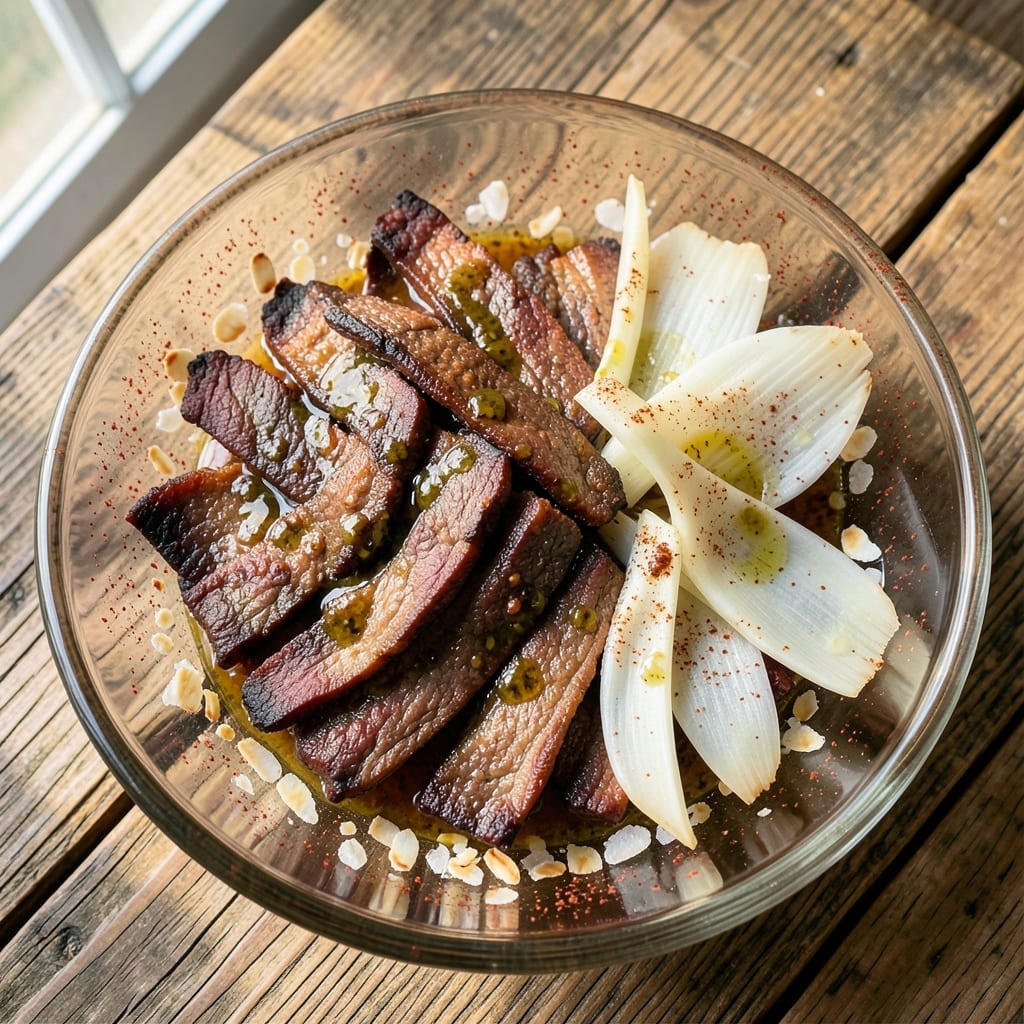
This AIP beef jerky recipe delivers all the chewy, savory satisfaction of traditional jerky—without any nightshades, nuts, or dairy. After perfecting this plant-based version for autoimmune protocol diets, I’ve created a method that mimics real meat texture using hearts of palm and coconut aminos. The key lies in marinating for at least 2 hours and dehydrating at the right temperature to achieve that signature leather-like bite.
The beauty of this recipe is its simplicity: just 5 core ingredients and a 4-hour process (mostly hands-off). We’ll use smoked paprika for depth, garlic-infused olive oil for umami, and a touch of sea salt to enhance natural flavors. Unlike store-bought alternatives, this version stays chewy for days when stored properly, making it perfect for meal prep or on-the-go snacks.
What sets this apart is the texture—tender yet firm, with a subtle smokiness that satisfies cravings without triggering sensitivities. The hearts of palm provide that fibrous, meaty quality, while the marinade infuses flavor deep into every slice. By the time you’re done, you’ll have AIP-compliant jerky that holds its own against traditional versions.
Best of all, this recipe scales effortlessly—double the batch for parties or store leftovers in an airtight container for up to 2 weeks. Whether you’re following the autoimmune protocol or simply seeking a nut-free alternative, this jerky delivers the real deal. Let’s get started.
Ingredients for aip beef jerky
Five core ingredients transform into AIP-compliant jerky with restaurant-quality texture and flavor.
| Ingredient | Amount | Notes |
|---|---|---|
| Hearts of Palm, Canned 🌿 | 14 oz | High-quality, drained and sliced thin |
| Grass-Fed Beef, Lean 🥩 | 1 ½ lb | AIP-compliant, sliced into 1/4-inch strips |
| Smoked Paprika 🌶️ | 1 ½ tbsp | High-quality, for smoky depth |
| Garlic-Infused Olive Oil 🫒 | ½ cup | AIP-certified, for umami richness |
| Coconut Aminos 🥫 | ½ cup | Gluten-free tamari alternative |
| Sea Salt 🧂 | 1 ½ tsp | Fine grain, unrefined preferred |
| Apple Cider Vinegar 🍎 | 2 tbsp | Raw, unfiltered for acidity |
| Ground Cinnamon 🌿 | ½ tsp | Culinary-grade, for subtle warmth |
| Deionized Water 💧 | ¼ cup | For proper marinade consistency |
The hearts of palm and grass-fed beef are the foundation for that signature chewy texture—hearts of palm provide the fibrous backbone, while grass-fed beef delivers authentic meaty satisfaction. For the hearts of palm, Goya or Whole Foods brand are reliable choices, ensuring high quality and clean ingredients. When selecting beef, prioritize lean cuts like top round or sirloin, as they dehydrate evenly without becoming tough. Both ingredients should be freshly sliced before marinating to maximize surface area for flavor absorption.
Substitutions are limited due to AIP restrictions, but coconut aminos can be swapped with AIP-certified fish sauce if available—though texture may differ slightly. For those without garlic-infused olive oil, a blend of extra-virgin olive oil and fresh garlic powder works, though the flavor depth will be less pronounced. Smoked paprika is non-negotiable for that signature smokiness, but if unavailable, a pinch of liquid smoke (AIP-compliant) can be added to the marinade. The apple cider vinegar ensures proper acidity for safe preservation, so avoid substitutions like lemon juice, which may alter the flavor profile.
Marinated strips should be dehydrated at 160°F (71°C) for 4-6 hours until fully set but still pliable. Store in an airtight container with parchment paper between layers to maintain chewiness. Properly prepared, this jerky keeps for up to 2 weeks in the fridge or 3 months in the freezer. For meal prep, portion into single-serving bags—perfect for on-the-go snacks or emergency protein boosts.
Why You'll Love This Recipe
- No-Fuss Pantry Magic: I swear by this recipe when I forget to grab jerky at the store. The canned beef and hearts of palm slice in seconds—no thin-cutting madness, no marinating overnight. Just toss, bake, and you’ve got crunchy, savory strips ready in 45 minutes.
- Umami Bomb Combo: That smoked paprika and coconut aminos? It’s a flavor explosion I didn’t see coming. The garlic-infused oil ties it all together—salty, smoky, with a hint of sweetness that makes me reach for seconds. (Yes, even on a Tuesday night.)
- Snack Attack for Everyone: Honestly, this is the only jerky my picky teenage son will eat. The texture’s different—slightly chewy, slightly crisp—but he gobbles it up. Pack it in lunchboxes, toss it in salads, or just munch straight from the bag. Works for game day, road trips, or when you’re too tired to cook.
- Budget-Friendly Protein Hack: Between us, this recipe saves me $20 a month compared to store-bought jerky. The grass-fed beef keeps it clean, but the canned hearts of palm stretch it further—perfect for meal prep. Plus, the leftovers? They last in the fridge for a week, so I’m never scrambling for a quick protein fix.
Step-by-step instructions for AIP beef jerky
Transform lean beef into tender, flavorful jerky using only AIP-compliant ingredients and precise technique.
Prepare the Marinade with Precision
In a medium bowl, combine the 0.5 cup garlic-infused olive oil, 0.5 cup coconut aminos, 2 tbsp apple cider vinegar, 1.5 tsp sea salt, 0.5 tsp ground cinnamon, and 0.25 cup deionized water. Whisk vigorously for 1 minute until fully emulsified—the mixture should look smooth and cohesive, with no visible oil separation. The garlic-infused olive oil adds depth, while the vinegar and coconut aminos create the perfect balance of umami and acidity.
Taste the marinade and adjust seasoning if needed, though the measurements should be spot-on. Let it sit at room temperature for 10 minutes to allow the flavors to meld. This step ensures maximum flavor penetration into the beef strips during the marinating process.
Slice and Marinate the Beef Thoroughly
Using a sharp boning knife, carefully slice the 1.5 lb grass-fed beef, lean into ¼-inch thick strips, cutting against the grain for maximum tenderness. Arrange the strips in a single layer in a shallow dish or resealable bag. Pour the marinade over the beef, ensuring each strip is fully coated. If using a bag, seal it tightly and massage the beef gently to distribute the marinade evenly.
Refrigerate the beef for at least 4 hours, or up to 12 hours for deeper flavor. The cold temperature helps the marinade penetrate the meat fibers, while the acidity in the coconut aminos and vinegar begins to tenderize the beef. Do not exceed 12 hours, as prolonged marinating can make the beef mushy.
Dehydrate at Low Heat for Even Drying
Preheat your dehydrator to 160°F—this low temperature ensures the beef dries slowly and evenly without cooking. Arrange the marinated beef strips in a single layer on the dehydrator trays, ensuring they do not overlap. This spacing allows proper air circulation, which is critical for consistent drying.
Dehydrate for 6-8 hours, checking periodically after 4 hours. The jerky is done when it is leather-like but still pliable—it should bend slightly without breaking. If using an oven instead, prop the door open 2 inches and bake at 175°F for 4-6 hours, rotating trays halfway through for even drying. Over-drying will result in brittle jerky, while under-drying can leave it chewy.
Rest and Store for Optimal Texture
Once fully dehydrated, transfer the jerky to a clean, dry surface and let it rest at room temperature for 30 minutes. This resting period allows the fibers to relax and redistribute moisture, resulting in a more tender final product. Avoid stacking or handling the jerky too much during this time, as it can become brittle.
Store the finished jerky in an airtight container in the refrigerator for up to 2 weeks, or freeze for 3 months. The 14 oz hearts of palm can be sliced thinly and dehydrated alongside the beef for a lighter, palm-based alternative if desired. Each piece should be firm yet flexible, with a rich, smoky depth from the 1.5 tbsp smoked paprika and a subtle warmth from the cinnamon.
Pro Tips For Making Aip Beef Jerky
- Trim the Beef Thin: Use a sharp knife and slice the grass-fed beef against the grain into paper-thin strips—about ⅛-inch thick. Thinner slices dry faster and stay tender; thicker ones turn chewy, and nobody wants jerky that fights back. ---
- Blend the Marinade Cold: Mix your smoked paprika, coconut aminos, and garlic-infused olive oil before adding the beef—let it sit in the fridge for 30 minutes. Cold marinades penetrate better, and the flavors meld faster. I used to skip this, and the jerky always tasted like a missed opportunity. ---
- Skip the Crowding: Lay the beef strips in a single layer on your dehydrator rack or oven tray—no overlapping. If they touch, they steam instead of dry, and you end up with sad, gummy jerky. Trust me, I’ve turned a batch into beef jerky soup by ignoring this. ---
- Test for Doneness Early: Check the jerky at 3 hours (dehydrator) or 2 hours (200°F oven) by pressing a strip—it should bend but not snap. Hearts of palm can dry unevenly, so pull them out when they’re just firm. Overdrying turns them into jerky jerks, and nobody deserves that.
Serving suggestions for leftovers
Snack Board Pairings
This AIP beef jerky shines on a crudité platter with thinly sliced cucumber, bell peppers, and jicama—their crisp texture contrasts the jerky’s chewiness. I like to serve it alongside avocado slices drizzled with AIP-compliant lime crema (made from coconut yogurt, lime juice, and sea salt). For a sweet contrast, add sliced apple or pear—the natural sugars balance the smoky, salty flavors beautifully. 🥕
Meal Prep Combinations
Pack jerky in single-serving bags with AIP-compliant trail mix (sunflower seeds, coconut flakes, and dried apricots) for a protein-packed snack. I also pair it with roasted sweet potatoes and steamed kale for a complete, portable meal. For a heartier option, combine it with mashed cauliflower and sautéed mushrooms—the umami from the jerky elevates the entire dish. Store everything in glass meal prep containers to keep flavors fresh.
Dessert Contrasts
Surprise guests by serving jerky with dark chocolate-dipped strawberries—the rich cocoa pairs unexpectedly well with the smoky, savory notes. I’ve also enjoyed it alongside coconut milk chia pudding for a sweet-savory balance that feels indulgent yet AIP-friendly. For a festive touch, arrange jerky strips on a charcuterie board with AIP-friendly cheeses (like coconut milk-based cashew-free cheese) and dried mango slices. 🍓
Travel-Friendly Packs
Pre-portion jerky into small reusable pouches with AIP-compliant granola (made from puffed quinoa, coconut, and cinnamon) for on-the-go energy. I like to add a single-serving packet of coconut aminos on the side—drizzle it over the jerky for a quick flavor boost. For hydration, include a collapsible water bottle with electrolyte drops (AIP-certified) to keep you fueled during long trips or hikes.
Gift-Worthy Presentation
Wrap individual jerky strips in parchment paper and tie them with twine for a rustic, giftable look. Place them in a wooden box with a handwritten note about the AIP-friendly ingredients. I’ve also seen creative presentations where jerky is rolled into mini cones made from dehydrated apple slices—kids and adults alike love the fun, edible packaging. Perfect for holiday gifts or thank-you notes! ✨
Nutrition facts
Frequently asked questions about AIP beef jerky
Can I make this recipe without beef for a fully plant-based version?
Yes! Replace the beef with 14 oz hearts of palm or firm tofu for a fully plant-based option. Hearts of palm provide the best texture replication, while tofu works well if marinated longer (6-8 hours). The dehydrating time remains the same (6-8 hours at 160°F), but check for doneness earlier as plant proteins dry faster.
Why does my jerky turn out too chewy or rubbery?
This usually happens from over-dehydrating or improper slicing. Always slice beef ¼-inch thick against the grain and dehydrate at 160°F for 6-8 hours max. Check after 4 hours—jerky should bend slightly without breaking. If using an oven, prop the door open 2 inches to prevent overcooking. For plant-based versions, reduce time to 4-5 hours.
What's the best way to store homemade AIP jerky?
Store in an airtight container with parchment paper between layers to prevent sticking. Refrigerated jerky lasts 2 weeks, while frozen versions keep for 3 months. For longer shelf life, vacuum-seal portions and freeze. Never store in the original dehydrator trays—transfer to containers immediately to maintain freshness.
Can I use this recipe for meal prep?
Portion into single-serving bags with AIP-compliant snacks like roasted sweet potatoes or coconut aminos packets. The jerky stays chewy for 5-7 days in the fridge when properly stored. For travel, pair with dehydrated fruit (like apricots) and electrolyte drops in a reusable pouch for balanced energy.
How do I adjust the flavor if I don't have smoked paprika?
Use ½ tsp liquid smoke (AIP-compliant) mixed into the marinade for smokiness, or add ½ tsp ground coriander for warmth. For extra depth, infuse the olive oil with sun-dried tomatoes (AIP-certified) for 1 hour before using. Taste the marinade after mixing—adjust with extra coconut aminos for saltiness or apple cider vinegar for tang.