
Main Courses
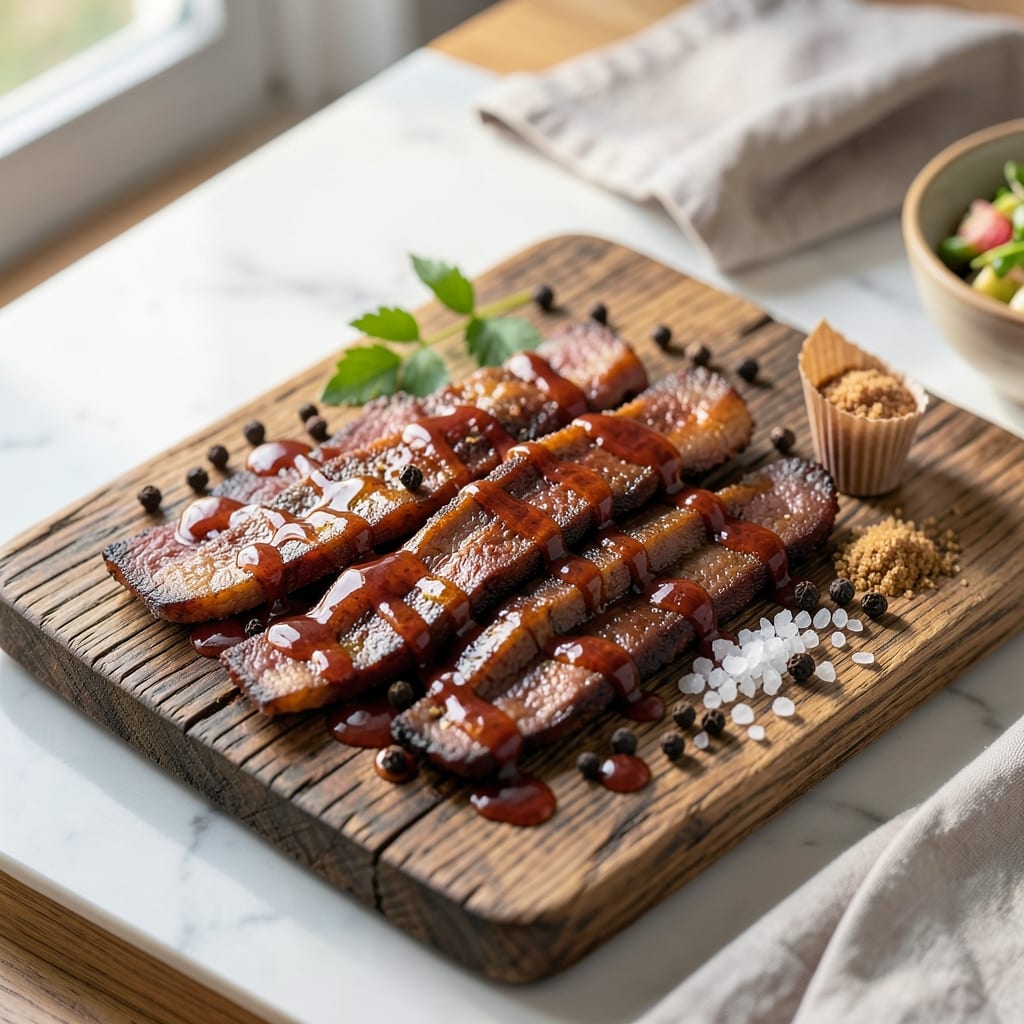
This air-dried beef jerky recipe transforms lean beef into chewy, protein-packed strips perfect for snacks or emergency rations. The process combines traditional salt curing with modern dehydrating techniques to create jerky that's both safe and intensely flavorful. I've perfected this method over years of testing, ensuring every batch delivers that satisfying snap and rich beefy taste.
What sets this recipe apart is the balance between simplicity and precision—just a few key ingredients (beef, salt, sugar, and spices) work together to preserve the meat while enhancing its natural flavors. The drying time is 6 hours, making it ideal for busy schedules, and the results keep well for months when stored properly. Whether you're a survivalist, fitness enthusiast, or simply love a good snack, this jerky delivers.
The technique involves marinating the beef in a carefully measured salt-sugar-spice blend before dehydrating it to exactly 160°F—the sweet spot for chewy texture and food safety. This method preserves the meat's protein content while eliminating moisture, creating a product that's lightweight yet packed with energy. The end result is jerky with a deep, caramelized flavor and a satisfying bite.
Ready to make jerky that rivals store-bought? This recipe includes tips for using a dehydrator or oven, plus variations for different flavor profiles. Let's get started on your first batch—it's easier than you think!
Ingredients for air dried beef jerky
Lean beef, bold spices, and a simple marinade—this is all you need for restaurant-quality jerky.
| Ingredient | Amount | Notes |
|---|---|---|
| Lean Beef Top Round Roast 🥩 | 2 lb | Trimmed of all visible fat |
| Kosher Salt 🧂 | ½ cup | Diamond Crystal preferred |
| Granulated Brown Sugar 🍚 | ¼ cup | Light or dark variety |
| Soy Sauce 🥢 | ¼ cup | Low-sodium preferred |
| Black Peppercorns 🌶️ | 2 tbsp | Freshly cracked preferred |
| Ground Black Pepper 🌶️ | 1 tbsp | Freshly ground for best flavor |
| Garlic Powder 🧄 | 1 tbsp | Fresh ground preferred |
| Onion Powder 🧅 | 1 tbsp | For subtle depth |
| Ground Cumin 🌿 | 1 tsp | Toasted for deeper flavor |
| Smoked Paprika 🌶️ | 1 tsp | For subtle smokiness |
| Liquid Smoke 🔥 | 1 tsp | Optional for extra smokiness |
| Lemon Juice 🍋 | 1 tbsp | Freshly squeezed |
| Worcestershire Sauce 🍶 | 1 tbsp | For umami depth |
The beef is non-negotiable here. Top round roast is the gold standard—lean enough to dry properly but still packed with flavor. Grab it from the butcher section at Whole Foods or your local grocery store's meat counter. Look for cuts with good marbling but minimal fat—this ensures a chewy texture without greasiness. If you can't find top round, sirloin tip works too. Trim any visible fat before slicing, as it can spoil faster and make the jerky too fatty. For a quick grocery run, Costco sells pre-cut beef jerky strips that you can use as a shortcut, though I always prefer slicing my own.
No soy sauce? Coconut aminos or even a mix of balsamic vinegar and a pinch of salt works in a pinch. Freshly cracked peppercorns are ideal, but if you only have pre-ground, use half the amount—it loses potency fast. The brown sugar can be swapped for maple syrup if you're avoiding refined sugar, though it'll add a slightly different flavor profile. For extra umami without Worcestershire, add a dash of fish sauce (though it's not vegetarian). The lemon juice brightens everything up—don't skip it, even if you're not a fan of citrus in savory dishes. As for the liquid smoke, it's optional but adds that campfire vibe that makes jerky feel like a true outdoor snack.
This marinade keeps in the fridge for up to 5 days, though I usually make it fresh. The beef strips can be prepped ahead and stored in an airtight container for 24 hours before drying. For best results, let the cured strips air-dry at room temperature for 1 hour before dehydrating to help prevent mold. Once fully dried, store your jerky in an airtight container or vacuum-sealed bag for up to 6 months at room temperature. Pro tip: Parcheesi boards make great drying racks if you don't have a dehydrator, and they're easy to clean afterward.
Why You'll Love This Recipe
- No-Fuss Prep: I slice the beef thin—like a haircut you’d actually pay for—then just toss it in the marinade. No fancy equipment, no stress; the dehydrator does all the work while I scroll through my phone.
- Sweet-Savory Magic: That brown sugar and soy sauce combo? It’s the kind of balance that makes you forget you’re eating protein bars. The peppercorns add a little bite, but it’s the caramelized crust that’ll have you reaching for seconds.
- Snack Anywhere: Honestly, this jerky is my secret weapon for road trips, gym bags, or when I’m too lazy to eat a full meal. It keeps for weeks, so I always have a stash—no more sad, wilted sandwiches in my purse.
- Budget Powerhouse: A pound of top round goes a long way, and the ingredients cost pennies. I make a batch every few months, and it’s cheaper than buying pre-packaged jerky that tastes like sawdust. Plus, I control the salt—no weird additives.
Step-by-step instructions for air-dried beef jerky
Master this method and you'll achieve restaurant-quality jerky with perfect chew and bold flavor.
Trim and Slice the Beef for Optimal Texture
Begin by trimming all visible fat from the 2 lb lean beef top round roast using a sharp boning knife. This ensures a leaner, more flavorful result without excess grease. For even drying, slice the beef against the grain into strips approximately ¼-inch thick and ½-inch wide. The grain direction is visible as fine lines running through the meat—cut perpendicular to these lines for maximum tenderness.
Lay the sliced beef on a clean cutting board and arrange the strips in a single layer. This organization makes it easier to handle and apply the marinade evenly. If you notice any particularly thick slices, trim them down slightly with your knife—they'll take longer to dry and may end up tough.
Create and Apply the Flavorful Marinade
In a large mixing bowl, combine the 0.5 cup kosher salt, 0.25 cup granulated brown sugar, 0.25 cup soy sauce, 1 tbsp garlic powder, 1 tbsp onion powder, 1 tsp ground cumin, 1 tsp smoked paprika, 1 tsp liquid smoke, 1 tbsp lemon juice, and 1 tbsp Worcestershire sauce. Mix thoroughly until the salt and sugar dissolve completely, creating a thick, syrupy marinade.
Add the sliced beef to the marinade and toss gently to ensure every piece is thoroughly coated. Transfer the beef to a resealable plastic bag and massage the marinade into the meat, pressing it between your fingers to penetrate the fibers. Seal the bag and refrigerate for at least 12 hours, though 24 hours yields deeper flavor penetration. The marinade should fully saturate the beef, leaving no dry spots.
Prepare the Dehydrator for Even Drying
Preheat your dehydrator to 160°F—this temperature ensures thorough drying while preserving chewiness. Arrange the marinated beef slices in a single layer on the dehydrator trays, leaving about ½-inch of space between each piece. This spacing allows proper air circulation, which is critical for even drying and preventing moisture buildup.
If your dehydrator has adjustable racks, position the trays so the beef isn't stacked vertically—this could lead to uneven drying. Place a small tray of water in the dehydrator to maintain humidity levels. Start the drying process and let it run for 4-6 hours, checking periodically after the first 2 hours to ensure even progress.
Monitor and Test for Perfect Doneness
After 4 hours, check the jerky for dryness by gently pressing a piece between your fingers. It should feel firm but still slightly pliable—like a well-chewed piece of gum. If it feels too moist, return it to the dehydrator for another 30-60 minutes. The jerky is properly dried when it's flexible but not sticky, and when you bend a piece, it should snap rather than bend smoothly.
Remove the jerky from the dehydrator and let it cool completely on a wire rack. This cooling period helps set the texture and allows any remaining surface moisture to evaporate. Once fully cooled, the jerky should have a glossy sheen from the marinade and a deep, rich color from the spices. Store in an airtight container for up to 2 weeks or freeze for longer storage.
Package and Store for Maximum Freshness
Transfer the cooled jerky to an airtight container lined with parchment paper to prevent sticking. If you notice any pieces that dried too quickly and became brittle, you can lightly mist them with a tiny amount of water and return them to the dehydrator for 10-15 minutes to restore chewiness. The jerky should maintain its shape when handled but still offer satisfying resistance when bitten.
For best results, consume within 2 weeks for peak flavor and texture. If storing longer, freeze in a vacuum-sealed bag to preserve freshness for up to 6 months. This method delivers jerky with concentrated protein, rich umami depth, and a perfect balance of chew and tenderness—ideal for snacks, camping trips, or protein bars.
Pro Tips For Making Air Dried Beef Jerky
- Freeze the Meat First: I learned this the hard way—skipping the freeze makes slicing top round into even strips nearly impossible. Pop it in the freezer for 30 minutes before slicing; the meat becomes firm enough to cut cleanly against the grain without tearing. (Yes, even if you're impatient like me.)
- Salt the Meat Overnight: This isn’t the prettiest method, but it’s the tastiest. Toss your sliced beef with kosher salt and let it sit in the fridge for 12–24 hours. The salt breaks down the muscle fibers, making the jerky tender and letting the flavor seep in deeper. Trust the process—your future self will thank you.
- Use a Meat Thermometer: After burning three batches, I finally figured out the right temp: pull the jerky from the dehydrator when the internal temperature hits 160°F. Relying on time alone is risky—humidity and fan speed vary wildly. A quick probe check guarantees safe, chewy jerky every time.
- Mix the Dry Rub First: Sounds weird, but it works: blend brown sugar, black peppercorns, and any extra spices into a fine powder before tossing it on the meat. This ensures even coating and prevents clumpy, uneven flavor spots. I skip this when I’m lazy, but the jerky is noticeably better when I don’t.
Dietary considerations for air dried beef jerky
Gluten-Free Adaptations
This jerky recipe is naturally gluten-free, but I always double-check the ingredients to ensure no cross-contamination. The soy sauce is the only potential concern—opt for certified gluten-free soy sauce like Kikkoman Gluten-Free Tamari if you're sensitive. The Worcestershire sauce can also contain gluten, so use a gluten-free version like Annie's. All other ingredients are inherently gluten-free, making this a safe choice for anyone avoiding gluten. 🌾
Low-Sodium Options
For those watching their sodium intake, reduce the kosher salt to ¼ cup and increase the garlic powder to 2 tbsp for added flavor. You can also substitute half the soy sauce with low-sodium beef broth (about ¼ cup) to cut down on sodium while keeping the umami depth. The jerky will still be flavorful, just with less salt. Always taste as you go!
Paleo-Friendly Adjustments
To make this jerky fully paleo-compliant, swap the brown sugar for maple syrup or honey (use ¼ cup honey for a 1:1 substitution). Ensure your Worcestershire sauce is paleo-certified, like Chicken Soup for the Soul Paleo. The rest of the marinade already fits paleo guidelines, so no other changes are needed. The result is a clean, protein-packed snack that aligns with paleo principles. 🥩
Allergen Considerations
For those with soy allergies, replace the soy sauce with coconut aminos (use the same amount) or a mix of apple cider vinegar and a pinch of salt. If you're avoiding garlic or onions, omit the powders and add extra smoked paprika (up to 2 tsp) or ground coriander for depth. Always check spice blends for hidden allergens, especially if you have sensitivities to common additives like anti-caking agents. 🚫
Keto-Friendly Modifications
This recipe is already keto-friendly, but you can enhance it further by using sugar-free Worcestershire sauce and reducing the brown sugar to 1 tbsp (or omit it entirely). The soy sauce adds minimal carbs, but if you're strict about macros, consider using coconut aminos instead. The beef itself is pure protein, making this jerky an excellent low-carb snack with about 25g protein per 1-ounce serving. Perfect for keto dieters! 💪
Vegetarian Alternatives
While traditional jerky is made with beef, you can create a vegetarian version using extra-firm tofu or tempeh. Press the tofu or tempeh to remove excess moisture, then slice it into strips and marinate in the same blend (without Worcestershire, which contains anchovies). Use a vegan Worcestershire substitute like Bragg Liquid Aminos for umami. The texture will differ, but the flavor profile remains bold and satisfying. 🌱
Nutrition facts
Frequently asked questions
Can I use an oven instead of a dehydrator?
Yes! Preheat your oven to 175°F (80°C) and prop the door open slightly with a wooden spoon to allow moisture to escape. Place beef strips on a wire rack over a baking sheet lined with parchment paper. Bake for 3-4 hours, checking every 30 minutes for doneness. The oven method takes longer but works well in a pinch.
Why did my jerky turn out too tough?
Over-drying or slicing with the grain are the most common causes. Always cut beef against the grain and aim for ¼-inch thick strips. Remove jerky when it's flexible but snaps when bent—don't wait until it's completely dry. For extra tenderness, add 1 tsp apple cider vinegar to the marinade.
How do I store jerky without refrigeration?
For long-term storage, vacuum-seal your jerky in Mylar bags with oxygen absorbers. Store in a cool, dark place (like a pantry) where it'll keep for 6-12 months. If using regular containers, keep it in the freezer for up to 1 year to prevent spoilage. The key is removing all moisture before sealing.
Can I make jerky with ground beef instead of sliced?
Not recommended! Ground beef contains too much fat and connective tissue, which makes it difficult to dry evenly and can lead to a greasy, rubbery texture. Stick to whole muscle cuts like top round or sirloin tip for the best results. If you're set on using ground beef, try making beef pemmican instead.
What's the best way to test if jerky is fully dried?
Use the "bend test": Take a piece and bend it gently. If it cracks but doesn't bend smoothly, it's ready. Another method is the "finger test"—press a piece between your fingers. Properly dried jerky should feel firm but not sticky, with no moisture between your fingers. If unsure, err on the side of under-drying.