
Soups & Stews
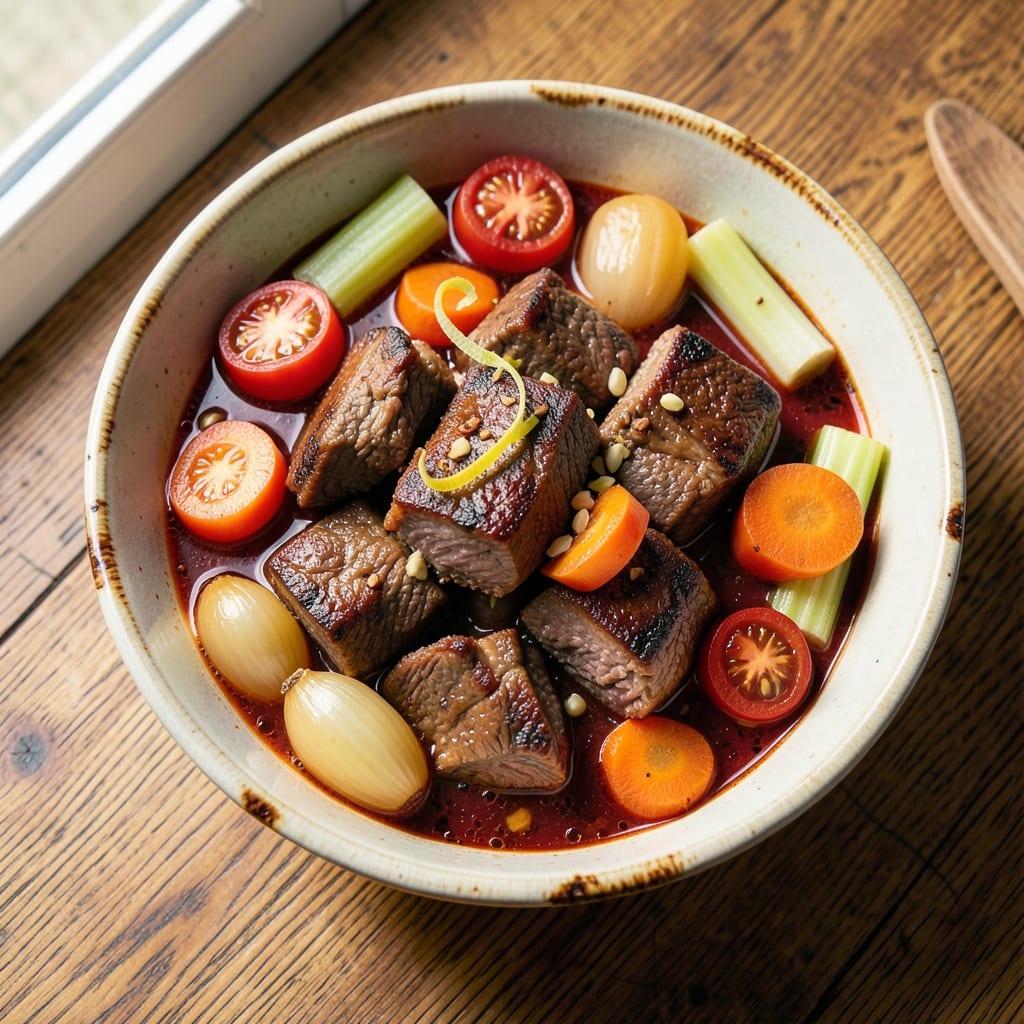
This all-natural beef stew recipe delivers restaurant-quality depth with tender beef, caramelized vegetables, and rich broth—all simmered low and slow for maximum flavor. The secret lies in browning the beef properly and letting it develop over hours, transforming tough cuts into melt-in-your-mouth perfection. Every spoonful captures the essence of a cozy, hearty meal that feels like a hug in a bowl.
What sets this stew apart is the balance of all-natural ingredients—grass-fed beef, organic root vegetables, and aromatic herbs—that build layers of savory, sweet, and earthy notes. The slow simmer allows flavors to meld, while caramelizing onions and garlic forms the foundation for a deeply flavorful broth. This isn’t just a stew; it’s a foolproof method for transforming simple ingredients into a dish that tastes like it’s been simmering all day.
The result is a rich, velvety stew with tender beef, perfectly softened vegetables, and a broth so flavorful it deserves a second helping. The caramelized edges on the root vegetables add texture and depth, while the herbs infuse the broth with bright, aromatic notes. Serve it with crusty bread to soak up every last drop of that slow-simmered goodness—this is comfort food at its finest.
Whether you're feeding a family or meal prepping for the week, this stew scales effortlessly. The long cooking time makes it ideal for busy days, and the flavors only improve with time. Here’s how to make it—step by step—for a dish that’s as satisfying as it is delicious.
Ingredients for all natural beef stew
Sixteen all-natural ingredients transform into a deeply flavorful beef stew that tastes like it simmered all day.
| Ingredient | Amount | Notes |
|---|---|---|
| Grass-Fed Beef Chuck Roast 🥩 | 2 ½ lb | Pre-cubed for even cooking |
| Yellow Onions 🧅 | 2 whole | Medium, thinly sliced |
| Carrots 🥕 | 4 whole | Medium, cut into chunks |
| Celery Stalks 🥬 | 4 whole | Cut into 1-inch pieces |
| Garlic Cloves 🧄 | 6 cloves | Minced for aromatic depth |
| Organic Tomatoes 🍅 | 2 whole | Roma or vine-ripened, chopped |
| Beef Broth 💧 | 4 cups | Homemade or low-sodium |
| Red Wine 🍷 | 1 cup | Bold, dry variety preferred |
| Tomato Paste 🍅 | 2 tbsp | For rich, concentrated flavor |
| Fresh Thyme 🌿 | 2 sprigs | Or 1 tsp dried thyme |
| Fresh Rosemary 🌿 | 1 sprig | For earthy aroma |
| Bay Leaves 🌿 | 2 whole | For subtle herbal notes |
| Extra-Virgin Olive Oil 🫒 | 2 tbsp | For searing beef |
| Kosher Salt 🧂 | 1 ½ tsp | Diamond Crystal preferred |
| Freshly Ground Black Pepper 🌶️ | 1 tsp | For balanced seasoning |
The beef is the foundation—grass-fed chuck roast delivers the best texture and flavor. Look for marbled cuts with visible fat for moisture during slow cooking. Most grocery stores carry pre-cubed beef, but if you're buying a whole roast, ask the butcher to cut it into 1.5-inch chunks for even cooking. Whole Foods or local butchers often have the highest-quality options, though standard supermarkets work fine. Avoid pre-seasoned or enhanced meats—they can overpower the natural flavors you're building here.
Red wine is non-negotiable for depth, but any bold, dry variety—Cabernet Sauvignon or Merlot—works. No wine? Beef broth with 1 tbsp balsamic vinegar mimics the acidity. Fresh herbs elevate the dish: thyme and rosemary should be vibrant and fragrant, not wilted. If using dried, reduce to one-third the amount—they pack more punch. The carrots and celery can be baby or whole, but cutting them into even chunks ensures consistent softening. For tomato paste, Trader Joe's squeeze tubes are perfect—they last months in the pantry and eliminate waste.
This stew tastes even better the next day as flavors meld. Store in an airtight container in the fridge for up to 5 days, or freeze portions for 3 months. The broth thickens as it cools, so add a splash of water when reheating. I always make a double batch—one for dinner, one for lunches the following week. The leftovers reheat beautifully; just warm gently on the stove and adjust seasoning if needed. For extra richness, stir in a pat of butter before serving.
Why You'll Love This Recipe
- One-Pot Magic: I swear by this recipe because it’s literally one pan, one lid, and done. No chopping boards overflowing—just rough-chop those onions, carrots, and celery (no need to be fancy), toss them in with the beef, and let the slow cooker or Dutch oven do the rest. Honestly, my counter stays clear, and my stew tastes like it simmered all day.
- Deep, Rich Flavor: That grass-fed beef chuck? It melts into threads of pure satisfaction, while the garlic and onions caramelize into something dangerously good. Here’s what sold me—the crusty, caramelized edges on the meat with that tender center? Chef’s kiss. And the veggies? They soften just enough to soak up every bit of that savory broth.
- Leftovers You’ll Crave: Between us, this stew tastes better the next day. I make a double batch on Sundays, and by Wednesday, it’s still the star of my week. Freeze half for those nights when you’re too tired to cook—just reheat and serve. My kids don’t even complain when I pull it out for lunch.
- Budget-Friendly Comfort: Grass-fed beef might sound pricey, but a chuck roast stretches far—this recipe feeds four for under $20, and you’ll have leftovers. Plus, the veggies are basic pantry staples. It’s my go-to when I need a hearty, filling meal without breaking the bank. (Yes, even on a Tuesday night.)
Step-by-step instructions for slow-simmered beef stew
This method delivers deep flavor through careful layering and patience—no shortcuts, just rich, natural development.
Sear the Beef Chuck for Maximum Flavor
Heat a large Dutch oven over medium-high heat until hot. Add the 2 tablespoons extra-virgin olive oil and swirl to coat the bottom. Working in batches if needed, add the 2.5 lb grass-fed beef chuck roast (pre-cubed) and sear undisturbed for 3-4 minutes per side until deeply browned. This caramelization forms the flavor foundation.
Don't crowd the pan—searing requires space for proper browning. Once all pieces are golden brown, transfer them to a plate and set aside. You'll notice the beef releases easily from the pan when properly seared, indicating it's ready for the next step.
Build the Aromatic Vegetable Base
In the same Dutch oven, add the 2 whole yellow onions (thinly sliced), 4 whole carrots (cut into chunks), and 4 whole celery stalks (cut into 1-inch pieces). Cook over medium heat for 8-10 minutes, stirring occasionally, until the vegetables soften and begin to caramelize at the edges.
Add the 6 cloves garlic cloves (minced) and cook for another 30 seconds until fragrant. This step develops the sweet, deep flavors that form the stew's backbone. If the vegetables stick, add a splash of beef broth to deglaze and scrape up the browned bits from the bottom.
Develop the Rich Sauce Base
Stir in the 2 tablespoons tomato paste and cook for 1 minute until it darkens slightly. Pour in the 1 cup red wine and scrape up any browned bits from the bottom of the pot. Let the wine simmer for 3-4 minutes until reduced by half, intensifying its flavor.
Add the 4 cups beef broth, 2 whole organic tomatoes (chopped), 2 sprigs fresh thyme, 1 sprig fresh rosemary, 2 whole bay leaves, 1.5 teaspoons kosher salt, and 1 teaspoon freshly ground black pepper. Return the seared beef to the pot, ensuring all pieces are submerged in the liquid.
Simmer Until Tender and Flavorful
Bring the stew to a gentle boil, then reduce heat to low-medium and cover partially. Let it simmer for 2.5 to 3 hours, stirring occasionally, until the beef is fork-tender and easily pulls apart. The vegetables should be soft but still hold their shape.
Here's the key: the stew should reduce slightly, creating a thick, velvety consistency. If it's too thin, uncover and simmer for an additional 15-20 minutes to reach the perfect texture. The aroma should be rich, earthy, and deeply savory—this is your signal that the flavors have melded perfectly.
Adjust and Serve
Remove the bay leaves and discard them. Taste the stew and adjust seasoning if needed—add more kosher salt or black pepper if required. The stew should be well-seasoned but balanced, with the natural flavors of the beef and vegetables shining through.
Serve the stew hot, ladling over crusty bread or mashed potatoes. The beef should be tender enough to fall apart with a fork, and the vegetables should be soft yet retain their distinct textures. Each spoonful should deliver layers of flavor—rich, caramelized, and deeply satisfying.
Pro Tips For Making All Natural Beef Stew
- Sear the Chuck Hard: Grass-fed beef needs a good crust to hold up in long cooking—don’t skimp on the browning. Use a heavy pot, high heat, and let those chunks sit undisturbed for 3–4 minutes per side until deeply browned. I learned this the hard way when my first batch turned out bland because I rushed the sear.
- Cut Onions Like a Pro: Dice those yellow onions into even ¼-inch pieces—they’ll cook faster and soften uniformly. If you’re impatient like me, skip the fancy cuts and just slice them thinly; they’ll still taste great. Uneven chunks mean some will turn to mush while others stay crunchy.
- Don’t Crowd the Pot: After searing, let the beef rest for 5 minutes before adding liquid—this keeps the juices locked in. Then, add the onions, carrots, and celery in layers, not all at once. I used to dump everything in and ended up with a watery stew instead of a rich, flavorful one.
- Simmer Low and Slow: Once everything’s in, bring to a boil, then immediately reduce to a gentle simmer—think tiny bubbles, not rolling. Grass-fed beef needs 3–4 hours to tenderize, and a hard boil will turn it tough. I was skeptical until I tried it, and now I never rush this step.
Flavor customization for this recipe
Spicy Kick
Add ½ teaspoon cayenne pepper or 1 tablespoon hot paprika when searing the beef for a subtle heat that lingers. For more intensity, stir in 1-2 tablespoons chopped chipotle peppers in adobo sauce with the tomatoes. I love this with a splash of lime juice at the end—it brightens the stew while adding a citrusy zing. 🌶️
Herb Variations
Swap out thyme and rosemary for 1 sprig fresh sage and 1 sprig fresh tarragon for a more complex herbal profile. Or try 1 teaspoon dried oregano plus ½ teaspoon fennel seeds for a Mediterranean twist. The fennel seeds should be toasted lightly in the pot before adding the wine. 🌿
Sweet & Tangy Twist
Balance the richness with 2 tablespoons balsamic vinegar (reduced by half) or 1 tablespoon honey stirred in during the final 15 minutes of cooking. For depth, add 1 small diced apple (like Honeycrisp) with the carrots—it caramelizes beautifully. 🍏
Umami Boost
Enhance the savory depth by adding 1 tablespoon soy sauce or 1 teaspoon fish sauce when deglazing with wine. For a vegetarian-friendly option, stir in 1 tablespoon miso paste with the tomato paste. The umami explosion makes every bite more satisfying. 💫
Smoky Depth
Infuse the stew with smokiness by adding 1 teaspoon smoked paprika during searing or ½ teaspoon liquid smoke (sparingly) to the broth. For a bold touch, char 1 whole onion and 2 garlic cloves on the grill before dicing and adding to the pot. 🔥
Creamy Finish
For a velvety texture, stir in ½ cup heavy cream or ¼ cup Greek yogurt during the last 10 minutes of cooking. Alternatively, blend 1 cup of the stew until smooth, then return it to the pot—this thickens the broth beautifully. 🥄
Nutrition facts
Frequently asked questions
Can I use ground beef instead of chuck roast for this stew?
While ground beef will work, it won't deliver the same rich, tender texture. Chuck roast is ideal because its connective tissues break down during slow cooking, creating melt-in-your-mouth beef. If you must use ground beef, brown it well first and consider adding ½ cup beef broth to help develop depth in the stew.
What's the best way to thicken this stew if it's too thin?
Simmer uncovered for 15-20 minutes to reduce the liquid naturally. For extra thickness, mix 1 tablespoon cornstarch with 2 tablespoons cold water, stir into the stew, and simmer for 5 minutes until thickened. Alternatively, blend 1 cup of stew until smooth, then return it to the pot.
How can I make this stew ahead of time?
This stew tastes even better the next day! Store in an airtight container in the fridge for up to 5 days or freeze for 3 months. Reheat gently on the stove, adding a splash of water if needed. The flavors deepen over time, making it perfect for meal prep.
What are the best sides to serve with this beef stew?
Crusty bread is classic, but you can't go wrong with creamy mashed potatoes, roasted root vegetables, or buttery egg noodles. For a lighter option, serve with a fresh green salad or steamed asparagus. The hearty stew pairs well with anything that balances its richness.
Why does my beef stew taste bland?
Bland stews often lack proper browning or seasoning.