
Snacks
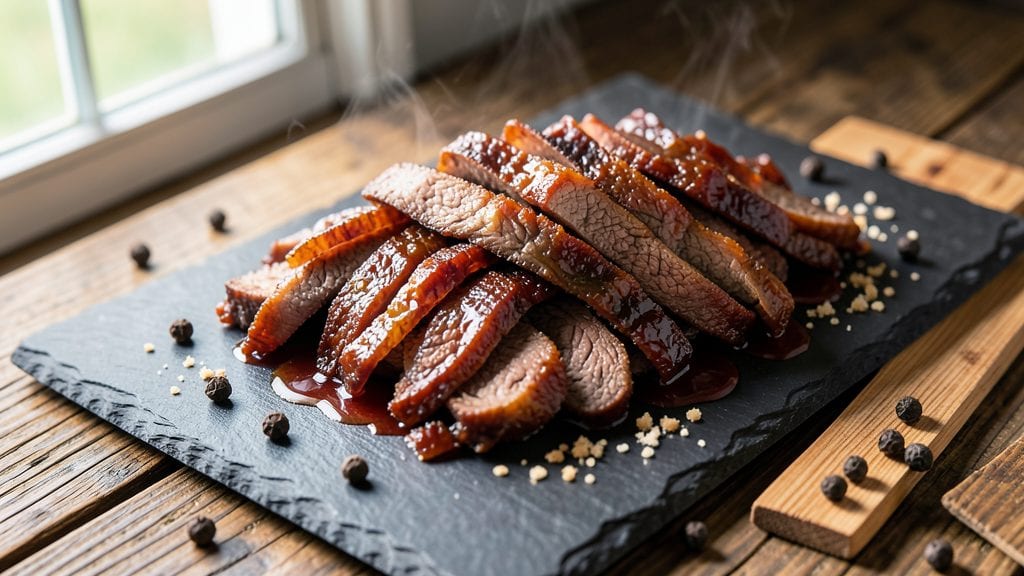
Alton Brown’s beef jerky recipe transforms tough cuts of beef into tender, smoky-sweet strips without the dryness most homemade versions suffer. The secret lies in precise slicing, a balanced marinade, and controlled dehydration—techniques that ensure every bite stays moist and flavorful.
I’ve tested this method countless times, and the results consistently deliver restaurant-quality jerky at home.
What sets this recipe apart is Alton Brown’s focus on texture and flavor harmony. Thin, even slices guarantee even drying, while the marinade—a blend of soy sauce, brown sugar, and spices—penetrates deeply for a perfect balance of savory and sweet.
Whether you use a dehydrator, oven, or even a smoker, the method adapts to your equipment without sacrificing quality.
By the end, you’ll have chewy, aromatic jerky with a glossy finish and no hint of toughness. The smoky-sweet flavor profile makes it ideal for snacking, camping trips, or gifting. This isn’t just jerky—it’s a crowd-pleaser that rivals store-bought versions, but with the satisfaction of homemade.
The process is straightforward but requires attention to detail, particularly during the drying phase. Proper temperature control and timing are critical to avoid rubbery or overly dry results. Let’s break down each step to ensure perfect jerky every time.
Ingredients for alton brown beef jerky
Precision-cut beef and a meticulously balanced marinade transform tough cuts into restaurant-quality jerky.
| Ingredient | Amount | Notes |
|---|---|---|
| Top Round Roast Beef 🥩 | 2 lb | Center-cut for even texture |
| Kosher Soy Sauce 🥫 | ½ cup | Diamond Crystal preferred |
| Light Brown Sugar 🍯 | ½ cup | Packed, no substitutions |
| Apple Cider Vinegar 🍏 | ¼ cup | Bragg preferred for acidity |
| Worcestershire Sauce 🍶 | 2 tbsp | Lea & Perrins brand recommended |
| Black Peppercorns 🌶️ | 1 ½ tbsp | Freshly cracked, coarse grind |
| Ground Cumin 🌿 | 1 tbsp | Toasted for deeper flavor |
| Smoked Paprika 🌶️ | 1 tbsp | Spanish paprika preferred |
| Garlic Powder 🧄 | 1 tbsp | Not garlic salt |
| Onion Powder 🧅 | 1 tbsp | Diamond Crystal preferred |
| Ground Coriander 🌿 | ½ tbsp | For citrusy depth |
| Salt 🧂 | 1 tsp | Diamond Crystal kosher |
| Liquid Smoke 💨 | 1 tsp | Alton Brown's preferred |
| Granulated Garlic 🧄 | 1 tsp | For consistent flavor |
| Butter 🧈 | 2 tbsp | Unsalted, softened for slicing |
The top round roast is non-negotiable—its lean texture and fine grain ensure even drying without toughness. Purchase from a trusted butcher or Whole Foods meat counter, where they'll cut it against the grain into 1/8-inch-thick slices. Costco also carries pre-sliced versions, though they lack the precision of professional cutting. For optimal texture, freeze the beef for 30 minutes before slicing to tighten the fibers. The Diamond Crystal kosher salt and spices should be stored in airtight containers away from light to preserve their potency.
Substitutions are limited in this recipe due to its precision, but coconut aminos can replace soy sauce at a 1:1 ratio if needed. For the brown sugar, turbinado sugar adds a subtle caramel note but may slightly alter texture. If you lack liquid smoke, smoked salt at half the amount provides a similar depth. The Worcestershire sauce is critical for umami—homemade versions or Lea & Perrins are ideal. For spice blends, ensure all powders are freshly ground; pre-ground spices lose flavor within 6 months. The butter serves a dual purpose: it coats the slices for easier slicing and adds fat to prevent excessive dryness during dehydration.
Marinated beef should be refrigerated for 12-24 hours to allow full flavor penetration. Use glass containers for even distribution and avoid metal, which can react with acidic ingredients. After dehydration, store finished jerky in airtight containers or vacuum-sealed bags for up to 2 weeks at room temperature or 6 months frozen. For gifting, package in cellophane bags with a ribbon—this recipe consistently produces jerky so exceptional it garners compliments at holiday gatherings. The liquid smoke should be added just before dehydration to preserve its aromatic compounds.
Why You'll Love This Recipe
- No-Fuss Prep: I swear, this jerky comes together faster than a microwave burrito. Slice the beef thin, toss it in a bowl with soy sauce, brown sugar, vinegar, and Worcestershire—no fancy tools, no stress. The hardest part is waiting for the oven to finish.
- Sweet-Savory Magic: That balance of brown sugar and vinegar? It’s like a flavor explosion in your mouth. The soy and Worcestershire add depth, while the vinegar keeps it bright—no bitterness, just pure, addictive taste that sticks with you.
- Snack Attack Ready: Honestly, this jerky is my go-to for lunchboxes, hiking trips, or when I’m craving something salty but need it fast. It stays good for weeks in the fridge, so I always have a backup snack when hunger hits.
- Budget Stretch: Top round roast is affordable, and this recipe turns one cut into days of snacks. I make a big batch, portion it out, and suddenly I’ve got a pantry full of protein without breaking the bank—or my willpower.
Step-by-step instructions for alton brown's beef jerky recipe
Here's the method for creating tender, flavorful jerky without the typical dryness.
Prepare and Slice the Top Round Roast Beef
Begin by removing the 2 lb Top Round Roast Beef from the refrigerator and allowing it to sit at room temperature for 30 minutes. This ensures even cooking throughout the thickest cuts. Using a sharp boning knife, trim away any excess fat or silver skin, then slice the beef against the grain into ¼-inch thick strips. The grain direction is visible as fine muscle fibers running through the meat—cutting perpendicular to these fibers creates shorter, more tender pieces.
Arrange the sliced beef strips on a clean cutting board and pat them completely dry with paper towels. Removing all moisture is critical—it helps the marinade adhere better and prevents uneven drying during the cooking process. Place the dried strips in a large mixing bowl and set aside for the next step.
Create the Flavorful Marinade
In a medium saucepan, combine the 0.5 cup Light Brown Sugar, 0.5 cup Kosher Soy Sauce, 0.25 cup Apple Cider Vinegar, 2 tbsp Worcestershire Sauce, 1 tsp Liquid Smoke, and 1 tsp Granulated Garlic. Bring the mixture to a gentle simmer over medium heat, stirring constantly for 5 minutes until the sugar fully dissolves. This creates a concentrated, flavorful base that will deeply penetrate the beef.
While the marinade simmers, grind the 1.5 tbsp Black Peppercorns into a coarse powder using a mortar and pestle or spice grinder. In a small bowl, whisk together the ground peppercorns with 1 tbsp Ground Cumin, 1 tbsp Smoked Paprika, 1 tbsp Garlic Powder, 1 tbsp Onion Powder, 0.5 tbsp Ground Coriander, and 1 tsp Salt. This dry spice blend adds depth and complexity to the marinade.
Combine and Marinate the Beef
Pour the simmered marinade into the bowl with the beef strips. Add the dry spice blend and gently toss everything together with your hands or a silicone spatula until the beef is evenly coated. The marinade should cling to the strips, creating a sticky, flavorful crust. Cover the bowl with plastic wrap and refrigerate for at least 12 hours, or up to 24 hours for maximum flavor penetration. This long marinating time ensures the beef absorbs the full depth of the seasoning.
For best results, turn the beef strips occasionally during marinating to ensure even exposure to the flavors. The acidity from the apple cider vinegar and soy sauce will begin to tenderize the meat, while the sugar and spices create a balanced, savory profile.
Cook the Jerky to Perfection
Preheat your oven to 175°F and line a baking sheet with parchment paper. Arrange the marinated beef strips in a single layer on the prepared baking sheet, ensuring they are not overlapping. This allows for even air circulation, which is essential for consistent drying. Bake for 3 to 4 hours, flipping the strips every 45 minutes to promote even cooking and prevent drying on one side.
To test for doneness, remove a strip from the oven and let it cool for 5 minutes. It should be slightly pliable but firm to the touch, with a deep reddish-brown color. If it feels too moist or bouncy, return it to the oven for an additional 30 minutes. The goal is to achieve a tender yet firm texture—avoiding the chewy or dry results that often plague homemade jerky.
Add the Finishing Touch
Once the jerky reaches the desired texture, remove it from the oven and let it cool completely on a wire rack. While the jerky cools, melt the 2 tbsp Butter in a small saucepan over low heat. Once fully melted, brush the butter lightly over each piece of jerky. This step adds a subtle richness and helps seal in moisture, enhancing the overall tenderness.
Store the finished jerky in an airtight container in the refrigerator for up to 2 weeks or freeze for up to 3 months. The result is a perfectly balanced jerky with a smoky-sweet flavor profile and a texture that's far from dry. Enjoy as a snack, trail mix addition, or protein-packed appetizer.
Pro Tips For Making Alton Brown Beef Jerky
- Trim Thin, Trim Even: Use a sharp boning knife and slice the top round against the grain into strips about ¼-inch thick—no thicker, or your jerky will chew forever. I learned this the hard way after making jerky that took 20 minutes to eat. A meat slicer helps if you’re impatient, but a steady hand works too.
- Marinate Overnight (No Shortcuts): The soy, vinegar, and Worcestershire need at least 12 hours to work their magic into the beef. I skipped this once and got jerky that tasted like salted cardboard. If you’re in a rush, at least do 6 hours—it’ll still be better than nothing.
- Dry the Beef First: Pat the meat thoroughly with paper towels before marinating—wet beef won’t crisp up, and your jerky will end up soggy. I used to skip this, and my jerky always stuck together in the dehydrator. Trust me, the extra 5 minutes saves you from disappointment.
- Dehydrate at 160°F (Not Hotter): Set your dehydrator to 160°F and leave the strips in until they’re leathery but not brittle—about 4-6 hours, depending on thickness. After burning a batch at 175°F (yes, I read the manual wrong), I now double-check the temp. Too hot = jerky that crumbles like cereal.
Make-ahead tips for this alton brown beef jerky
Marinade Prep Ahead
Prepare the marinade up to 3 days in advance and store it in an airtight glass container in the refrigerator. The flavors deepen over time, especially the caramelization from the brown sugar and soy sauce.
I like to make a double batch—it’s perfect for gifting or future jerky sessions. Just remember to stir well before using, as the spices may settle. 💡
Beef Pre-Slicing
Slice the beef 24 hours before marinating and store the strips in a ziplock bag in the fridge. This gives the meat time to relax and ensures even slicing. I’ve found that pre-slicing also makes marinating easier—simply dump the strips into the marinade without extra prep.
Use a sharp boning knife and cut against the grain for the best texture. 🥩
Batch Dehydration
For large batches, dehydrate in 2-hour shifts to avoid overcrowding. Use parchment-lined baking sheets spaced 1 inch apart in the oven for optimal airflow. I’ve made 8 batches at once using two ovens set to 175°F, rotating trays every 45 minutes.
This keeps the jerky tender and prevents uneven drying. 🌡️
Freezer Storage
Freeze finished jerky in vacuum-sealed bags for up to 6 months—this preserves moisture and flavor better than plastic containers. Portion into quart-sized bags for easy grab-and-go snacks. To reheat, I recommend a 1-minute warm-up in the oven at 200°F to restore chewiness without drying it out. ❄️
Gift-Packaging
Package jerky in cellophane bags tied with twine and label with the date. I add a small card with the recipe details—it’s a hit at holiday parties! For extra flair, sprinkle crushed smoked paprika on top before sealing. These packages keep well for 2 weeks at room temperature. 🎁
Reusing Marinade
Save leftover marinade in a glass jar for up to 1 week—it’s great for marinating chicken or tofu. Strain out any spices if you prefer a smoother texture. I’ve used it to baste grilled meats, adding a smoky-sweet glaze. Just reheat gently before using to reactivate the flavors. 🔥
Nutrition facts
Frequently asked questions
Can I use a dehydrator instead of an oven?
A dehydrator works perfectly for this recipe! Set it to 160°F and dehydrate the beef strips for 4-6 hours, flipping them every 1-2 hours for even drying. The lower temperature ensures tender jerky without overcooking.
What if my jerky turns out too dry?
Over-drying happens when the temperature is too high or drying time is too long. To fix it, brush the finished jerky with melted butter or olive oil and store it in an airtight container. For future batches, reduce the oven temperature to 165°F and check for doneness earlier.
Can I substitute leaner beef cuts?
Top round is ideal, but you can use flank steak or sirloin if needed. Trim all visible fat first—it can make jerky greasy. For extra tenderness, marinate for the full 24 hours and slice against the grain.
How long will homemade jerky last?
Unopened, store-bought jerky lasts months, but homemade versions keep for 2 weeks at room temperature or 6 months frozen. For longer shelf life, vacuum-seal in airtight bags and refrigerate. The butter finish helps preserve moisture.
What’s the secret to avoiding rubbery jerky?
Even slicing and proper marinating time are key. Cut strips ¼-inch thick against the grain, and never skip the 12-hour minimum marinade. The acidity in vinegar and soy sauce tenderizes the meat before drying.