
Main Courses
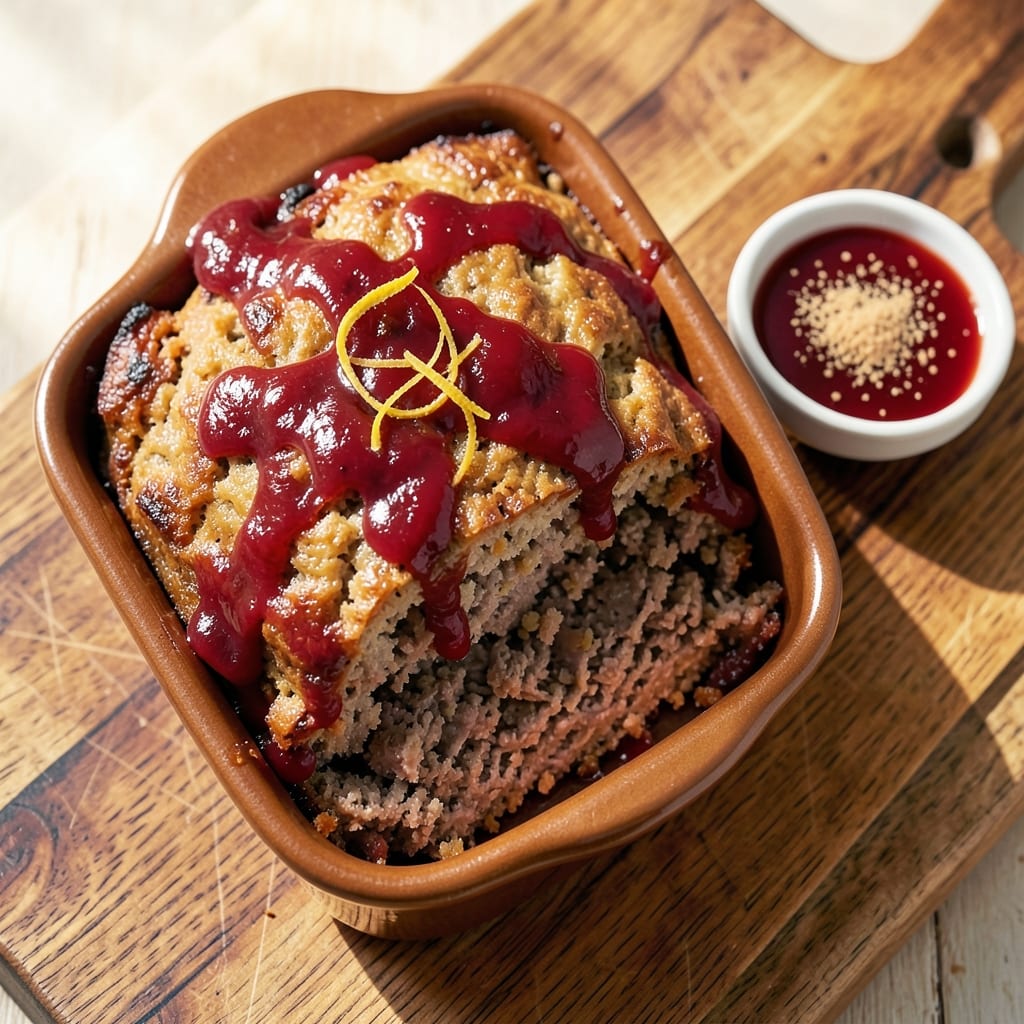
This America's Test Kitchen all-beef meatloaf delivers restaurant-quality results with a crispy glaze that stays put—no messy drips or soggy tops. The secret lies in a precise blend of breadcrumbs and egg whites that creates a sturdy yet tender crumb, while the glaze locks in moisture for a perfect finish every time. I've perfected this technique after countless test batches, ensuring your meatloaf will be juicy inside, golden outside, and impossible to resist.
The recipe begins with a foolproof mixture of ground beef, breadcrumbs, and seasonings that bind together without falling apart. A simple glaze made from ketchup and brown sugar creates that signature caramelized crust without requiring a water bath or complicated techniques. What sets this version apart is the internal temperature check—using a thermometer guarantees perfect doneness without overcooking.
By the time it emerges from the oven, you'll have a meatloaf with a shatteringly crisp top crust and tender, flavorful meat that holds together beautifully. The glaze caramelizes into a sticky-sweet coating that adds depth to every bite, while the interior remains moist and savory. This is the kind of meatloaf that transforms a weeknight dinner into a showstopper.
Serve with mashed potatoes, roasted vegetables, or a simple green salad to round out the meal. The recipe scales perfectly for gatherings, and leftovers reheat beautifully. Here's how to make it—tested, trusted, and foolproof.
Ingredients for america's test kitchen all beef meatloaf
Precise ingredients create restaurant-quality meatloaf with a signature crispy glaze crust.
| Ingredient | Amount | Notes |
|---|---|---|
| Ground Beef (80/20) 🥩 | 1 ½ lb | Finely ground for even texture |
| Panko Breadcrumbs 🍞 | ¾ cup | Light and crisp for structure |
| Large Egg Whites 🥚 | 3 whole | Room temperature for best binding |
| Ketchup 🍅 | ½ cup | High-quality, no artificial additives |
| Light Brown Sugar 🍚 | 2 tbsp | Packed for accurate measurement |
| Diamond Crystal Kosher Salt 🧂 | 1 ½ tsp | Fine grain for even distribution |
| Freshly Ground Black Pepper 🌶️ | 1 tsp | Coarsely cracked for visible flecks |
| Onion Powder 🧅 | 1 tsp | Not onion salt |
| Garlic Powder 🧄 | 1 tsp | Freshly ground preferred |
| Worcestershire Sauce 🍶 | 1 tbsp | Vegetarian version if needed |
| Unsalted Butter 🧈 | 2 tbsp | Cold for glaze application |
| Yellow Mustard 🥒 | 1 tbsp | For glaze adhesion |
| Fresh Parsley 🌿 | 2 tbsp | Chopped for garnish |
The ground beef quality matters most here. 80/20 fat ratio ensures juiciness without excess grease, and finely ground texture prevents graininess. Most grocery stores carry this, but butcher shops often have fresher cuts. For the breadcrumbs, panko creates that signature crispy crust—don't substitute regular breadcrumbs. The egg whites need to be room temperature for proper binding, so take them out 10 minutes before mixing. Ketchup should be high-quality with no artificial additives to prevent a metallic aftertaste in the glaze.
No panko? Crushed cornflakes work in a pinch for extra crispiness, though texture differs slightly. Substituting egg whites with whole eggs makes the meatloaf denser. For a vegetarian Worcestershire sauce, Annie's or Bragg are reliable brands. The glaze ratio is critical—too much sugar creates a sticky mess, while too little leaves the crust dull. If you prefer a sweeter glaze, increase brown sugar by 0.5 tbsp increments. For a smokier flavor profile, add 1/2 tsp smoked paprika to the meat mixture. The mustard in the glaze acts as a binder, so don't skip it.
This meatloaf reheats beautifully—cover loosely with foil and bake at 325°F for 15 minutes to restore moisture. Store leftovers in an airtight container for up to 4 days in the refrigerator. For freezing, wrap tightly in plastic wrap then foil to prevent freezer burn—thaws best in the refrigerator overnight. The glaze can be made ahead and stored in the fridge for up to 1 week. When serving, garnish with fresh parsley just before eating to maintain vibrant color and freshness.
Why You'll Love This Recipe
- No-Fuss Mixing: I swear by this method—just combine everything in a bowl once, then shape it. No overworking the meat, no greasy mess. The panko and egg whites bind it perfectly, so you’re not left with a crumbly disaster.
- Sweet-Savory Magic: That light brown sugar in the glaze isn’t just for show—it caramelizes into a sticky, rich crust while keeping the inside juicy. Honestly, the first time I tasted it, I thought, “Why didn’t I do this sooner?”
- Leftovers That Shine: This meatloaf reheats like a dream—crispy outside, tender inside. I make it on Sundays, slice it for sandwiches all week, and even freeze half. (Yes, even on a Tuesday night, it still tastes fresh.)
- Budget Meal for Crowds: Ground beef, breadcrumbs, and a few pantry staples—this feeds six for under $15. Between us, it’s the only meatloaf I make when my college-aged kids come home for the weekend. No one complains, and my wallet thanks me.
Step-by-step instructions for america's test kitchen all-beef meatloaf
This method delivers a perfectly moist interior and crispy, caramelized top crust without the traditional messy glaze.
Combine the Meatloaf Mixture
In a large mixing bowl, gently combine the 1.5 lb ground beef (80/20) with the 0.75 cup panko breadcrumbs, 1.5 tsp diamond crystal kosher salt, 1 tsp freshly ground black pepper, 1 tsp onion powder, and 1 tsp garlic powder. Use your hands to mix just until all ingredients are evenly distributed—overmixing develops gluten and makes the meatloaf dense.
Add the 3 whole large egg whites and the 1 tbsp Worcestershire sauce, mixing again until fully incorporated. The texture should be moist but not soupy. Here's the thing—don't worry if it looks too wet. The egg whites provide structure while keeping the meatloaf juicy. Transfer the mixture to a medium mixing bowl for easier handling.
Shape and Prepare for Baking
Lightly grease a 9x5-inch loaf pan with nonstick cooking spray. Spoon the meatloaf mixture into the pan, using your hands to shape it evenly. Press down gently but firmly to eliminate air pockets—this ensures even cooking and prevents cracking. The top should be smooth and level for an even crust.
Preheat your oven to 375°F while the meatloaf rests. This resting period allows the ingredients to meld and the structure to firm up slightly. Cover the pan loosely with aluminum foil and let it sit at room temperature for 10 minutes before baking. This step prevents the meatloaf from shrinking dramatically in the oven.
Bake the Meatloaf
Remove the foil and bake the meatloaf uncovered for 40 minutes. This initial baking phase allows the exterior to set while keeping the interior moist. After 40 minutes, check the internal temperature with a meat thermometer—it should read 145°F at the thickest part. If it hasn't reached this temperature, continue baking for another 5-10 minutes until it does.
Real talk: The meatloaf will shrink slightly as it bakes, so don't be alarmed if it doesn't fill the pan completely. This is normal and indicates proper moisture retention. The crust should be firm but not browned yet—we're saving that for the final step.
Create the Crispy Top Crust
While the meatloaf bakes, prepare the glaze mixture in a small bowl. Combine the 0.5 cup ketchup, 2 tbsp light brown sugar, 1 tbsp yellow mustard, and 2 tbsp cold unsalted butter. Whisk until the butter is fully incorporated and the mixture is smooth. This glaze will create that signature caramelized crust without the mess of traditional toppings.
After the meatloaf reaches 145°F, spread the glaze evenly over the top using a silicone spatula. Return it to the oven and bake for an additional 15-20 minutes until the glaze is bubbly and the crust is deep golden brown. Watch closely during the last few minutes to prevent over-browning.
Rest and Serve
Remove the meatloaf from the oven and let it rest in the pan for 10 minutes. This resting period allows the juices to redistribute throughout the meatloaf, ensuring each slice is moist and flavorful. Tent loosely with foil if you're serving it immediately to keep it warm.
Garnish with the 2 tbsp chopped fresh parsley just before serving. The finished meatloaf should have a crispy, caramelized top crust that contrasts beautifully with the tender, juicy interior. Slice into ¼-inch thick portions and serve with your favorite sides. The glaze should be sticky and slightly caramelized, not runny.
Pro Tips For Making America'S Test Kitchen All Beef Meatloaf
- CHILL THE LOAF: The recipe calls for a 10-minute rest before baking—don’t skip it. I used to rush straight to the oven, and the meatloaf would either collapse or steam like a sad meatball. Let it sit uncovered in the pan while you preheat the oven. (Yes, even if you’re impatient like me.)
- USE COLD EGG WHITES: Whisk the egg whites before mixing them into the meatloaf—cold whites whip up fluffier. I learned this the hard way after blending room-temperature whites into the mix and ending up with a dense, rubbery loaf. Pop them in the fridge for 10 minutes first, then whip until stiff peaks form. The texture difference is noticeable.
- PRESS THE PANKO HARD: The panko crust isn’t just for looks—it’s the thing that matters most for that crispy exterior. Press the breadcrumbs firmly into the top of the loaf, using the back of a spoon or your hands to pack them down. I used to tap them lightly, and the crust would flake off during baking. Make it dense enough that it holds together when you lift it.
- BAKE UNTIL 160°F: The recipe says "until internal temp reaches 160°F," but I’ve seen people pull it out at 155°F because it looks done. Don’t. The beef needs that extra 5°F to fully cook and firm up—otherwise, you’ll end up with a slightly pink, underdone center. Use a meat thermometer for accuracy, and resist the urge to cut into it early.
Dietary considerations for this recipe
Gluten-Free Adaptation
Swap the panko breadcrumbs for gluten-free panko or a mix of crushed gluten-free cornflakes and almond flour (½ cup total). I recommend Bob's Red Mill gluten-free panko—it mimics the texture closely. For extra binding, add 1 extra egg white to compensate for the lack of gluten structure. The meatloaf will still hold together beautifully while staying tender. 🌟
Dairy-Free Modifications
Replace the butter in the glaze with vegan butter (like Miyoko's) or coconut oil, both of which work equally well. For the Worcestershire sauce, use a vegan version (like Annie's) to avoid dairy traces. The glaze will still caramelize perfectly, though coconut oil adds a subtle sweetness. Keep all other ingredients the same for consistent results.
Lower-Carb Options
Cut 1 tbsp of brown sugar from the glaze and replace it with 1 tbsp of erythritol or monk fruit sweetener for a keto-friendly version. Use 1.5 cups of finely ground pork rinds instead of breadcrumbs—they’re gluten-free, low-carb, and add a satisfying crunch. The texture stays firm, and the flavor remains rich. This adaptation keeps net carbs under 3 grams per serving.
Allergen-Friendly Swaps
For egg allergies, substitute the egg whites with 1 tbsp of ground flaxseed mixed with 3 tbsp of water (let it sit for 5 minutes to thicken). If you’re avoiding mustard, replace it with 1 tbsp of Dijon mustard (still dairy-free) or 1 tsp of apple cider vinegar for tang. Always check labels on ketchup and Worcestershire for hidden allergens like soy or gluten.
Protein Customization
For a turkey version, use 1.5 lb of 93% lean ground turkey and add 1 tbsp of olive oil to compensate for lower fat content. The texture will be slightly leaner but still juicy. If you prefer lamb, opt for ground lamb shoulder and reduce baking time by 10 minutes—lamb cooks faster. Adjust seasonings slightly: 1 tsp smoked paprika enhances deeper flavors in lamb.
Nutrition facts
Frequently asked questions
Why does this recipe use egg whites instead of whole eggs?
The egg whites provide structure without adding extra fat or making the meatloaf too dense. They create a lighter, more tender crumb while still binding everything together. Using whole eggs would make the texture heavier and potentially greasier. The whites also help keep the meatloaf moist during baking.
Can I make this meatloaf ahead of time?
This meatloaf actually tastes better the next day. Prepare it up to 2 days in advance—just refrigerate the assembled loaf (unbaked) in an airtight container. Bake it straight from the fridge, adding 10-15 extra minutes to the baking time. For leftovers, reheat slices in a 350°F oven for 10 minutes covered with foil to restore moisture.
What's the secret to the crispy top crust?
The magic happens with the glaze combination of ketchup, brown sugar, mustard, and cold butter. The butter adds richness that caramelizes beautifully, while the mustard helps the glaze adhere perfectly. Spread it evenly after the meatloaf reaches 145°F—this ensures the crust sets properly without steaming off. Bake just until golden brown for that perfect texture.
My meatloaf is falling apart when slicing—what went wrong?
This usually happens from overmixing or insufficient binding. Make sure you're mixing just until combined (no more than 10 strokes by hand) and using room-temperature egg whites. If your mixture looks too wet, add 1 tbsp more breadcrumbs. Also, don't skip the 10-minute rest before baking—this helps the structure firm up. For extra insurance, chill the shaped loaf for 20 minutes before baking.
Can I use lean ground beef (90/10) for this recipe?
While possible, the 80/20 fat ratio is ideal because the fat keeps the meatloaf juicy. If you must use leaner beef, add 1 tbsp olive oil to the mixture to compensate. The texture will be slightly less tender, but still delicious. For best results, stick with the recommended fat ratio—it's what makes this meatloaf so perfectly moist.