
Soups & Stews
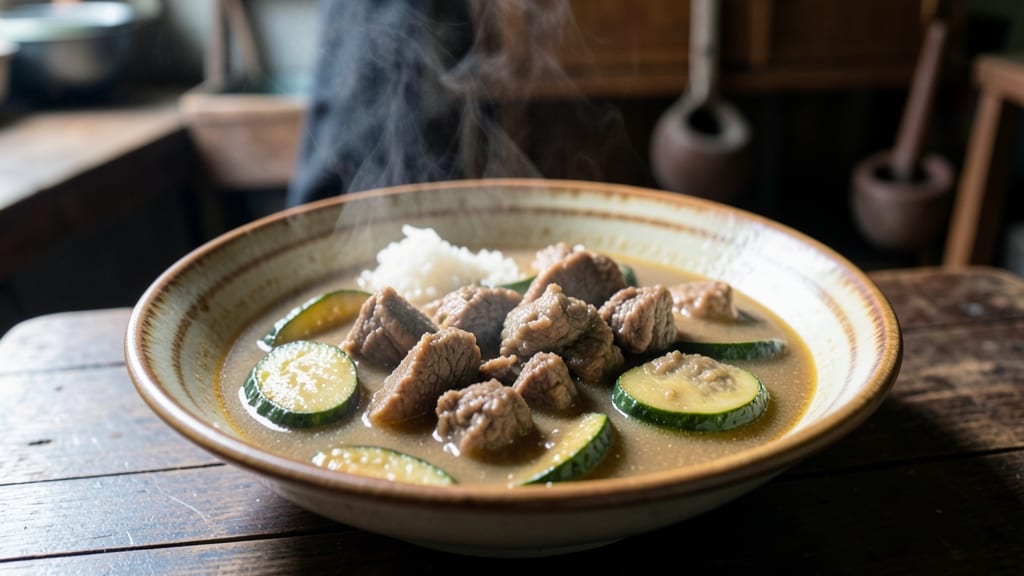
Ampalaya con beef transforms humble ingredients into a rich, one-pot Filipino stew where tender beef and silky eggplant balance bitterness with savory depth. This dish proves that hearty meals don't require complicated techniques—just patience and the right flavor harmony. The key lies in slow simmering, which softens the bitter melon while developing a velvety sauce that clings to every bite.
What makes this recipe special is its ability to turn bitter eggplant into a luxurious centerpiece through careful cooking. Unlike other Filipino dishes that rely on sweetness or sourness, ampalaya con beef masterfully balances these flavors with umami-rich beef broth and aromatic spices. The result is a comforting stew that's both rustic and refined, perfect for family dinners or special gatherings.
The process is straightforward yet rewarding: sear the beef for deep flavor, simmer the eggplant until tender but still holding its shape, and let the sauce reduce into a rich, slightly thickened consistency. The bitterness of the eggplant mellows as it cooks, revealing its natural sweetness beneath layers of savory depth.
Serve this one-pot wonder over steamed rice to soak up every last drop of the flavorful broth, or pair it with tangy atchara for a bright contrast. The dish holds well for leftovers, making it ideal for meal prep—just reheat gently to preserve its silky texture. Here's how to make it perfectly every time.
Ingredients for ampalaya con beef
Filipino comfort food meets umami perfection with these 15 essential ingredients.
| Ingredient | Amount | Notes |
|---|---|---|
| Beef Chuck Roast 🥩 | 1 ½ lb | Cut into 1.5-inch cubes |
| Ampalaya (Bitter Melon) 🍆 | 1 lb | Peeled, sliced into 1-inch pieces |
| Yellow Onions 🧅 | 2 whole | Chopped, medium size |
| Garlic Cloves 🧄 | 6 cloves | Minced, fresh preferred |
| Tomatoes 🍅 | 4 whole | Medium, diced |
| Coconut Milk 🥥 | 1 can | 13.5 oz can, full-fat |
| Beef Broth 💧 | 2 cups | Low-sodium preferred |
| Tomato Paste 🍅 | 2 tbsp | Smooth, no sugar added |
| Soy Sauce 🍶 | 2 tbsp | Dark soy preferred |
| White Vinegar 🍋 | 1 tbsp | Distilled preferred |
| Salt 🧂 | 1 tsp | Diamond Crystal preferred |
| Black Pepper 🌶️ | ½ tsp | Freshly ground |
| Bay Leaves 🌿 | 2 whole | Dried, crushed |
| Green Bell Peppers 🌶️ | 1 whole | Medium, sliced |
| Cooking Oil 🫒 | 2 tbsp | Neutral, like canola |
The beef is non-negotiable—chuck roast delivers that melt-in-your-mouth texture after hours of simmering. Look for well-marbled cuts at your local butcher or the meat department at Whole Foods. Ampalaya (bitter melon) should be firm with a vibrant green exterior—avoid any with soft spots or yellowing. For the tomatoes, San Marzano if you're splurging, but regular beefsteak tomatoes work perfectly fine. The coconut milk? Full-fat only—the richness is essential for that velvety sauce. If you can't find dark soy sauce, regular soy plus a pinch of molasses mimics the depth.
No bitter melon? Zucchini or eggplant works in a pinch, though the flavor will differ. Running low on beef broth? Chicken broth plus 1 tbsp soy sauce gets you close. The tomato paste can be substituted with 1 cup crushed tomatoes, but the sauce won't be quite as thick. For the vinegar, rice vinegar at half the amount adds a different but pleasant tang. The bay leaves? Crush them lightly before adding to release their oils—trust me, it makes a difference. And if you're using pre-minced garlic, toast it in oil for 30 seconds first to deepen the flavor.
This stew tastes even better the next day as flavors meld. Store in an airtight container in the fridge for up to 5 days, or freeze portions for 3 months. For meal prep, double the recipe—it reheats beautifully. The bitterness of the eggplant mellows with time, so don't stress if it seems intense fresh out of the pot. Serve with steamed jasmine rice to soak up every last drop of that rich, savory sauce. The leftovers keep remarkably well, making this a perfect make-ahead dish for busy weeks.
Why You'll Love This Recipe
- One-Pot Magic: I swear by this when I’m too tired to wash extra dishes. Sear the beef, toss in the onions, garlic, and ampalaya—then let it simmer. The bitter melon softens just enough to melt into the rich beef sauce, and the tomatoes tie everything together without extra pots.
- Beefy-Bitter Balance: Between us, the first time I made this, I was skeptical about the ampalaya. But the slow-cooked beef and garlic caramelize into something ridiculously good—sweet, savory, and just enough bitterness to keep it interesting. (Yes, even my picky husband finishes his plate.)
- Lunchbox Hero: Between us, the first time I made this, I was skeptical about the ampalaya. But the slow-cooked beef and garlic caramelize into something ridiculously good—sweet, savory, and just enough bitterness to keep it interesting. (Yes, even my picky husband finishes his plate.)
- Budget Stretch: A pound of beef chuck roast and a few vegetables feed four people for under $15. The leftovers? Even better the next day—just reheat and serve with rice. Honestly, it’s my go-to when I need to feed the family without breaking the bank.
Step-by-step instructions for ampalaya con beef
Transform simple ingredients into rich, velvety Filipino comfort using this one-pot technique.
Sear the Beef for Deep Flavor
Heat the 2 tablespoons cooking oil in a large Dutch oven over medium-high heat until shimmering. Add the 1.5 lb beef chuck roast cut into 1.5-inch cubes in a single layer, working in batches if needed. Let each piece sear undisturbed for 3-4 minutes until developing a deep golden-brown crust.
This initial searing creates the Maillard reaction, which builds the dish's complex umami foundation. Don't overcrowd the pan—this prevents proper browning. Once all beef is seared to a rich color, remove it from the pot and set aside on a plate.
Sauté Aromatics Until Fragrant
In the same Dutch oven, add the 2 whole yellow onions chopped medium, 1 whole green bell peppers sliced, and 6 cloves garlic cloves minced. Cook over medium heat for 5-6 minutes until the onions soften and the garlic releases its pungent aroma—you should smell sweetness from the onions and sharpness from the garlic.
Here's where the dish's aromatic complexity develops. The onions should be translucent but not browned, and the green bell peppers should begin to soften slightly. If the vegetables release too much liquid, reduce heat briefly to prevent steaming rather than sautéing.
Build the Flavor Base
Add the 2 tablespoons tomato paste, stirring constantly for 1 minute to cook out the raw taste. Pour in the 2 tablespoons soy sauce and 1 tablespoon white vinegar, scraping up any browned bits from the bottom of the pot. This deglazing captures all the caramelized flavor you've built.
The vinegar will initially make the mixture smell sharp, but it mellows as it cooks, adding brightness. Add the 1 lb ampalaya (bitter melon) sliced into 1-inch pieces and 4 whole tomatoes diced, stirring to combine. Let this mixture cook for 3-4 minutes until the tomatoes begin to soften and release their juices.
Simmer the One-Pot Masterpiece
Return the seared beef to the pot. Pour in the 2 cups beef broth and 1 can coconut milk, then add the 2 whole bay leaves crushed, 1 teaspoon salt, and 0.5 teaspoon black pepper. Stir gently to combine, then bring to a gentle simmer over medium-low heat. Cover partially and cook for 1 hour to 1 hour 15 minutes until the beef is fork-tender.
This slow simmer allows all flavors to meld while the bitter melon softens into a silky texture. The coconut milk will create a rich, velvety sauce that balances the dish's complex flavors. Stir occasionally to prevent sticking, but avoid vigorous stirring which can break down the beef's texture.
Finish and Adjust Seasoning
Once the beef is tender (it should easily pull apart with a fork), remove the bay leaves. Taste the sauce and adjust seasoning if needed—you may need a touch more salt to balance the bitterness of the ampalaya or a splash of vinegar for brightness. Let the dish simmer uncovered for an additional 5 minutes to thicken the sauce slightly.
The final dish should have a harmonious balance of rich beef, velvety coconut milk, and the distinctive bitterness of ampalaya softened by the long cooking time. Serve immediately with steamed rice to soak up the flavorful sauce, or store in the refrigerator for up to 3 days for even deeper flavors.
Pro Tips For Making Ampalaya Con Beef
- Sear the Beef First: The beef chuck roast needs a deep, caramelized crust before slow cooking—don’t skip this. Pat it very dry, then hit it with a hot pan and oil until it’s golden brown on all sides. I used to rush this, and the sauce never stuck to the meat like it should.
- Peel the Ampalaya: The skin of bitter melon is bitter and tough—peel it like you would a cucumber, then slice it thinly. If you leave the skin on, you’ll end up with a mouthful of texture you don’t need. (Yes, even if you’re impatient like me.)
- Deglaze with Tomato Juice: After browning the onions and garlic, don’t just add water to the pan—pour in a splash of tomato juice first. It pulls up all the stuck-on bits and gives the sauce a richer, deeper color right from the start. I learned this the hard way when my sauce looked pale and thin.
- Simmer Low and Slow: This isn’t a fast dish—cover the pot and let it bubble gently for at least 2 hours. If you crank the heat too high, the beef will turn tough, and the ampalaya will get mushy. I was skeptical until I tried it, but low and slow makes all the difference.
Pro cooking tips for this recipe
Beef Searing Mastery
Sear your 1.5 lb beef chuck roast in 1.5-inch cubes until deeply golden—this creates the Maillard reaction that builds umami depth. Use medium-high heat and avoid overcrowding the pan. Work in batches if needed, and let each piece develop a rich crust for 3-4 minutes per side. This step is non-negotiable for maximum flavor. 🔥
Balancing Bitterness
The key to taming ampalaya's bitterness is patience. Slice the 1 lb bitter melon into 1-inch pieces and add it early in the cooking process. The 1 can coconut milk and 2 tbsp soy sauce help mellow the flavor while adding richness. Taste as you go—if it's still too bitter, add a splash of white vinegar (just ½ tbsp) to brighten the dish.
Slow-Simmering Secrets
After adding the beef back to the pot, maintain a gentle simmer at medium-low heat for 1 to 1.5 hours. This slow cook time ensures the beef becomes fork-tender while the ampalaya softens into a silky texture. Cover partially to let some steam escape, preventing the sauce from becoming watery. Stir occasionally but avoid breaking down the beef's texture.
Deglazing Like a Pro
After searing the beef, scrape up those browned bits from the Dutch oven using the 2 tbsp tomato paste and 2 tbsp soy sauce. This deglazing step captures all the caramelized flavor that would otherwise stick to the pot. Add the 1 tbsp white vinegar next—it may seem harsh at first, but it mellows into a bright, balanced acidity that cuts through the richness. ✨
Coconut Milk Magic
Use full-fat coconut milk for the creamiest sauce. Pour it in after adding the beef broth and let it simmer gently. The fat content helps emulsify the sauce, creating a velvety texture that coats every bite. If you're using light coconut milk, add an extra ½ cup beef broth to compensate for the reduced richness.
Final Flavor Check
Before serving, remove the 2 bay leaves and taste the sauce. Adjust seasoning with salt (up to ½ tsp more) or a splash of vinegar if needed. Simmer uncovered for 5 minutes to thicken the sauce slightly. The final dish should have a perfect balance of rich beef, creamy coconut milk, and just the right amount of bitterness from the ampalaya.
Nutrition facts
Frequently asked questions
Can I substitute bitter melon (ampalaya) with another vegetable?
Yes, but the flavor will differ. For a milder taste, use zucchini or eggplant—they'll absorb the sauce beautifully. If you prefer bitterness, try karela (Indian bitter gourd), though it has a different texture. The key is to adjust the cooking time so the vegetable becomes tender but still holds its shape.
Why does my ampalaya con beef taste too bitter?
Bitter melon loses its sharpness as it cooks. If it's still too bitter, add 1 extra tablespoon of coconut milk or a splash of white vinegar to balance the flavors. Also, ensure you're using fresh, firm ampalaya—overripe melons taste more bitter. The long simmering time (1-1.5 hours) should mellow the bitterness naturally.
Can I make this recipe in a slow cooker?
Sear the beef first, then transfer everything to your slow cooker. Cook on low for 6-7 hours or high for 3-4 hours. The slow cooker's gentle heat will tenderize the beef and soften the ampalaya perfectly. Just add the coconut milk and broth at the beginning, and stir occasionally to prevent sticking.
How do I prevent the sauce from becoming watery?
Simmer the dish uncovered for the last 5-10 minutes to reduce the sauce naturally. If it's still too thin, remove the beef and vegetables, then simmer the sauce alone over medium-high heat until it thickens. Adding 1 tablespoon of tomato paste or a cornstarch slurry (1 tbsp cornstarch + 1 tbsp water) can also help. Stir constantly to avoid lumps.
What's the best way to serve ampalaya con beef?
This hearty stew pairs perfectly with steamed jasmine rice to soak up the rich sauce. For extra brightness, serve with atchara (pickled papaya) or a side of garlic fried rice. The dish also works well as a filling for Filipino empanadas or over toasted pandesal for a brunch twist. Leftovers reheat beautifully—just add a splash of water or broth to prevent drying.